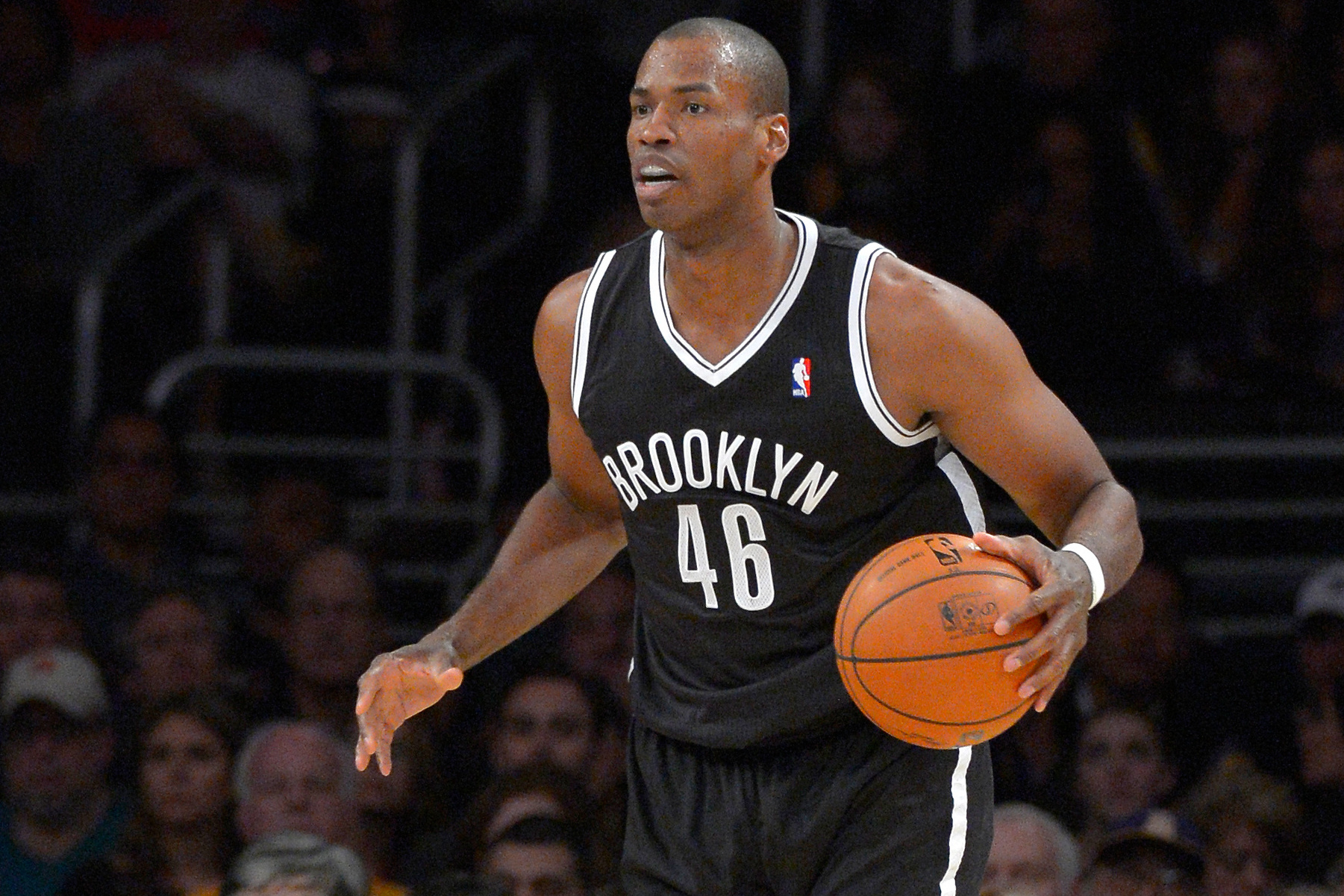
Jason Collins, NBA’s 1st Openly Gay Player, Dies at 47 of Brain Cancer/ Newslooks/ WASHINGTON/ J. Mansour/ Morning Edition/ Jason Collins, the NBA’s first openly gay player, has died at age 47 after battling brain cancer. Collins became a groundbreaking figure for LGBTQ+ inclusion in professional sports after publicly coming out in 2013. The NBA community, former teammates, and civil rights organizations honored Collins for his courage, kindness, and lasting impact.
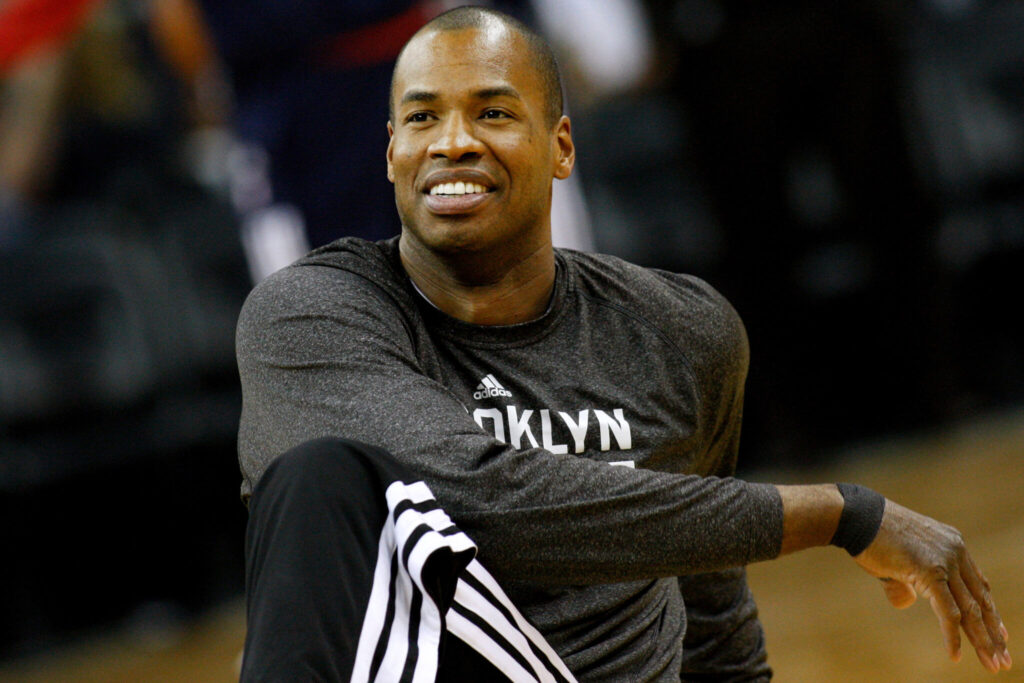
Jason Collins Quick Looks
- Jason Collins died at age 47 after brain cancer battle
- He was diagnosed with Stage 4 glioblastoma
- Collins became the NBA’s first openly gay player in 2013
- He played 13 seasons across six NBA teams
- Collins helped the Nets reach two NBA Finals
- Tributes poured in from across basketball and civil rights groups
- The NBA praised Collins for changing the sport forever
- A playoff moment of silence honored Collins and Brandon Clarke
Deep Look
NBA Mourns Death of Jason Collins
The basketball world is mourning the death of Jason Collins, the NBA’s first openly gay player and one of the most important trailblazers in modern sports history.
Collins died Tuesday at age 47 following an eight-month battle with Stage 4 glioblastoma, an aggressive and often fatal form of brain cancer.
His family announced the news through the NBA.
“Jason changed lives in unexpected ways and was an inspiration to all who knew him and to those who admired him from afar,” Collins’ family said in a statement. “Our family will miss him dearly.”
Collins leaves behind a legacy that extended far beyond basketball, becoming a symbol of courage, inclusion, and progress for LGBTQ+ athletes around the world.
Collins Became a Historic Figure in Sports
Jason Collins made international headlines in April 2013 when he publicly revealed he was gay in a first-person essay published by Sports Illustrated.
At the time, Collins was a free agent nearing the end of his NBA career.
His announcement made him the first openly gay active male player in one of America’s four major professional sports leagues.
“If I had my way, someone else would have already done this,” Collins wrote at the time. “Nobody has, which is why I’m raising my hand.”
The announcement was viewed as a groundbreaking moment not only for the NBA but for professional sports globally.
Collins received widespread support from teammates, celebrities, political leaders, and civil rights advocates.
Then-President Barack Obama, former President Bill Clinton, Kobe Bryant, and countless others publicly praised his courage.
NBA Honors Collins’ Lasting Impact
NBA Commissioner Adam Silver called Collins one of the league’s most influential ambassadors for inclusion and equality.
“Jason Collins’ impact and influence extended far beyond basketball as he helped make the NBA, WNBA and larger sports community more inclusive and welcoming for future generations,” Silver said.
Silver also praised Collins for his professionalism, leadership, and humanitarian work through NBA Cares initiatives.
The NBA Players Association described his death as a profound loss for the basketball community and the broader movement for LGBTQ+ equality.
Tributes quickly spread throughout sports, politics, entertainment, and civil rights organizations after news of his passing became public.
Collins Built a Long NBA Career
Before becoming a cultural icon, Collins carved out a respected 13-year NBA career built around defense, toughness, rebounding, and leadership.
He played for six franchises, including the New Jersey Nets, Atlanta Hawks, Boston Celtics, Memphis Grizzlies, Minnesota Timberwolves, and Washington Wizards.
Collins spent most of his career with the Nets and helped the franchise reach back-to-back NBA Finals appearances in the early 2000s.
His best statistical season came in 2004-05 when he averaged 6.4 points and 6.1 rebounds.
Overall, Collins averaged 3.6 points and 3.7 rebounds during his NBA career.
Though never a superstar scorer, he became highly respected for his intelligence, defensive versatility, and locker-room leadership.
Teammates Remember His Character
Former teammates and coaches remembered Collins not only for breaking barriers but also for his warmth and kindness.
Dallas Mavericks coach Jason Kidd, who played alongside Collins and later coached him in Brooklyn, posted an emotional tribute.
“This one hurts,” Kidd wrote. “Jason Collins was a pioneer. He had courage like you’ve never seen. He was an incredible teammate.”
Arn Tellem, Collins’ longtime agent, described representing him as “one of the great honors and privileges” of his career.
“The courage he showed changed lives and transcended our game,” Tellem said. “His impact reached far beyond basketball.”
Stanford and Gonzaga Connections
Collins starred collegiately at Stanford University alongside his identical twin brother Jarron Collins, who also played in the NBA.
Jason Collins became one of the most accomplished players in Stanford basketball history.
He helped lead Stanford deep into the NCAA Tournament and still holds the school record for career field-goal percentage at nearly 61%.
Former Stanford coach Mike Montgomery praised Collins’ intelligence, personality, and impact on the program.
“He was big, smart, strong and skilled, all while being a very bright and nice person,” Montgomery said.
Collins was selected 18th overall by the Houston Rockets in the 2001 NBA Draft before eventually building a long professional career.
Advocacy Became Central to His Legacy
After publicly coming out, Collins increasingly became involved in advocacy work supporting LGBTQ+ rights and inclusion in sports.
He wore jersey No. 98 during several stops late in his career as a tribute to Matthew Shepard, the gay college student murdered in Wyoming in 1998.
The Human Rights Campaign praised Collins for permanently changing the sports landscape.
“Stepping forward as he did boldly changed the conversation,” the organization said. “He was and will always be a legend for the LGBTQ+ community.”
His openness inspired later generations of athletes across professional sports to speak publicly about their identities.
Final Public Recognition Came Days Before Death
Just last week, Collins received the inaugural Bill Walton Global Champion Award at the Green Sports Alliance Summit.
Because he was too ill to attend, his brother Jarron accepted the honor on his behalf.
“I told my brother this before I came here: He’s the bravest, strongest man I’ve ever known,” Jarron Collins said during the ceremony.
The emotional moment now stands as one of the final public tributes to Collins before his death.
Basketball Community Honors Collins and Brandon Clarke
A moment of silence was held Tuesday before the Minnesota Timberwolves-San Antonio Spurs playoff game honoring both Collins and Memphis Grizzlies forward Brandon Clarke, whose death was also announced earlier in the day.
The Spurs praised Collins for “his bravery and kindness.”
For many across basketball and beyond, Jason Collins will be remembered not only as a pioneering athlete but as a transformative figure who helped reshape professional sports culture for future generations.