

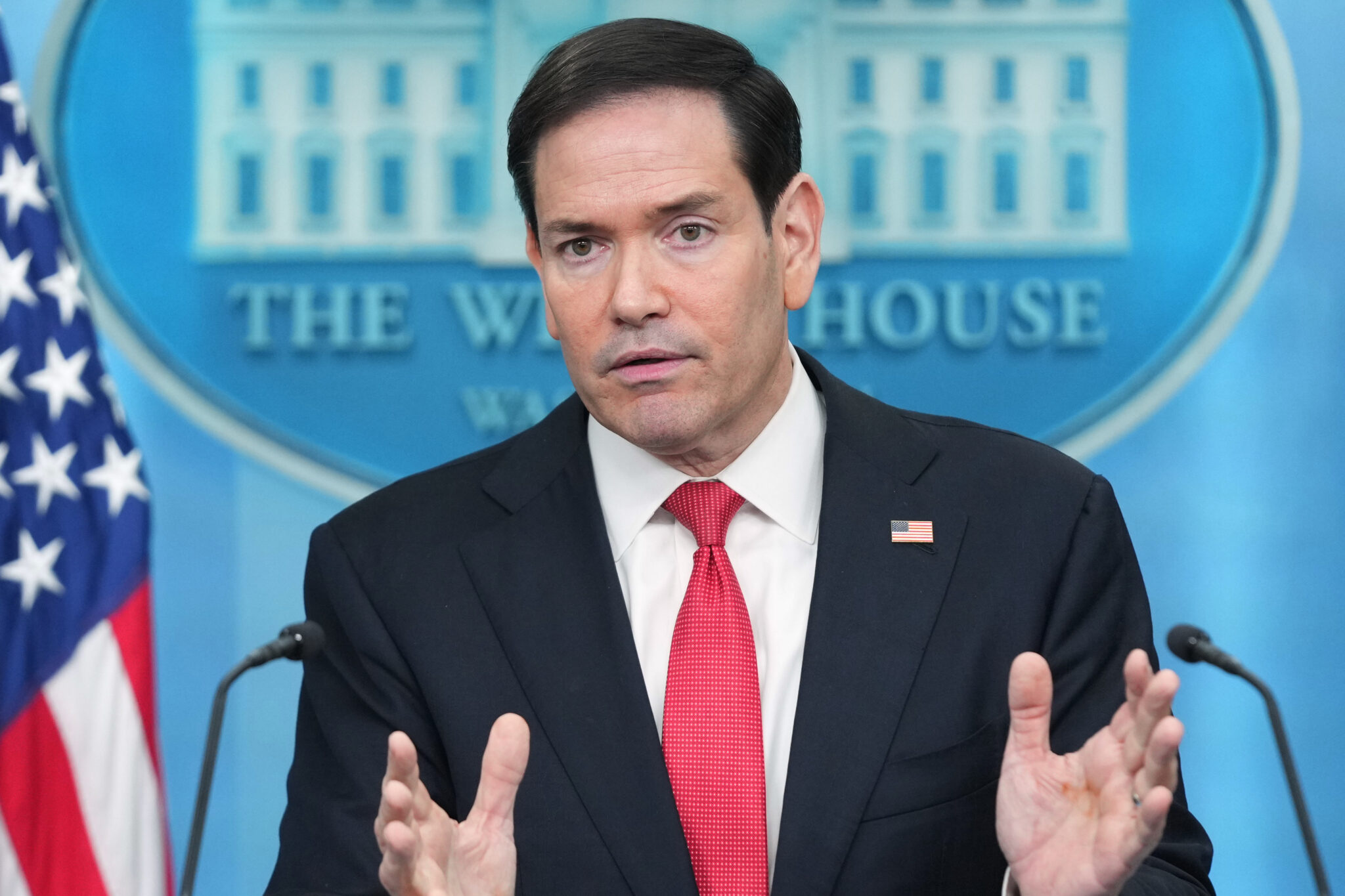
Rubio Heads to Gulf as US Pushes Iran Deal, Strait of Hormuz Security Efforts/ Newslooks/ WASHINGTON/ J. Mansour/ Morning Edition/ Secretary of State Marco Rubio will visit key Gulf allies this week as the Trump administration advances negotiations with Iran. Discussions will focus on regional security, the Strait of Hormuz and implementation of the recent U.S.-Iran memorandum of understanding. Meanwhile, Israeli Prime Minister Benjamin Netanyahu reaffirmed that Israeli forces will remain in southern Lebanon indefinitely to counter Hezbollah threats.
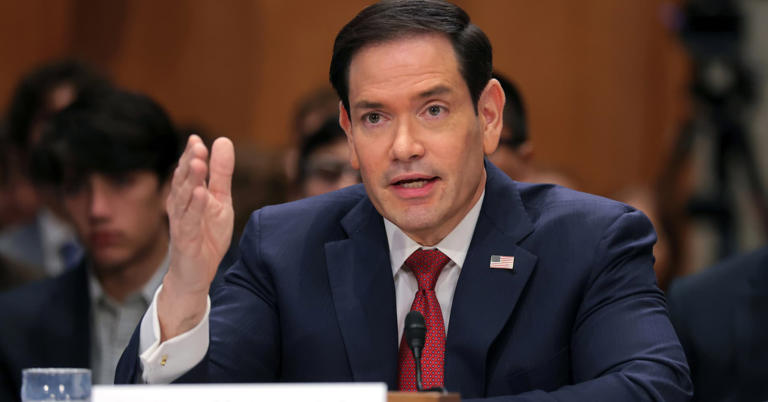
Rubio Gulf Trip Quick Looks
- Rubio scheduled to visit UAE, Kuwait and Bahrain from June 23-25.
- Meetings will focus on Iran negotiations and regional stability.
- Strait of Hormuz security remains a top priority.
- Rubio will also meet officials from the Gulf Cooperation Council.
- US seeks to reassure Gulf allies amid ongoing diplomatic talks with Tehran.
- Recent negotiations between US and Iranian officials were held in Switzerland.
- Netanyahu says Israeli forces will stay in southern Lebanon security zone.
- Israel maintains broad operational authority against Hezbollah threats.
- JD Vance highlighted a new regional deconfliction mechanism.
- Efforts continue to prevent escalation across the Middle East.
Deep Look
Rubio Embarks on Strategic Gulf Tour
Secretary of State Marco Rubio is heading to the Persian Gulf this week as the Trump administration intensifies diplomatic efforts aimed at securing regional stability and advancing negotiations with Iran.
Rubio’s trip, scheduled for June 23-25, includes stops in the United Arab Emirates, Kuwait and Bahrain. During the visit, he is expected to hold talks with regional leaders regarding the recently signed memorandum of understanding between the United States and Iran, as well as broader security concerns across the Middle East.
The State Department said Rubio’s meetings will focus on ensuring continued cooperation with Gulf partners while reinforcing commitments to regional peace and economic stability.
Strait of Hormuz Remains Central Issue
A major focus of Rubio’s discussions will be maintaining safe navigation through the Strait of Hormuz, one of the world’s most important maritime chokepoints.
The narrow waterway serves as a critical route for global energy supplies, carrying a substantial percentage of the world’s oil and natural gas exports.
According to the State Department, Rubio will discuss efforts to ensure “full and free safe transit” through the strait while working with Gulf allies to prevent disruptions that could impact international energy markets and regional security.
The administration views the issue as especially important following recent tensions involving Iran and concerns about maritime traffic in the region.
Gulf Cooperation Council Meetings Planned
While in Bahrain, Rubio is also expected to meet with officials representing the Gulf Cooperation Council (GCC).
The GCC includes Bahrain, Kuwait, Oman, Qatar, Saudi Arabia and the United Arab Emirates and serves as one of the region’s most influential political and economic organizations.
According to the State Department, Rubio will meet with GCC officials “to discuss shared priorities across the region.”
The meetings are expected to address security cooperation, economic partnerships, energy issues and efforts to maintain stability amid evolving geopolitical developments.
Switzerland Talks Continue to Shape Regional Diplomacy
Rubio’s trip follows a period of intense diplomatic engagement after senior U.S. and Iranian officials concluded negotiations in Switzerland.
The talks focused on creating a framework for a long-term agreement addressing nuclear issues, sanctions relief, regional security and maritime transit.
Administration officials have described the discussions as productive, though negotiations remain ongoing.
The Gulf visit is widely viewed as part of Washington’s effort to reassure regional allies that their security concerns remain a central component of any future agreement with Tehran.
Netanyahu Reaffirms Hardline Position on Lebanon
As diplomatic efforts continue, Israeli Prime Minister Benjamin Netanyahu signaled that Israel has no intention of easing its military posture along the Lebanese border.
In a video statement released Monday, Netanyahu emphasized that Israeli forces will continue operating inside a security zone in southern Lebanon for the foreseeable future.
“My directive, and that of the Minister of Defense, to the IDF is clear and has not changed: Our fighters in southern Lebanon have full freedom of action to thwart any direct or developing threat to them or to the residents of the North,” Netanyahu said.
“The IDF has no restrictions on this matter,” he added.
The Israeli leader stressed that national security remains the government’s top priority despite diplomatic initiatives underway elsewhere in the region.
Israel Signals Long-Term Presence
Netanyahu made clear that Israel intends to maintain its military presence in southern Lebanon as long as officials believe threats remain.
“The prime minister said that he and the entire nation of Israel stand behind the troops.”
“My stance is firm on our remaining in the security zone in southern Lebanon for as long as is required in order to protect the residents of the North and all citizens of the state,” Netanyahu said.
The remarks underscore ongoing tensions between Israel and Hezbollah and highlight one of the most challenging issues facing regional negotiators.
Vance Highlights New Regional Deconfliction Mechanism
Netanyahu’s comments came shortly after Vice President JD Vance discussed outcomes from the latest round of U.S.-Iran talks.
Vance said negotiators had made progress establishing a regional “deconfliction mechanism” designed to improve communication during periods of heightened tensions.
According to Vance, the mechanism would allow Israel, Lebanon, Hezbollah and other regional actors to communicate more effectively during crises and reduce the risk of unintended escalation.
Administration officials hope the framework can help contain future conflicts and support broader diplomatic efforts throughout the Middle East.
Diplomatic and Security Efforts Continue
Rubio’s Gulf tour reflects the administration’s dual-track strategy of pursuing diplomacy with Iran while strengthening relationships with traditional regional allies.
With negotiations continuing, the coming weeks are expected to be critical as U.S. officials attempt to balance diplomatic engagement, maritime security concerns and ongoing regional conflicts.
The success of those efforts could play a major role in determining whether the current diplomatic momentum develops into a broader and more lasting framework for stability across the Middle East.






You must Register or Login to post a comment.