

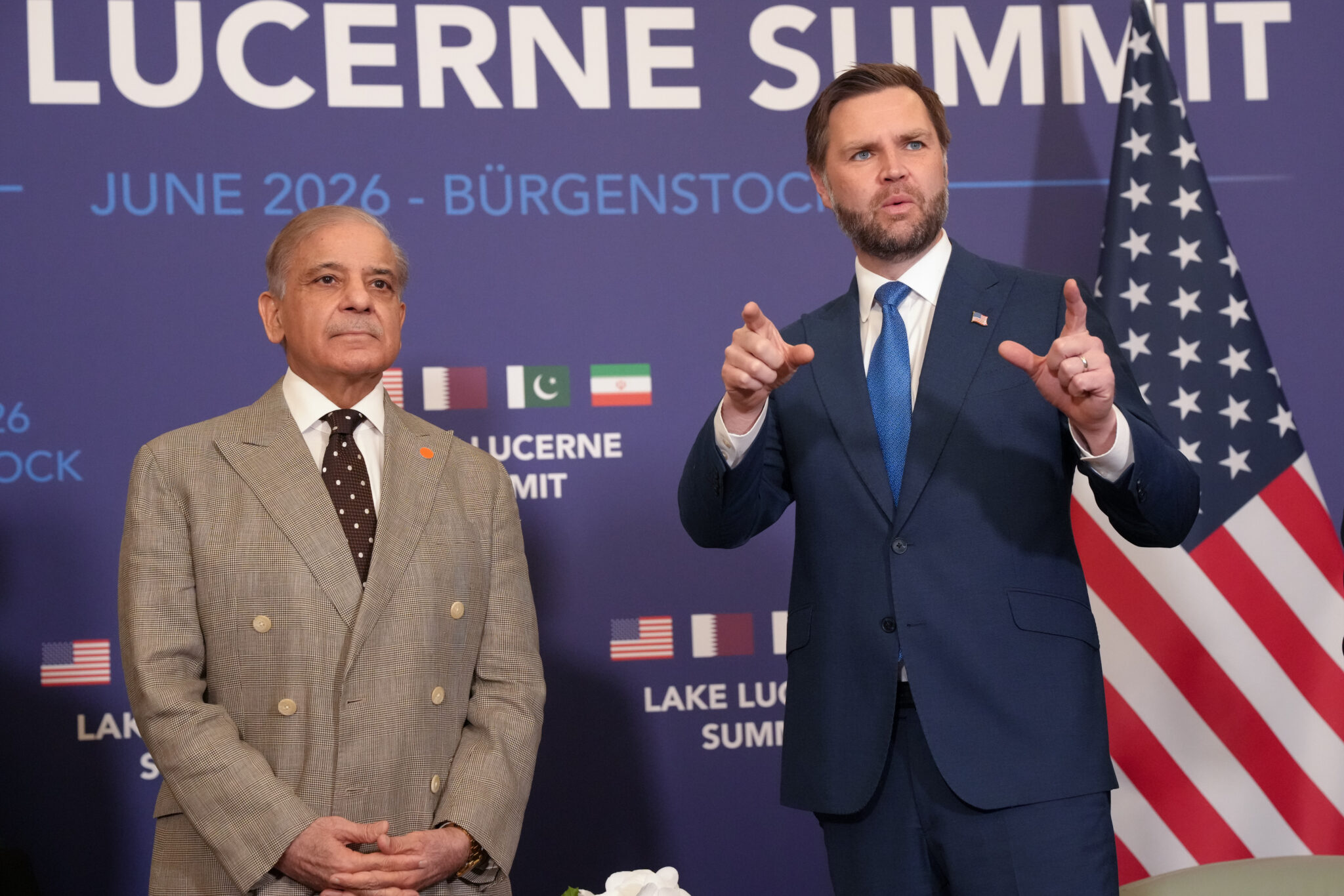
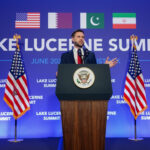
Vance Says Iran Agrees to Allow UN Nuclear Inspectors Back/ Newslooks/ WASHINGTON/ J. Mansour/ Morning Edition/ Vice President JD Vance announced that Iran has agreed to allow U.N. nuclear inspectors back into the country. U.S. and Iranian negotiators made progress during marathon talks in Switzerland aimed at securing a long-term nuclear agreement. Technical negotiations will continue this week as both sides work toward a final deal within 60 days.
Iran Nuclear Talks Quick Looks
- Iran reportedly agreed to invite International Atomic Energy Agency inspectors back into the country.
- The move follows extensive U.S.-Iran negotiations in Switzerland.
- The last IAEA inspection visit occurred before the outbreak of war in June 2025.
- Talks resulted in agreements on nuclear oversight, sanctions discussions and regional security mechanisms.
- Negotiators established communication channels focused on the Strait of Hormuz and Lebanon.
- Technical teams will continue discussions this week.
- A final agreement remains uncertain despite reported progress.
Deep Look
Iran Agrees to Reopen Door to UN Nuclear Inspectors
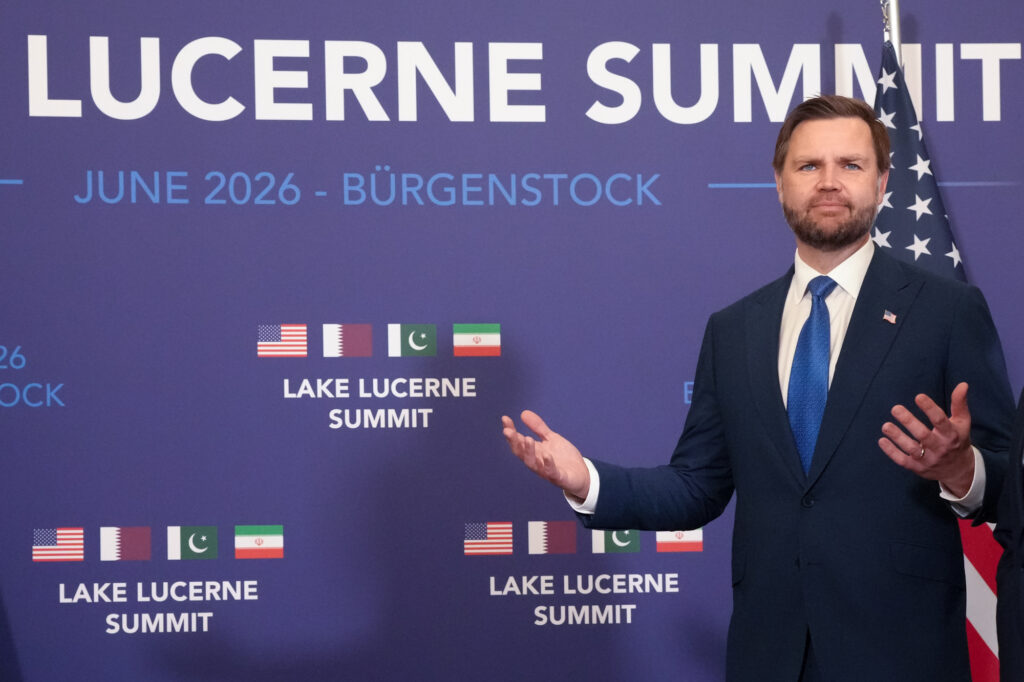
Iran has agreed to allow inspectors from the International Atomic Energy Agency (IAEA) back into the country, according to Vice President JD Vance, marking a significant development in ongoing negotiations aimed at permanently ending the conflict between the United States and Iran.
The announcement came after an intensive first round of nuclear negotiations held in Switzerland, where American and Iranian officials spent more than 18 hours discussing a framework for a broader agreement.
The United States had sought an Iranian commitment to permit international inspections of key nuclear facilities, many of which were damaged during military operations conducted by the United States and Israel. According to Vance, coordination between Iran, the United States and the IAEA could begin immediately.
“It’s a major milestone and a first step in permanently ending a nuclear weapons program in Iran.”
Iranian officials have not yet publicly confirmed the inspection arrangement or clarified what level of access inspectors would receive.
Marathon Talks Produce Early Progress
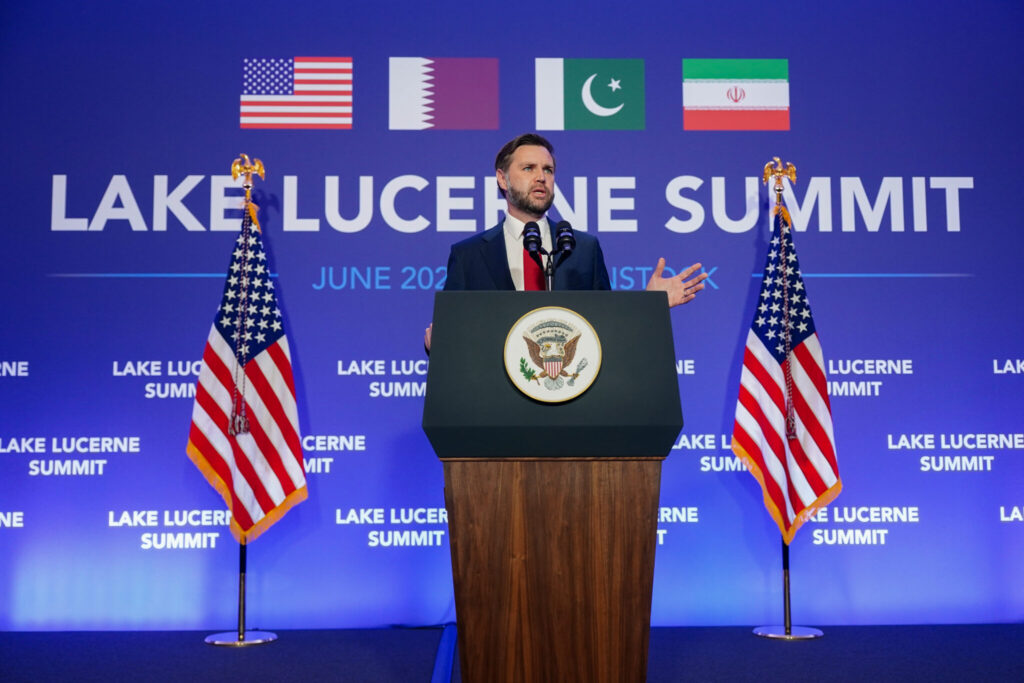
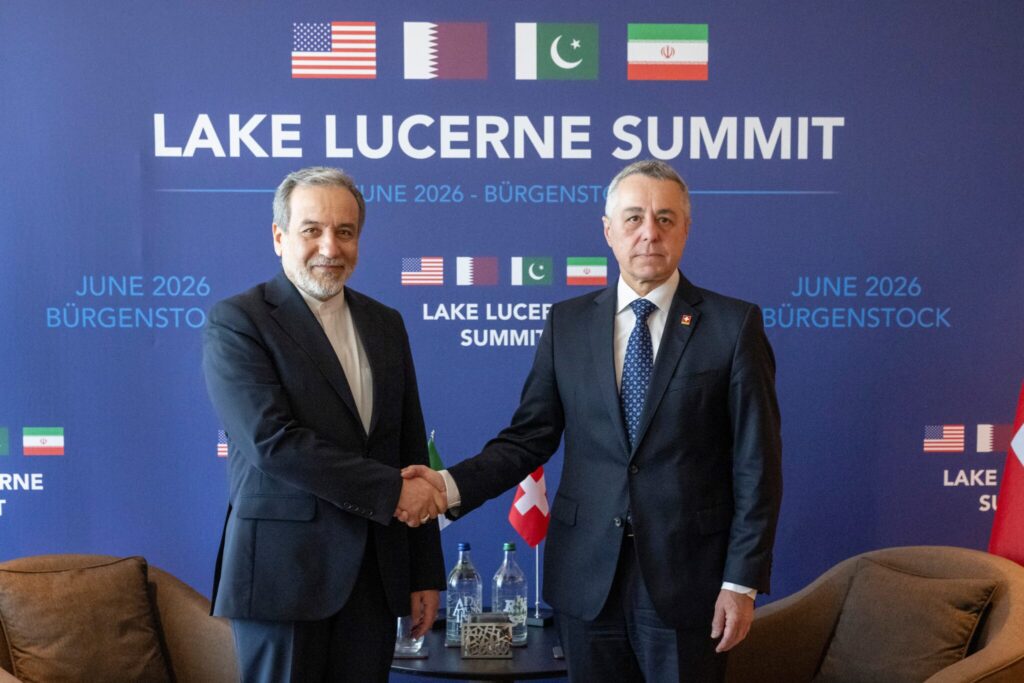
The negotiations, hosted at the Bürgenstock resort in Switzerland and mediated by Qatar and Pakistan, represented the most substantial diplomatic engagement between Washington and Tehran since the signing of the recent memorandum of understanding that halted active hostilities.
At the conclusion of the talks, participating countries released a joint statement outlining several areas of progress.
Among the key outcomes:
- Creation of a high-level oversight committee for negotiations.
- Establishment of specialized working groups on nuclear issues, sanctions and dispute resolution.
- Agreement on a roadmap targeting a final deal within 60 days.
- Formation of security communication mechanisms to prevent incidents in the Strait of Hormuz.
- Coordination efforts designed to support the ceasefire in Lebanon.
The developments signal that both sides are attempting to move beyond temporary arrangements and toward a more comprehensive framework addressing nuclear concerns and regional stability.
Frozen Iranian Assets Become Part of Negotiations
One of the most sensitive topics discussed involved Iran’s frozen financial assets.
Iranian Foreign Minister Abbas Araghchi stated that discussions included the release of some Iranian funds currently restricted under international sanctions.
Vance acknowledged that no funds have yet been released but said negotiators have developed a mechanism governing how those resources could eventually be used.
According to Vance, the proposed framework would direct portions of any accessible funds toward purchases that benefit ordinary Iranians, including agricultural imports from the United States.
“We are not imposing a deal on the region. It’s a deal the region asked us to put in place.”
The arrangement reportedly includes agreements involving Qatar, which would play a role in overseeing the use of certain Iranian assets.
Meanwhile, the U.S. Treasury Department has already issued sanctions waivers allowing Iran to sell oil more freely under provisions outlined in the broader memorandum of understanding.
Trump’s Comments Nearly Disrupt Negotiations
Despite progress at the negotiating table, talks encountered tension after public comments from President Donald Trump.
According to Vance, Iranian negotiators expressed frustration over statements Trump made on social media, including warnings directed at Tehran and threats related to ongoing regional conflicts.
Iranian state media reported that negotiations were temporarily paused following what it described as offensive remarks by the American president.
Vance acknowledged the friction but downplayed its significance.
“We told the Iranians yesterday. ‘When you guys engage in what we millennials call trash talk, you can’t expect the president of the U.S. not to respond and not to correct the record.’ … So yes, there was a little bit of threatening and a little bit of whining but at the end of the day the talks continued and we made great progress.”
Despite the disagreement, both sides remained engaged and negotiations continued through the night.
Regional Security Remains a Central Issue
The negotiations extended well beyond nuclear matters.
A major focus involved regional security concerns, particularly the Strait of Hormuz and the fragile ceasefire in Lebanon.
The parties agreed to establish a dedicated communication line focused on maritime safety in the Strait of Hormuz. The mechanism is intended to prevent misunderstandings and ensure safe commercial navigation while negotiations continue.
In addition, negotiators created a multinational deconfliction mechanism involving Lebanon and the mediating countries to help maintain the ceasefire between Israel and Hezbollah.
Vance emphasized that regional coordination played a significant role throughout the talks.
He noted that U.S. officials remained in constant contact with regional allies, including Israel, Saudi Arabia, the United Arab Emirates and Lebanon during the negotiations.
Significant Challenges Still Ahead
While both sides describe the talks as productive, officials acknowledge that a final agreement remains far from guaranteed.
Even reaching the current memorandum of understanding required extensive diplomatic effort and multiple delays linked to fighting in Lebanon and broader regional tensions.
Technical teams from both countries will remain in Switzerland this week to continue discussions on nuclear safeguards, sanctions relief and implementation mechanisms.
The success of those negotiations may ultimately determine whether the current diplomatic opening develops into a lasting agreement or becomes another missed opportunity in the long-running dispute over Iran’s nuclear program.
For now, the reported agreement on international inspections represents one of the most concrete signs of progress since negotiations began.





You must Register or Login to post a comment.