

Trump Administration Grants 60-Day Iran Oil License, Eases Restrictions/ Newslooks/ WASHINGTON/ J. Mansour/ Morning Edioion/ The Trump administration has temporarily eased restrictions on Iranian oil exports following progress in negotiations with Iran. Treasury Secretary Scott Bessent announced a 60-day license allowing Iranian oil production and sales while talks continue. Vice President JD Vance said any future release of frozen Iranian assets would be tightly controlled and used to purchase American agricultural products.
US-Iran Oil Talks Quick Looks
- Treasury authorizes a temporary 60-day license for Iranian oil sales.
- License remains effective through August 21.
- Move follows progress in U.S.-Iran negotiations in Switzerland.
- Iran has committed to allowing IAEA inspectors back into the country.
- Tehran also pledged support for free navigation through the Strait of Hormuz.
- Restrictions remain on buyers in North Korea, Cuba and Crimea.
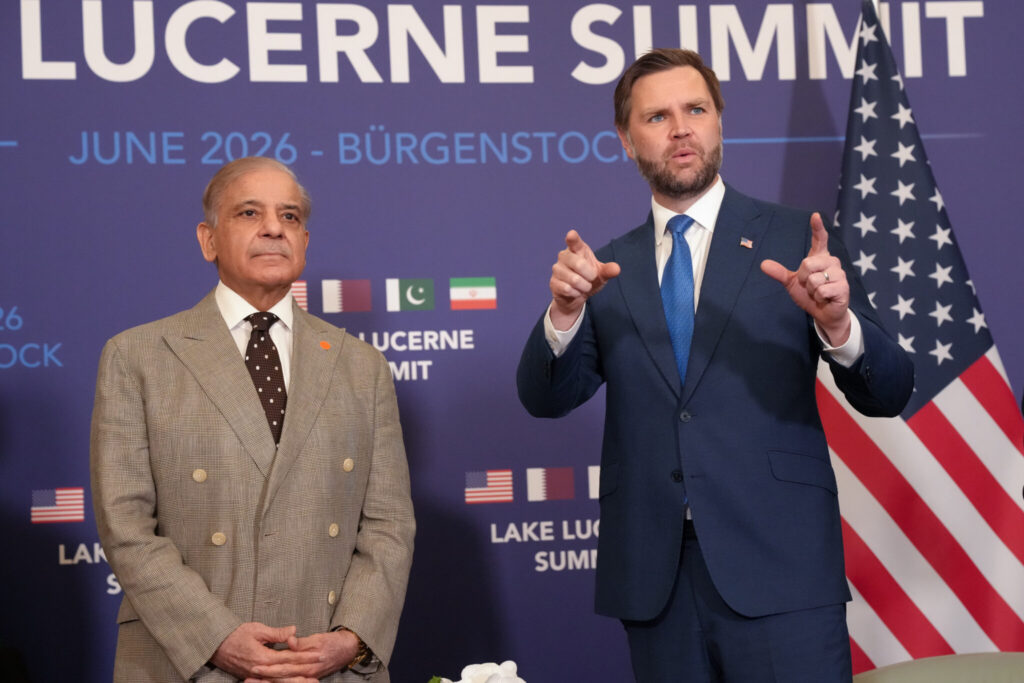
- JD Vance says frozen Iranian funds would be directed toward U.S. agricultural purchases.
- Qatar and the United States would oversee any approved asset releases.
- Technical negotiations are expected to continue in Switzerland.
- Both sides are working toward a broader peace and nuclear agreement.
Deep Look
Trump Administration Temporarily Relaxes Iran Oil Restrictions
The Trump administration has taken a significant step toward advancing negotiations with Iran by temporarily easing restrictions on the country’s oil sector.
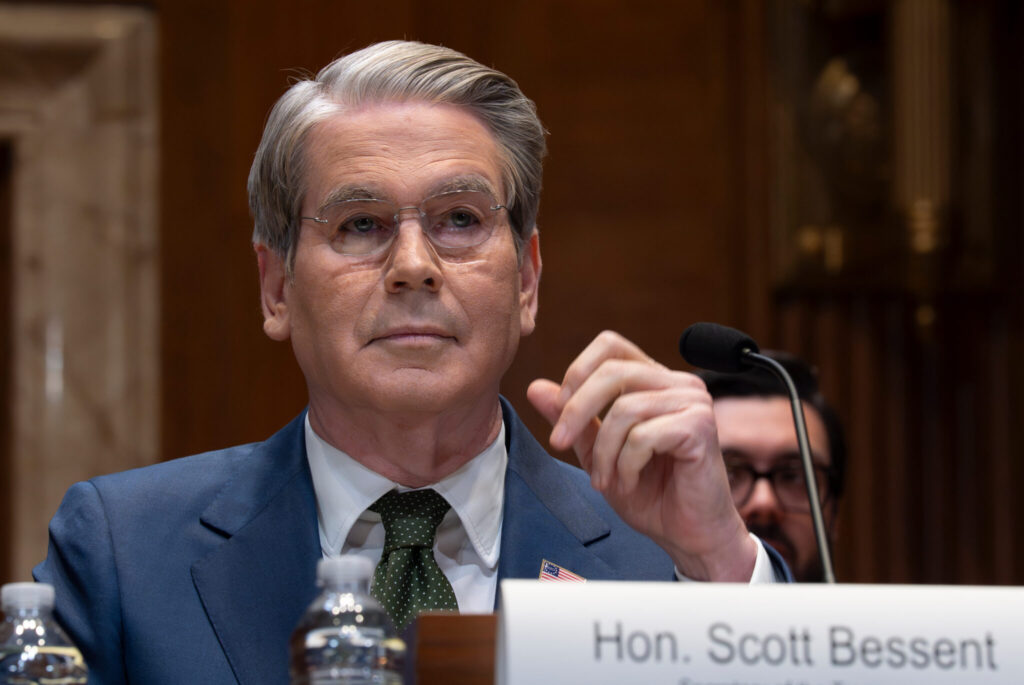
Treasury Secretary Scott Bessent announced Monday that the United States has issued a temporary 60-day general license authorizing the production, delivery and sale of Iranian crude oil, petroleum products and petrochemicals.
The move comes as Washington and Tehran continue negotiations aimed at reaching a broader peace agreement and establishing a framework for addressing concerns surrounding Iran’s nuclear program.
The temporary authorization will remain in place through Aug. 21 and represents one of the most significant sanctions adjustments since the United States and Iran began their latest round of diplomacy.
Progress in Switzerland Helps Drive Decision
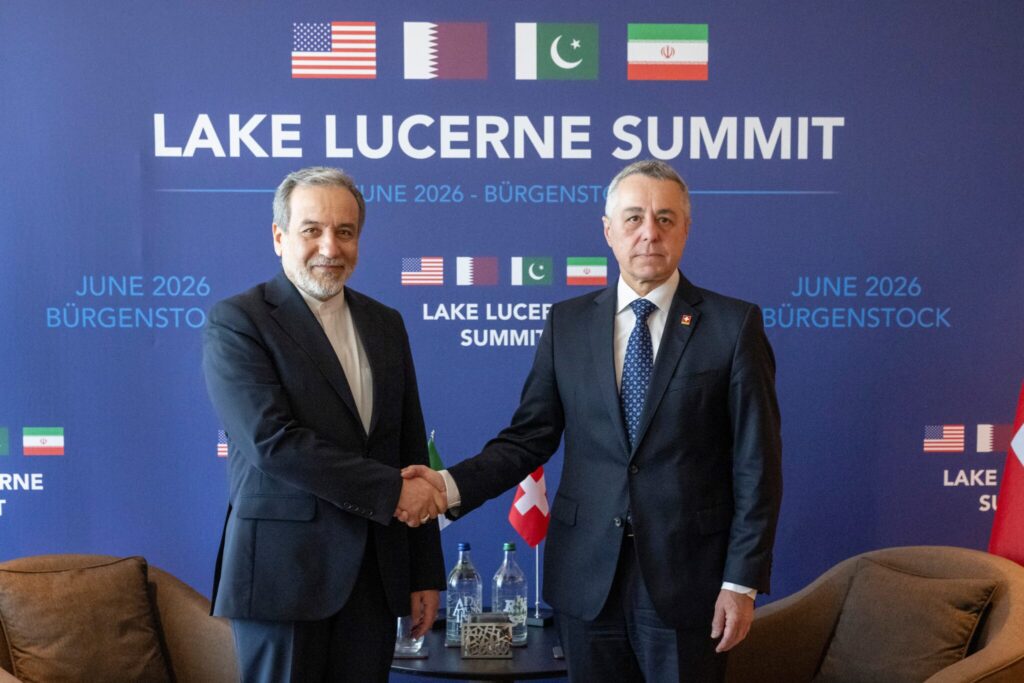
Administration officials tied the decision directly to progress achieved during high-level negotiations held in Switzerland.
The talks focused on several major issues, including maritime security, nuclear inspections and regional stability.
“In line with the ongoing productive talks in Switzerland, Iran has committed to free and open transit in the Strait of Hormuz and to permit International Atomic Energy Agency (IAEA) inspectors into their country,” Bessent wrote on X.
“As part of the framework, Treasury has issued a temporary 60-day general license authorizing the production, delivery, and sale of Iranian oil,” he continued.
The Strait of Hormuz remains one of the world’s most strategically important shipping routes, handling a substantial portion of global oil and natural gas exports.
Concerns about disruptions in the waterway have weighed heavily on global energy markets since the outbreak of conflict earlier this year.
Restrictions Still Apply
While the new license offers temporary relief, the authorization includes important limitations.
According to Treasury guidance, Iranian oil cannot be purchased or financially benefit entities located in North Korea, Cuba or the Crimea region of Ukraine.
The restrictions reflect Washington’s continued effort to maintain pressure on sanctioned governments while allowing limited economic engagement as negotiations proceed.
Officials emphasized that the license is temporary and linked to ongoing diplomatic progress.
Future extensions or modifications will likely depend on developments in the negotiations over the coming weeks.
Vance Highlights Strait of Hormuz Agreement
Vice President JD Vance, who participated in the negotiations in Switzerland, said one of the most important outcomes of the discussions was the establishment of mechanisms designed to keep the Strait of Hormuz open.
The agreement aims to prevent misunderstandings and maritime incidents from escalating into broader regional conflicts.
According to Vance, maintaining uninterrupted commercial shipping remains a key objective for both parties as they work toward a more comprehensive agreement.
The administration views stability in the Strait as essential for global energy markets and international trade.
Debate Over Frozen Iranian Assets
Vance also addressed growing speculation about the possibility of releasing frozen Iranian assets as part of a future agreement.
Speaking to reporters after the talks, he argued that reports circulating online had mischaracterized the proposal under discussion.
According to Vance, any future release of Iranian funds would be subject to strict oversight from both the United States and Qatar.
“If there is any frozen Iranian assets that are unfrozen, then we have approval over that process, the Qataris have approval over that process,” Vance said. “The money would actually go to buy American soy, American corn and American wheat for the benefit of the Iranian people.”
Administration officials say the proposed framework is designed to prevent funds from being redirected toward military activities, terrorism or regional proxy groups.
Instead, the money would be used exclusively for humanitarian and economic purposes benefiting ordinary Iranian citizens.
Support for American Farmers
Vance portrayed the arrangement as beneficial for both American agriculture and the Iranian population.
The vice president credited senior negotiators, including Jared Kushner and Qatari officials, with developing the proposal.
He emphasized that the structure would create new demand for American farm products while ensuring transparency over how any released funds are spent.
“Fundamentally, what Jared [Kushner] and the Qataris and the entire team here in Bürgenstock accomplished is, to me, a classic Trump deal,” Vance said. “If Iranian assets are ever unfrozen, they’re going to go to make American farmers richer and to feed the Iranian people.”
“That’s a very, very good and very classic Trump deal,” he added. “That’s great for our people, great for the people of Iran.”
Next Phase of Negotiations
Although negotiators described recent discussions as productive, substantial work remains before a final agreement can be reached.
Technical teams are expected to continue meeting in Switzerland in the coming days as both sides attempt to resolve complex issues involving sanctions relief, nuclear oversight, regional security and economic cooperation.
The temporary oil license provides a window for diplomacy to continue while offering an early indication that both Washington and Tehran may be willing to make limited concessions in pursuit of a broader settlement.
Whether those efforts ultimately result in a lasting agreement remains uncertain, but officials on both sides have signaled a desire to keep negotiations moving forward.





You must Register or Login to post a comment.