

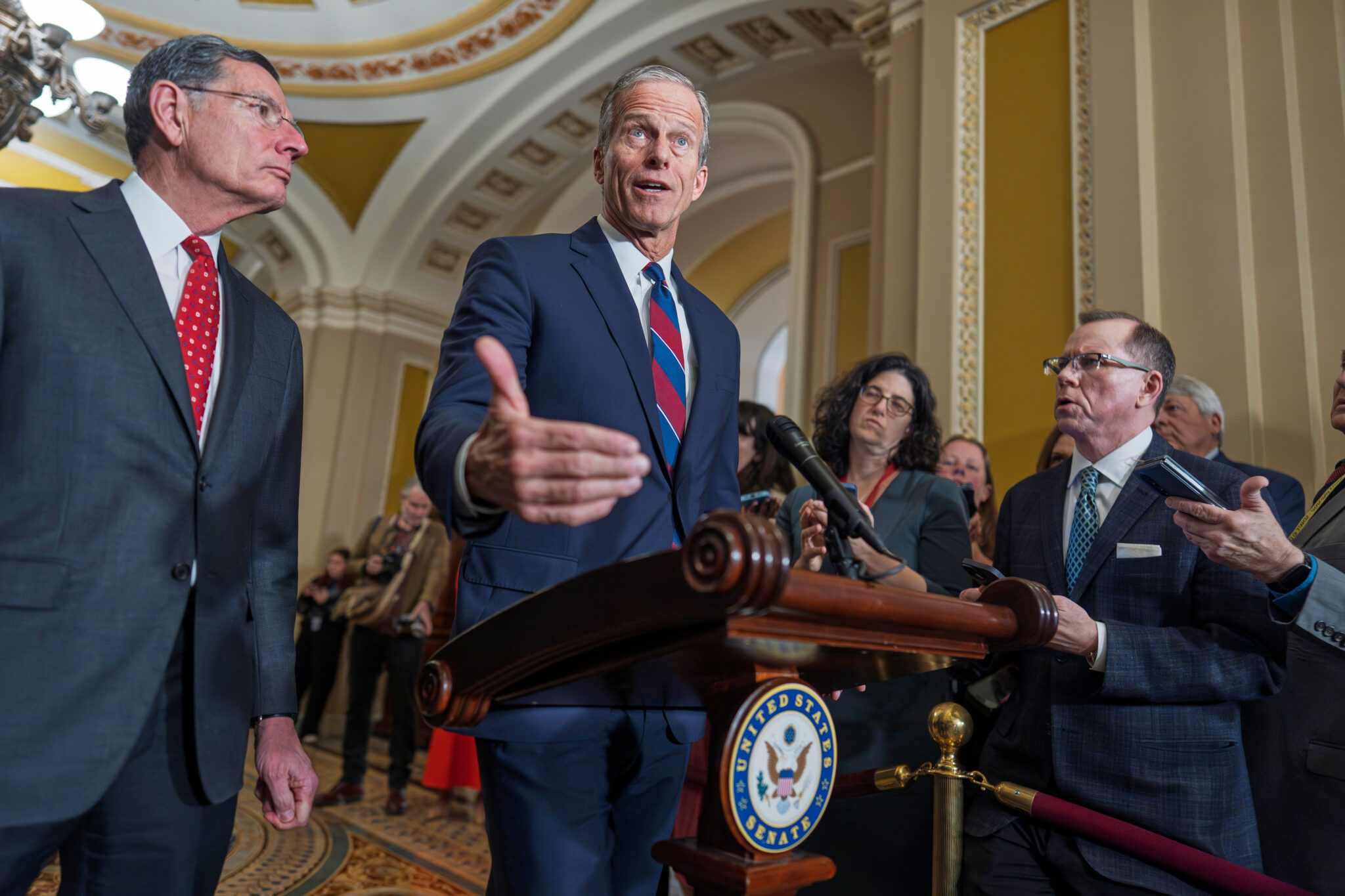
Senate Passes Bipartisan Housing Bill to Boost Supply, Lower Home Prices/ Newslooks/ WASHINGTON/ J. Mansour/ Morning Edition/ The Senate overwhelmingly passed a bipartisan housing bill designed to increase housing supply and reduce costs. The legislation includes restrictions on corporate purchases of single-family homes and incentives for local housing development. The measure now heads to the House and could become one of the most significant housing reforms in decades.


Bipartisan Housing Bill Quick Looks
- Senate passes housing legislation in an 85-5 vote.
- Bill aims to increase housing supply and reduce home prices.
- Corporate investors would be barred from purchasing single-family homes.
- Local governments would receive incentives to accelerate housing construction.
- Environmental review and development processes would be streamlined.
- Affordable housing financing opportunities would expand.
- Manufactured housing provisions seek to improve affordability.
- Section 8 rehabilitation funding would increase.
- Disaster recovery funding receives a three-year authorization.
- Legislation now moves to the House for final consideration.
Deep Look
Senate Advances Landmark Housing Reform Package
The U.S. Senate has approved a sweeping bipartisan housing bill aimed at tackling one of the nation’s most pressing affordability challenges by increasing housing supply, reducing regulatory barriers and lowering costs for homebuyers and renters.
The legislation passed with overwhelming bipartisan support in an 85-5 vote and now heads to the House of Representatives, where lawmakers are expected to consider final passage later this week.
The bill represents one of the most comprehensive federal housing initiatives in decades as policymakers attempt to address rising home prices, limited housing inventory and affordability concerns that continue to impact millions of Americans.
Years of Negotiations Lead to Rare Bipartisan Success
The legislation emerged after years of negotiations between lawmakers from both parties and has become a rare example of bipartisan cooperation during a period of intense political division.
Senate Banking Committee Chairman Tim Scott praised the measure, describing it as the result of extensive efforts to address housing challenges across the country.
The bill was designed to “lower costs, expand housing supply, cut red tape, protect taxpayers, and help more Americans achieve the dream of homeownership,” Scott said.
Democratic leaders also celebrated the measure as a significant federal response to housing affordability concerns.
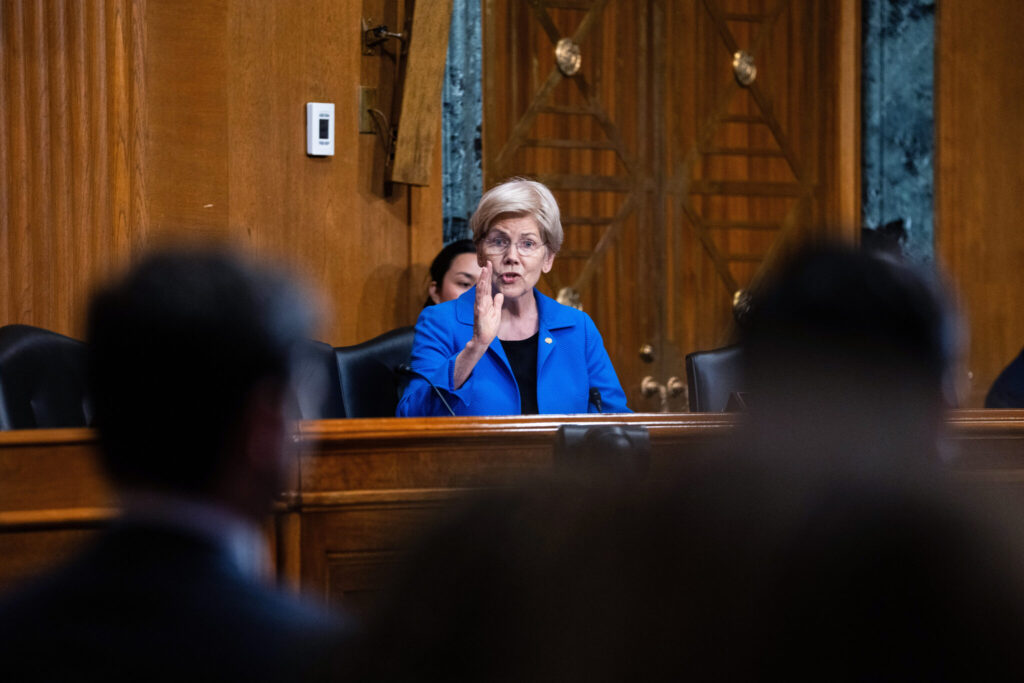
Massachusetts Sen. Elizabeth Warren described the legislation as the most substantial housing package Congress has approved in decades.
The bill “acknowledges that the federal government has a role to play in lowering housing prices,” Warren said. “For the first time ever, private equity will be blocked from buying up single-family homes and trying to turn housing into one more Wall Street investment.”
Corporate Home Buying Restrictions Included
One of the bill’s most notable provisions would prohibit corporate investors from purchasing single-family homes.
Earlier versions of the legislation included a Senate-backed requirement forcing investors to sell newly built homes within seven years, but negotiators removed that provision during final discussions.
Supporters argue that limiting large-scale investor activity could help make more homes available to individual buyers and families.
Addressing America’s Housing Shortage
The legislation comes as lawmakers confront mounting evidence of a nationwide housing shortage.
According to findings cited during debate, the United States faces an estimated deficit of approximately 10 million homes.
At the same time, affordability challenges continue to weigh heavily on both homeowners and renters.
Existing home sales have remained sluggish since mortgage rates began climbing in 2022, with annual sales volumes well below historical averages.
A recent housing study found that sales activity remains near multi-decade lows while housing costs continue to place pressure on households.
Although rental prices have eased somewhat in recent years, average rents remain significantly higher than they were before the pandemic.
Incentives for Local Housing Development
A major focus of the legislation is encouraging communities to build more housing.
The bill would provide funding incentives for local governments that exceed median homebuilding rates through Community Development Block Grant programs.
Additional funding would help communities redevelop abandoned infrastructure and transform unused properties into housing developments.
The legislation also creates a framework encouraging municipalities to modernize outdated zoning regulations that often limit density and restrict new construction projects.
Supporters believe these changes could accelerate housing development while giving local governments greater flexibility to meet housing needs.
Faster Construction Through Regulatory Changes
The measure seeks to reduce delays associated with housing construction by streamlining environmental reviews and simplifying certain permitting processes.
Backers argue that excessive regulatory requirements have contributed to rising costs and lengthy development timelines.
By reducing administrative obstacles, lawmakers hope builders can bring more housing units to market faster and at lower costs.
Expanded Affordable Housing Financing
The bill contains several provisions designed to increase investment in affordable housing.
Financial institutions would gain greater flexibility to invest in affordable housing projects, potentially unlocking additional capital for development.
The legislation also raises limits on public housing units eligible for private financing through Section 8 rehabilitation programs.
These changes are intended to support the renovation and preservation of aging housing stock while expanding affordable housing opportunities.
Manufactured Housing Receives Major Boost
Manufactured housing plays a prominent role in the legislation’s affordability strategy.
The bill removes certain outdated restrictions and expands access to federal financing for manufactured homes, which are often among the most affordable housing options available.
“Manufactured housing produces some of the most cost-effective housing in America, but access to financing has been tightly restricted,” Warren said. “This creates the opportunity for more manufactured housing and, at the same time, creates a structure for people living in manufactured housing communities to organize and protect their investment in their homes.”
Disaster Recovery Provision Reworked
One of the more contentious elements of the legislation involved federal disaster recovery funding.
The Senate initially proposed permanently authorizing disaster recovery block grants to eliminate the need for repeated congressional approvals following major disasters.
However, House lawmakers raised concerns about program oversight and administration.
As part of the final compromise, negotiators agreed to a three-year authorization instead of permanent approval.
Broad Support Across the Housing Industry
The legislation has attracted support from a diverse range of housing organizations, including groups representing landlords, developers, affordable housing advocates and tenant organizations.
Many industry leaders view the bill as a meaningful step toward addressing longstanding housing shortages and affordability challenges.
David Dworkin, chief executive of the National Housing Conference, acknowledged that no single measure can solve the housing crisis but praised the legislation’s scope.
“There is no magic wand that will fix this crisis overnight, and no single piece of legislation is perfect,” Dworkin said.
“Compromise demands that. But this bill is a significant down payment on a long-term effort to make housing more affordable for all Americans.”
If approved by the House and signed into law by President Donald Trump, the measure could become one of the most significant federal housing reforms enacted in more than three decades.






You must Register or Login to post a comment.