

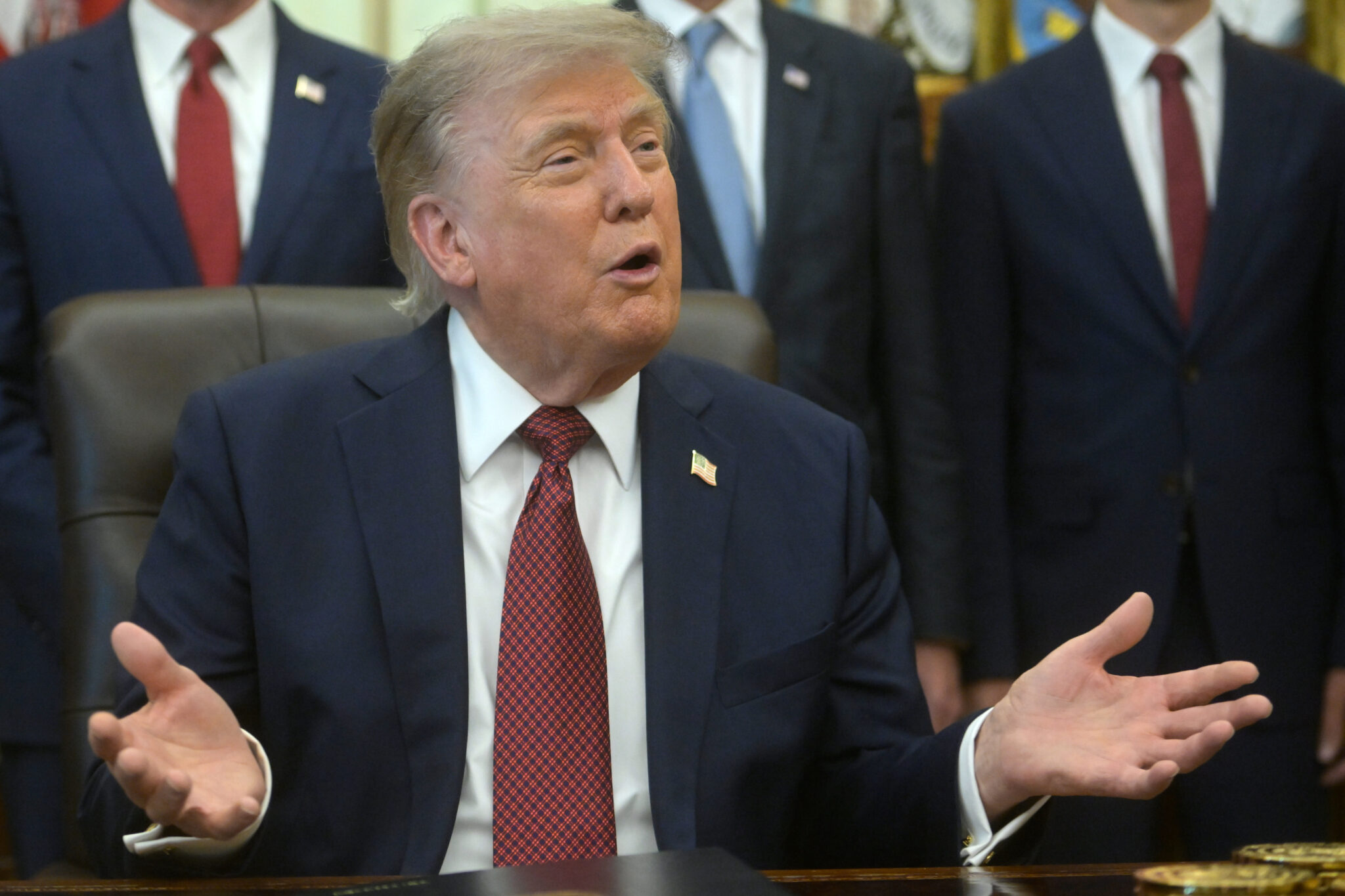
Small Businesses Sue Trump Administration Over Sweeping New Tariffs/ Newslooks/ WASHINGTON/ J. Mansour/ Two lawsuits filed by small businesses challenge the Trump administration’s new double-digit tariffs on 60 US trading partners. The companies argue that officials failed to satisfy Section 301 requirements for demonstrating unfair trade practices by each targeted economy. Legal experts say the new tariffs may be harder to overturn than previous levies because Section 301 duties have survived earlier court challenges.
Quick Look
- Two lawsuits challenge the tariffs announced Thursday.
- The duties affect 60 trading partners and 99% of US imports.
- The administration says the tariffs respond to inadequate enforcement against forced-labor imports.
- The lawsuits were filed in the US Court of International Trade.
- Plaintiffs include Learning Resources, Burlap and Barrel and Collective Horology.
- The companies say the government failed to establish a sufficient case against each economy.
- Critics allege the duties are a replacement for earlier tariffs invalidated by the Supreme Court.
- The White House did not immediately comment.
- Previous Section 301 tariffs on China survived court challenges.
- Experts say the new levies could remain in place for an extended period.
Deep Look
Small Businesses Challenge New Trump Tariffs
NEW YORK — Two groups of small businesses have filed lawsuits challenging President Donald Trump’s latest tariffs, returning the administration’s trade agenda to federal court.
The disputed tariffs impose double-digit duties on imports from 60 trading partners and cover approximately 99% of goods entering the United States.
The administration implemented the levies under Section 301 of the Trade Act of 1974. It argues that the targeted countries have failed to adequately prevent the importation of products made with forced labor.
Learning Resources Returns to Court
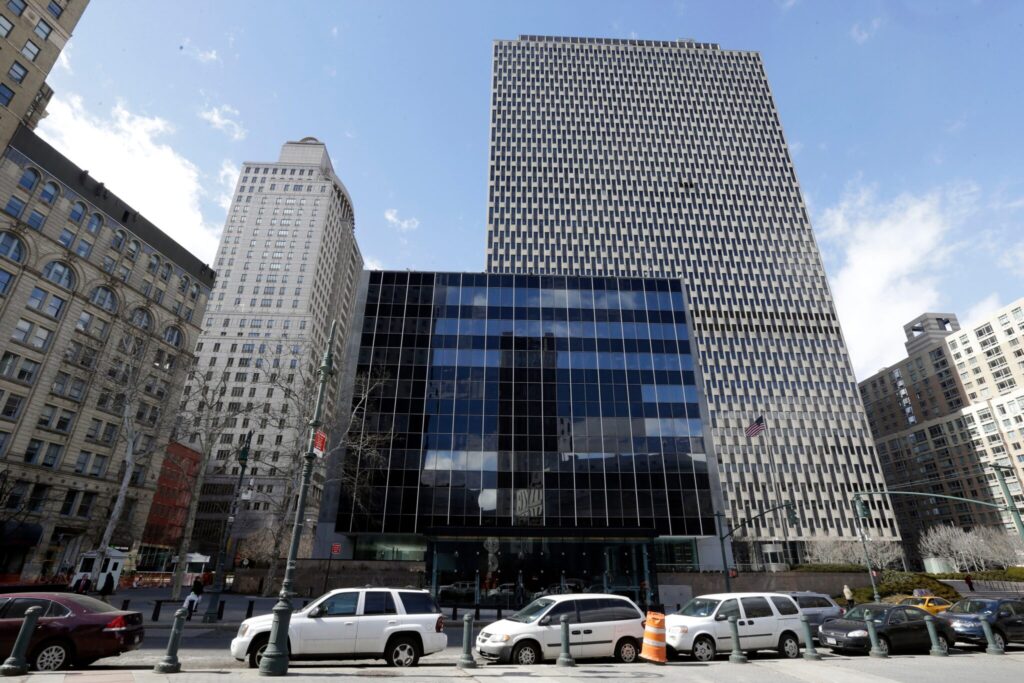
Educational toy company Learning Resources filed one of the lawsuits Friday in the US Court of International Trade alongside several other small businesses.
Learning Resources was also involved in the earlier tariff litigation that resulted in a Supreme Court victory against the administration.
The Supreme Court invalidated Trump’s worldwide tariffs in February, finding that the law used to impose them did not provide the claimed authority.
The administration subsequently introduced temporary worldwide tariffs of 10%. Those duties, imposed under Section 122, expired Friday after also facing court challenges.
Spice and Watch Companies File Second Case
The second lawsuit was filed by Burlap and Barrel, a New York-based spice business, and Collective Horology, a watch retailer headquartered in Ventura, California.
The Liberty Justice Center, a libertarian advocacy organization, represents the two companies.
Both lawsuits contend that the administration failed to adequately demonstrate violations by each individual trading partner.
They also argue that officials did not explain how the tariffs would eliminate the practices identified by the government, as Section 301 allegedly requires.
Plaintiffs Question Forced-Labor Justification
The lawsuits do not dispute the need to prevent forced labor. Instead, the businesses contend that the administration cannot use that goal to bypass statutory requirements.
“Forced labor is morally indefensible, but an important objective does not give the government permission to ignore the law,” said Sara Albrecht, chairman and CEO of the Liberty Justice Center.
“The administration allowed one global tariff to expire and immediately replaced it with another under a different statute. Changing the statute doesn’t change the law,” Albrecht added.
The administration maintains that the levies are a legitimate response to failures by trading partners to enforce prohibitions on imports made with forced labor.
The White House did not immediately respond to a request for comment.
Section 301 Could Present a Tougher Challenge
Legal experts say the latest lawsuits may face greater obstacles than the cases challenging Trump’s earlier tariffs.
Section 301 permits the United States to impose duties and other sanctions against trading partners found to engage in “unjustifiable,” “unreasonable” or “discriminatory” practices.
Trump used the same law to impose substantial tariffs on China during his first presidential term. Those duties survived legal challenges.
That history could provide the administration with a stronger statutory foundation in the current litigation.
Tariffs Could Remain for Years
Patrick Childress, a Holland & Knight partner and former US trade official, said the new duties are unlikely to disappear quickly.
Unlike the Section 122 duties that expired Friday, “these tariffs will be with us for the long haul,” Childress said.
Countries seeking relief may need to adopt the policies requested by Washington and demonstrate that they are enforcing them to the administration’s satisfaction.
“This suggests that no short-term path for country-wide relief from the new Section 301 tariffs will be available,” Childress said.
The Court of International Trade must now determine whether the administration followed Section 301’s requirements and provided an adequate legal basis for duties affecting nearly all US imports.


You must Register or Login to post a comment.