

Trump Announces Iran Agreement Ending Months of Conflict, Reopening Hormuz Strait/ Newslooks/ WASHINGTON/ J. Mansour/ Morning Edition/ The United States and Iran reached an agreement to end their war and reopen the Strait of Hormuz after months of conflict. President Donald Trump announced the end of the U.S. naval blockade, while a formal signing is scheduled in Switzerland. Major questions remain over Iran’s nuclear program, sanctions relief and regional security arrangements.
US-Iran Peace Deal Quick Looks
- The U.S. and Iran reached an agreement to end the war.
- The Strait of Hormuz is set to reopen to global shipping.
- Trump ordered an end to the U.S. naval blockade of Iranian ports.
- A formal signing ceremony is scheduled in Switzerland.
- Pakistan played a key mediating role in negotiations.
- Iran reportedly seeks sanctions relief and access to frozen assets.
- The agreement includes ending military operations, including in Lebanon.
- Israel remains outside the negotiations and has criticized the deal.
- Iran’s nuclear program remains unresolved.
- Global markets are expected to react positively to restored energy flows.
Deep Look
US-Iran Peace Deal Ends War and Opens Strait of Hormuz
Breakthrough Agreement Ends Months of Conflict
After more than three months of war that destabilized the Middle East and rattled global markets, the United States and Iran have reached an agreement aimed at ending hostilities and restoring maritime traffic through one of the world’s most critical waterways.
The agreement, announced Sunday, marks a dramatic shift in a conflict that began on Feb. 28 and threatened to expand into a broader regional war.
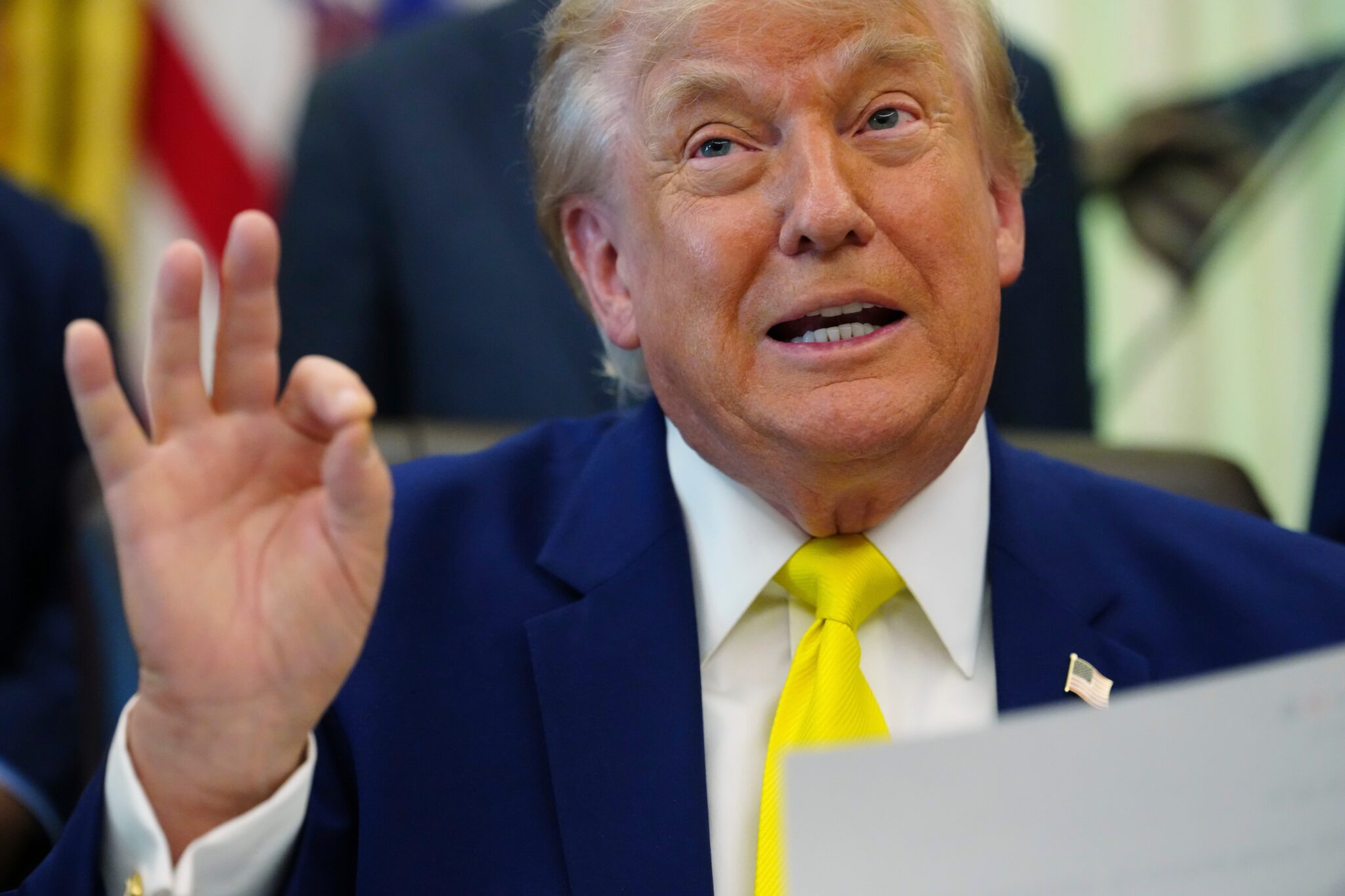
U.S. President Donald Trump confirmed the breakthrough and announced that he had ordered an end to the U.S. naval blockade of Iranian ports.
“The Deal with the Islamic Republic of Iran is now complete,” Trump wrote on Truth Social before offering “congratulations to all!”
“I hereby fully authorize the toll-free opening of the Strait of Hormuz and, simultaneously, authorize the immediate removal of the United States Naval blockade,” he said.
“Congratulations to all!” Trump wrote on social media. “Ships of the World, start your engines. Let the oil flow!”
The formal signing of the agreement is expected to take place Friday in Switzerland, though officials have yet to release the complete terms.
Trump also told the outlet the deal includes a commitment from Iran not to obtain nuclear weapons and would lead to the immediate reopening of the Strait of Hormuz.
The president said removing enriched nuclear material from Iran could come later.
“We’ll get the nuclear dust later on when we’re ready to go in and do it. I’d say over the next month or two, there’s no rush,” he said before calling the material “harmless.”
“I think they want to get it done. This has never happened to them before,” he said of the regime.
“As far as regime change, I never cared about regime change. This is the third group we’ve dealt with, and this is the most rational group yet,” Trump added.
Trump also said the deal would include inspections and that Tehran would not receive any cash as part of the deal, though sanctions could eventually be lifted.
“We’ll see how they behave,” he said on the regime in Tehran.
Vance says he’ll be at signing but Trump may also attend
Vice President JD Vance said Sunday evening that he expects to attend the official signing ceremony for the memorandum of understanding between the United States and Iran, although President Donald Trump could ultimately decide to participate as well.
“I think we’re still figuring out the logistics on who’s going to attend that signing ceremony,” Vance told Fox News in a brief, televised phone interview, “I certainly plan to be there, but it’s possible the president himself could be there.”
Security protocols traditionally discourage the president and vice president from appearing together at international events due to succession and safety concerns. As a result, final attendance arrangements for the ceremony remain under discussion.
Earlier Sunday, Pakistani Prime Minister Shehbaz Sharif — who played a central mediating role during the U.S.-Iran conflict — announced that the formal signing ceremony is scheduled to take place Friday in Geneva, Switzerland.
The anticipated event comes shortly after Trump is expected to participate in the annual G7 summit in Évian-les-Bains, France, located relatively close to Geneva.
Strait of Hormuz Reopens to Global Shipping
Among the most significant provisions of the agreement is the reopening of the Strait of Hormuz, a narrow waterway that serves as one of the world’s most important energy corridors.
Roughly a fifth of global oil shipments pass through the strait, making its closure a major threat to the world economy. Since the conflict intensified, disruptions to shipping drove up oil prices and created uncertainty across energy and commodity markets.
The reopening of the waterway is expected to ease pressure on fuel prices and improve the flow of oil, natural gas and other critical products.
The United States had previously indicated it would gradually ease restrictions on Iranian ports while allowing Tehran greater access to global energy markets.
Pakistan Emerges as a Key Mediator
Pakistan played a central role in facilitating negotiations between Washington and Tehran.
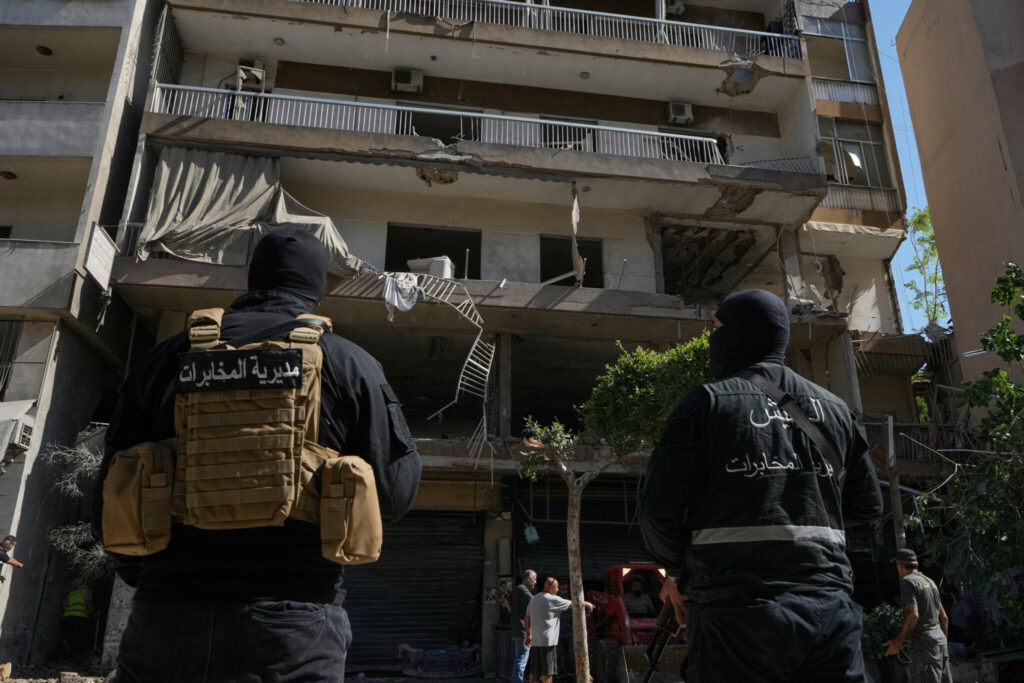
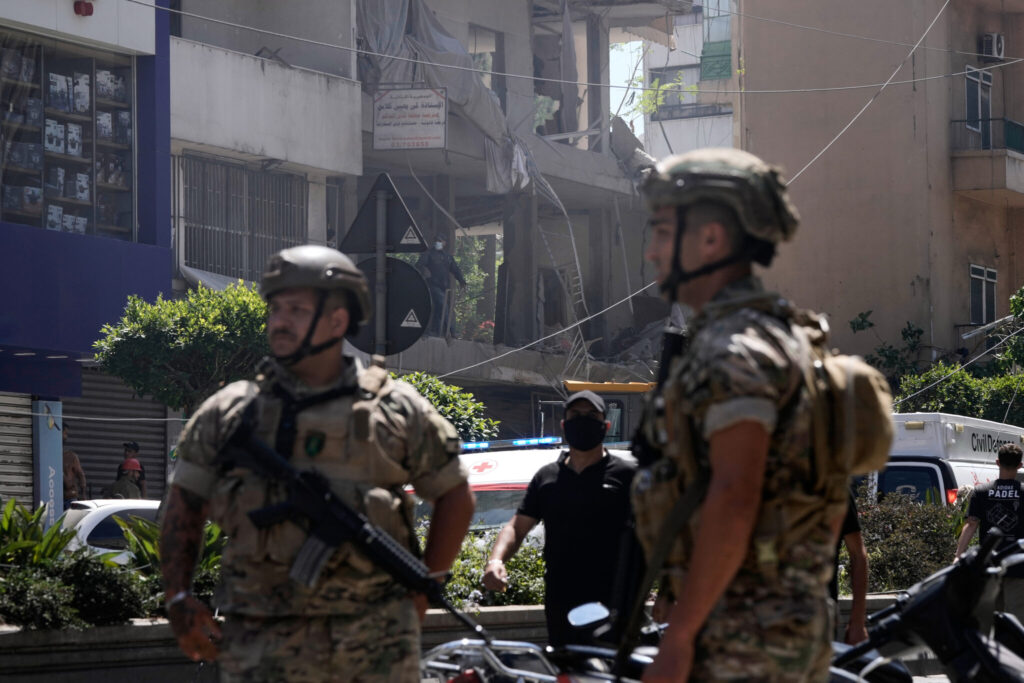
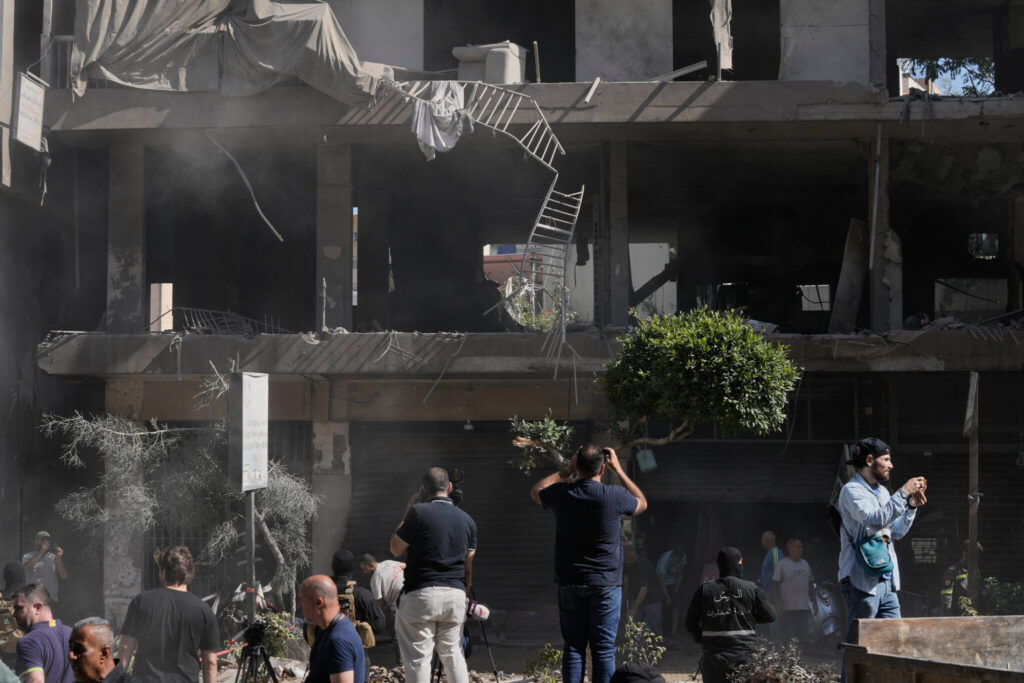
Officials in Islamabad announced that both sides had agreed to immediately terminate military operations across all fronts, including in Lebanon, where conflict involving Iran-backed Hezbollah and Israel has continued.
Pakistani Prime Minister Shehbaz Sharif announced Sunday that the United States and Iran reached a peace agreement following what he described as intensive negotiations.
“Following intensive talks, we are pleased to announce that the Peace Deal between the United States of America and Islamic Republic of Iran has been REACHED. Both sides have declared the immediate and permanent termination of military operations on all fronts, including in Lebanon,” Sharif said in a statement, adding that the official signing ceremony will take place June 19 in Switzerland.
“We would like to thank the United States of America and the Islamic Republic of Iran for their commitment to finding a diplomatic solution to the conflict,” he added.
“We would also like to extend our sincere appreciation to our brothers in this mediation effort, the great leadership of State of Qatar, for their support in reaching this agreement,” Sharif said.
Sharif also thanked the “visionary leadership of Kingdom of Saudi Arabia and Republic of Türkiye for their immense contributions in this regard.”
With the agreement now in place, Sharif said mediators will facilitate a series of meetings this week ahead of the formal signing ceremony.
“These pre-implementation discussions will lay the foundation for the technical talks and the official signing ceremony,” Sharif added.
According to Pakistan, additional meetings this week will establish the framework for technical discussions and implementation of the deal.
The diplomatic breakthrough underscores Pakistan’s growing influence in regional mediation efforts.
Iran says memo with US finalized and commitments “take effect” Friday, state media report
Iran’s deputy foreign minister for legal and international affairs said the text of a memorandum of understanding with the United States has been finalized and will be formally signed Friday in Switzerland.
“The text of the memorandum of understanding has been finalized, and the official signing of the Islamabad Memorandum of Understanding will take place in Switzerland on Friday,” Kazem Gharibabadi told state media outlets.
“Our commitments will take effect starting Friday,” Gharibabadi stressed.
“Two issues will take effect immediately starting early this morning,” local time, he explained. “1. A permanent and immediate end to the war on all fronts, including Lebanon. 2. The lifting and termination of the naval blockade that the United States had imposed against the Islamic Republic of Iran,” he added.
Gharibabadi said the memorandum of understanding was “not solely the product of diplomatic efforts,” but also what he described as Iran’s “military achievements.”
The comment came after President Donald Trump announced earlier Sunday that an agreement with Iran had been reached and that the United States would end its naval blockade on the country, describing it as the most significant development in months of negotiations.
“The Deal with the Islamic Republic of Iran is now complete. Congratulations to all!” Trump wrote in a post on Truth Social.
Nuclear Questions Remain Unresolved
Despite the agreement, the most sensitive issue remains unresolved: Iran’s nuclear program.
Iran currently possesses hundreds of kilograms of uranium enriched to levels that are technically close to weapons-grade material, according to international monitoring agencies.
Throughout negotiations, the United States sought measures that would limit or dismantle Iran’s nuclear capabilities. Iran, however, has consistently maintained that its nuclear activities are peaceful.
The fate of Iran’s enriched uranium stockpile remains unclear.
Proposals reportedly discussed during negotiations included transferring uranium to Russia, destroying it, or converting it into lower-enriched material unsuitable for weapons production.
Future technical negotiations are expected to address these issues.
Regional Tensions Persist Despite Peace Efforts
The agreement has not been universally welcomed.
Israel, which was not directly involved in the negotiations, has publicly criticized aspects of the emerging deal and remains engaged in military operations against Hezbollah in Lebanon.
Critics in the United States have also questioned whether the agreement offers stronger safeguards than the 2015 nuclear accord that Trump withdrew from during his first presidency.
Supporters, however, argue that ending the conflict prevents further regional escalation while creating space for longer-term diplomacy.
Economic Relief and Political Implications
The war had significant economic consequences far beyond the Middle East.
Energy markets experienced volatility, shipping routes were disrupted and inflationary pressures increased worldwide. Reopening the Strait of Hormuz could provide immediate relief to global trade and supply chains.
Politically, the agreement represents a major foreign policy development for the Trump administration at a time when domestic political battles and upcoming elections continue to shape U.S. decision-making.
Whether this agreement evolves into a lasting peace framework may depend on future negotiations over Iran’s nuclear program, sanctions relief and regional security guarantees.
For now, however, both sides appear to have stepped back from a conflict that many feared could engulf the region.
The coming weeks will determine whether this breakthrough becomes a durable peace or merely a temporary pause in one of the Middle East’s most consequential rivalries.




You must Register or Login to post a comment.