Trump Says China Agrees to Buy 200 Boeing Jets During Xi Summit/ Newslooks/ WASHINGTON/ J. Mansour/ Morning Edition/ President Donald Trump said China has agreed to purchase 200 Boeing aircraft with the possibility of expanding the deal to as many as 750 jets. If finalized, the agreement would mark Boeing’s first major Chinese order in nearly a decade after years of trade tensions. The potential deal emerged during Trump’s summit with Chinese leader Xi Jinping in Beijing and could become one of the largest aviation agreements in history.
Trump China Boeing Deal Quick Looks
- Trump says China agreed to buy 200 Boeing jets
- Potential order could increase to 750 aircraft
- Deal would include GE Aerospace engines
- Boeing has struggled in the Chinese market for years
- China sharply reduced Boeing purchases after trade tensions escalated
- Sources previously said 500 jets were under discussion
- A finalized order could become aviation history’s largest deal
- Boeing executives joined Trump during the Beijing summit
Deep Look
Trump Announces Massive Potential Boeing Deal With China
President Donald Trump said Friday that China has agreed to purchase 200 Boeing aircraft with the possibility of dramatically expanding the order to as many as 750 planes.
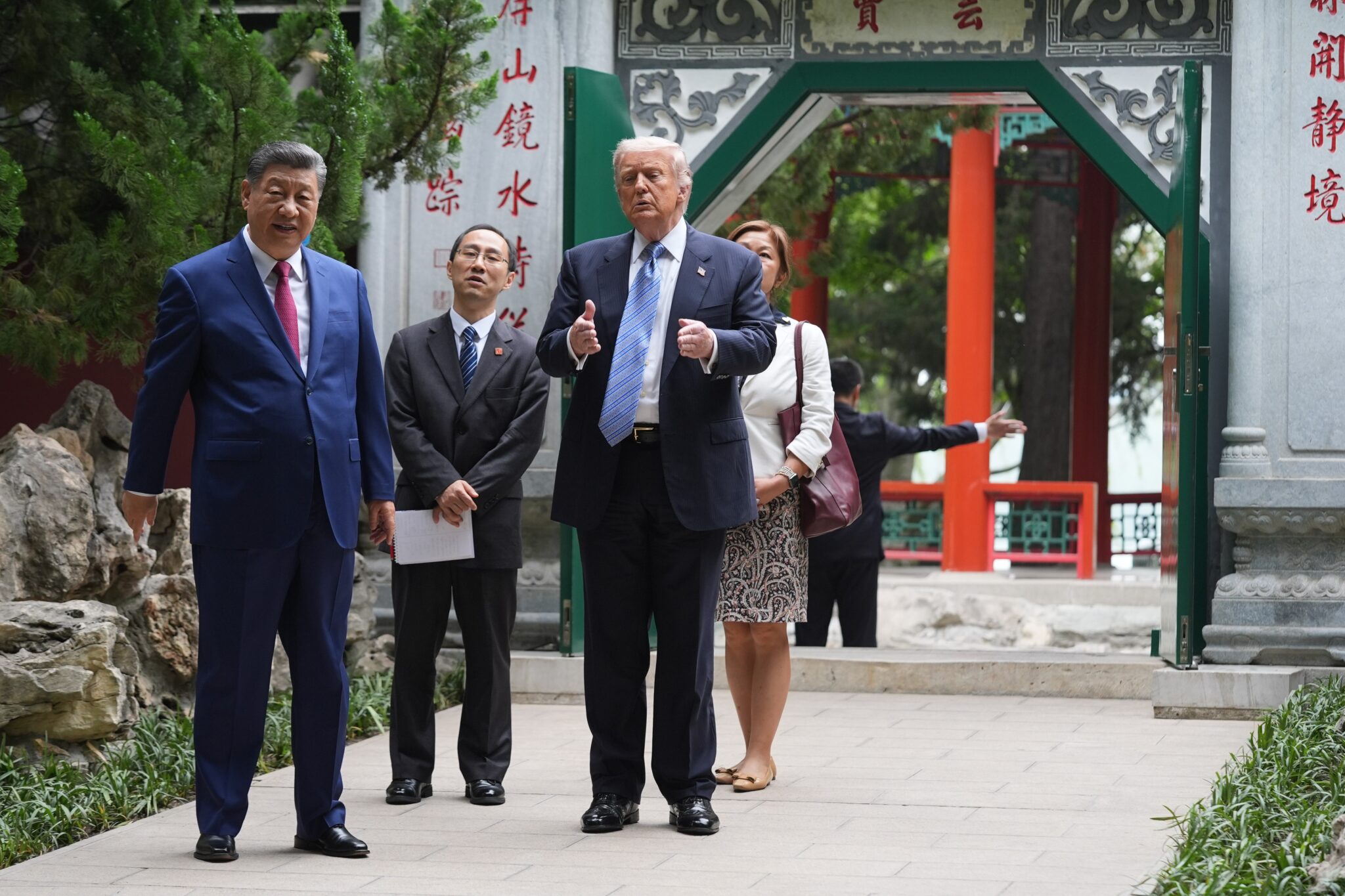
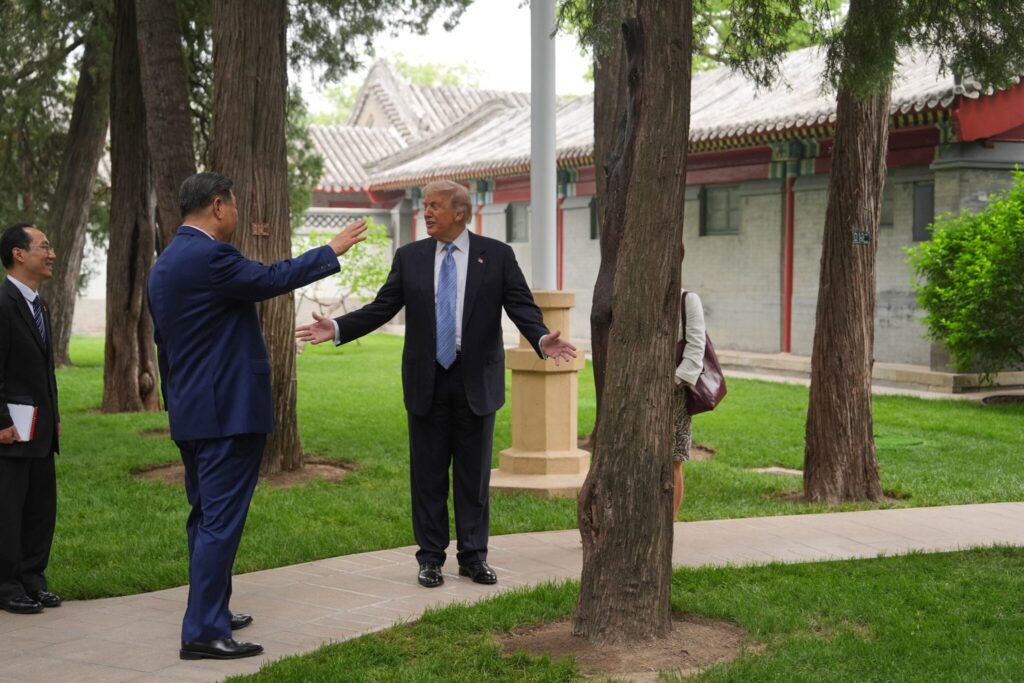
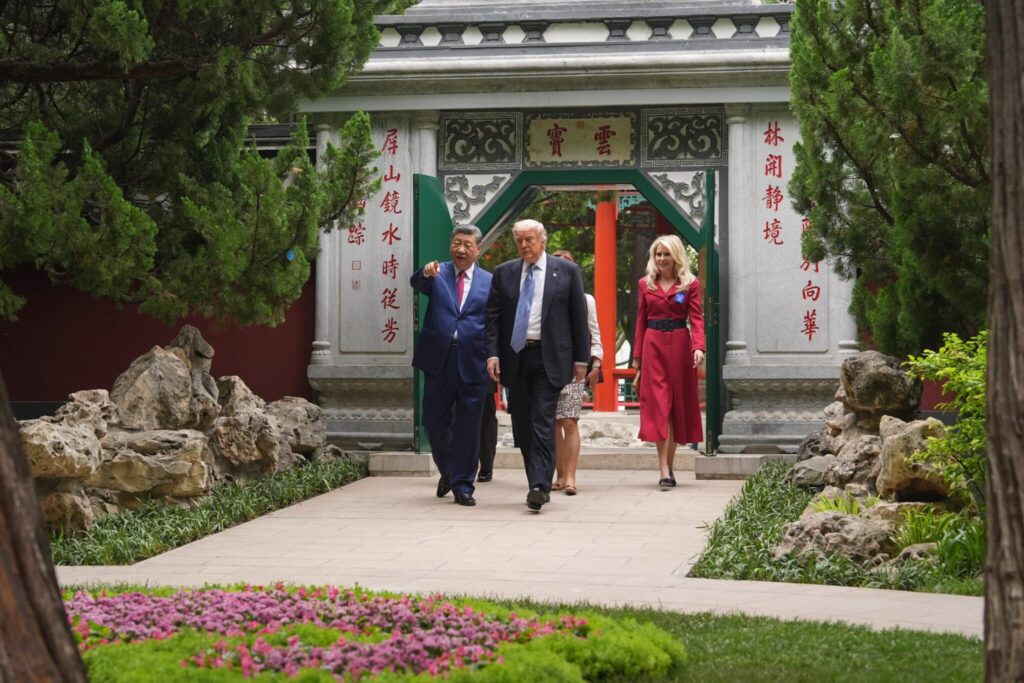
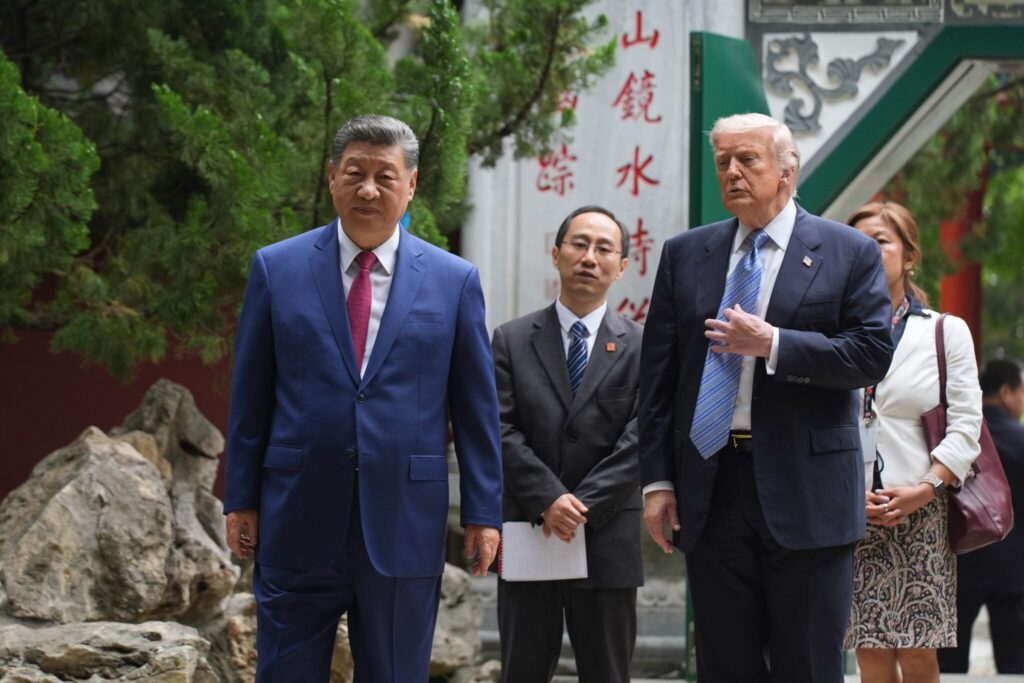
The announcement came as Trump wrapped up high-level meetings with Chinese President Xi Jinping in Beijing focused on trade, energy, and stabilizing relations between the world’s two largest economies.
“The deal includes approximately 200 planes and a promise of up to 750 if they do a good job,” Trump told reporters. Reuters reported that additional details, including aircraft models and delivery schedules, were not immediately available.
Trump also said the aircraft would use engines manufactured by GE Aerospace, adding another major American industrial company to the potential agreement.
Boeing Eyes Return to China’s Massive Aviation Market
If completed, the agreement would represent Boeing’s first major Chinese aircraft order in nearly ten years.
The American aerospace giant has largely been shut out of China’s aviation market amid worsening trade disputes between Washington and Beijing.
Before relations deteriorated, China was one of Boeing’s largest and fastest-growing customers.
From 2005 through 2017, Chinese airlines placed an average of 127 Boeing aircraft orders annually. Since trade tensions escalated, that number has collapsed to an average of just six planes per year.
The potential agreement could significantly reshape Boeing’s position in the global aviation market.
Possible Record-Breaking Aviation Deal
Industry analysts say the larger proposed order of up to 750 aircraft could become the largest commercial aviation purchase ever recorded.
That would surpass IndiGo’s massive 500-aircraft Airbus agreement, currently considered the largest deal in aviation history.
Reuters previously reported that negotiators had discussed a possible 500-plane agreement ahead of the Trump-Xi summit.
Any final agreement would likely involve China’s three major state-owned airlines splitting the purchases across multiple carriers.
Boeing Struggles Against Airbus in China
The deal would also help Boeing narrow the widening gap with European rival Airbus in the Chinese market.
Airbus has significantly expanded its position in China while Boeing faced political tensions, safety concerns, and trade barriers over recent years.
China’s domestic aviation market remains one of the most important growth opportunities globally as air travel demand continues rising rapidly.
For Beijing, securing additional aircraft capacity remains critical as China works to expand both domestic and international air travel infrastructure.
China’s COMAC Still Faces Production Challenges
The discussions also highlight ongoing limitations involving China’s homegrown aircraft manufacturer COMAC.
China has heavily promoted the COMAC C919 narrow-body jet as a domestic alternative to Boeing and Airbus aircraft.
However, Reuters reported that production levels remain below China’s ambitious targets.
That reality increases pressure on Chinese airlines to continue relying on foreign aircraft manufacturers to support long-term growth.
Boeing and GE Executives Joined Trump in Beijing
Several top American executives accompanied Trump during the Beijing summit in hopes of securing business deals and resolving ongoing disputes.
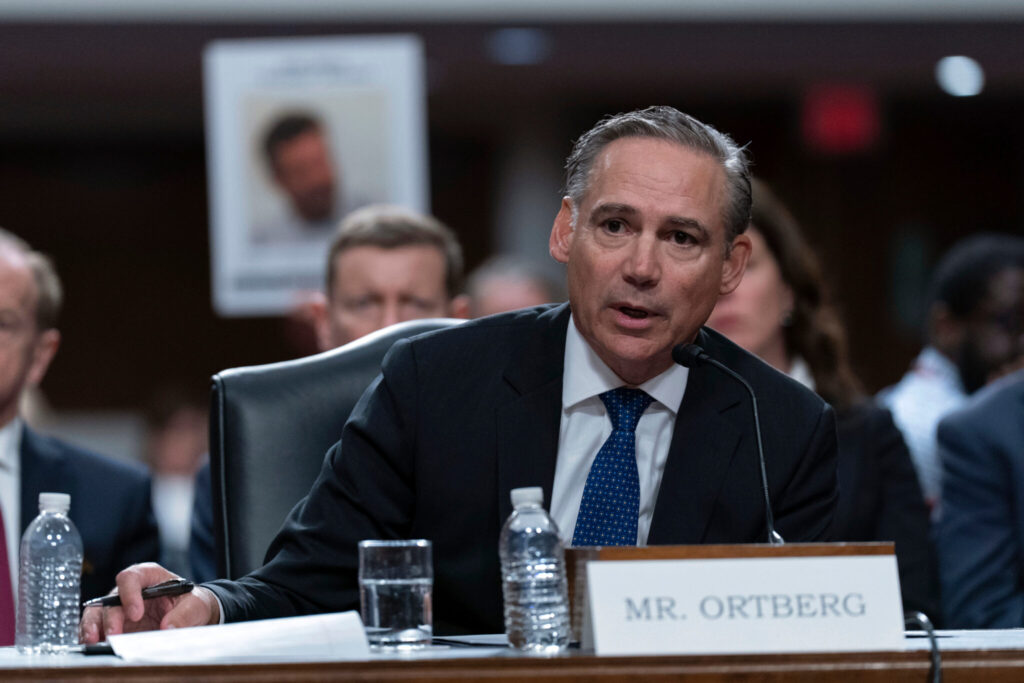
Boeing CEO Kelly Ortberg and GE Aerospace CEO Larry Culp were both part of the US delegation.
The summit included extensive discussions surrounding:
- Trade relations
- Energy cooperation
- Tariffs
- Manufacturing
- Technology competition
- Supply chains
Trump later claimed “fantastic trade deals” had been reached during the summit, though many details remain undisclosed.
Trade Deal Seen as Political Win for Trump
A large Boeing agreement would provide a major political and economic victory for Trump.
The administration has faced criticism over continuing trade deficits and economic disruption tied to tariffs and global instability resulting from the Iran conflict.
A large Chinese purchase of American aircraft could help the White House argue that Trump’s aggressive trade strategy is delivering measurable results for US manufacturing and exports.
The agreement would also support thousands of American aerospace jobs tied to Boeing’s production chain and GE Aerospace engine manufacturing.
Boeing Shares Slip Despite Announcement
Despite the potentially historic scale of the deal, Boeing shares fell modestly in premarket trading Friday.
Analysts suggested some investors may have expected an even larger confirmed order after reports that 500 aircraft had already been under active discussion before the summit.
Boeing shares had already dropped nearly 4% the previous day after Trump first publicly referenced the 200-plane figure during a Fox News interview.
Markets also remain cautious because no formal signed agreement has yet been publicly released.
Trump and Xi Continue Broader Trade Negotiations
The aircraft discussions formed part of broader negotiations between Washington and Beijing as both governments seek to stabilize relations after years of escalating tensions.
The summit also addressed:
- Taiwan disputes
- Iran conflict diplomacy
- Energy cooperation
- Semiconductor restrictions
- Artificial intelligence competition
- Global trade barriers
Trump and Xi publicly emphasized cooperation and economic stability throughout the meetings while still acknowledging major unresolved differences.