

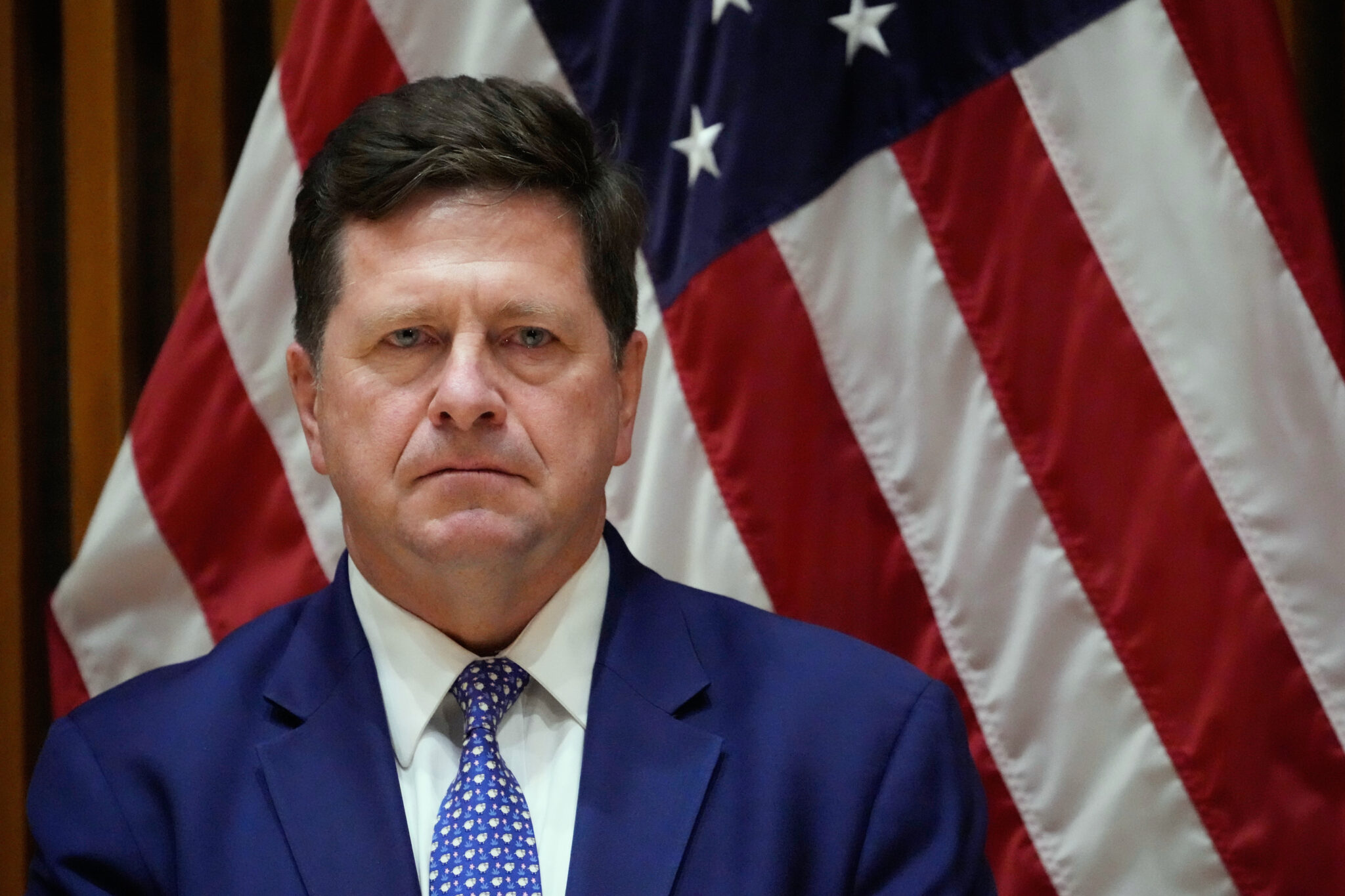
Trump to Nominate US Attorney Jay Clayton for Director of National Intelligence/ Newslooks/ WASHINGTON/ J. Mansour/ Morning Edition/ President Donald Trump announced plans to nominate Jay Clayton as director of national intelligence. The nomination comes amid mounting pressure from Congress to select a permanent replacement for former DNI Tulsi Gabbard. Clayton’s selection follows controversy surrounding Bill Pulte’s appointment as acting intelligence chief and a congressional standoff over surveillance authority renewal.
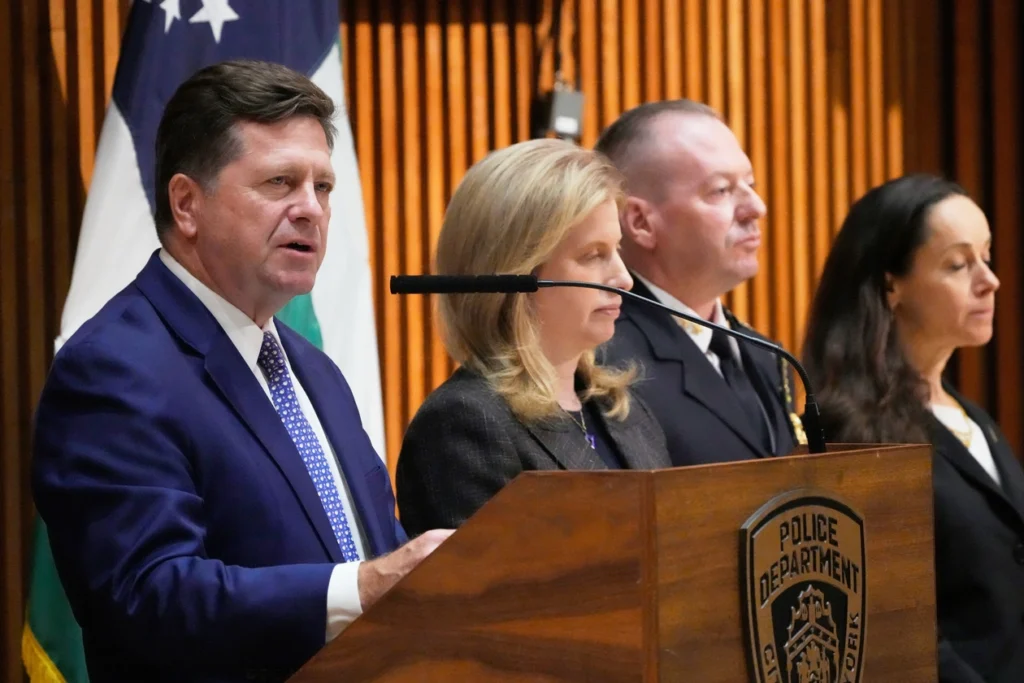
Jay Clayton DNI Nomination Quick Looks
- Trump plans to nominate Jay Clayton as DNI.
- Clayton currently serves as U.S. Attorney for the Southern District of New York.
- He previously chaired the Securities and Exchange Commission.
- The announcement follows Tulsi Gabbard’s resignation.
- Bill Pulte’s acting appointment sparked bipartisan criticism.
- Democrats demanded a permanent nominee before renewing FISA authorities.
- Congressional pressure intensified as surveillance powers near expiration.
- Trump urged the Senate to confirm Clayton quickly.
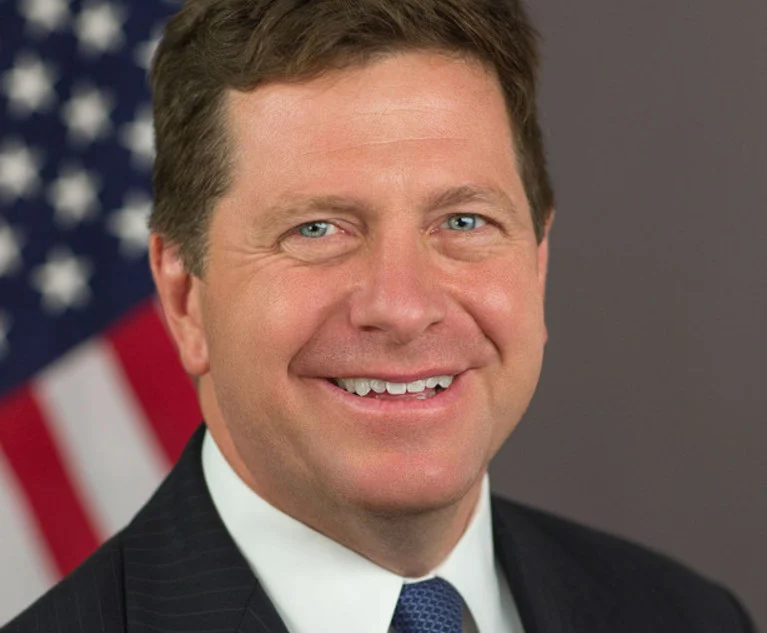
Deep Look
Trump Names Jay Clayton as Pick for Director of National Intelligence
Trump Announces Intelligence Leadership Choice
President Donald Trump announced Thursday that he intends to nominate Jay Clayton, the U.S. Attorney for the Southern District of New York and former chairman of the Securities and Exchange Commission, to serve as the nation’s next director of national intelligence.
The announcement was made through a social media post as the administration faced increasing pressure from lawmakers to identify a permanent successor to former Director of National Intelligence Tulsi Gabbard, who stepped down last month.
Trump praised Clayton’s qualifications and urged lawmakers to move quickly on confirmation.
“Few people anywhere in the Legal Community are respected at the level of Jay,” Trump wrote. “I encourage the United States Senate to confirm Jay as soon as possible.”
Congressional Pressure Builds Over Intelligence Leadership
The nomination arrives during a tense standoff between the White House and Congress over the future leadership of the intelligence community.
Lawmakers from both parties have expressed concerns about the administration’s decision to place Federal Housing Finance Agency Director Bill Pulte in the role on an acting basis.
Critics argued that Pulte lacked significant national security or intelligence experience, raising questions about whether he was qualified to oversee one of the government’s most sensitive positions.
The controversy quickly expanded beyond personnel decisions and became tied to broader national security legislation pending before Congress.
FISA Renewal Fight Raises Stakes
The dispute over intelligence leadership has complicated efforts to renew key foreign surveillance authorities under the Foreign Intelligence Surveillance Act, commonly known as FISA.
Democrats had warned they would withhold support for extending certain surveillance powers unless the administration nominated a permanent intelligence chief and moved away from relying on Pulte in an acting capacity.
With critical intelligence authorities approaching expiration deadlines, pressure mounted on the White House to identify a nominee capable of securing bipartisan support.
Clayton’s nomination appears designed to provide Congress with a permanent candidate as negotiations over surveillance legislation continue.
Clayton Brings Legal and Regulatory Experience
Clayton is best known nationally for serving as chairman of the Securities and Exchange Commission during Trump’s first administration.
During his tenure at the SEC, he oversaw financial market regulation and enforcement actions involving major corporations and financial institutions.
More recently, Clayton has served as U.S. Attorney for the Southern District of New York, one of the nation’s most prominent federal prosecutor offices. The position has historically handled high-profile investigations involving financial crimes, public corruption, organized crime and national security matters.
His legal background has earned him recognition across both government and private-sector circles.
Questions Likely During Confirmation Process
Although Clayton possesses extensive legal and regulatory experience, senators are expected to closely examine his national security credentials during confirmation hearings.
The director of national intelligence oversees coordination among numerous intelligence agencies, including the CIA, NSA and other organizations responsible for gathering and analyzing information related to national security threats.
Lawmakers are likely to question Clayton about intelligence operations, cybersecurity challenges, foreign threats and the management of the broader intelligence community.
His responses could play a significant role in determining how quickly his nomination advances through the Senate.
White House Seeks Stability in Intelligence Community
The administration’s decision to nominate Clayton may help ease growing tensions on Capitol Hill regarding intelligence leadership and surveillance authorities.
By selecting a permanent nominee, the White House appears to be responding to concerns that uncertainty at the top of the intelligence apparatus could affect national security operations and legislative negotiations.
The move also signals Trump’s desire to place a trusted ally in one of the government’s most influential national security positions.
What Happens Next?
Clayton’s nomination will be formally submitted to the Senate, where lawmakers will review his qualifications and conduct confirmation hearings.
If confirmed, he would replace the temporary leadership arrangement that has drawn criticism from lawmakers and become the principal intelligence adviser to the president.
His confirmation battle could also influence ongoing debates over intelligence oversight, surveillance powers and the future direction of U.S. national security policy.
For now, Clayton’s nomination represents a major development in the administration’s effort to stabilize intelligence leadership while addressing growing pressure from Congress.






You must Register or Login to post a comment.