Trump Cancels Planned Iran Strikes Tonight Amid Renewed Peace Talks/ Newslooks/ WASHINGTON/ J. Mansour/ Morning Edition/ President Donald Trump announced the cancellation of planned U.S. strikes against Iran, citing significant progress in diplomatic negotiations. The president said discussions have reached Iran’s highest leadership levels and that multiple regional nations are supporting the process. Despite the pause in military action, the U.S. naval blockade will remain in place until a final agreement is completed.
Trump Cancels Iran Strikes Quick Looks
- Trump says scheduled military strikes against Iran have been canceled.
- White House claims negotiations have advanced significantly.
- Regional powers are reportedly involved in supporting talks.
- Naval blockade against Iran remains active.
- Trump had earlier threatened additional military action.
- Critics warn the conflict could still escalate.
- Congressional Democrats continue questioning the administration’s strategy.
- Energy markets and global security remain sensitive to developments.
Trump Cancels Planned Iran Strikes as Diplomatic Talks Show New Momentum
Deep Look
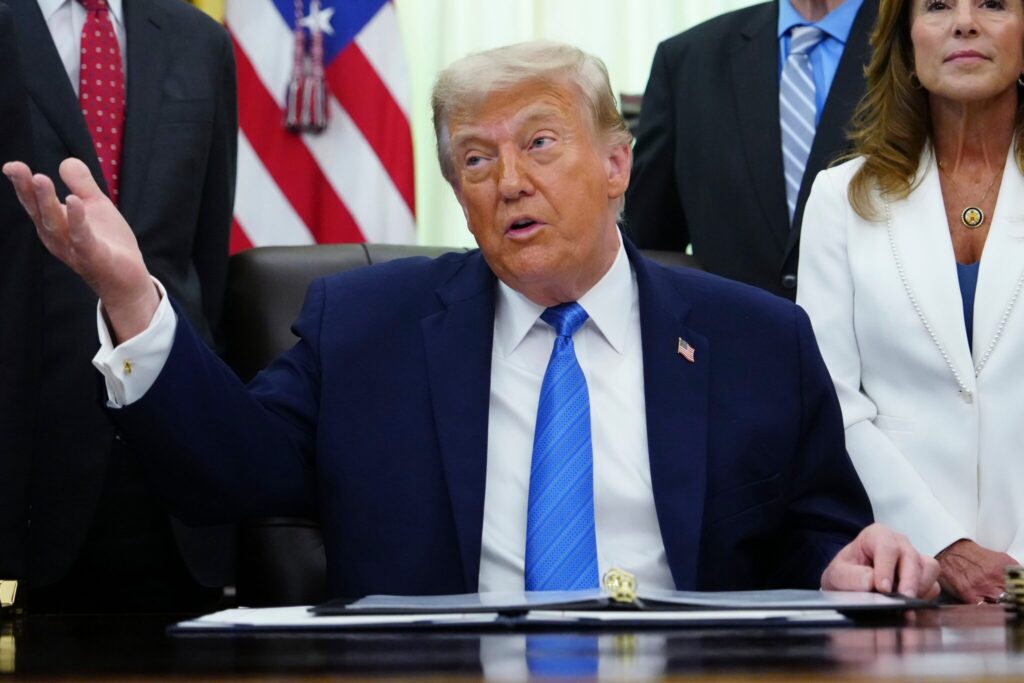
President Donald Trump announced Thursday that he has canceled a planned round of military strikes against Iran, signaling what he described as a significant breakthrough in ongoing diplomatic negotiations.
In a statement posted on Truth Social, Trump said discussions with Iranian officials had reached the highest levels of leadership in Tehran. According to the president, recent developments convinced him to halt attacks that had been scheduled for later in the day.
The announcement represented a dramatic shift after several days of escalating rhetoric and military tensions between Washington and Tehran.
White House Says Diplomatic Talks Have Advanced
Trump stated that negotiations had reached a critical stage and claimed participating governments had largely agreed on the framework of a broader settlement.
“Based on the fact that discussions with the Islamic Republic of Iran have been brought to the highest level of Iranian leadership and approved, I have, as President of the United States of America, cancelled the scheduled strikes and bombings against Iran this evening. Discussions and final points have been, in both concept and great detail, approved by all parties involved, including the United States, Israel, Saudi Arabia, UAE, Qatar, Turkey, Pakistan, Bahrain, Kuwait, Jordan, Egypt, and others. The Naval Blockade will remain in full force and effect until this Transaction is finalized — Time and place of the signing to be announced shortly,” Trump wrote in a post on Truth Social.
The president also suggested that key details of a potential agreement had already been approved in principle, though he did not release specifics regarding the final terms.
Regional Powers Join Efforts to Secure Agreement
According to Trump, multiple countries have played a role in advancing negotiations.
He identified Israel, Saudi Arabia, the United Arab Emirates, Qatar, Turkey, Pakistan, Bahrain, Kuwait, Jordan and Egypt as nations involved in the discussions.
The administration has not yet outlined the precise role each country has played, but the broad regional participation underscores the significance of the negotiations.
Trump said a formal signing ceremony is expected once remaining details are finalized.
Naval Blockade Remains in Effect
Despite suspending planned military action, Trump made clear that pressure on Iran would continue.
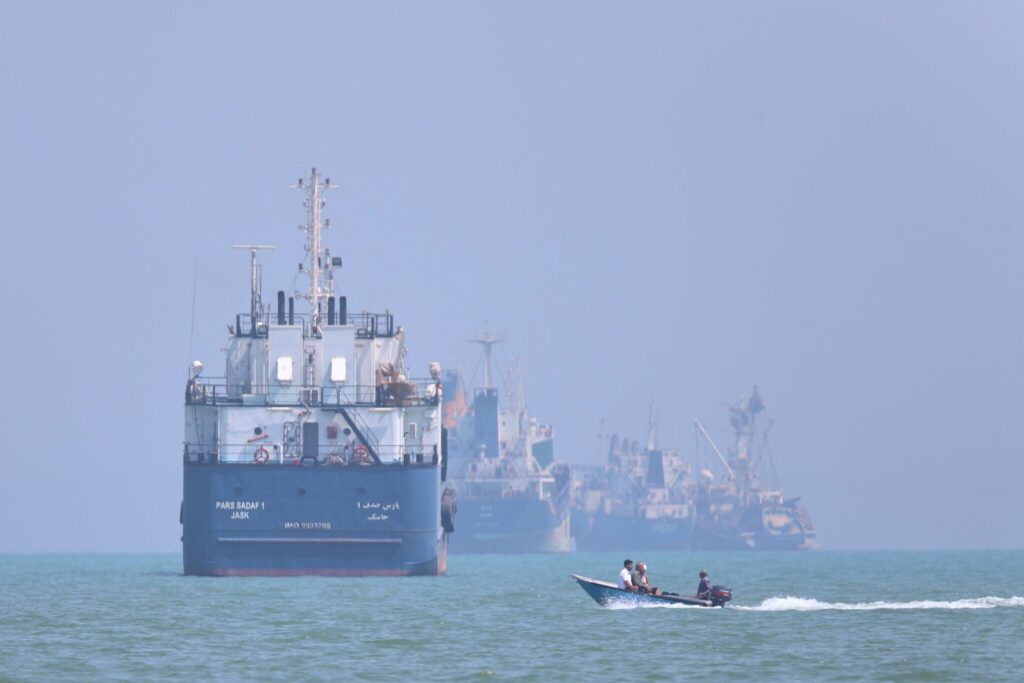
The president said the U.S. naval blockade currently surrounding Iranian ports would remain fully operational until a final agreement is signed.
The blockade has been a central component of the administration’s strategy, designed to restrict trade, limit oil exports and increase economic pressure on Tehran during negotiations.
Administration officials argue that maintaining leverage is necessary to secure lasting concessions from Iran.
Rising Tensions Prompted Fears of Wider Conflict
The diplomatic breakthrough follows several days of heightened military tensions.
The situation intensified after the reported downing of a U.S. Apache helicopter near the Strait of Hormuz, prompting retaliatory American military operations.
Trump had repeatedly warned Iran that additional military action was possible if negotiations failed to move forward.
His latest decision to cancel strikes therefore marks a significant de-escalation, at least temporarily.
Political Leaders React to Trump’s Decision
Reaction in Washington has been divided.
Some Democratic lawmakers have criticized the administration’s handling of the conflict, arguing that alternating between military threats and diplomatic outreach has created uncertainty among allies and adversaries.
Others have questioned whether the White House has a clear long-term strategy for the region.
Supporters of the administration, however, argue that the combination of military pressure and diplomacy has helped push Iran closer to an agreement.
They contend that maintaining a credible threat of force strengthened the United States’ negotiating position.
Energy Markets Watching Negotiations Closely
The conflict has had major implications for global energy markets.
Concerns about disruptions in the Strait of Hormuz have contributed to volatility in oil prices and increased inflation pressures worldwide.
Any indication that negotiations are progressing could help stabilize markets and ease concerns about future energy shortages.
Investors, governments and businesses around the world continue to monitor developments closely.
Uncertainty Remains Despite Optimism
While Trump described the negotiations as nearing completion, several questions remain unanswered.
Iranian officials have yet to publicly confirm many of the details outlined by the president, and independent verification of a final agreement remains limited.
Analysts caution that previous diplomatic efforts have appeared promising before ultimately breaking down.
For now, the cancellation of planned strikes lowers the immediate risk of escalation. However, the success of the negotiations will depend on whether both sides can bridge remaining differences and finalize a lasting agreement.
What’s Next for U.S.-Iran Relations?
The coming days could prove decisive for the future of U.S.-Iran relations.
If negotiations continue to advance, both countries may move toward a formal agreement that reduces tensions and restores stability to the region.
If talks stall again, however, the possibility of renewed military action remains on the table.
As diplomats continue their work behind closed doors, the world is watching closely to see whether the latest breakthrough leads to peace or merely delays another confrontation.