Trump’s Influence Dominates Washington DC Primary Elections/ Newslooks/ WASHINGTON/ J. Mansour/ Morning Edition/ Washington, D.C., voters are preparing to choose a new mayor and congressional delegate in the same election cycle for the first time in decades. President Donald Trump’s policies, federal oversight, and law enforcement presence have become central issues in the campaigns. Candidates are debating affordability, public safety, self-governance, and how aggressively the city should challenge federal intervention.

Washington DC Elections Quick Looks
- Washington will elect a new mayor and congressional delegate.
- Primaries are scheduled for June 16.
- Trump’s role in city affairs is a major campaign issue.
- Federal workforce reductions have increased economic concerns.
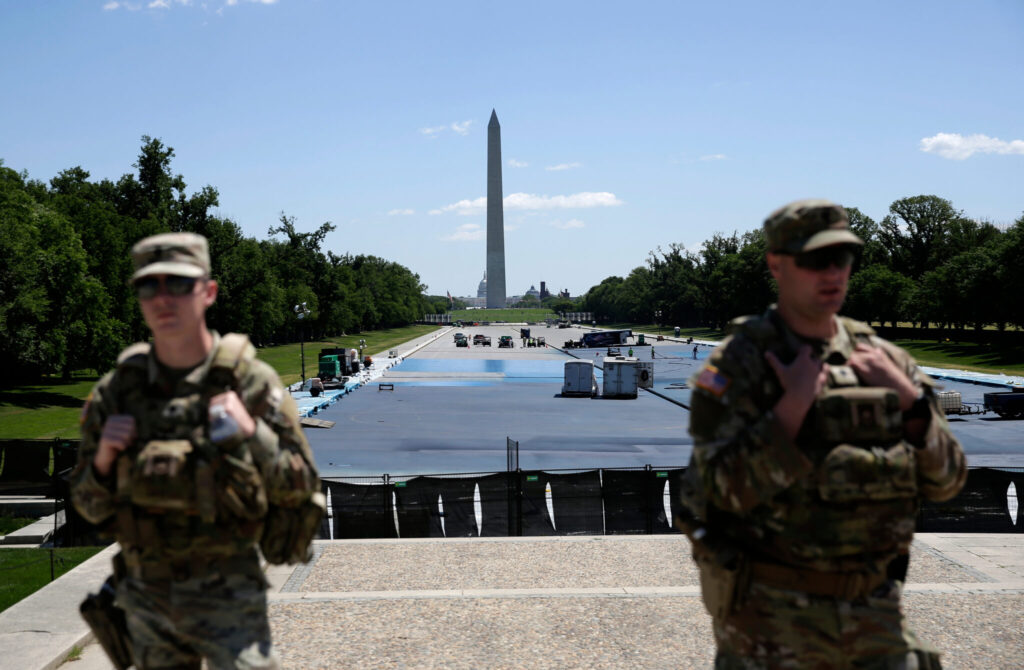
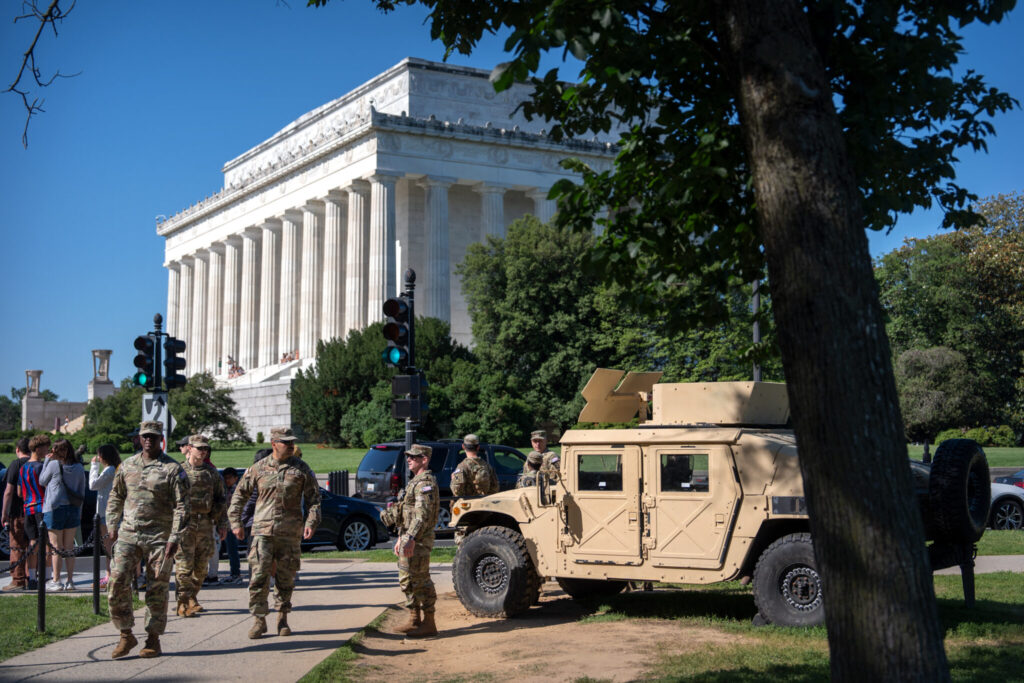
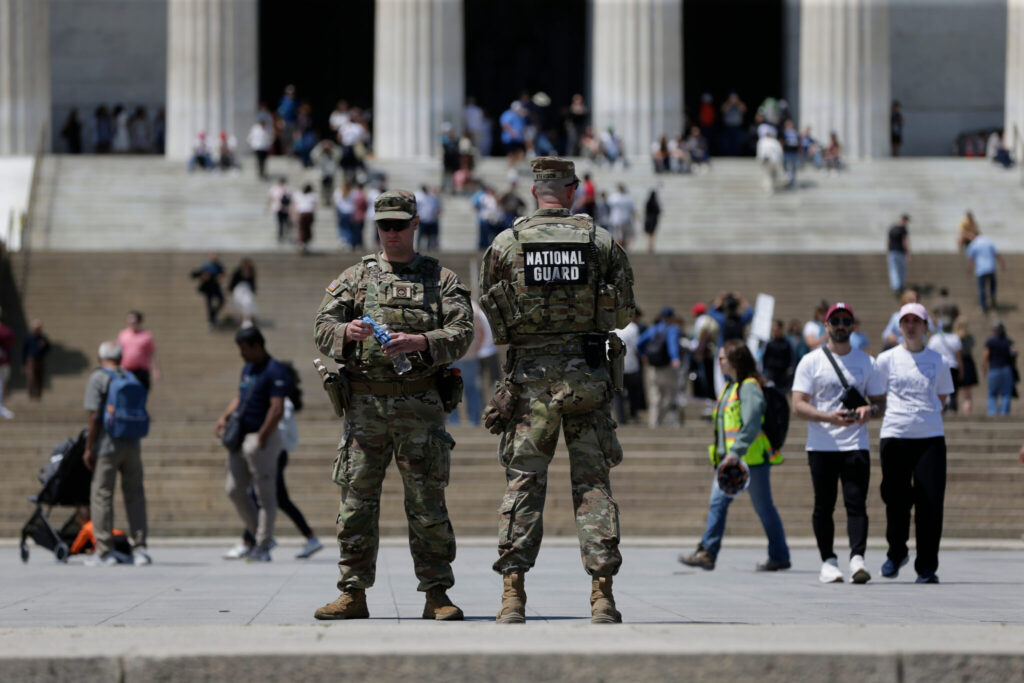
- National Guard deployment remains a focal point in local politics.
- Affordability and public safety dominate campaign discussions.
- Candidates disagree on how strongly to oppose federal actions.
- D.C.’s limited self-governance remains a key concern.
- The delegate race follows the retirement of Eleanor Holmes Norton.
- Democratic primaries are likely to determine November winners.
Washington DC Elections Deep Look
Washington, D.C., voters are heading into a historic election season that could reshape city leadership for years to come. For the first time since the early 1990s, residents will choose both a new mayor and a new congressional delegate during the same election cycle.
While local issues such as affordability, crime, housing, and public services remain central concerns, President Donald Trump’s expanding influence over the nation’s capital has emerged as one of the defining issues of the campaign.
Political observers say the elections represent a significant turning point for the city as longtime leaders prepare to leave office and a new generation of politicians seeks to navigate an increasingly complicated relationship with the federal government.
“It’s going to be a big sea change in city politics, no matter how the elections shake out,” said Amanda Huron, a professor at the University of the District of Columbia who teaches courses on D.C. history and politics. But Washington’s lack of full autonomy brings “all sorts of peculiarities around the city’s governance.”
Trump’s Presence Shapes Campaign Debate
Since returning to the White House, Trump has taken a far more active role in Washington’s affairs.
His administration has maintained a National Guard deployment as part of what it describes as a crime-reduction strategy, while broader federal workforce reductions have added economic pressure to a city heavily dependent on government employment.
At the same time, Trump has repeatedly praised the impact of federal intervention.
Trump has routinely said his intervention has made Washington “one of the safest” and most beautiful cities in the country, enjoying a historic drop in crime.
Those developments have forced local candidates to decide how aggressively they should challenge the administration while protecting the city’s limited self-governing authority.
Unique Challenges of D.C. Governance
Unlike states and municipalities elsewhere in the country, Washington does not exercise complete control over its own affairs.
Congress retains authority over the city’s budget and many local laws despite the home-rule system established in 1973.
That arrangement often requires local officials to balance the priorities of residents with the demands of Congress and whichever administration occupies the White House.
The challenge became especially visible during Mayor Muriel Bowser’s tenure, as she navigated conflicts with both Trump administrations while attempting to preserve local authority.
Issues involving federal law enforcement operations, immigration enforcement, National Guard deployments, and budget oversight have all intensified debate over how city leaders should respond.
Mayoral Candidates Offer Different Approaches
The race to replace Bowser is led by current council members Janeese Lewis George and Kenyan McDuffie.
George has focused heavily on affordability concerns and has tied many of those challenges directly to federal actions.
She told The Associated Press that her top priority is addressing “the affordability crisis here in D.C., which the Trump administration has only made worse by unjustly firing federal employees en masse and militarizing our streets.”
McDuffie has centered his campaign on public safety while also addressing economic issues.
“We cannot have an affordable city,” he said, “without public safety as its foundation.”
Both candidates have argued that the city should strengthen legal efforts to challenge federal overreach and suggested that current city leadership has at times been too accommodating toward federal authorities.
Activists Call for Stronger Resistance
Advocacy organizations focused on D.C. autonomy have pushed candidates to adopt a more confrontational stance toward the administration.
Alex Dodd, co-founder of Free DC, praised George’s willingness to challenge federal actions.
“When our leaders comply with this administration before being forced, they are giving this regime an enormous advantage,” he said.
Others believe cooperation remains necessary to protect the city from harsher federal intervention.
Pat Wheeler, a longtime Washington resident and communications consultant, argued that city leaders must carefully navigate relations with Congress and the White House.
“Trump can snap his finger and the whole Republican Congress will say, ‘Let’s put a federal control board over the mayor,’” she said.
Delegate Race Marks End of an Era
The race for Washington’s congressional delegate seat follows the retirement of longtime representative Eleanor Holmes Norton.
Norton, who served 18 terms, became one of the most recognizable advocates for D.C. self-governance and voting rights.
“Eleanor Holmes Norton is maybe one of the last major political figures who comes out of the civil rights movement,” said Matt Dallek, a political historian at The George Washington University. “It’s a real passing of the torch.”
Council members Brooke Pinto and Robert White Jr. have emerged as leading contenders to succeed Norton.
Although the delegate position does not carry voting power on the House floor, it provides the city’s nearly 700,000 residents with representation in congressional debates and committee work.
Self-Governance and Affordability Lead Delegate Campaign
Pinto has emphasized self-governance and economic concerns as central themes.
She said her top priority for the city is self-governance, something that has “never been a true reality for the people of D.C.”
She also cited affordability challenges facing working and middle-class families.
White has adopted a stronger criticism of federal law enforcement cooperation.
His campaign has said he’s “not willing to continue to see our tax dollars used to allow DC police to cooperate and conspire with federal agents to trample our constitutional rights and to terrorize our communities.”
The campaigns have also featured personal attacks involving fundraising sources and political affiliations, reflecting the increasingly competitive nature of the race.
Residents Focus on Everyday Issues
Many voters acknowledge the importance of federal relations but remain focused on practical concerns affecting daily life.
Brenda Manley, a longtime resident of Ward 7, said city leaders should continue emphasizing programs that benefit residents directly.
“Those type of programs matter,” Manley said.
As Washington approaches the June 16 primary, voters face choices that will determine not only who leads the city but also how aggressively local officials challenge federal authority during a period of heightened political tension.
The outcomes are expected to shape the future of self-governance, affordability, public safety, and Washington’s relationship with the federal government for years to come.