

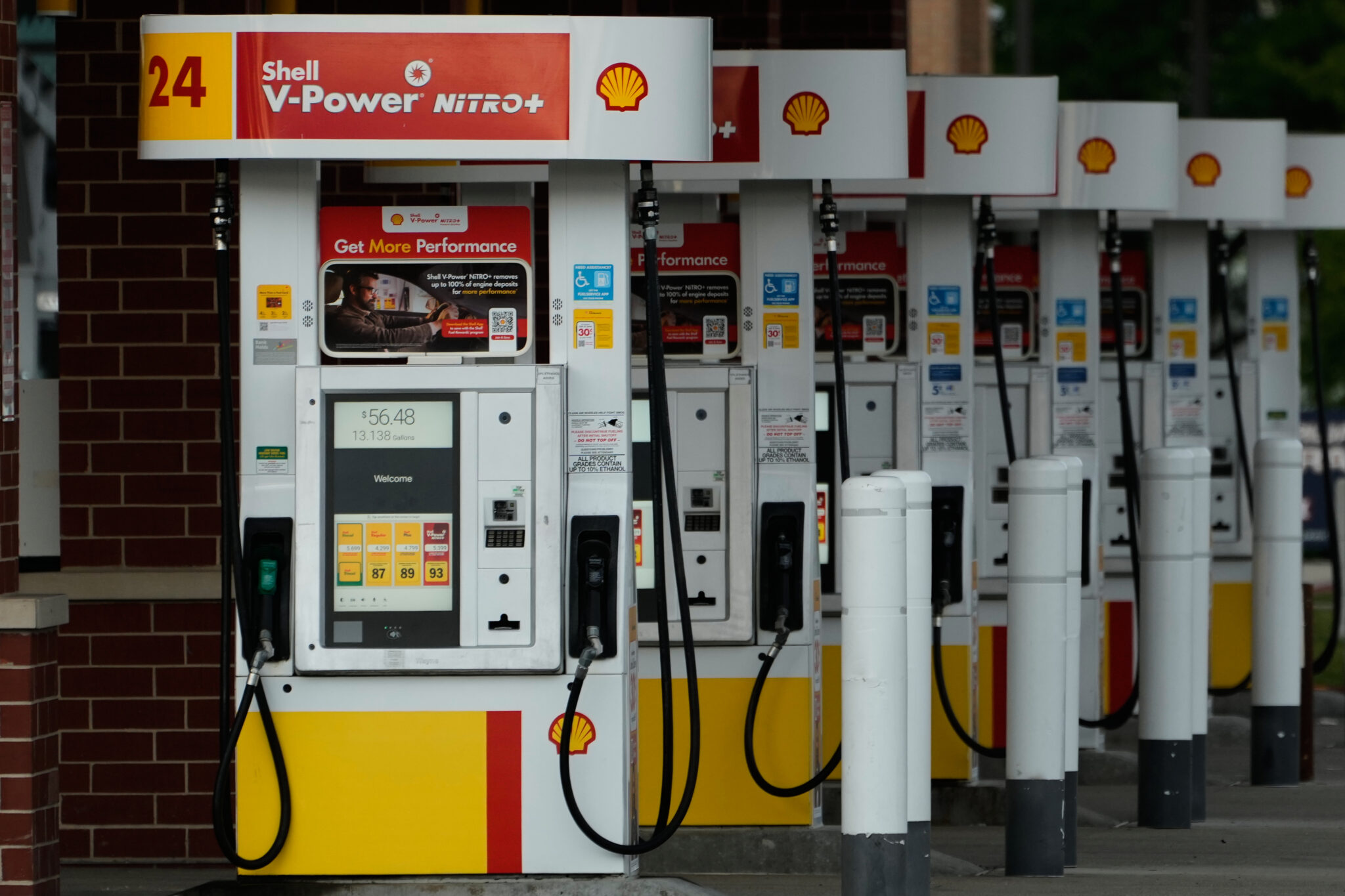
US Inflation Cools in June as Gas Prices Fall, Easing Pressure on Consumers/ Newslooks/ WASHINGTON/ J. Mansour/ Morning Edition/ US Inflation Cools in June as Gas Prices Fall, Easing Pressure on Consumers/ Newslooks/ U.S. inflation cooled more than expected in June as gasoline prices, clothing and used vehicle costs declined, easing pressure on consumers. Core inflation also slowed, reducing immediate pressure on the Federal Reserve to raise interest rates despite renewed Middle East tensions pushing oil prices higher.
US Inflation June 2026 Quick Looks
- Consumer prices fell 0.4% in June from May.
- Annual inflation slowed to 3.5% from 4.2%.
- Core inflation was unchanged during the month.
- Annual core inflation eased to 2.6%.
- Falling gasoline prices led much of the decline.
- Lower inflation may reduce pressure for a Federal Reserve rate hike.
- Rising oil prices from Middle East tensions remain a major inflation risk.
Deep Look
Inflation Posts Biggest Monthly Drop in Four Years
U.S. inflation cooled sharply in June as lower gasoline prices, cheaper clothing and declining used vehicle prices helped deliver the largest monthly decline in consumer prices in four years.
According to new Labor Department data released Tuesday, consumer prices fell 0.4% between May and June after increasing 0.5% the previous month.
Compared with a year earlier, inflation slowed to 3.5%, down from 4.2% in May and below many economists’ forecasts.
The report provided encouraging signs that inflationary pressures across the broader economy continue to ease after several years of elevated prices.
Core Inflation Shows Broad Improvement
Even more encouraging for policymakers, core inflation—which excludes the often-volatile food and energy categories—was flat during June.
On an annual basis, core prices increased 2.6%, down from 2.9% in May.
Although still above the Federal Reserve’s long-term target of 2%, economists viewed the figures as evidence that inflation is gradually moving in the right direction.
“This reading is very much in the camp that the inflation we’ve had this year is transitory,” said Michael Metcalfe, head of macro strategy at State Street Markets.
“Yes, gas prices went up, but nothing else did, more or less.”
Economists noted that while energy prices temporarily surged during the conflict involving Iran, broader inflation did not spread widely throughout the economy.
Gas Prices Provide Relief — For Now
Lower gasoline prices played a major role in June’s softer inflation report.
Other categories also showed encouraging trends:
- Clothing prices fell 0.6% during the month.
- Used vehicle prices declined.
- Electricity prices dropped 1%.
- Apartment rents rose just 0.1%.
- Grocery prices increased a modest 0.2%.
Despite those improvements, many prices remain higher than they were one year ago.
Groceries are still 2.7% more expensive than last summer, while clothing costs remain nearly 4% above year-earlier levels.
Middle East Conflict Clouds Inflation Outlook
The positive inflation report arrived as geopolitical tensions once again intensified.
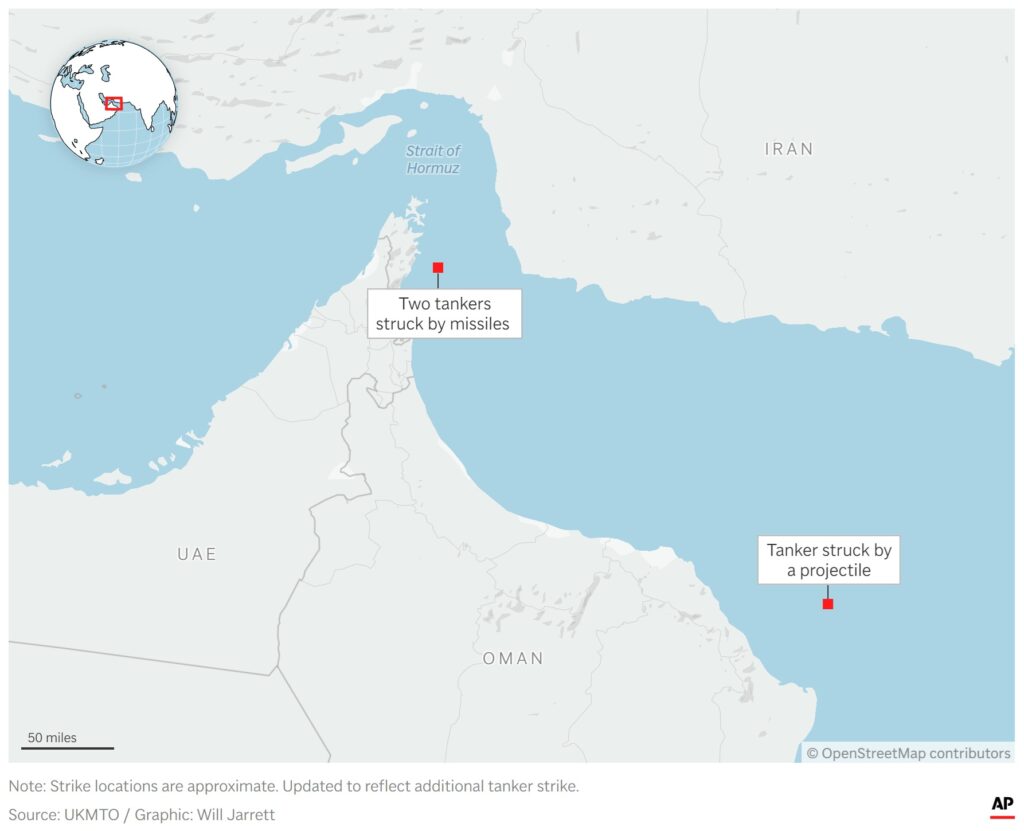
Oil prices climbed for a second straight day Tuesday after renewed U.S. military strikes on Iran and President Donald Trump announced a new blockade in the Strait of Hormuz, one of the world’s most important energy shipping routes.
Brent crude oil rose 4.6% to $87.13 per barrel.
National gasoline prices have already increased roughly six cents over the past week, reaching an average of $3.86 per gallon.
Economists warn that prolonged disruptions to global oil supplies could quickly reverse the inflation progress seen in June.
“Today’s number is a very good reading, but so much is going to depend on what happens in the Middle East,” said Kathy Bostjancic, chief economist at Nationwide Financial.
Trump Credits Progress, Blames Biden
President Donald Trump responded to the inflation report by arguing that his administration is bringing inflation under control while blaming former President Joe Biden for the earlier surge in prices.
“It’s not my fault,” Trump said.
“We are putting it to sleep. … Inflation is way down.”
He also urged voters to remember the improving inflation numbers ahead of this year’s elections.
“Remember that for the midterms,” Trump added.
Federal Reserve Gains More Flexibility
The June inflation report may reduce pressure on the Federal Reserve to raise interest rates later this year.
Last month, Fed officials kept their benchmark interest rate unchanged at approximately 3.6%.
“Today’s report gave some breathing room for the Federal Reserve in deciding whether and when to raise interest rates,” Bostjancic said.
Federal Reserve Chair Kevin Warsh reiterated Tuesday that inflation remains a top priority but stopped short of signaling whether another rate increase is likely.
He said the central bank has “no tolerance” for elevated inflation and pledged it would become “a thing of the past.”
Fed Officials Remain Divided
Despite Tuesday’s encouraging report, policymakers remain split over the next move.
Minutes from the Federal Reserve’s June meeting showed roughly half of officials still favor another interest rate increase later this year.
Others prefer waiting to determine whether lower gasoline prices continue easing inflation without additional monetary tightening.
Federal Reserve Governor Christopher Waller recently warned that persistent service-sector inflation could require further action.
“If we get another hot reading on core inflation this week, then the (Fed) will need to consider tightening monetary policy in the near term,” Waller said.
Meanwhile, New York Federal Reserve President John Williams suggested the Fed could avoid another hike if monthly core inflation remains around 0.2% for the remainder of the year.
June’s report aligns closely with that scenario.
Artificial Intelligence Spending Remains an Inflation Concern
Federal Reserve officials continue monitoring another emerging inflation risk: massive investments in artificial intelligence infrastructure.
Demand for advanced semiconductors, data centers and electricity has pushed costs higher across parts of the technology sector.
Companies including Apple, Microsoft and Dell have announced price increases for several consumer electronics products because of higher component costs.
Meanwhile, businesses continue sending mixed signals about future pricing.
A recent Federal Reserve Bank of New York survey found many companies facing higher import costs still expect to raise prices further.
At the same time, Walmart recently announced price reductions across thousands of products, including groceries, clothing, toys and household goods.
The June inflation report offers welcome relief for consumers and policymakers alike, but with energy markets once again under pressure, economists caution that inflation’s path lower could still face significant obstacles in the months ahead.






You must Register or Login to post a comment.