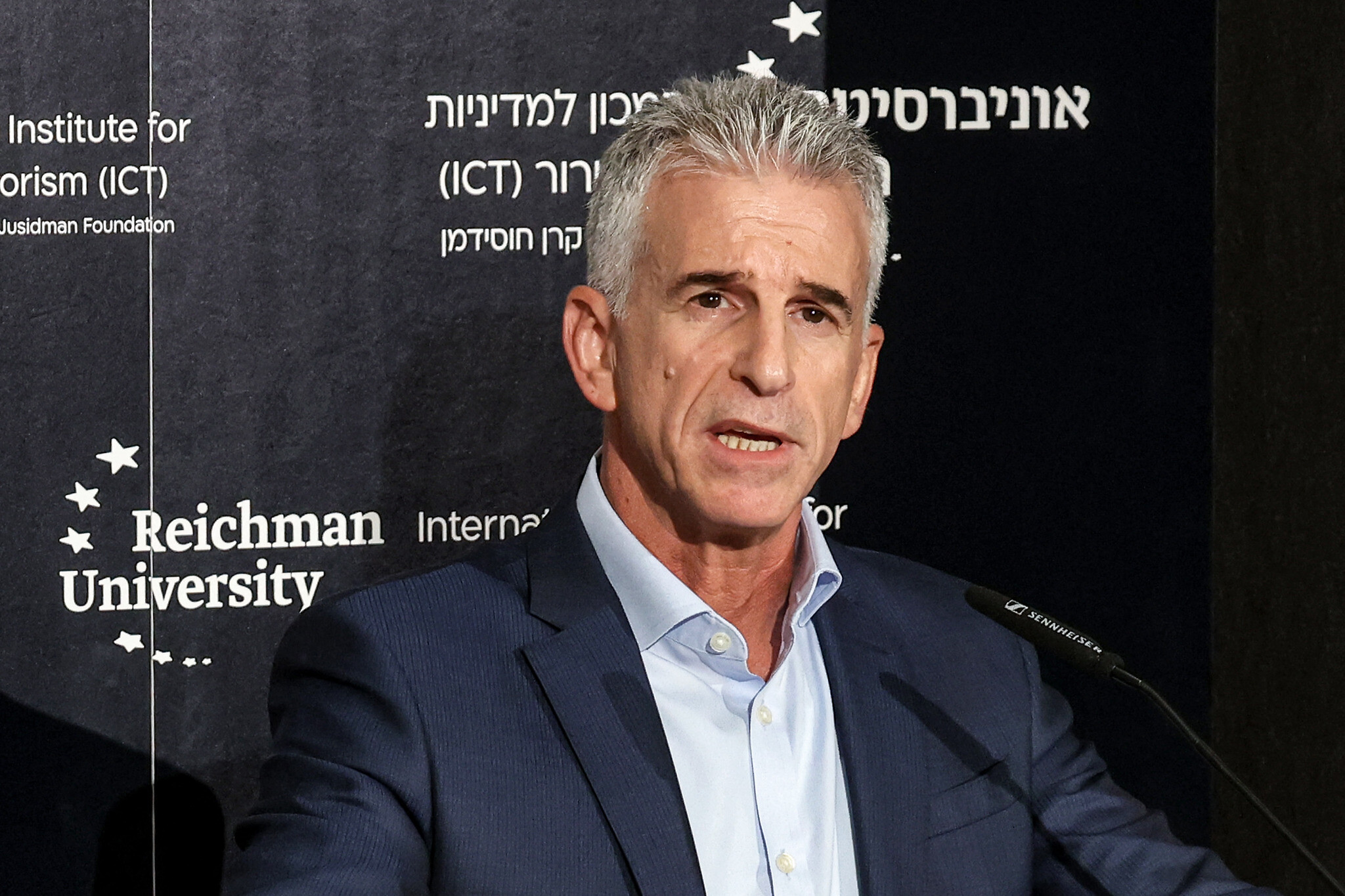
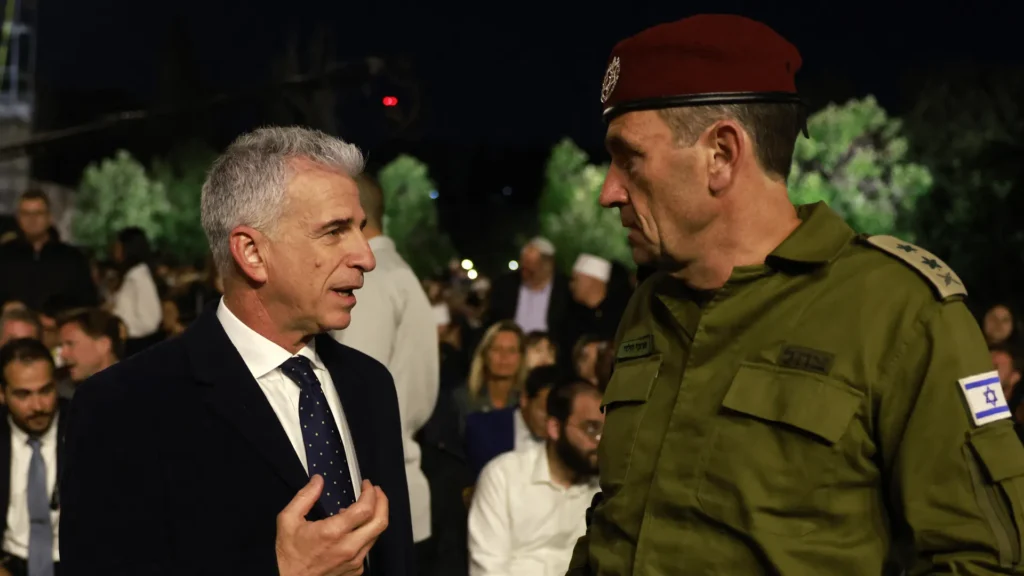
Mossad Director Visits U.S. to Discuss Iran Strikes, Diplomacy/ Newslooks/ WASHINGTON/ J. Mansour/ Morning Edition/ Mossad Director David Barnea traveled to the U.S. for urgent consultations on Iran as protests rage and the risk of U.S. military action grows. The visit follows Trump’s recent talks with Netanyahu and rising concerns over Tehran’s crackdown. U.S. and Israeli officials are coordinating closely on potential strikes and diplomatic options.
Mossad Iran Talks Quick Looks
- Mossad chief David Barnea met U.S. officials Friday about Iran
- He’s expected to consult with White House envoy Steve Witkoff in Miami
- The talks follow Trump-Netanyahu call urging delay on U.S. strikes
- Israel concerned U.S. strike plans won’t destabilize Iran enough
- U.S. preparing regional military assets in case of Trump-ordered action
- Iran’s foreign minister reached out to resume nuclear negotiations
- Israel suspects Tehran may use talks to stall U.S. pressure
- Diplomatic options still under discussion alongside military readiness
Deep Look: Mossad Director Visits U.S. to Discuss Iran Strikes, Diplomacy
Israel’s intelligence chief David Barnea, the director of the Mossad, landed in the United States early Friday for urgent consultations regarding the ongoing crisis in Iran. The high-level visit comes at a time of heightened regional tension, growing global concern over Iran’s internal crackdown on protests, and speculation about possible U.S. military intervention.
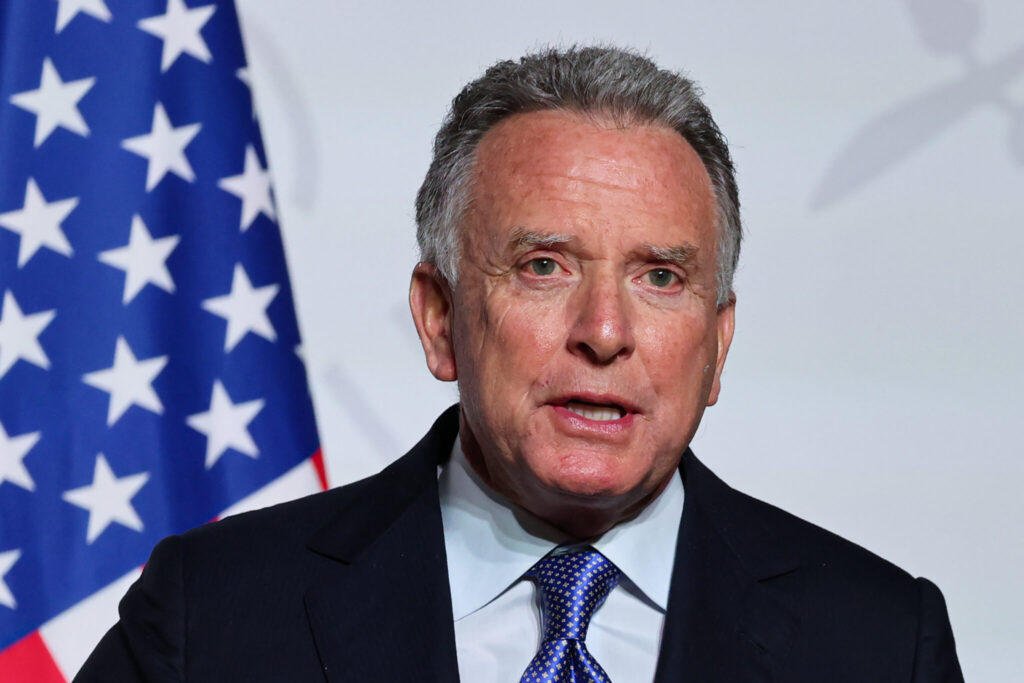
According to both Israeli and U.S. sources, Barnea’s visit is part of an intensified diplomatic exchange between Washington and Tel Aviv focused on assessing Iran’s internal instability and preparing for multiple response scenarios. Barnea is expected to meet in Miami with White House envoy Steve Witkoff, who is currently handling direct communication with Iran on behalf of the U.S.
Direct Channels Open Between U.S. and Iran
Witkoff has been in contact with Iran’s Foreign Minister Abbas Araghchi during the unrest, which has escalated over the past week with reports of mass arrests and executions. Iranian officials reportedly floated the idea of reopening nuclear negotiations—a development viewed with caution in both Washington and Jerusalem.
While some Israeli officials fear Iran may use the prospect of renewed talks as a delay tactic, others believe the severity of the crisis could compel Tehran to make concessions on key issues such as its nuclear program, missile development, and support for regional proxy groups.
Witkoff, speaking Thursday night at a conference hosted by the Israeli-American Council in Miami, said he had communicated with the Iranians just the day before regarding potential mass executions.
“That has been shut down,” he stated, referencing what appears to be a pause in government-led executions of protesters.
Witkoff expressed hope that diplomacy could still offer a solution. However, he emphasized that any deal would need to address Iran’s uranium enrichment efforts, stockpiles of enriched material, its ballistic missile arsenal, and its network of armed proxies throughout the region. He also noted the dire state of Iran’s economy and suggested diplomacy was the regime’s best chance to rejoin the international community. “The alternative will be a bad one,” he warned.
Trump-Netanyahu Call Sparks Strategic Dialogue
Barnea’s visit was preceded by a phone call between Israeli Prime Minister Benjamin Netanyahu and President Donald Trump on Wednesday. In that conversation, Netanyahu reportedly urged Trump to delay any military action against Iran, citing the need for more time to prepare for possible Iranian retaliation.
An Israeli source indicated that while the U.S. plan under consideration includes strikes on Iranian security forces, Israeli officials believe such measures may not be forceful enough to significantly weaken the regime’s hold on power.
Despite the diplomatic caution, U.S. officials insist that military action remains a live option if Iran resumes its deadly crackdown on protesters. Several reports suggest that American military planners are preparing for such a scenario, with enhanced deployments already underway.
Military Movements Signal Readiness
To back up the administration’s warnings, the Pentagon is reportedly moving significant defensive and offensive military assets to the region. The Abraham Lincoln aircraft carrier strike group is en route to the Middle East from the South China Sea. Additional reinforcements may include more air defense systems, combat aircraft, and potentially submarines.
These deployments aim to ensure U.S. readiness should Trump decide to authorize strikes. Officials caution, however, that the presence of these assets does not confirm military action is imminent, but instead reflects precautionary positioning amid increasing tensions.
Uncertain Meeting With Trump
While Barnea is confirmed to meet with Witkoff, it remains unclear whether the Mossad director will hold a direct meeting with President Trump at his Mar-a-Lago residence over the weekend. Such a meeting would signal the critical nature of Barnea’s visit and indicate that the Israeli government is heavily involved in shaping or at least influencing U.S. strategy regarding Iran.
U.S. Balances Pressure With Diplomacy
The U.S. faces a delicate balancing act: responding forcefully to Iran’s domestic repression while avoiding a regional war and giving diplomacy a final chance. The Trump administration’s approach so far has combined ambiguous rhetoric with military preparedness and backchannel diplomacy, leaving its next move uncertain.
For Israel, the stakes are equally high. While it supports a tough stance on Iran, Israeli officials are wary of limited U.S. strikes that might provoke retaliation without crippling the Iranian leadership. With Barnea in the U.S. and Netanyahu actively lobbying the White House, both allies appear focused on shaping the outcome of this fast-moving crisis.