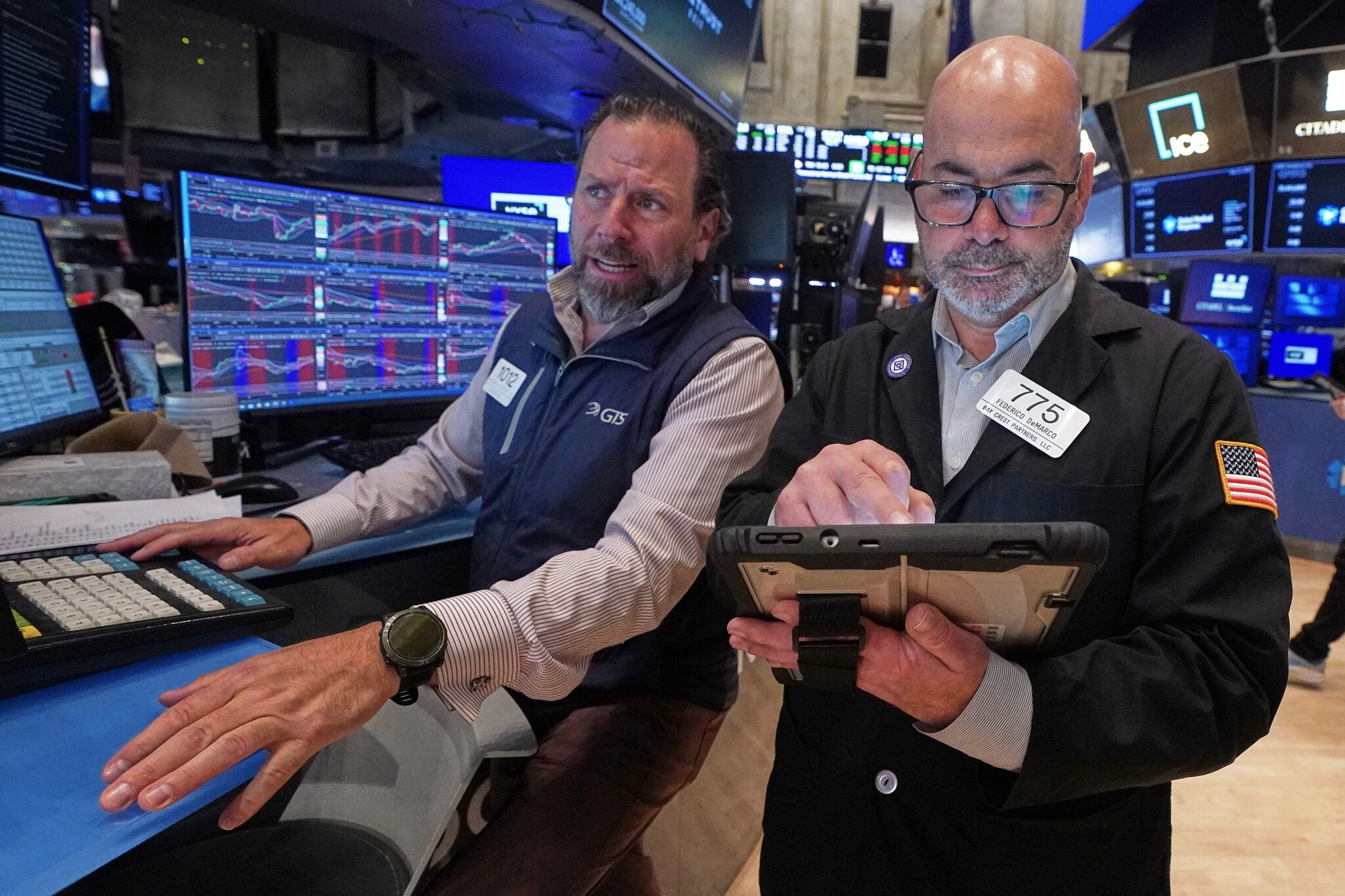
Wall Street Mixed as Inflation Data Offset Tech Stock Recovery/ Newslooks/ WASHINGTON/ J. Mansour/ Morning Edition/ Wall Street traded mixed Wednesday as rising inflation concerns weighed on investors despite a rebound in technology stocks. Artificial intelligence-related shares recovered after sharp losses, helping stabilize the Nasdaq and S&P 500. Higher oil prices tied to the Iran war continue fueling inflation fears and reducing expectations for Federal Reserve rate cuts.
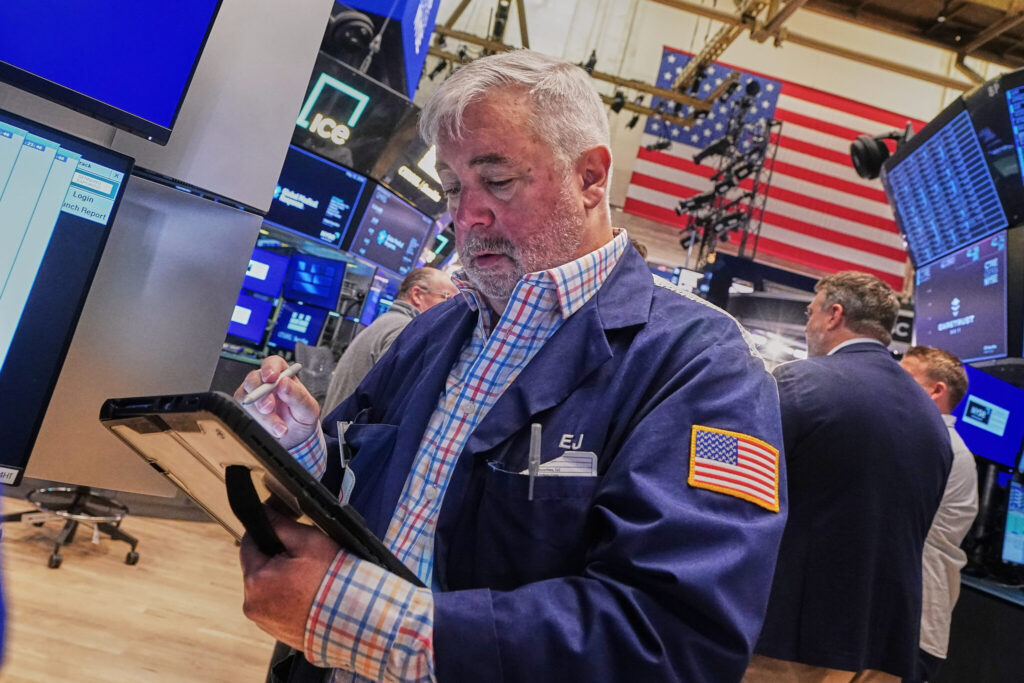
Wall Street Inflation Markets Quick Looks
- S&P 500 traded near record highs despite market uncertainty
- Nasdaq rose as AI and semiconductor stocks recovered
- Inflation reports showed producer prices surged in April
- Nvidia, Micron, and On Semiconductor led tech gains
- Oil prices remain elevated because of the Iran conflict
- Investors now expect the Fed to keep interest rates high
- Treasury yields climbed following inflation data
- Utilities and real estate stocks fell sharply
Deep Look
Wall Street Struggles for Direction
U.S. stock markets traded unevenly Wednesday as investors weighed stronger-than-expected inflation data against renewed momentum in technology and artificial intelligence stocks.
The S&P 500 hovered near record levels while showing little overall movement during morning trading.
Meanwhile, the Dow Jones Industrial Average fell more than 220 points, while the Nasdaq composite moved higher thanks largely to gains in semiconductor and AI-related companies.
The mixed session reflected growing uncertainty across financial markets as inflation pressures continue intensifying alongside geopolitical instability linked to the Iran war.
AI Stocks Bounce Back After Sell-Off
Technology shares helped stabilize Wall Street following a sharp pullback earlier in the week.
Micron Technology climbed 5%, while On Semiconductor surged 9% after both companies suffered losses during Tuesday’s broader retreat in AI-related stocks.
Nvidia also recovered, rising 1.7% and becoming one of the strongest contributors supporting the S&P 500.
The rebound came after investors reacted positively to reports that Nvidia CEO Jensen Huang would accompany President Donald Trump during his trip to China.
Analysts believe discussions could include easing restrictions on exports of Nvidia artificial intelligence chips to the Chinese market.
The possibility of expanded semiconductor sales to China helped improve sentiment toward major AI-related technology stocks.
SoftBank Adds to AI Optimism
Investor confidence in artificial intelligence companies also received support from Japan’s SoftBank Group.
The company reported that annual profits surged nearly fivefold during the fiscal year ending in March as investments tied to artificial intelligence generated major returns.
SoftBank’s strong performance reinforced optimism that AI-related businesses continue delivering strong financial results despite growing market volatility.
“Corporate earnings and AI momentum are acting as the market’s primary shock absorbers,” said Tim Waterer, chief market analyst at KCM Trade. “But the road is getting significantly rougher.”
The comments reflected broader investor concerns that even strong technology earnings may struggle to fully offset rising inflation and economic uncertainty.
Inflation Data Pressures Markets Again
Financial markets were also hit by another discouraging inflation report Wednesday morning.
The Labor Department announced that wholesale inflation surged 6%, more than economists expected during April.
The producer price index rose sharply as higher fuel costs, transportation expenses, tariffs, and food prices continued pushing business costs upward.
The report followed Tuesday’s consumer inflation data showing prices at the retail level also accelerated faster than expected.
Together, the inflation reports strengthened fears that price pressures are spreading broadly throughout the economy rather than remaining limited to energy markets.
Iran War Continues Driving Oil Prices Higher
Much of the inflation surge remains tied to rising energy prices caused by the ongoing conflict involving Iran.
The war has severely disrupted global oil shipments, particularly through the Strait of Hormuz — one of the world’s most important energy transit routes.
Brent crude oil rose another 0.3% Wednesday to $108.09 per barrel.
Before the conflict began, Brent crude traded near $70 per barrel.
The sharp increase in energy prices has fueled inflation worldwide while creating additional pressure on businesses and consumers.
Higher fuel prices are affecting transportation, manufacturing, shipping, utilities, and food costs across multiple industries.
Federal Reserve Faces Growing Dilemma
The latest inflation reports have dramatically shifted expectations surrounding Federal Reserve interest-rate policy.
Earlier this year, investors widely expected the Fed to begin cutting rates during 2026 as inflation gradually cooled.
Now many traders believe rate cuts may no longer happen this year at all.
Some analysts even believe another interest-rate hike has become more likely than a rate reduction.
Higher interest rates generally slow inflation by making borrowing more expensive for businesses and consumers.
However, elevated rates can also weaken economic growth and place pressure on financial markets.
The uncertainty surrounding Fed policy has become one of Wall Street’s biggest concerns.
Treasury Yields Continue Climbing
Treasury yields rose again following the inflation reports as investors adjusted expectations for future interest rates.
The yield on the benchmark 10-year Treasury climbed to 4.48%, up from 4.46% late Tuesday.
Before the Iran war escalated, the yield had traded closer to 3.97%.
Rising bond yields often pressure stock prices because they increase borrowing costs and make safer fixed-income investments more attractive compared with equities.
Utilities and real estate stocks were among the market’s weakest sectors Wednesday because those industries typically rely heavily on debt financing and dividend income.
Tariffs Continue Hurting Companies
Companies also continue warning about the economic effects of tariffs and trade disruptions.
Birkenstock Holding shares dropped 13.6% after the footwear company said U.S. tariffs and broader economic challenges hurt recent quarterly performance.
The company cited rising operating costs and pressure on consumer spending.
Many businesses are increasingly warning that inflation, tariffs, and geopolitical instability are reducing consumer confidence and squeezing profit margins.
Global Markets React to Economic Uncertainty
International stock markets showed mixed reactions as investors worldwide responded to inflation concerns and AI market volatility.
South Korea’s Kospi index rebounded strongly, jumping 2.6% after falling sharply the previous day.
Tuesday’s sell-off followed comments from a South Korean government official suggesting possible redistribution of AI company profits to citizens, which temporarily rattled global technology investors.
European markets also mostly moved higher Wednesday despite ongoing concerns over inflation, energy costs, and slowing global growth.
Markets Remain Caught Between AI and Inflation
For now, Wall Street remains trapped between two powerful market forces.
On one side, enthusiasm surrounding artificial intelligence and strong corporate earnings continues supporting technology stocks and broader market optimism.
On the other, inflation pressures, elevated oil prices, geopolitical instability, and uncertainty surrounding Federal Reserve policy are creating growing risks for investors.
Analysts say the direction of markets in coming weeks will likely depend on whether inflation begins stabilizing or continues accelerating as the Iran conflict drags on.