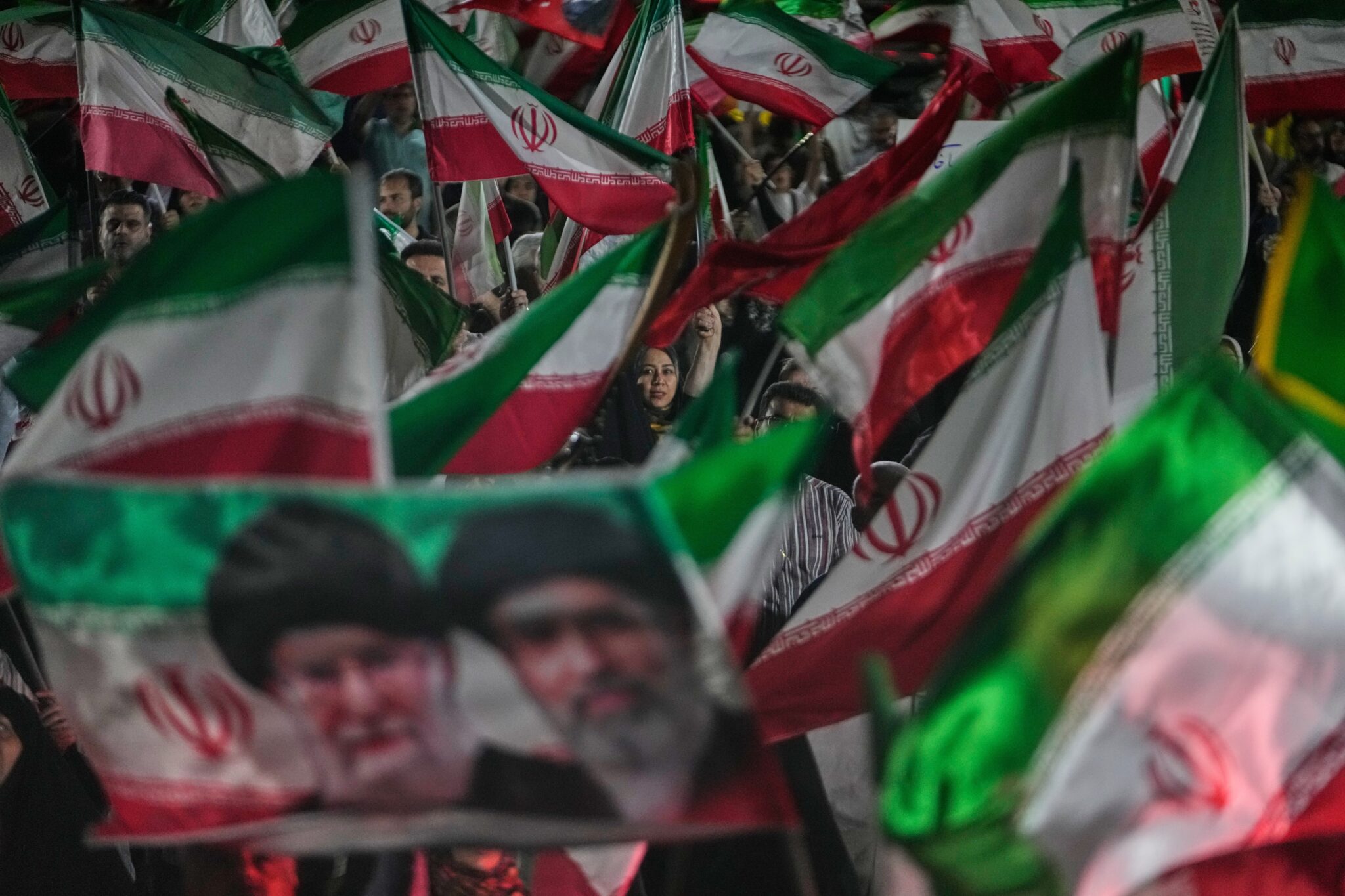
Iran Suspends Talks With US Over Israeli Strikes In Lebanon/ Newslooks/ WASHINGTON/ J. Mansour/ Morning Edition/ Iran has suspended negotiations with the United States, citing Israel’s military strikes in Lebanon and claiming the attacks violated ceasefire conditions. The move comes as Israel intensifies operations against Hezbollah in Lebanon and as Washington pushes for a broader agreement involving Iran’s nuclear program and regional security. The suspension raises new concerns about regional stability, maritime security, and the future of diplomatic efforts in the Middle East.
Iran Suspends US Talks Quick Looks
- Iran has suspended talks with the United States.
- Tehran cites Israeli military actions in Lebanon.
- Israel ordered strikes on Beirut’s Dahieh district.
- Iran says Lebanon was part of ceasefire conditions.
- The White House has not publicly responded.
- Tehran is demanding an end to Israeli operations in Lebanon and Gaza.
- Iran threatened broader regional measures involving key waterways.
- US forces intercepted two Iranian ballistic missiles targeting Kuwait.
- Washington continues supporting ceasefire efforts.
- Nuclear negotiations now face increased uncertainty.
Deep Look
Iran Freezes Negotiations With Washington
TEHRAN — Iran has suspended negotiations with the United States in protest over Israel’s expanding military operations in Lebanon, according to reports carried by the semi-official Tasnim News Agency.
Iranian officials argue that recent Israeli attacks violated conditions linked to ongoing ceasefire arrangements and broader regional discussions involving Tehran and Washington.
The decision marks a significant setback for diplomatic efforts aimed at reducing tensions following months of conflict involving Iran, Israel, Hezbollah, and the United States.
According to Tasnim, Iran’s negotiating team has halted all “talks and exchanges of texts through mediators” until its concerns are addressed.
Lebanon Becomes Central Dispute
Iranian officials said Lebanon was one of the key conditions tied to ceasefire discussions.
“Given the continuation of the Israeli regime’s attacks in Lebanon, and considering that Lebanon had been one of the preconditions for a ceasefire — which has now been violated on all fronts, including Lebanon — the Iranian negotiating team is suspending ‘talks and exchanges of texts through mediators,’” Tasnim reported.
The statement highlights how developments in Lebanon have become closely linked to broader diplomatic efforts involving Iran and the United States.
Tehran increasingly views regional conflicts as interconnected rather than separate negotiations.
Israel Expands Operations In Beirut
The suspension follows Israeli Prime Minister Benjamin Netanyahu ordering military strikes against Beirut’s Dahieh district, a southern suburb widely regarded as a Hezbollah stronghold.
Israeli officials said the operation was launched in response to Hezbollah rocket attacks targeting northern Israel.
An Israeli official told CNN that plans for the Beirut strikes were coordinated with the United States before being carried out.
The operation is part of a broader Israeli military campaign that has expanded across southern Lebanon in recent days.
Iran Demands Israeli Withdrawal
Tehran is demanding several conditions before negotiations can resume.
According to Tasnim, Iran wants:
- An immediate halt to Israeli military operations in Lebanon.
- An end to Israel’s war in Gaza.
- The complete withdrawal of Israeli forces from Lebanon.
Iranian officials indicated there would be no return to negotiations until those demands are satisfied.
The position significantly raises the stakes for future diplomatic discussions and could complicate efforts to achieve broader regional agreements.
Strait Of Hormuz Threat Resurfaces
Iran also signaled that additional pressure measures remain under consideration.
Tasnim reported that Tehran and allied groups have placed the “complete closure of the Strait of Hormuz” on their agenda.
The report also referenced potential actions involving the Bab el-Mandeb Strait near Yemen, where Iran-backed Houthi forces have previously targeted commercial shipping.
Such threats are likely to alarm global energy markets because both waterways are among the world’s most important maritime trade routes.
Any disruption could affect:
- Global oil supplies
- Natural gas shipments
- International shipping
- Energy prices worldwide
US Intercepts Iranian Missiles
The diplomatic breakdown comes amid fresh military tensions.
US Central Command reported Monday that American forces successfully intercepted two Iranian ballistic missiles targeting US military positions in Kuwait.
According to the military statement, the missiles were launched late Sunday evening.
“Successfully intercepted two Iranian ballistic missiles targeting American forces based in Kuwait.”
The US military reported no casualties and said all incoming threats were defeated before reaching their targets.
“U.S. Central Command remains vigilant and will continue to protect our forces from Iranian aggression while supporting the ongoing ceasefire.”
Weekend Strikes Escalated Conflict
The missile launches followed US military operations conducted over the weekend.
CENTCOM announced that American forces carried out strikes against Iranian radar installations and drone command facilities in Goruk and on Qeshm Island.
US officials described the operation as a defensive response designed to protect American personnel and maritime interests in the region.
The strikes represented another escalation in a conflict that has increasingly involved direct exchanges between Washington and Tehran.
Trump Pushed For Tougher Agreement
Before the latest developments, negotiations had already encountered difficulties.
President Donald Trump reportedly returned a proposed agreement to negotiators after requesting stronger language regarding Iran’s nuclear commitments.
According to officials, Trump also sought firmer guarantees that Iran would reopen the Strait of Hormuz to unrestricted commercial traffic.
The administration has continued pursuing a framework that combines maritime security measures with future nuclear negotiations.
Nuclear Talks Face New Uncertainty
Iran’s suspension of discussions creates additional uncertainty surrounding efforts to address Tehran’s nuclear program.
The United States has been seeking commitments regarding:
- Uranium enrichment activities
- International inspections
- Future nuclear restrictions
- Regional security arrangements
Diplomats had hoped recent ceasefire efforts would create momentum for broader negotiations.
The latest suspension now places those expectations in doubt.
Regional Stability Under Pressure
The dispute underscores how rapidly events in one part of the Middle East can affect broader diplomatic initiatives.
Israeli military operations in Lebanon, Hezbollah attacks, Iranian missile launches, and US military responses are increasingly influencing negotiations that extend well beyond any single conflict zone.
Analysts warn that linking multiple regional disputes together may make future agreements more difficult to achieve.
At the same time, supporters of Tehran’s position argue that sustainable peace requires addressing all fronts simultaneously rather than negotiating issues separately.
Diplomatic Path Remains Unclear
With Iran suspending talks and military tensions continuing across the region, diplomats face growing challenges in restoring momentum to negotiations.
The White House has not yet publicly responded to Tehran’s decision.
Whether the suspension proves temporary or evolves into a longer diplomatic freeze may depend on developments in Lebanon, future military actions, and ongoing efforts by mediators seeking to keep communication channels open.
For now, the prospects for a broader US-Iran agreement appear increasingly uncertain as regional conflicts continue to shape the diplomatic landscape.