US And Iran Exchange Strikes As Ceasefire Faces New Threat/ Newslooks/ WASHINGTON/ J. Mansour/ Morning Edition/ The United States struck Iranian radar and drone facilities after Tehran allegedly shot down an American drone over the weekend. Iran responded by launching missiles toward U.S. military positions in Kuwait, though American officials say the projectiles were intercepted. The latest military exchange raises concerns about the future of ceasefire negotiations and stability in the Strait of Hormuz.
US Iran Strikes Quick Looks
- U.S. forces struck radar and drone sites in Iran.
- The operation followed the reported downing of a U.S. drone.
- Iran launched missiles toward American positions in Kuwait.
- U.S. officials say incoming missiles were intercepted.
- No American casualties were reported.
- The Strait of Hormuz remains heavily disrupted.
- Ceasefire negotiations continue despite escalating attacks.
- Energy markets remain under pressure from shipping disruptions.
- Hezbollah and Israel have intensified clashes in Lebanon.
- Both governments continue publicly supporting negotiations.
Deep Look
US And Iran Trade New Military Blows
DUBAI, United Arab Emirates — The fragile ceasefire between the United States and Iran faced another serious test Monday after both sides exchanged military strikes in a rapidly escalating regional confrontation.
The U.S. military announced that it conducted airstrikes against Iranian radar and drone facilities following Tehran’s alleged shootdown of an American drone operating over international waters.
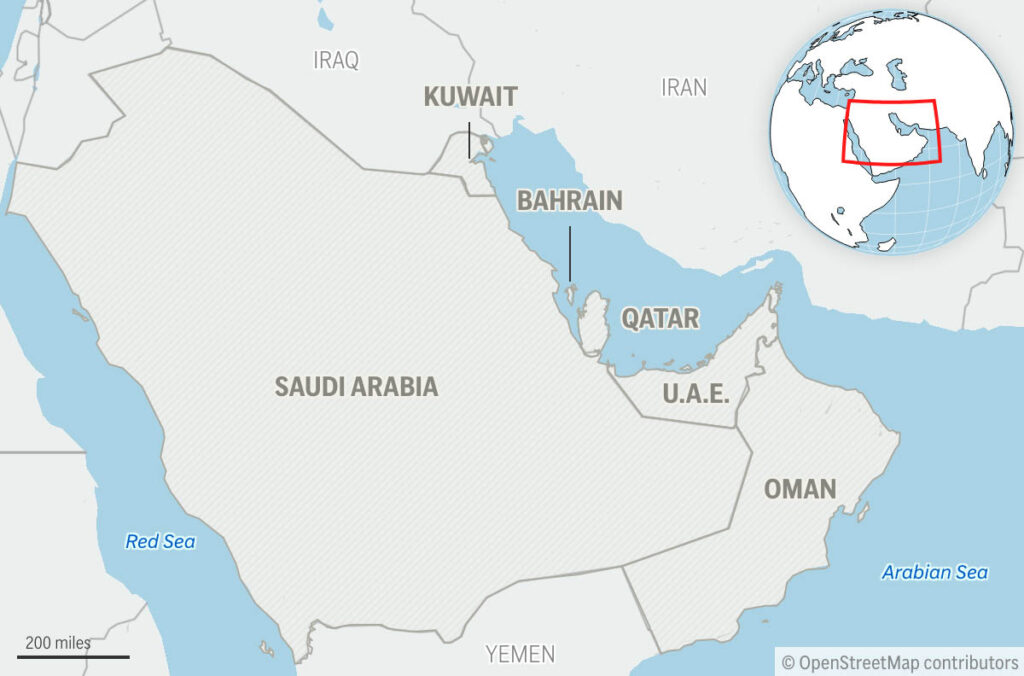
Hours later, Iran launched missiles toward locations housing American troops in Kuwait, prompting defensive responses from both Kuwaiti and U.S. forces.
The exchange marks one of the most significant flare-ups since ceasefire negotiations began between Washington and Tehran.
US Military Responds To Drone Shootdown
According to U.S. Central Command, American aircraft carried out strikes Saturday and Sunday targeting military infrastructure near Geruk and on Qeshm Island.
Officials said the operation was a direct response to Iran’s destruction of an American MQ-1 drone.
“The measured and deliberate strikes occurred … in response to aggressive Iranian actions that included the shootdown of a U.S. MQ-1 drone that was operating over international waters,” Central Command said.
The military reported that fighter aircraft destroyed Iranian air defense systems, a ground control station, and two one-way attack drones viewed as threats to regional maritime traffic.
Iran Responds With Missile Launches
Iran quickly answered the American operation.
Early Monday, Kuwaiti authorities reported incoming missile and drone threats that triggered the country’s air defense systems.
At approximately the same time, Iran’s paramilitary Revolutionary Guard announced it had retaliated against what it described as an American attack.
Iranian officials did not initially identify the target, but the timing strongly suggested the operation was linked to military facilities in Kuwait.
State-run media later released footage showing ballistic missile launches connected to the operation.
US Says Missiles Were Intercepted
American officials said the Iranian attack failed to cause casualties.
Central Command reported that U.S. forces intercepted two ballistic missiles launched toward bases hosting American personnel.
“No Americans were hurt,” the military said in its assessment.
The successful interception prevented what could have become a far more serious escalation and allowed both sides to avoid immediate casualties despite the exchange of fire.
Kuwait Becomes Latest Flashpoint
The attack highlights Kuwait’s growing strategic importance during the crisis.
The country hosts U.S. Army Central, the Army’s primary forward command headquarters for operations throughout the Middle East.
Its military infrastructure plays a critical role in regional logistics, command operations, and force coordination.
As tensions rise, American facilities throughout the Gulf region remain potential targets for Iranian retaliation.
Kuwait’s rapid activation of air defenses underscores the heightened security environment facing U.S. allies across the region.
Propaganda Message Accompanies Missile Launch
Iranian state television also broadcast images that appeared designed to send a political message.
Footage showed a missile bearing a sticker depicting President Donald Trump alongside imagery of a closed Strait of Hormuz.
The message included the phrase:
“Until the last American soldier leaves the region.”
The imagery reflected Tehran’s broader effort to frame the conflict as resistance against American military presence in the Middle East.
Strait Of Hormuz Crisis Continues
Despite ongoing diplomatic discussions, Iran continues maintaining restrictions in the Strait of Hormuz.
The strategic waterway remains one of the world’s most important shipping corridors and historically carries a substantial portion of global oil and natural gas exports.
Disruptions have significantly reduced commercial traffic and increased energy costs worldwide.
Beyond oil markets, the restrictions are also affecting shipments of chemical fertilizers, creating concerns about food production and agricultural supply chains.
Analysts warn that prolonged disruptions could contribute to broader economic instability and inflationary pressures.
Global Economic Impact Expands
The consequences of the maritime standoff extend far beyond the Middle East.
The Gulf region supplies roughly 30% of globally traded chemical fertilizers, making shipping disruptions particularly important for agriculture.
Reduced exports have heightened concerns about future food shortages and increased costs for farmers worldwide.
Energy markets also remain volatile as traders monitor developments in both the Strait of Hormuz and ceasefire negotiations.
Every military exchange raises concerns that shipping routes could face additional restrictions.
Recent Maritime Confrontations Add Pressure
The latest strikes follow several recent incidents involving commercial shipping.
Over the weekend, U.S. forces reportedly disabled a Gambia-flagged cargo vessel attempting to reach an Iranian port despite the ongoing blockade.
Only a limited number of commercial vessels have successfully navigated through the region since the conflict escalated.
The maritime disputes have become a central component of broader U.S.-Iran tensions and remain a key issue in ceasefire negotiations.
Negotiations Continue Despite Violence
Even as military exchanges intensify, diplomats continue pursuing a broader agreement.
President Donald Trump met with advisers last week but has not yet approved a proposed framework that would extend the ceasefire and reopen the Strait of Hormuz.
Iranian officials continue insisting that no final agreement has been reached.
U.S. Vice President JD Vance recently suggested negotiators are working toward general principles governing Iran’s nuclear program before addressing more detailed provisions.
Iran Expresses Continued Distrust
Iranian officials remain skeptical about Washington’s intentions.
Foreign Ministry spokesperson Esmail Baghaei criticized the United States for repeatedly shifting its negotiating positions.
“From the beginning, we knew — and we continue to know — that we are negotiating in an atmosphere of mistrust,” Baghaei said.
His comments reflect longstanding tensions that continue to complicate diplomatic efforts.
Trump Remains Optimistic
Despite the latest violence, President Trump projected confidence about the prospects for an agreement.
In a social media post, he argued that Iran remains interested in reaching a deal.
“Iran really wants to make a deal, and it will be a good one for the U.S.A. and those that are with us,” Trump wrote.
“Just sit back and relax, it will all work out well in the end — It always does!”
Whether that optimism proves justified may depend on whether both sides can prevent additional military incidents from derailing already fragile negotiations.