

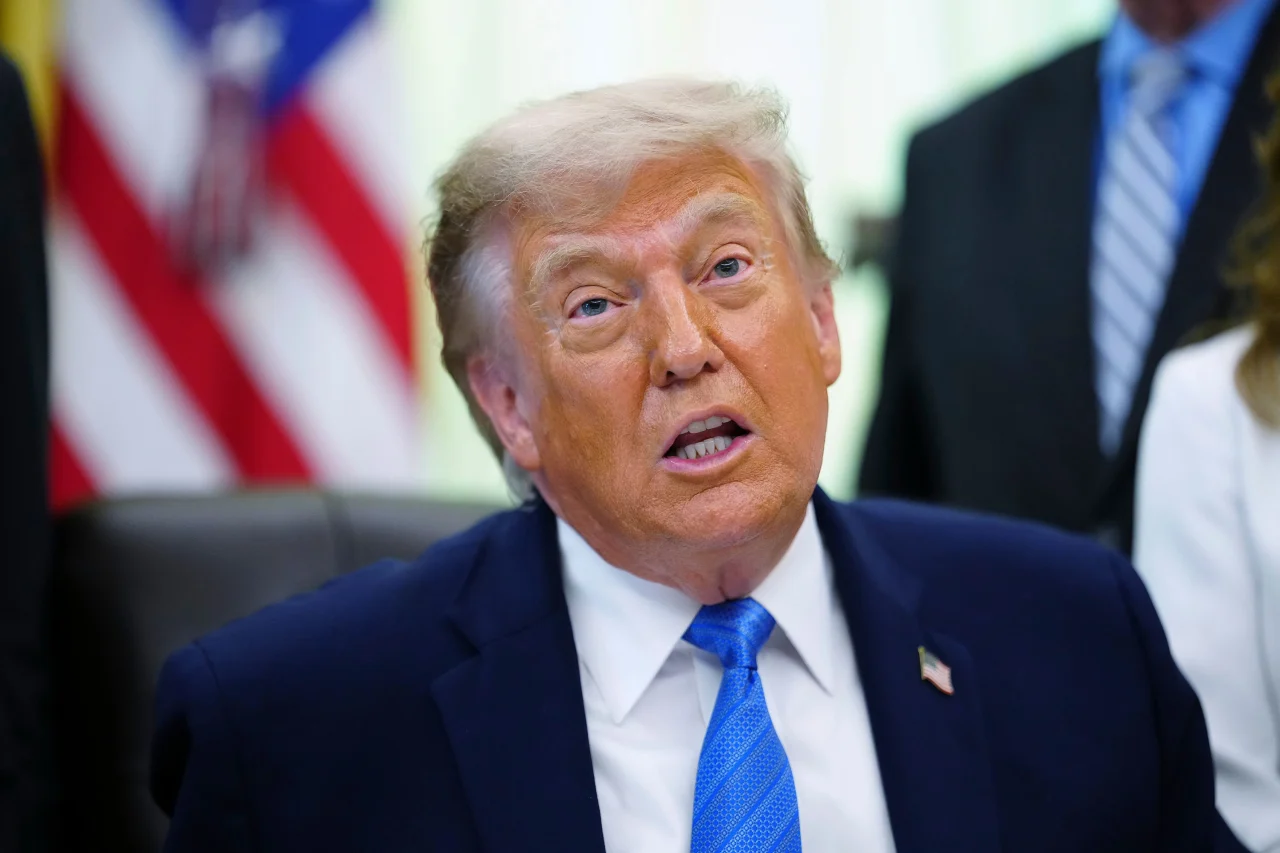
Trump Signs $70 Billion Immigration Enforcement Bill Into Law Through 2029/ Newslooks/ WASHINGTON/ J. Mansour/ Morning Edition/ President Donald Trump signed legislation providing nearly $70 billion for immigration enforcement through the remainder of his presidency. The law allocates billions to ICE and Border Patrol operations while advancing the administration’s goal of dramatically expanding deportations. Republicans celebrated the measure as a border security victory, while Democrats criticized it as a massive expansion of immigration enforcement with limited oversight.
Trump Immigration Enforcement Funding Quick Looks
- Trump signed a nearly $70 billion immigration enforcement bill.
- Law provides funding through the next three years.
- ICE will receive $38 billion.
- Border Patrol will receive $26 billion.
- Additional $5 billion set aside for unforeseen expenses.
- House passed the measure by a 214-212 vote.
- Democrats unanimously opposed the legislation.
- Funding supports Trump’s deportation agenda through 2029.
- Earlier proposals for White House security funding were removed.
- Immigration remains a central Republican midterm election issue.

Deep Look
Trump Signs Major Immigration Enforcement Funding Package
President Donald Trump signed legislation Wednesday that delivers nearly $70 billion in funding for federal immigration enforcement agencies, significantly strengthening his administration’s border security and deportation efforts for the remainder of his term.
The signing took place in the Oval Office, one day after House Republicans narrowly approved the measure and sent it to the president’s desk.
The legislation represents one of the largest immigration enforcement funding packages in recent history and provides long-term financial support for agencies responsible for carrying out the administration’s immigration policies.
Bill Provides Billions for ICE and Border Patrol
According to the White House, the funding package allocates:
- $38 billion for U.S. Immigration and Customs Enforcement (ICE)
- $26 billion for U.S. Border Patrol operations
- $5 billion for emergency and unforeseen enforcement costs
The money will fund operations over the next three years, effectively covering the remainder of Trump’s presidency and extending into 2029.
Administration officials say the law front-loads funding that would normally be appropriated annually, creating stability for immigration enforcement agencies and reducing the likelihood of future funding battles.
Funding Supports Trump’s Deportation Goals
The legislation is expected to play a major role in advancing the administration’s immigration agenda.
Trump has repeatedly pledged to conduct one of the largest deportation operations in American history. Administration officials have previously stated goals of removing as many as one million people annually who are living in the United States illegally.
The new funding provides resources for:
Expanded Detention Operations
Additional funding is expected to support detention facilities, transportation resources and operational capacity for ICE.
Increased Border Security Measures
Border Patrol resources will help maintain enforcement efforts along the southern border while expanding surveillance and interdiction capabilities.
Operational Flexibility
Supporters argue the legislation gives immigration agencies the tools needed to carry out federal law and enhance public safety.
Six-Month Political Battle Comes to an End
Trump’s signature ends a contentious funding dispute that lasted nearly six months.
The conflict began after the deaths of two U.S. citizens, Alex Pretti and Renee Good, during federal immigration enforcement operations in Minneapolis earlier this year.
Following those incidents, Democrats demanded significant changes to immigration enforcement practices before agreeing to additional funding.
The disagreement led to a prolonged impasse over Department of Homeland Security funding and contributed to what became the longest shutdown in the agency’s history.
Negotiations ultimately failed, leading Republicans to move forward without Democratic support.
Republicans Advance Measure Without Democratic Votes
The legislation passed the House by an extremely narrow margin of 214-212.
Republicans relied almost entirely on party unity to move the bill through Congress.
Democrats argued that additional funding should have been tied to reforms involving enforcement procedures, accountability measures and oversight requirements.
However, the final version contained no major operational reforms sought by Democratic lawmakers.
Instead, Republicans structured the package as a focused immigration enforcement measure centered on funding rather than policy changes.
Earlier Provisions Were Removed
The bill underwent significant revisions before final passage.
Several controversial proposals were stripped from the legislation after drawing bipartisan criticism.
Among the removed provisions were:
White House Security Funding
Lawmakers debated more than $1 billion in additional security spending, including funding connected to Trump’s proposed White House ballroom project.
Compensation Fund Proposal
Another proposal would have created a $1.8 billion fund designed to compensate individuals who claimed they had been unfairly investigated or prosecuted due to political reasons.
Both provisions faced political resistance and were ultimately abandoned.
Their removal helped narrow the legislation’s focus exclusively to immigration enforcement.
Immigration Remains Key Republican Issue
Republican leaders continue to view immigration as one of the most important issues heading into the 2026 midterm elections.
The GOP has consistently highlighted border security, illegal immigration and enforcement policies as major distinctions between Republicans and Democrats.
Supporters of the legislation argue that voters want stronger border controls and increased enforcement of immigration laws.
The administration has repeatedly pointed to immigration as one of its strongest political issues and views the funding package as a major legislative achievement.
Democrats Raise Concerns Over Oversight
Democratic lawmakers have strongly criticized the funding package.
Opponents argue the legislation dramatically expands enforcement operations while providing limited new oversight or accountability measures.
Critics also contend that resources could have been paired with broader immigration reforms, including changes affecting asylum processing, legal immigration pathways and enforcement transparency.
Supporters reject those concerns, saying the primary responsibility of the federal government is to enforce existing immigration laws and secure the nation’s borders.
Long-Term Impact on Homeland Security Operations
With funding secured through the next three years, federal immigration agencies now have a more predictable budget outlook than they have experienced in years.
The legislation allows Homeland Security officials to plan staffing, detention capacity, transportation logistics and enforcement operations over a longer horizon.
The funding may also reduce future budget battles in Congress by providing agencies with resources well beyond the traditional annual appropriations cycle.
For the Trump administration, the bill represents a major policy victory and a significant step toward implementing its broader immigration enforcement strategy.
Looking Ahead
The administration is expected to move quickly to deploy the new funding and expand enforcement operations nationwide.
As the 2026 midterm elections approach, immigration is likely to remain a central political issue, with Republicans pointing to the funding package as evidence of their commitment to border security and Democrats continuing to question the scope and oversight of enforcement efforts.
The new law ensures that immigration enforcement will remain at the forefront of national policy debates throughout the remainder of Trump’s presidency.






You must Register or Login to post a comment.