

US-Iran Deal Advances Toward Ending Regional War/ Newslooks/ WASHINGTON/ J. Mansour/ Mornng Edition/ The United States and Iran reached an initial agreement to extend their ceasefire. The deal could reopen the Strait of Hormuz and ease global energy markets. Major obstacles remain, including Israel’s actions in Lebanon and Iran’s nuclear program.
US-Iran Peace Deal Quick Looks
- Initial agreement reached; formal signing expected Friday in Geneva.
- Strait of Hormuz reopening could stabilize global oil markets.
- Israel says it will not withdraw from Lebanese territory.
- Iran’s nuclear program remains unresolved.
- Global leaders cautiously welcomed the breakthrough.
- Technical negotiations on uranium could last 60 days.
Deep Look
US-Iran Deal Reached to End War and Reopen Strait of Hormuz, but Major Challenges Remain
Initial US-Iran Agreement Marks Major Diplomatic Breakthrough
DUBAI, United Arab Emirates — The United States and Iran reached an initial agreement Monday aimed at ending months of war and reopening the strategically vital Strait of Hormuz, offering hope for regional stability and relief to global energy markets.
The preliminary accord extends a fragile ceasefire and sets the stage for a formal signing ceremony scheduled for Friday in Geneva, Switzerland. Mediator Pakistan confirmed the timeline, though implementation of the deal will not begin until both sides officially sign the agreement.
Despite the breakthrough, significant obstacles remain — including unresolved disputes over Iran’s nuclear program and continued fighting involving Israel and Hezbollah in Lebanon.
Even if the Strait of Hormuz reopens this week, experts warn it could take months for global oil and gas markets to recover from the disruptions caused by the conflict.
Israel’s Role in Lebanon Could Threaten the Agreement
One of the biggest uncertainties surrounding the deal is the ongoing conflict in Lebanon.
Israel, which joined the United States in launching military operations against Iran on Feb. 28, is not a party to the agreement. However, its actions could significantly impact whether the deal survives.
On Monday, Israel’s defense minister reiterated that Israeli forces would not withdraw from territories seized during operations against the Iranian-backed Hezbollah group.
A spokesman for Prime Minister Benjamin Netanyahu’s office said Israel would continue to defend itself against security threats.
That stance may complicate the agreement because Tehran has repeatedly insisted that any deal ending the war must also include an end to fighting in Lebanon.
The situation remains tense after Israeli strikes on Beirut’s southern suburbs nearly derailed negotiations over the weekend.
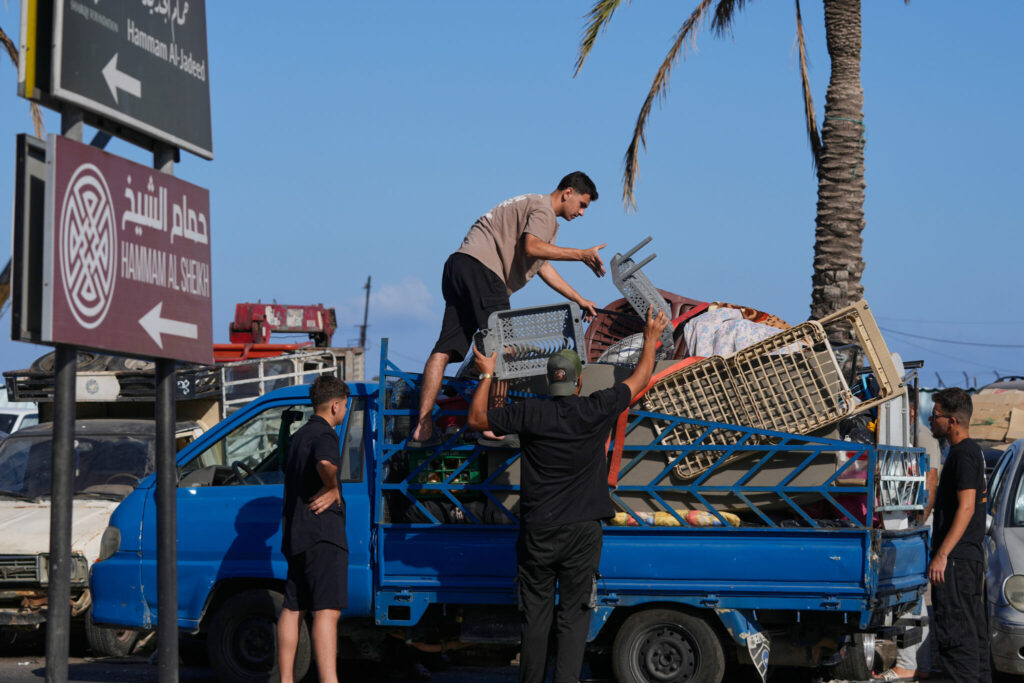
Meanwhile, the Lebanese army urged residents not to rush back to border villages due to the risk of “Israeli violations and aggression.”
Hezbollah has not publicly commented on the agreement.
Strait of Hormuz Reopening Could Ease Global Energy Crisis
The reopening of the Strait of Hormuz is one of the deal’s most consequential provisions.
Before the conflict, nearly one-fifth of the world’s oil and natural gas supplies passed through the narrow waterway. Iranian attacks on commercial vessels early in the war sharply reduced traffic, prompting the United States to impose a naval blockade.
The closure sent global energy prices soaring and contributed to rising costs for fuel, food and essential goods worldwide.
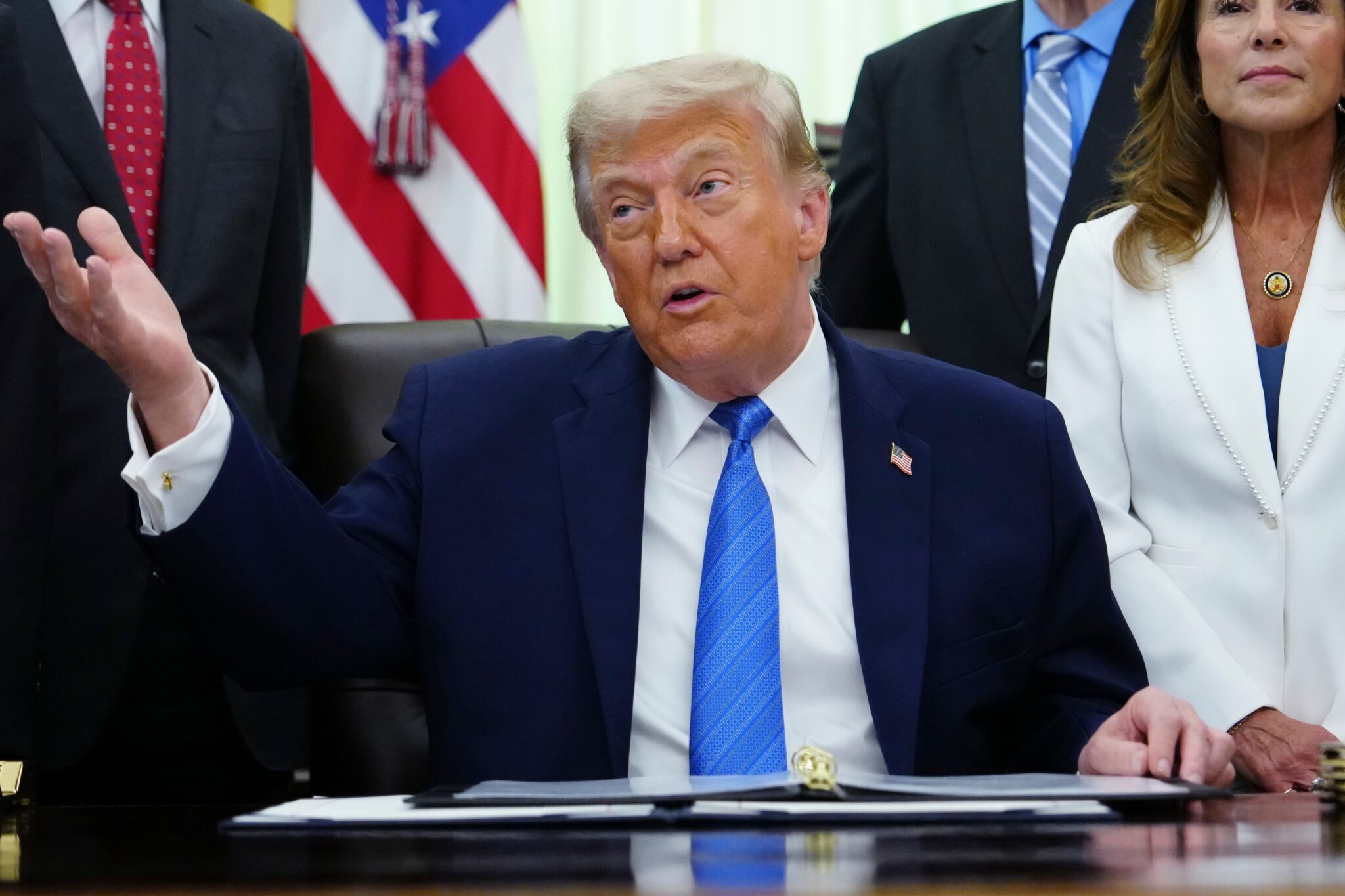
President Donald Trump celebrated the agreement on social media, saying he had authorized the reopening of the strait and the end of the U.S. blockade of Iranian ports.
However, Trump later clarified that the strait would officially reopen only after Friday’s signing ceremony.
Iranian Deputy Foreign Minister Kazem Gharibabadi confirmed the agreement on state television, while emphasizing that implementation would begin only after the formal signing.
Energy analysts say restoring shipping operations and stabilizing markets could take several months.
Iranian and U.S. officials are expected to hold preparatory talks in Doha, Qatar, before the signing ceremony in Geneva, according to a diplomat familiar with the negotiations.
Iran Nuclear Program Remains a Key Challenge
While the ceasefire agreement marks progress, Iran’s nuclear program remains one of the most difficult issues left unresolved.
The framework reportedly grants negotiators just 60 days to determine the future of Iran’s highly enriched uranium stockpile and broader nuclear activities.
The United States and Israel have long expressed concern that Tehran could use its nuclear program to develop weapons. Iran has consistently denied those allegations, maintaining that its program serves peaceful purposes.
Negotiating the 2015 nuclear agreement took years of diplomacy among Iran and world powers. President Trump withdrew the United States from that accord during his first term, a move many analysts view as a turning point that contributed to rising tensions in the region.
The war that followed has killed thousands, reshaped regional alliances and significantly disrupted global trade.
World Leaders Welcome the US-Iran Agreement
Despite lingering concerns, leaders around the world welcomed news of the agreement.
French President Emmanuel Macron, speaking during preparations for the Group of Seven summit, said Western allies are prepared to help restore maritime security in the Strait of Hormuz once conditions allow.
France and Britain have advocated for an international mission to guarantee safe passage through the waterway.
“We already have forces in the area” including France’s nuclear-powered aircraft carrier, the Charles de Gaulle, Macron said in an interview Monday on French television TF1.
Still, some leaders cautioned against assuming success before the deal is signed.
Luxembourg Foreign Minister Xavier Bettel noted: “It’s a long time till Friday.”
What Happens Next?
With a signing ceremony planned in Geneva later this week, diplomats are racing to finalize one of the most significant Middle East agreements in years.
Yet the path to lasting peace remains uncertain.
The future of Iran’s nuclear program, Israel’s military operations in Lebanon and the reopening of one of the world’s most important shipping lanes will likely determine whether this agreement becomes a durable peace framework — or simply a temporary pause in a volatile conflict that has already transformed the region and the global economy.




You must Register or Login to post a comment.