

Oil Prices Fall to $80 as US-Iran Deal Boosts Markets and Eases Inflation Fears/ Newslooks/ WASHINGTON/ J. Mansour/ Morning Edition/ Oil prices dropped to around $80 a barrel as optimism grew over the U.S.-Iran agreement to reopen the Strait of Hormuz. U.S. stocks hovered near record highs while investors awaited the Federal Reserve’s interest rate decision. Falling energy prices eased inflation concerns, though uncertainty remains over Iran’s nuclear negotiations.
Oil Prices and Stock Market Quick Looks
- Brent crude fell below $81 per barrel for the first time since March.
- Investors remain hopeful the U.S.-Iran deal will stabilize global energy markets.
- The S&P 500 traded near record highs despite a slight pullback.
- AI-related stocks continued to show mixed performance.
- SpaceX extended gains following its Wall Street debut.
- The Federal Reserve began its latest policy meeting Tuesday.
- Treasury yields eased as inflation concerns softened.
- Japan’s central bank raised rates to their highest level in decades.
- Home construction in the U.S. slowed more than expected in May.
- Lower oil prices could reduce pressure on households and businesses.
Deep Look
Oil Prices Slide as Markets Welcome Iran Agreement
Global oil prices continued their decline Tuesday as investors grew increasingly optimistic that the tentative agreement between the United States and Iran could help stabilize energy markets and reduce inflationary pressures worldwide.
Brent crude, the international benchmark for oil prices, fell 3.6% to about $80.20 per barrel after briefly dipping below $80 for the first time since early March.
The drop marks a sharp reversal from just weeks ago when oil traded above $100 per barrel amid escalating tensions in the Middle East.
Investors are betting that reopening the Strait of Hormuz—a critical shipping route for global energy supplies—could restore oil flows and ease disruptions that have fueled inflation across the world economy.
However, analysts caution that major hurdles remain before energy markets fully normalize.
Iran Negotiations Still Face Significant Challenges
While markets have welcomed the agreement, key issues remain unresolved.
Negotiators still must address Iran’s nuclear program and determine how future compliance will be monitored and enforced.
Even if the Strait of Hormuz fully reopens later this week, energy experts warn that it may take months for oil producers and shipping companies to return operations to full capacity.
The prolonged conflict pushed up the cost of fuel, food and fertilizers globally, creating inflationary pressures that weighed heavily on consumers and businesses.
The recent decline in oil prices has therefore been viewed as a positive signal for the global economy.
Wall Street Drifts Near Record Highs
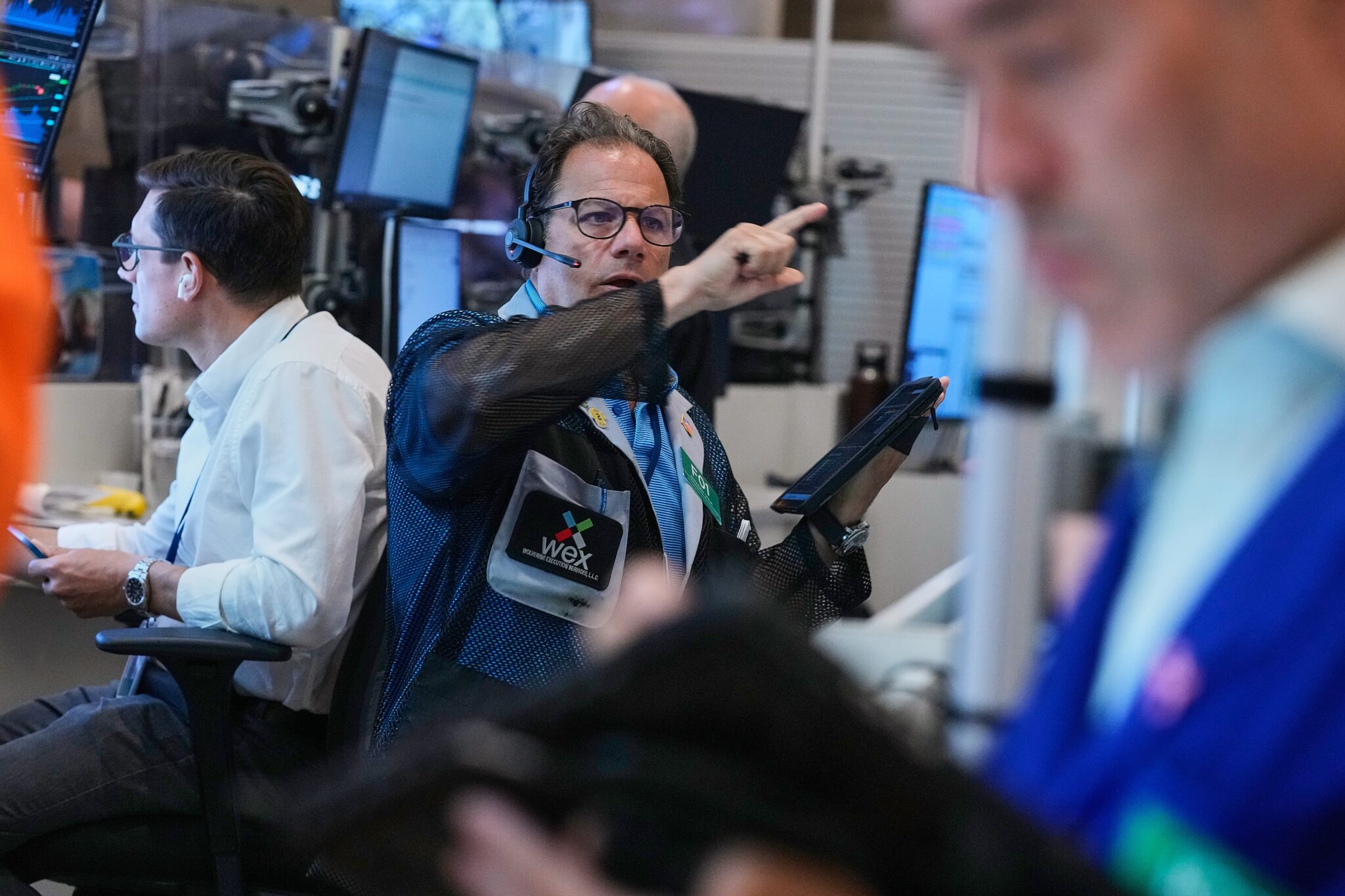
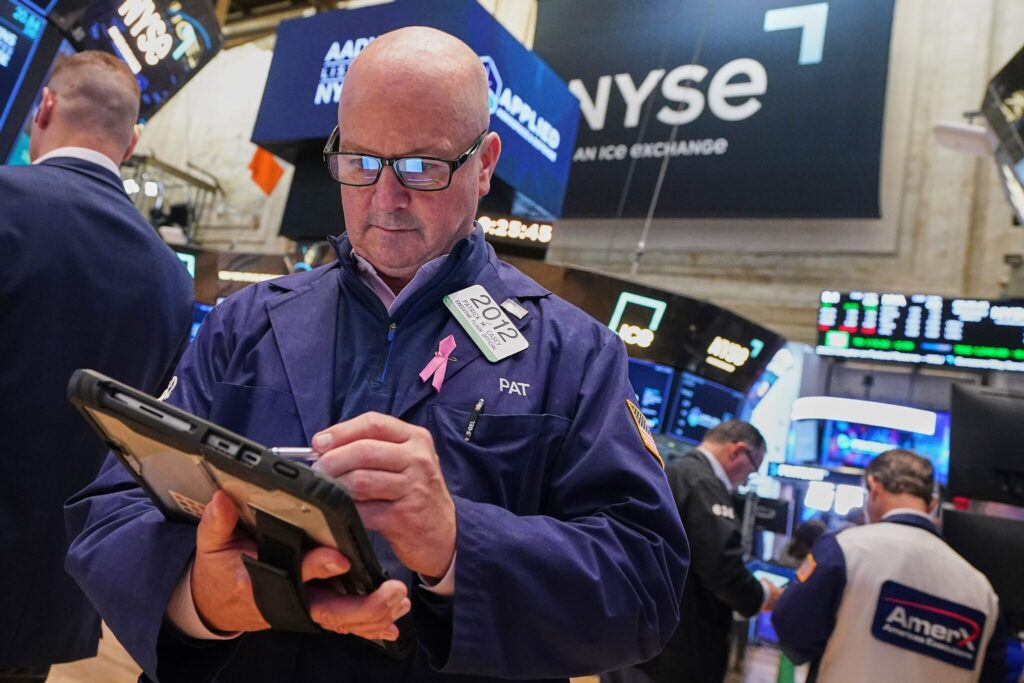
U.S. stock indexes traded mixed Tuesday as investors balanced optimism over falling oil prices with caution ahead of the Federal Reserve’s interest rate decision.
The S&P 500 slipped 0.2% but remained within 1% of its all-time high reached earlier this month.
Meanwhile, the Dow Jones Industrial Average rose nearly 300 points, while the Nasdaq Composite edged lower.
Investors continue to monitor inflation trends closely because lower energy costs could reduce pressure on central banks to maintain high interest rates.
Bond markets also reflected easing concerns, with the yield on the 10-year Treasury note declining to 4.45%.
Lower bond yields often provide support for stocks and other risk assets.
AI Stocks Continue Their Volatile Run
Artificial intelligence companies remained among the market’s biggest movers.
The sector has experienced dramatic swings in recent weeks as investors debate whether valuations have risen too quickly amid enthusiasm over AI technologies.
Seagate Technology gained 3.6%, while Nvidia fell 1.5% after leading much of Wall Street’s rally this year.
SpaceX continued its strong performance following its recent stock market debut, rising another 7%.
The company announced plans to acquire Cursor, an AI coding assistant platform, in a deal valuing the company at approximately $60 billion.
The transaction underscores the growing race among technology firms to expand their AI capabilities.
Corporate News Drives Individual Stocks
Several major companies also made headlines Tuesday.
Yum Brands rose 2.4% after announcing plans to sell the Pizza Hut chain for $2.7 billion. Most locations will be acquired by private equity firm LongRange Capital, while mainland China operations will transfer to Yum China Holdings.
Meanwhile, Robinhood Markets slipped 1.2% after revealing plans to reduce its workforce by roughly 10%.
Dave & Buster’s Entertainment fell 3.6% after reporting weaker-than-expected quarterly earnings and a decline in revenue.
These company-specific developments added to broader market movements as investors continued to digest global economic developments.
Central Banks Remain in Focus
Financial markets are also closely watching central bank decisions around the world.
Japan’s central bank raised interest rates to 1%, its highest level in three decades, following a recent move by the European Central Bank.
The Federal Reserve began its latest policy meeting Tuesday under new Chair Kevin Warsh, who was nominated by President Donald Trump.
While Trump has repeatedly advocated for lower interest rates to boost economic growth, most analysts expect the Fed to keep rates unchanged.
The central bank’s decision Wednesday will be closely scrutinized for clues about future monetary policy.
Housing and Growth Concerns Persist
Despite improving sentiment in energy markets, some areas of the economy remain under pressure.
A report released Tuesday showed that U.S. housing starts fell more than economists expected in May, suggesting higher borrowing costs continue to weigh on construction activity.
Elevated mortgage rates and tighter financial conditions have slowed housing demand, highlighting ongoing challenges even as inflation begins to moderate.
For investors, the combination of lower oil prices, easing yields and central bank decisions may determine whether markets can sustain their recent rally.






You must Register or Login to post a comment.