

JD Vance Says US Lifts Iran Ports Blockade Under New Deal/ Newslooks/ WASHINGTON/ J. Mansour/ Morning Edition/ Vice President JD Vance announced the U.S. has begun lifting its naval blockade of Iran under the new agreement. More than a dozen ships have reportedly reached Iranian ports as oil exports resume through the Strait of Hormuz. The move marks one of the first major steps in implementing the tentative U.S.-Iran agreement.
US Iran Blockade Lifted Quick Looks
- JD Vance says the U.S. is honoring early terms of the Iran agreement.
- More than 12 ships have been allowed to enter Iranian ports.
- Oil shipments are resuming through the Strait of Hormuz.
- More than 12.5 million barrels reportedly moved through the waterway overnight.
- The agreement ends active hostilities between the U.S. and Iran.
- A 60-day negotiation period has begun for a final nuclear accord.
- Iran is expected to dilute highly enriched uranium under supervision.
- Critics argue the agreement gives Iran significant early concessions.
- The reopening of the Strait could ease global energy pressures.
- Additional nuclear negotiations remain unresolved.
Deep Look
United States Begins Implementing Iran Agreement
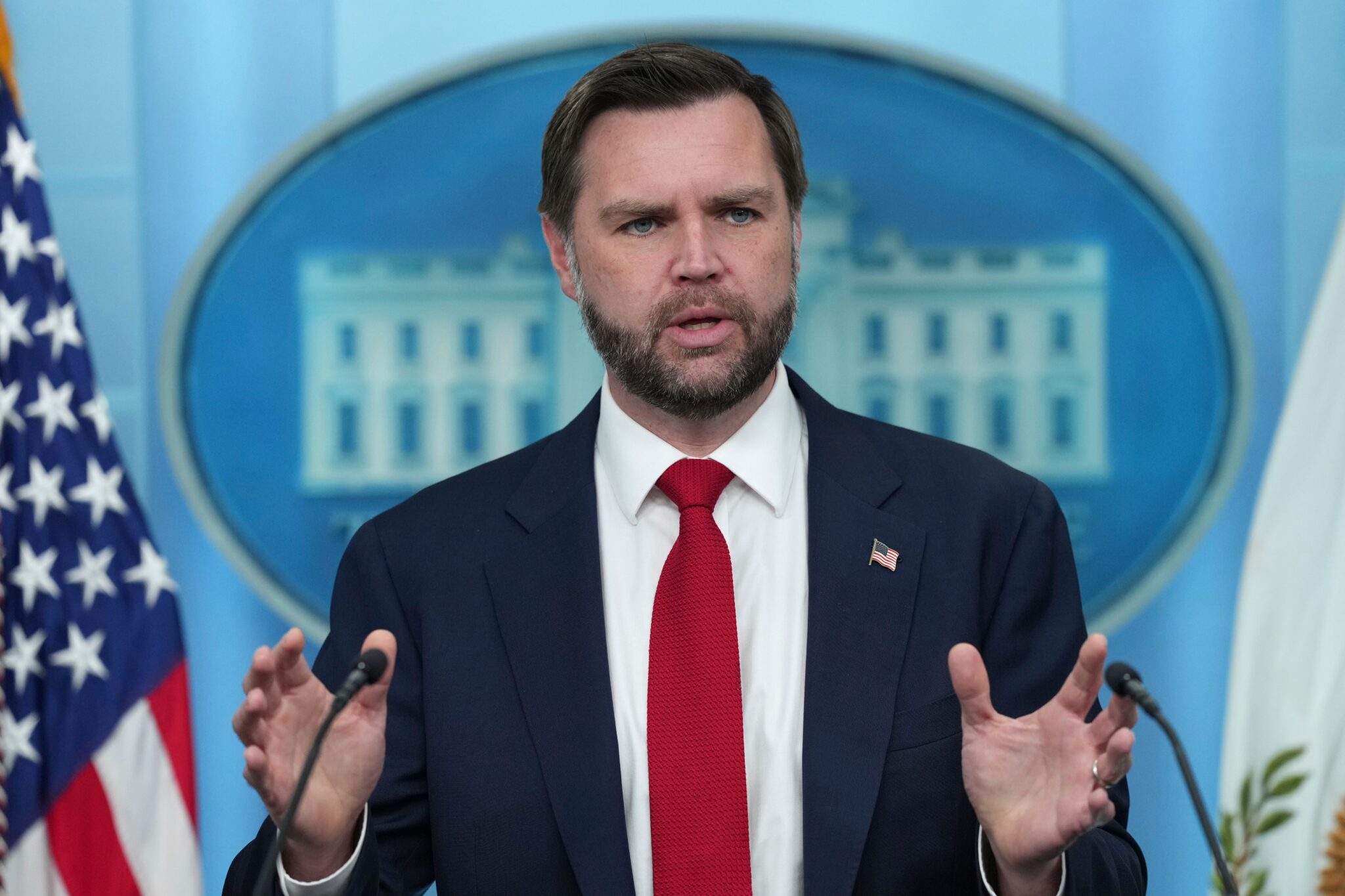
Vice President JD Vance announced Thursday that the United States has started carrying out one of the most visible provisions of its newly signed agreement with Iran by allowing commercial vessels to reach Iranian ports and restoring maritime traffic through the Strait of Hormuz.
Speaking during a White House briefing, Vance said the U.S. Navy had permitted more than a dozen ships to transit to Iranian ports, effectively lifting a naval blockade that had become one of the central elements of the conflict between Washington and Tehran.
According to Vance, the move demonstrates that the United States is honoring its obligations under the recently signed memorandum of understanding designed to end months of fighting and establish a framework for future negotiations.
The reopening of shipping lanes marks a significant development in efforts to stabilize energy markets and reduce tensions throughout the Middle East.
Oil Flow Through Hormuz Resumes
One of the most important immediate outcomes of the agreement is the restoration of commercial traffic through the Strait of Hormuz.
The strategic waterway serves as one of the world’s most critical energy corridors, carrying a substantial share of global oil and natural gas exports.
During the conflict, restrictions on maritime traffic severely disrupted global energy supplies, contributing to higher oil prices and increased economic uncertainty around the world.
Vance said more than 12.5 million barrels of oil passed through the strait overnight, signaling a rapid return of commercial activity.
The reopening is expected to help ease supply concerns that emerged during the conflict and could contribute to lower energy prices if shipments continue without interruption.
Early Signs of Economic Relief
The renewed flow of oil is already being closely watched by financial markets, energy companies and governments worldwide.
Analysts have viewed the reopening of the Strait of Hormuz as one of the most significant economic components of the agreement because the channel serves as a vital export route for major oil-producing nations in the Persian Gulf.
Reports earlier this week indicated that Iranian tankers had already begun moving through the waterway after restrictions were eased.
Two oil tankers reportedly crossed through the area carrying millions of barrels of Iranian crude, signaling a return to normal operations after months of disruption.
The resumption of exports could provide Iran with badly needed revenue while helping stabilize international energy markets that experienced significant volatility during the war.
Vance Defends the Agreement
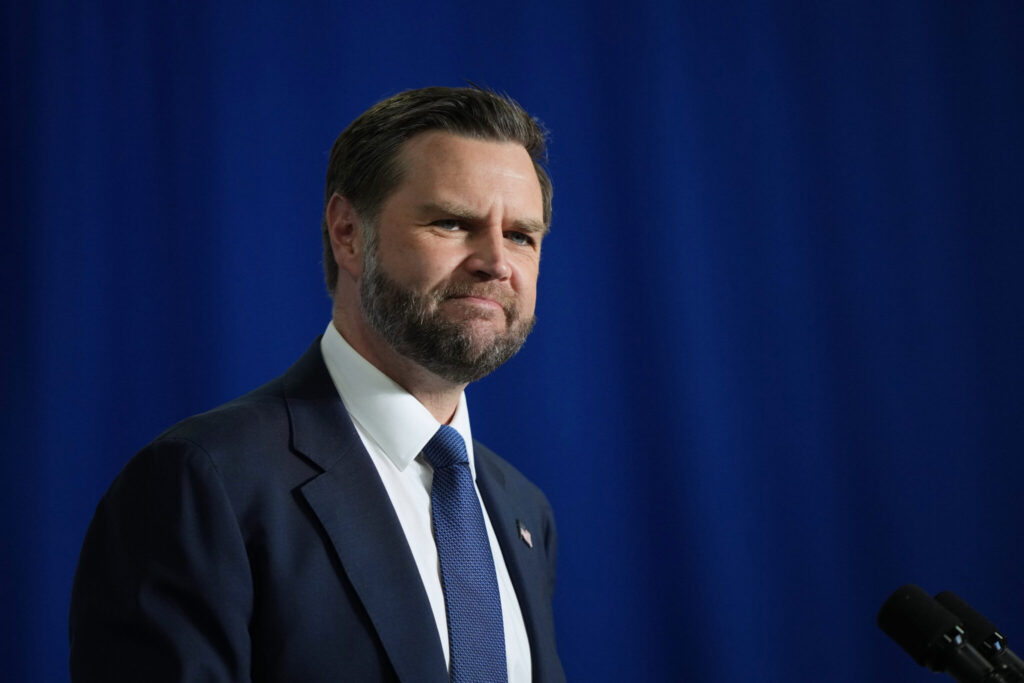
The vice president used the briefing to push back against criticism that the agreement offers too many benefits to Iran without securing enough concessions in return.
Opponents of the deal, including some members of Congress and foreign policy analysts, have argued that Tehran receives immediate economic advantages while key nuclear questions remain unresolved.
Vance countered that the agreement represents only the beginning of a broader diplomatic process and emphasized that the United States is simply carrying out the commitments it agreed to during the initial phase.
He described the reopening of shipping routes and the lifting of the blockade as examples of Washington fulfilling its side of the bargain.
Administration officials argue that demonstrating good-faith compliance is essential if negotiations are to succeed over the coming weeks.
Nuclear Issues Still Require Negotiation
Although the memorandum establishes a framework for peace, many of the most difficult issues remain unsettled.
The agreement states that Iran must not develop or acquire nuclear weapons and requires that its stockpile of highly enriched uranium be diluted under international supervision.
However, specific mechanisms for verification, inspections and long-term nuclear restrictions are expected to be negotiated during the 60-day period established by the agreement.
Questions also remain about the ultimate fate of Iran’s existing nuclear materials, the extent of sanctions relief and the timeline for future implementation steps.
These unresolved matters are likely to dominate discussions between negotiators as they work toward a comprehensive settlement.
A Return to the Pre-War Status Quo
Many provisions of the agreement effectively restore conditions that existed before the conflict began.
The deal calls for an end to military hostilities, the reopening of commercial shipping routes and the resumption of diplomatic engagement regarding Iran’s nuclear program.
Supporters argue that returning to stability is preferable to a prolonged conflict that could further damage global economic conditions and increase regional instability.
Whether the agreement ultimately succeeds may depend on whether negotiators can reach a durable and enforceable final accord.
What Comes Next
The focus now shifts to the 60-day negotiation period outlined in the memorandum.
During that time, American and Iranian officials will attempt to transform the preliminary agreement into a comprehensive framework addressing nuclear activities, sanctions, regional security concerns and long-term verification measures.
The reopening of the Strait of Hormuz and the lifting of maritime restrictions represent early confidence-building measures.
But larger questions about Iran’s nuclear future, enforcement mechanisms and the durability of the ceasefire remain unanswered.
For now, both sides appear committed to moving forward with implementation while preparing for what could be the most consequential phase of negotiations.





You must Register or Login to post a comment.