

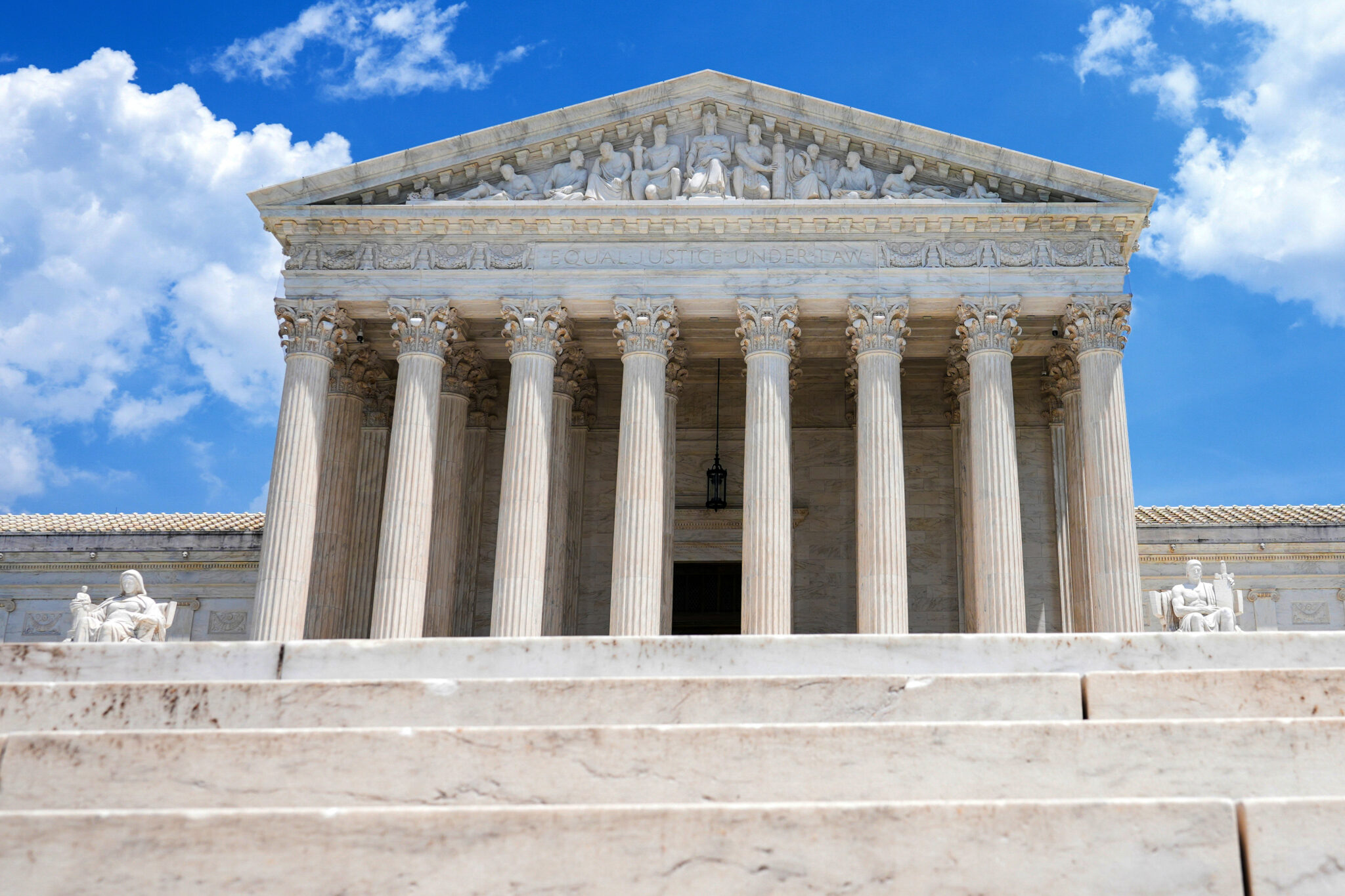
Supreme Court Limits Ban on Gun Ownership by Marijuana Users/ Newslooks/ WASHINGTON/ J. Mansour/ Morning Edition/ The U.S. Supreme Court unanimously ruled that regular marijuana users cannot automatically be banned from owning firearms. The decision sided with Texas resident Ali Danial Hemani, who challenged a federal law dating back to 1968. The ruling narrows government authority to restrict gun ownership while continuing the court’s expansion of Second Amendment protections.
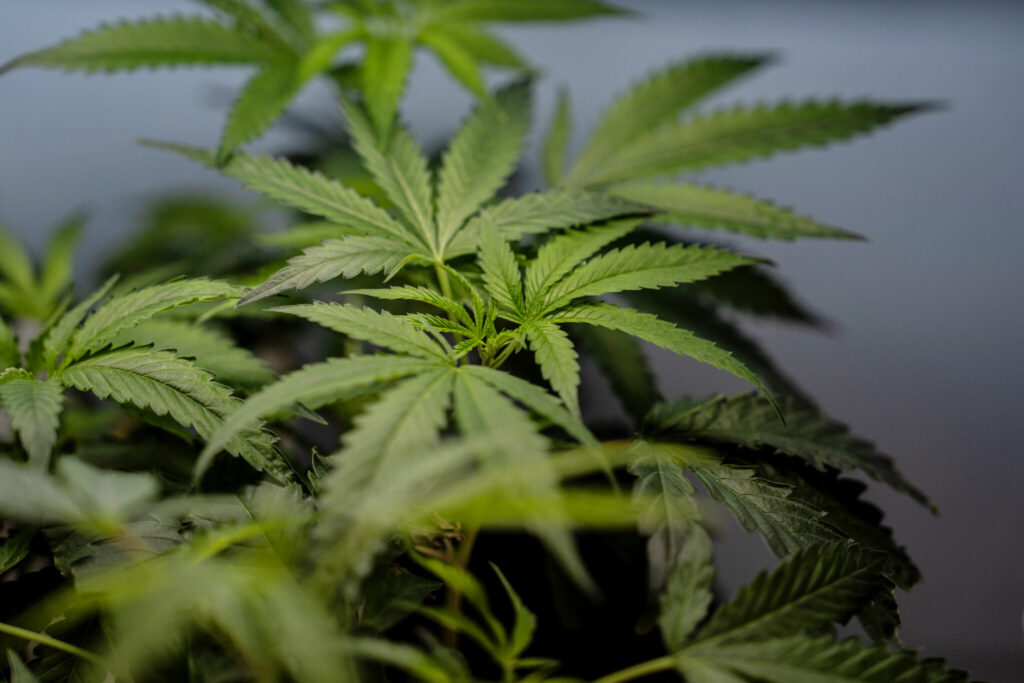
Supreme Court Marijuana Gun Rights Ruling Quick Looks
- Supreme Court ruled unanimously in favor of a Texas marijuana user.
- Decision challenges a federal law restricting gun ownership by illegal drug users.
- Justice Neil Gorsuch authored the court’s opinion.
- Court said the government cannot broadly assume marijuana users are dangerous.
- Ruling narrows federal firearm restrictions tied to cannabis use.
- Hunter Biden’s gun conviction involved the same federal statute.
- Marijuana remains illegal under federal law despite state legalization efforts.
- Civil liberties and gun-rights groups supported the challenge.
- Gun-control organizations expressed concern over public safety implications.
- Decision adds to a series of recent rulings expanding Second Amendment rights.
Deep Look
Supreme Court Delivers Major Second Amendment Victory
The U.S. Supreme Court on Thursday struck down a broad federal restriction that prohibited regular marijuana users from owning firearms, marking another significant victory for gun-rights advocates and continuing the court’s recent trend of expanding Second Amendment protections.
In a unanimous decision, the justices sided with Texas resident Ali Danial Hemani, who argued that the federal government violated his constitutional rights by barring him from possessing a firearm solely because of his marijuana use.
The ruling narrows the federal government’s ability to disqualify individuals from gun ownership based on drug use alone and signals that future firearm restrictions will face heightened constitutional scrutiny.
Court Rejects Broad Assumption About Marijuana Users
Writing for the court, Justice Neil Gorsuch emphasized that the decision was limited in scope and focused specifically on individuals who use marijuana but are not considered dangerous.
The federal government had defended a law enacted in 1968 that prohibited firearm possession by anyone who regularly uses illegal drugs. Government lawyers argued the restriction was justified because the law was designed to prevent potentially dangerous individuals from possessing weapons.
Gorsuch disagreed with the government’s reasoning.
He noted that marijuana use has become widespread across the United States and is now legal for medical or recreational purposes in many states. Millions of Americans use cannabis legally under state laws, making it difficult for the government to argue that all marijuana users are inherently dangerous.
The court concluded that the administration’s argument failed to justify such a sweeping prohibition.
Decision Does Not Protect Dangerous Drug Users
The ruling does not completely eliminate restrictions involving drugs and firearms.
Gorsuch specifically noted that the court was not addressing situations involving individuals who are addicted to illegal substances, intoxicated while carrying weapons, or otherwise considered dangerous.
Federal prosecutors may still pursue charges if they can demonstrate that a firearm owner presents a genuine public safety threat.
The opinion leaves open the possibility that more narrowly tailored restrictions could survive constitutional challenges in future cases.
Case Carries Broader National Significance
The ruling has implications far beyond Hemani’s individual case.
The same federal law played a role in the prosecution of Hunter Biden, who was convicted of purchasing a firearm while addicted to cocaine. President Joe Biden later granted his son a pardon.
The case also arrives as marijuana laws continue evolving nationwide. While cannabis remains illegal under federal law, recreational or medical use has become legal in many states, creating ongoing conflicts between federal regulations and state policies.
The Trump administration recently moved to reclassify medical marijuana as a less dangerous substance, reflecting changing attitudes toward cannabis regulation.
Unusual Coalition Forms Around Case
The case produced a rare alliance among organizations that often find themselves on opposite sides of legal and political debates.
Groups supporting Hemani included the American Civil Liberties Union, the National Rifle Association and cannabis legalization advocates such as NORML.
The coalition argued that the government was improperly depriving millions of Americans of a constitutional right based on broad assumptions rather than individualized evidence of danger.
The ACLU praised the ruling, saying the decision reinforces constitutional protections and prevents the government from criminalizing large groups of people without sufficient justification.
The National Rifle Association and other Second Amendment advocates also celebrated the outcome as a major win for firearm owners.
Gun-Control Groups Raise Concerns
Organizations advocating for stricter gun laws expressed concern about the potential consequences of the decision.
Smart Approaches to Marijuana, a group opposed to marijuana legalization, argued that the ruling could undermine public safety and create new risks by expanding access to firearms among drug users.
Everytown for Gun Safety offered a more measured response, emphasizing that firearms and drug use can still create dangerous situations and noting that the ruling does not eliminate all restrictions involving substance abuse.
The debate reflects broader tensions between expanding constitutional rights and maintaining public safety protections.
Another Landmark Gun Rights Decision
The ruling adds to a growing list of major firearm decisions issued by the Supreme Court since its landmark 2022 Second Amendment ruling.
That earlier decision significantly expanded gun rights and triggered legal challenges to firearm restrictions across the country.
Since then, the Supreme Court has upheld some gun regulations, including laws protecting domestic violence victims and rules governing ghost gun kits. However, it has also struck down restrictions such as the federal ban on bump stocks.
The justices are currently considering another major Second Amendment case involving Hawaii’s strict regulations on carrying firearms in public.
What Happens Next
Legal experts expect the decision to trigger additional challenges to federal and state firearm restrictions tied to drug use.
Because marijuana legalization continues to expand nationwide, courts will likely face increasing pressure to determine how gun laws should apply to cannabis users whose conduct is legal under state law but remains prohibited federally.
For now, the Supreme Court’s ruling makes clear that the government cannot automatically strip firearm rights from marijuana users based solely on generalized assumptions about dangerousness.
The decision marks another significant milestone in the ongoing legal battle over the scope of Second Amendment protections in modern America.






You must Register or Login to post a comment.