

Israel-Lebanon Attacks Derail Vance-Led Iran Negotiations in Switzerland/ Newslooks/ WASHINGTON/ J. Mansour/ Morning Edition/ Planned U.S.-Iran negotiations in Switzerland were postponed after Iran refused to attend while fighting continued in Lebanon. Vice President JD Vance delayed his trip as Israel and Hezbollah exchanged deadly attacks. The setback threatens momentum behind the recently signed agreement aimed at addressing Iran’s nuclear program and reopening global oil routes.
US-Iran Negotiations Delayed Quick Looks
- Iran canceled its planned trip to Switzerland.
- Fighting between Israel and Hezbollah triggered the postponement.
- JD Vance was set to lead the U.S. delegation.
- A renewed Israel-Lebanon ceasefire was later announced.
- Trump publicly criticized Iran following the delay.
- Talks are intended to address Iran’s nuclear program.
- The agreement reopened the Strait of Hormuz.
- Iran’s supreme leader endorsed direct negotiations.
- Political pressure on Vance continues to grow.
- Future talks remain possible but unscheduled.
Deep Look
US Push for Iran Talks Hits Early Obstacle as Lebanon Fighting Disrupts Diplomatic Momentum
The Trump administration’s effort to quickly launch negotiations with Iran encountered its first major challenge Friday after escalating violence in Lebanon forced the postponement of planned talks in Switzerland.
The talks were expected to mark the beginning of an intensive diplomatic phase following a recently signed agreement that paused direct hostilities between Washington and Tehran and reopened the Strait of Hormuz to commercial shipping.
Instead, Iranian officials declined to travel, insisting that Israeli military operations against Hezbollah in Lebanon must stop before negotiations could proceed.
The development immediately cast uncertainty over a process that administration officials had hoped would build momentum toward a broader agreement on Iran’s nuclear program.
Vance’s Switzerland Mission Abruptly Halted
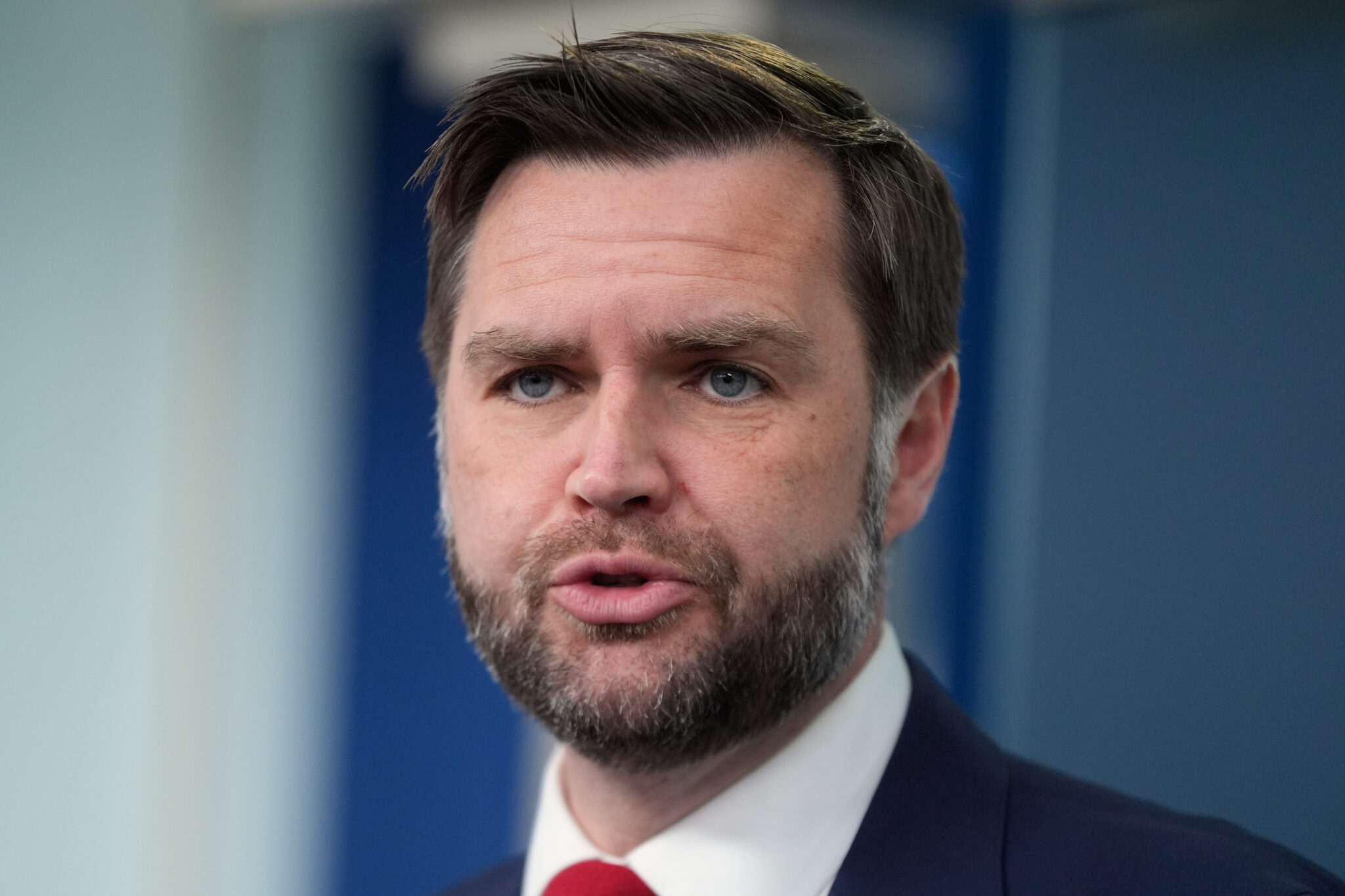
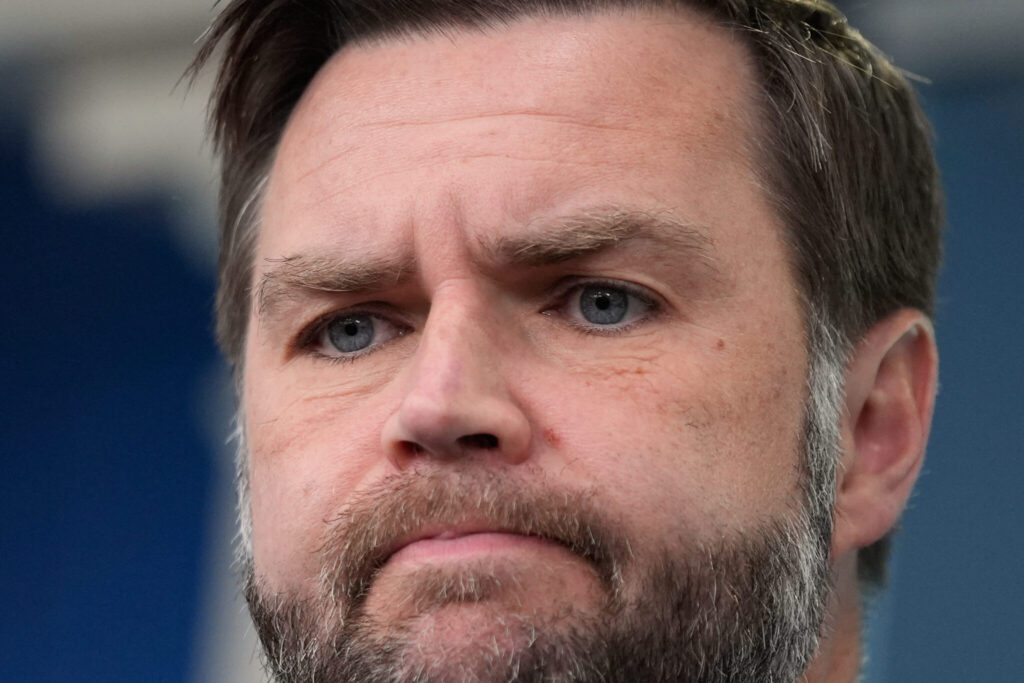
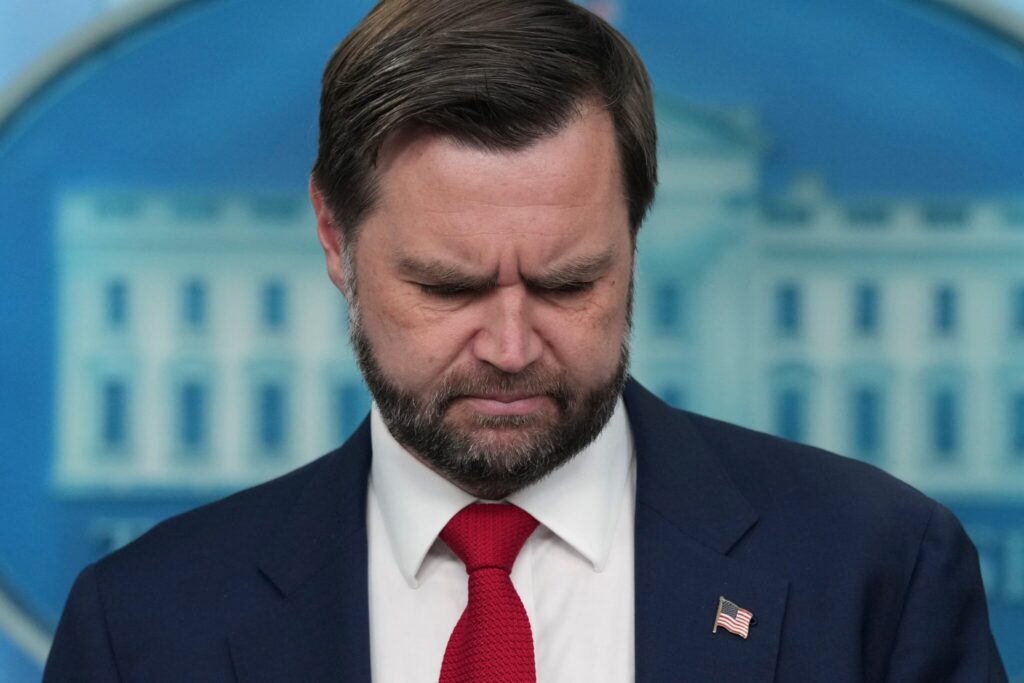
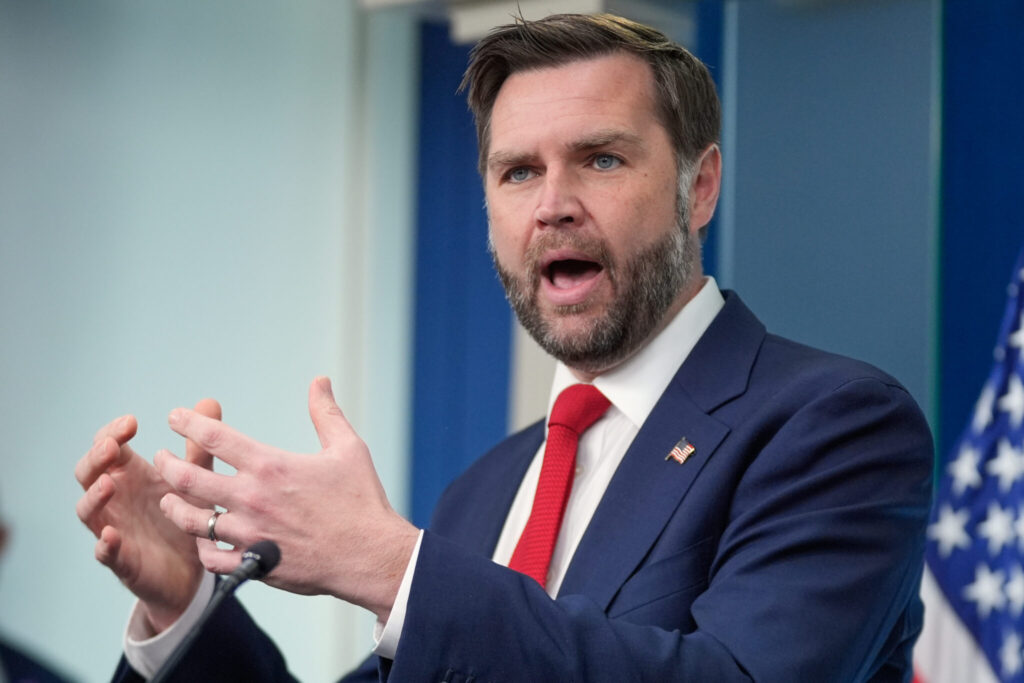
Vice President JD Vance had been preparing to travel to Switzerland to begin what were expected to be highly technical discussions with Iranian representatives.
Preparations were already underway. White House officials, support staff and members of the press corps had assembled in anticipation of the trip, while advance teams had arrived in Switzerland.
The journey was canceled at the last moment.
Officially, the White House cited logistical complications.
Behind the scenes, however, officials indicated that Iranian representatives informed Washington they would not participate while military operations continued in Lebanon.
The sudden change underscored the fragile nature of the newly established diplomatic framework and demonstrated how developments elsewhere in the region can quickly influence negotiations between Washington and Tehran.
Fighting in Lebanon Becomes the Central Issue
The postponement came amid some of the most intense fighting in Lebanon since the broader regional agreement was reached.
Israeli airstrikes reportedly killed at least 18 people, while four Israeli soldiers died during clashes in southern Lebanon.
Prime Minister Benjamin Netanyahu reiterated that Israeli forces would remain inside a designated security zone in southern Lebanon for as long as Israeli security requires.
That position directly conflicts with Iranian demands.
Tehran has repeatedly insisted that Israel withdraw from occupied areas in southern Lebanon. While the interim agreement supports Lebanon’s territorial integrity, it does not explicitly require an Israeli withdrawal, creating a significant source of tension.
The disagreement has become one of the biggest threats to the broader diplomatic process.
Signs of Progress Emerge
Despite the setback, there were indications that diplomacy remained alive.
Regional and U.S. officials confirmed that Israel and Lebanon later agreed to renew their ceasefire, raising hopes that negotiations could eventually be rescheduled.
Iran’s Supreme Leader Ayatollah Mojtaba Khamenei also appeared to offer political cover for renewed engagement with Washington.
In comments carried by Iranian state media, Khamenei endorsed direct negotiations while emphasizing that talks would not mean accepting American positions.
The statement was viewed as a significant signal from Tehran’s leadership that negotiations remain an option despite current frustrations.
For Iran’s government, direct talks with the United States represent a notable shift after years of resistance to face-to-face engagement.
From Signing Ceremony to Technical Talks
The Switzerland meeting was originally expected to serve as a formal signing ceremony for the agreement.
Instead, President Donald Trump signed the memorandum during a high-profile dinner at the Palace of Versailles hosted by French President Emmanuel Macron. Iranian President Masoud Pezeshkian separately approved the document.
The agreement established a 60-day framework for negotiating a permanent settlement.
Among its provisions, Iran agreed to dilute or otherwise address its stockpile of highly enriched uranium under international supervision. Tehran also reaffirmed that it would not pursue nuclear weapons.
However, many critical details remain unresolved and will require extensive negotiations.
Iran Believes It Holds Leverage
Analysts suggest Tehran enters any future negotiations believing it possesses considerable bargaining power.
Iran’s actions in and around the Strait of Hormuz created major disruptions to global energy markets and demonstrated its ability to influence international trade flows.
Some experts argue that the United States is now attempting to negotiate a return to conditions that existed before the conflict erupted.
Within Iran, leaders are presenting the talks as evidence that Washington was ultimately forced to engage directly with Tehran after months of confrontation.
That narrative is intended to strengthen domestic support for the government and reinforce perceptions of national resilience.
Political Stakes Rise for Vance
The negotiations carry substantial political significance for Vice President Vance.
Long regarded as a skeptic of foreign military interventions, Vance has become the administration’s most visible advocate for pursuing a diplomatic resolution with Iran.
His role places him at the center of a politically sensitive issue that has divided both Republicans and Democrats.
Some conservatives argue the agreement offers too many concessions to Tehran, while others support efforts to avoid a prolonged conflict.
Several Republican lawmakers have voiced concern about provisions involving economic relief and a proposed $300 billion reconstruction and development fund connected to future agreements.
Vance and Trump have repeatedly emphasized that American taxpayer money would not finance such initiatives and that any economic benefits would depend on Iranian compliance.
Diplomatic Window Remains Open
Although Friday’s postponement slowed momentum, neither side has abandoned negotiations.
The renewed Israel-Lebanon ceasefire could provide an opportunity to reschedule talks and return attention to the core objective: reaching a lasting agreement governing Iran’s nuclear activities.
With a 60-day negotiating window already underway, both Washington and Tehran face growing pressure to translate the preliminary accord into a more comprehensive settlement.
Whether that happens may depend as much on events in Lebanon as on discussions around the negotiating table.






You must Register or Login to post a comment.