

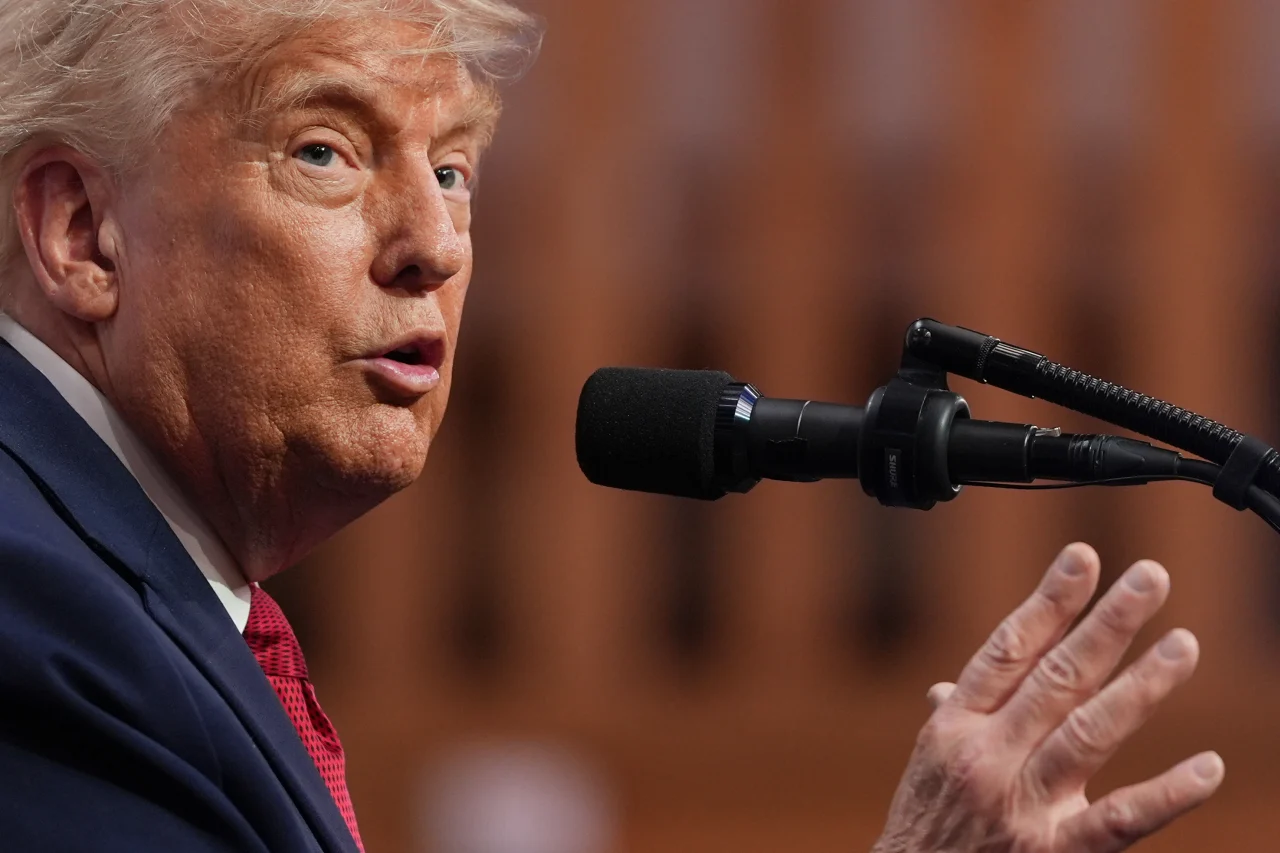
Trump Claims Unprecedented Global Power in Wide-Ranging Axios Interview/ Newslooks/ WASHINGTON/ J. Mansour/ Morning Edition/ President Donald Trump suggested he has encountered virtually no limits to presidential power following the Iran conflict. A forthcoming book details Trump’s fascination with comparisons to historical rulers including Napoleon, Alexander the Great and other world leaders. Trump argues his influence extends globally, while acknowledging economic realities remain a key constraint on presidential authority.
Trump’s Global Power Claims Quick Looks
- Trump says he has discovered “no limits” to his power.
- New book examines Trump’s view of presidential authority.
- Trump compared modern presidential power to historical rulers.
- He praised leaders such as Xi Jinping and Narendra Modi.
- Trump highlighted his influence over allies and rivals.
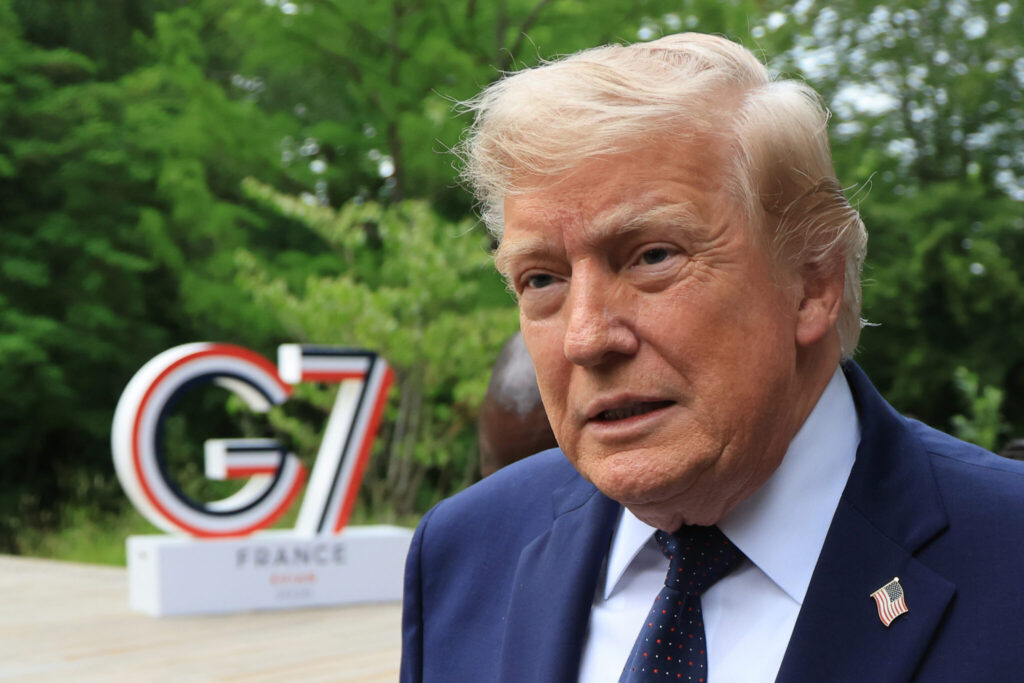
- He described the recent G7 summit as a dominant performance.
- The president emphasized his role in Middle East diplomacy.
- Trump claimed strong leverage over Israel and Iran.
- Economic concerns remain his primary limitation.
- The debate over presidential power continues to intensify.
Deep Look
Trump’s Expansive View of Presidential Power Draws Attention
President Donald Trump is increasingly framing his presidency through the lens of historical power, portraying the modern American commander-in-chief as a figure capable of wielding influence on a global scale unmatched by many leaders who shaped world history.
In a recent interview with Axios, Trump reflected on his growing confidence in the reach of presidential authority, arguing that events surrounding the Iran conflict demonstrated how much influence the White House can exercise internationally.
According to Trump, he has found few practical limits to the power available to a president willing to use it.
New Book Reveals Fascination With Historical Comparisons
The subject receives further attention in the forthcoming book Regime Change by journalists Maggie Haberman and Jonathan Swan.
According to the authors, Trump enthusiastically discussed a document comparing his position as president to some of history’s most influential rulers and conquerors.
The document reportedly referenced figures including Alexander the Great, Julius Caesar, William the Conqueror, Napoleon Bonaparte, Joseph Stalin, Mao Zedong, Adolf Hitler and Genghis Khan.
Trump reportedly argued that modern presidents possess advantages unavailable to those historical figures, citing technology, global communication and modern transportation as examples of tools that expand contemporary power.
The book suggests Trump viewed the comparison as evidence that a modern American president can exercise influence in ways previous rulers could not.
Measuring Influence Through Global Relationships
Throughout his public remarks, Trump has often described power in terms of influence over other leaders.
During the Axios interview, he highlighted relationships with several prominent world figures, including Chinese President Xi Jinping and Indian Prime Minister Narendra Modi.
He also lamented the absence of Russian President Vladimir Putin from the Group of Seven, noting that Russia’s removal transformed the gathering from the G8 into the current G7 structure.
The comments reflected Trump’s continued interest in strong leadership styles and geopolitical influence.
Versailles Visit Reinforces Symbolism
Trump also spoke extensively about his recent visit to France, where President Emmanuel Macron hosted him at the Palace of Versailles.
The event carried significant symbolic weight given Versailles’ long association with monarchy, power and statecraft.
Trump has frequently expressed admiration for grand architecture and ceremonial displays of leadership, making the invitation particularly meaningful.
The president described the setting as one that appealed directly to his appreciation for history and prestige.
Trump Highlights Influence Over Allies
Another theme emerging from Trump’s remarks was his belief that successful alliances depend on clear leadership and respect.
Discussing Israel, Trump argued that his administration has played a decisive role in supporting the country and shaping regional developments.
He emphasized his relationship with Israeli Prime Minister Benjamin Netanyahu while also suggesting that strong American leadership is necessary to maintain stability.
Trump expressed similar confidence regarding negotiations with Iran, insisting that recent developments represented a significant strategic victory despite criticism from some conservatives and foreign policy hawks.
Economic Reality Remains a Constraint
Despite projecting confidence about presidential authority, Trump acknowledged that economic conditions remain a force no leader can fully control.
He argued that extending military conflict in the Middle East could have triggered severe economic consequences, including risks to global markets and energy supplies.
Trump pointed to declining oil prices and strong stock market performance as evidence that pursuing diplomacy was the correct decision.
In explaining his thinking, he referenced former President Herbert Hoover, whose legacy remains closely tied to the Great Depression.
Trump said avoiding a similar economic catastrophe remains one of his central responsibilities as president.
Debate Over Presidential Power Continues
Trump’s comments arrive amid ongoing national debate over executive authority, presidential influence and America’s role in global affairs.
Supporters view his approach as evidence of decisive leadership during complex international challenges. Critics argue that comparing modern presidents to historical rulers raises questions about the balance of power within democratic institutions.
Regardless of perspective, Trump’s remarks and the revelations in the upcoming book underscore how he increasingly views the presidency not only as a political office but as a platform capable of shaping global events on an unprecedented scale.
As his administration navigates challenges involving Iran, global security and economic uncertainty, questions about the scope and limits of presidential power are likely to remain at the center of public discussion.



You must Register or Login to post a comment.