

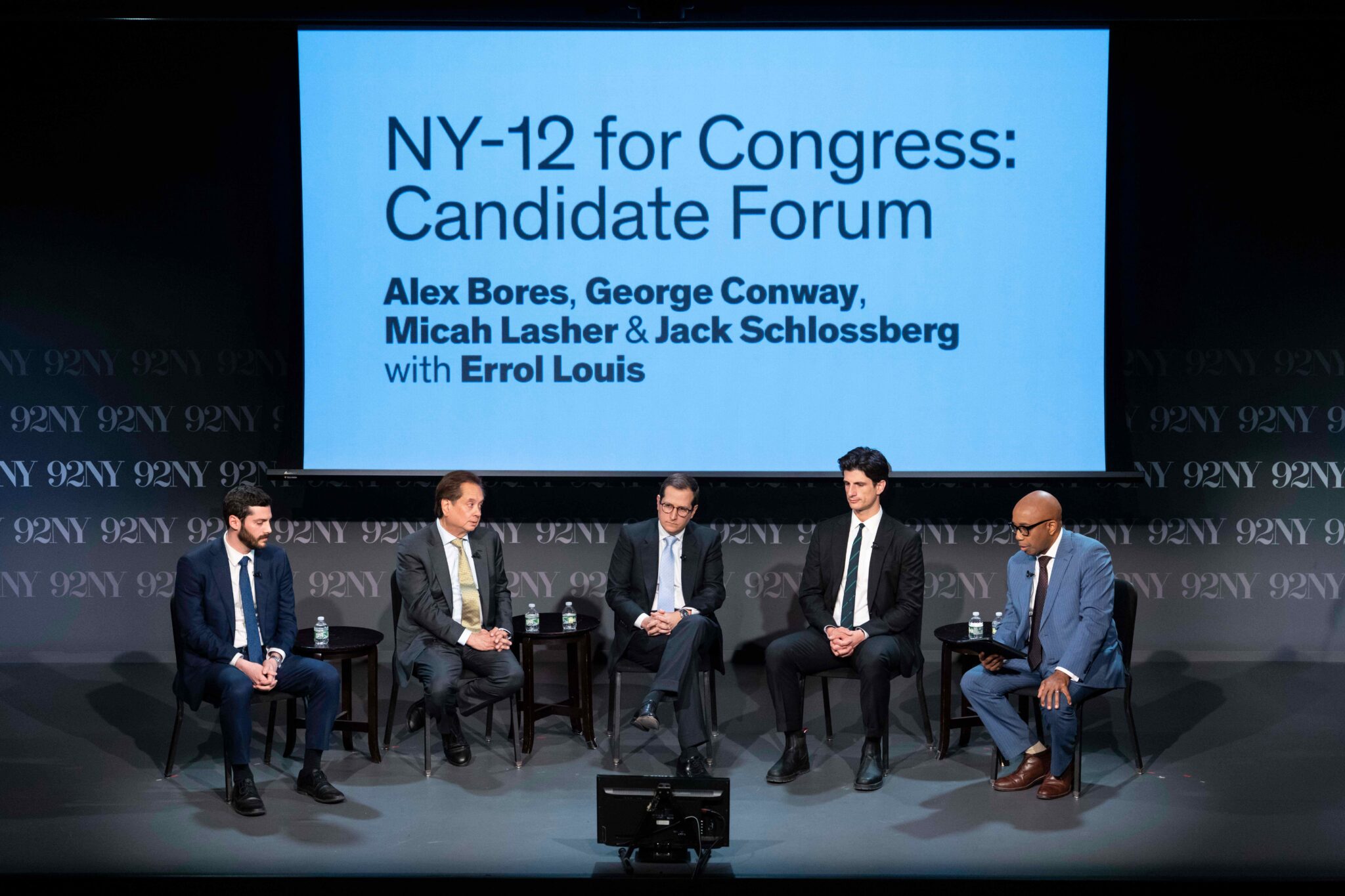
Anti-Incumbent Anger Fuels Populist Challenges in New York Primaries/ Newslooks/ WASHINGTON/ J. Mansour/ Morning Edition/ Growing voter dissatisfaction over affordability and political leadership is fueling outsider campaigns across New York. Progressive and conservative challengers are mounting serious threats to established political figures in key primary races. The anti-incumbent mood reflects a broader national trend reshaping both Democratic and Republican politics.
New York Populist Primary Challenges Quick Looks
- Voter frustration is creating opportunities for outsider candidates.
- Rising living costs remain a dominant election issue.
- Democratic Socialists are challenging establishment Democrats.
- Trump-backed candidates are testing Republican power structures.
- Incumbents face stronger threats than in previous cycles.
- Zohran Mamdani’s political rise continues to influence local races.
- Chuck Schumer and Hakeem Jeffries face growing criticism from within their party.
- Social media and grassroots fundraising have weakened traditional political advantages.
- Deep partisan districts have shifted competition into primary elections.
- Anti-establishment sentiment is shaping both parties.
Deep Look
New York’s Political Establishment Faces Growing Backlash
A powerful anti-incumbent movement is reshaping New York’s political landscape as voters increasingly express frustration with rising living costs, economic uncertainty and dissatisfaction with traditional political leadership.
Across congressional districts and local races, candidates with limited political experience are challenging longtime officeholders and party-backed successors. Many are betting that voter anger toward the political establishment will outweigh concerns about their lack of government experience.
The trend is emerging in both Democratic and Republican contests and mirrors broader national dissatisfaction with elected leaders.
Republican pollster John McLaughlin summarized the challenge facing incumbents.
“If you’re perceived as being part of the status quo, then you’ve got a problem,” said Republican pollster John McLaughlin. “Regardless of which party, if you’re perceived as bringing about change you’ll win. If you’re inside the beltway you’re not talking to normal people.”
Democratic Socialists Gain Momentum
One of the most visible examples of the anti-establishment movement can be seen in New York City’s progressive politics.
Democratic Rep. Adriano Espaillat faces a challenge from community organizer Darializa Avila Chevalier, whose campaign has gained attention through support from New York City Mayor Zohran Mamdani.
Mamdani’s own rise to power demonstrated the strength of populist messaging among Democratic voters frustrated with traditional party leadership.
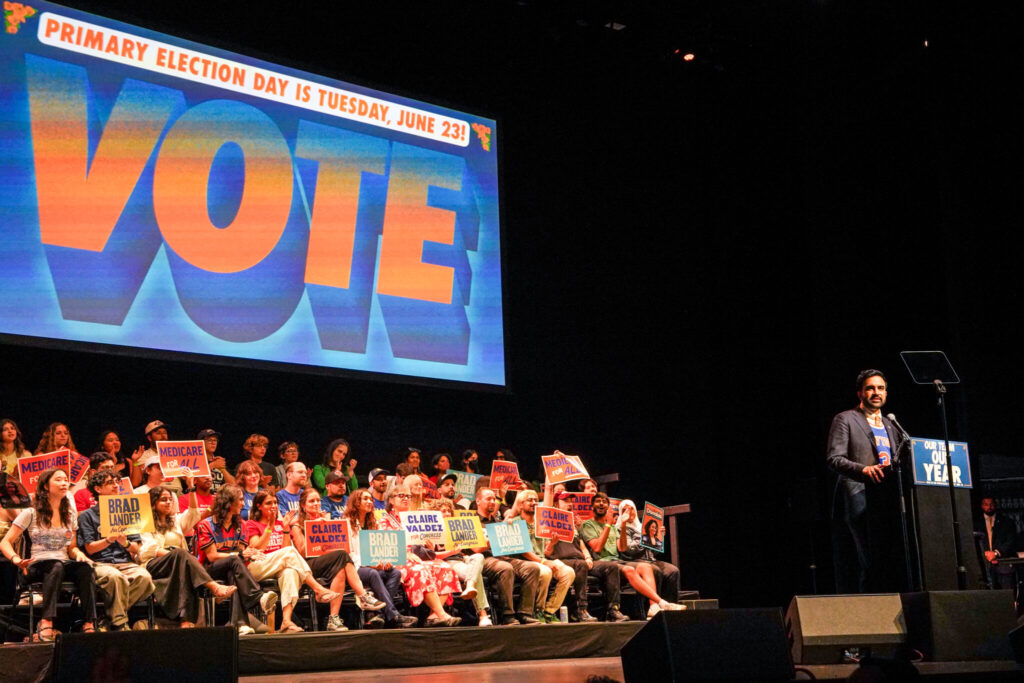
Avila Chevalier, along with Assemblymember Claire Valdez, belongs to the Democratic Socialists of America. Both candidates have positioned themselves as alternatives to party insiders and establishment figures.
Valdez is challenging Brooklyn Borough President Antonio Reynoso, who has been widely viewed as the preferred successor of Rep. Nydia Velazquez.
The contests highlight a growing divide within Democratic politics between institutional leaders and a younger progressive movement seeking significant change.
Republicans Face Their Own Internal Battles
The anti-establishment sentiment is not limited to Democrats.
In upstate New York, Republican Assemblymember Robert Smullen is battling Anthony Constantino, a businessman who secured President Donald Trump’s endorsement.
The race underscores how outsider candidates continue to challenge traditional party structures, even within Republican circles where endorsements once carried significant influence.
Recent election cycles have shown that party backing alone may no longer be enough to guarantee success.
Cost of Living Drives Voter Frustration
Political observers say affordability concerns remain the primary factor fueling voter dissatisfaction.
A Siena University survey released last month found that 48% of New Yorkers believe the state is heading in the wrong direction, while 65% said the country is on the wrong track.
Economic pressures continue to dominate voter concerns, particularly after years of inflation, housing affordability challenges and rising everyday expenses.
The issue has become politically potent not only in the United States but globally.
The same concerns have complicated the political fortunes of governments in countries such as the United Kingdom, where rising housing and utility costs have weakened public support for leaders.
Voters Increasingly Embrace Outsiders
Former Democratic Congressman Steve Israel said today’s highly polarized political environment allows candidates to overcome flaws that might once have derailed campaigns.
“We’re in a negative partisan environment and one of the most negative partisan environments we’ve ever witnessed,” Democratic former Rep. Steve Israel said. “People will overlook blemishes in their party in order to meet the existential goal of beating the other party. That creates openings for outsiders to come in with tattoos and old social media posts.”
The changing political climate has enabled candidates with unconventional backgrounds to gain traction, particularly when they position themselves against established institutions.
Observers say voters increasingly view political experience as less important than a willingness to challenge the status quo.
Democratic Leadership Faces Growing Skepticism
The anti-establishment mood is also creating headaches for Democratic leadership.
Several congressional candidates have hesitated when asked whether they would support House Minority Leader Hakeem Jeffries for speaker if Democrats regain control of the House.
Meanwhile, Senate Minority Leader Chuck Schumer faces declining popularity among many Democratic voters.
According to a Siena poll, only 33% of New York voters hold a favorable opinion of Schumer, while 52% view him unfavorably.
Among Democrats, 40% expressed negative views of the longtime senator.
Former New York City Comptroller Brad Lander, who is challenging Rep. Dan Goldman, has repeatedly argued for what he describes as “bold new leadership.”
Asked about Schumer potentially seeking reelection, Lander said, “It’s time for a new leadership in the Democratic Party.”
Mamdani’s Victory Continues to Inspire Progressives
Many progressives point to Zohran Mamdani’s successful mayoral campaign as evidence that outsider candidates can defeat established political figures.
Gustavo Gordillo, co-chair of New York City’s Democratic Socialists of America chapter, believes many voters have lost confidence in traditional Democratic leadership.
“A key factor is seeing the failures of the Democratic Party to stop Donald Trump two elections now,” Gordillo said.
“The national political situation has changed that for so many people, and that’s what created this hunger,” Gordillo said.
Progressive organizations such as Justice Democrats hope to build on that momentum by supporting candidates who challenge incumbents from the left.
“Coming off of a year when so many Democratic voters felt so cynical and disaffected by the Democratic Party, there were glimmers of hope in New York when someone like Zohran was elevated, to show, ‘Okay, we can transform this party by transforming leadership,’” said Usamah Andrabi, communications director for Justice Democrats.
“Our job is to take that momentum from Zohran’s victory and show voters you don’t have to stop here.”
Experience Versus Change
Despite the growing appetite for outsiders, incumbents continue to argue that experience matters during a turbulent political period.
Espaillat criticized his challenger by emphasizing the importance of legislative knowledge and governing experience.
”This is a critical time in America,” Espaillat said. ”We need a fighter, somebody that really knows government.”
Others, including Dan Goldman and Antonio Reynoso, have similarly argued that seniority and experience remain valuable assets in a polarized political system.
Still, analysts note that social media, online fundraising and increasingly safe partisan districts have reduced many of the traditional advantages incumbents once enjoyed.
Former Republican Congressman John Katko believes primary voters now hold enormous influence.
“You just have to care about not pissing off Trump if you’re a Republican,” former GOP Rep. John Katko said. “If you’re a Democrat you have to worry about not upsetting the far left. The cards are so stacked because of gerrymandering.”
A Political Environment Built for Upheaval
Whether incumbents survive this cycle or not, the broader trend is unmistakable.
Voters from both parties are increasingly willing to challenge established political leaders, reward candidates who position themselves as outsiders and embrace dramatic political change.
As New York’s primary elections approach, the results could provide an early indication of whether the populist energy reshaping American politics is growing stronger heading into the next national election cycle.





You must Register or Login to post a comment.