

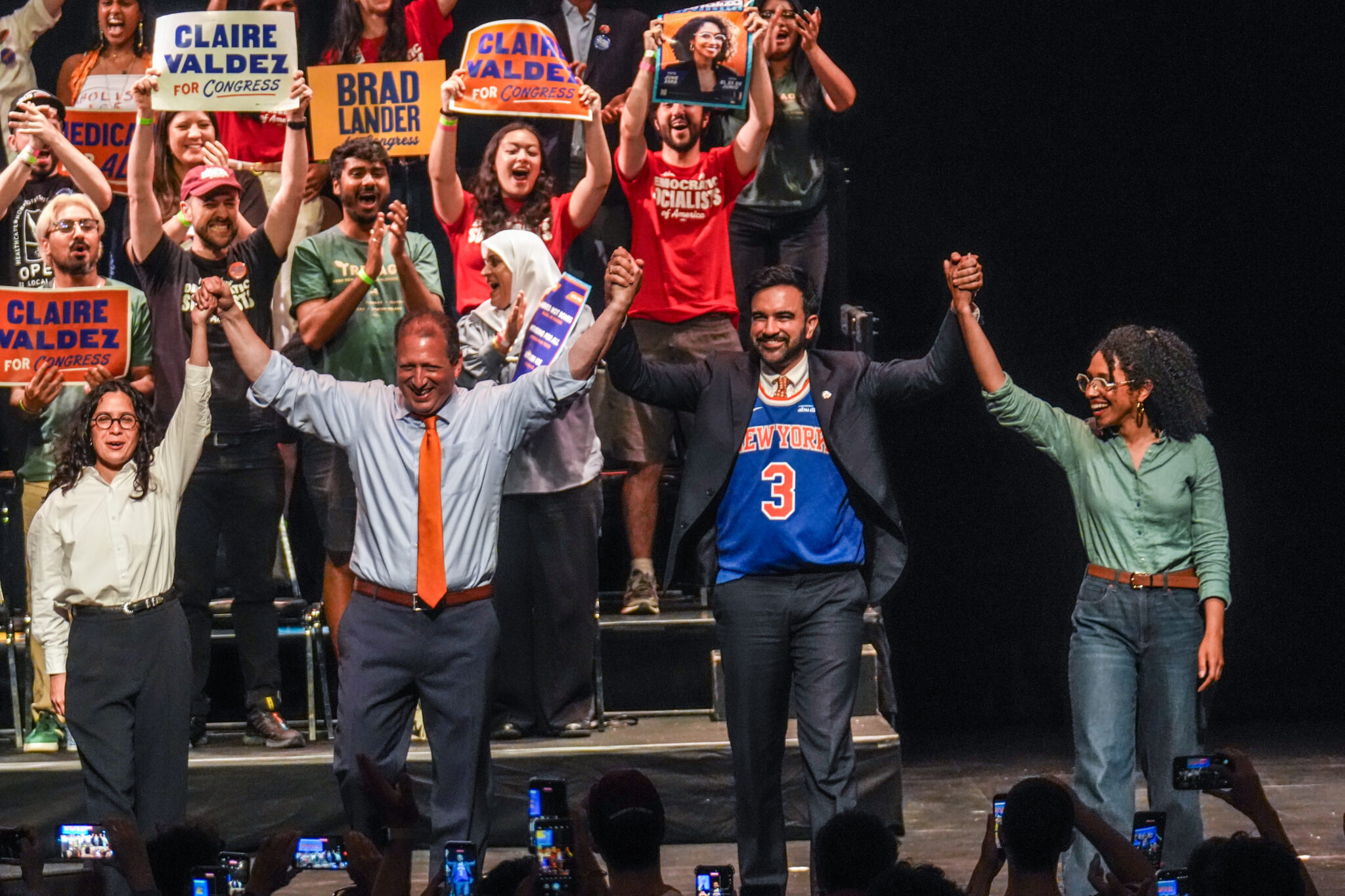
Mamdani Slate Sweeps Democratic Primaries in New York, Ousts 2 Incumbents from Congress/ Newslooks/ WASHINGTON/ J. Mansour/ Morning Edition/ New York City Mayor Zohran Mamdani’s endorsed candidates scored sweeping victories in Democratic congressional primaries. Two incumbent members of Congress were defeated as progressive and democratic socialist candidates gained momentum. The results signal growing influence for Mamdani’s political movement and intensify debate over the Democratic Party’s future direction.
Mamdani New York Primary Victories Quick Looks
- Mamdani-backed candidates won three major Democratic congressional primaries.
- Two sitting Democratic members of Congress lost reelection bids.
- Progressive and democratic socialist candidates gained significant momentum.
- Israel-Gaza policy and affordability emerged as key campaign issues.
- House Democratic leadership-backed candidates suffered setbacks.
- Brad Lander defeated incumbent Rep. Dan Goldman.
- Darializa Avila Chevalier unseated longtime Rep. Adriano Espaillat.
- Claire Valdez won the race to succeed retiring Rep. Nydia Velazquez.
- Democratic Party divisions between progressives and establishment leaders were highlighted.
- The results could influence Democratic strategy ahead of the 2026 midterms.
Deep Look
Mamdani’s Political Movement Scores Major Primary Victories Across New York
New York City Mayor Zohran Mamdani strengthened his position as one of the Democratic Party’s most influential progressive leaders after his slate of endorsed congressional candidates swept key Democratic primaries, defeating establishment-backed rivals and unseating two incumbent members of Congress.
The results marked one of the most significant victories for the progressive movement in recent New York political history and demonstrated the growing influence of Mamdani’s political brand beyond City Hall.
For many observers, the outcome represented more than a collection of primary wins. It signaled a broader struggle within the Democratic Party over its future priorities, messaging, and ideological direction heading into the midterm elections and beyond.
Incumbents Fall as Progressive Candidates Gain Ground
Among the most surprising outcomes was the defeat of longtime Congressman Adriano Espaillat.
Espaillat, who serves as chairman of the Congressional Hispanic Caucus and has represented parts of upper Manhattan and the Bronx for nearly a decade, lost to Darializa Avila Chevalier, a democratic socialist and first-time candidate.
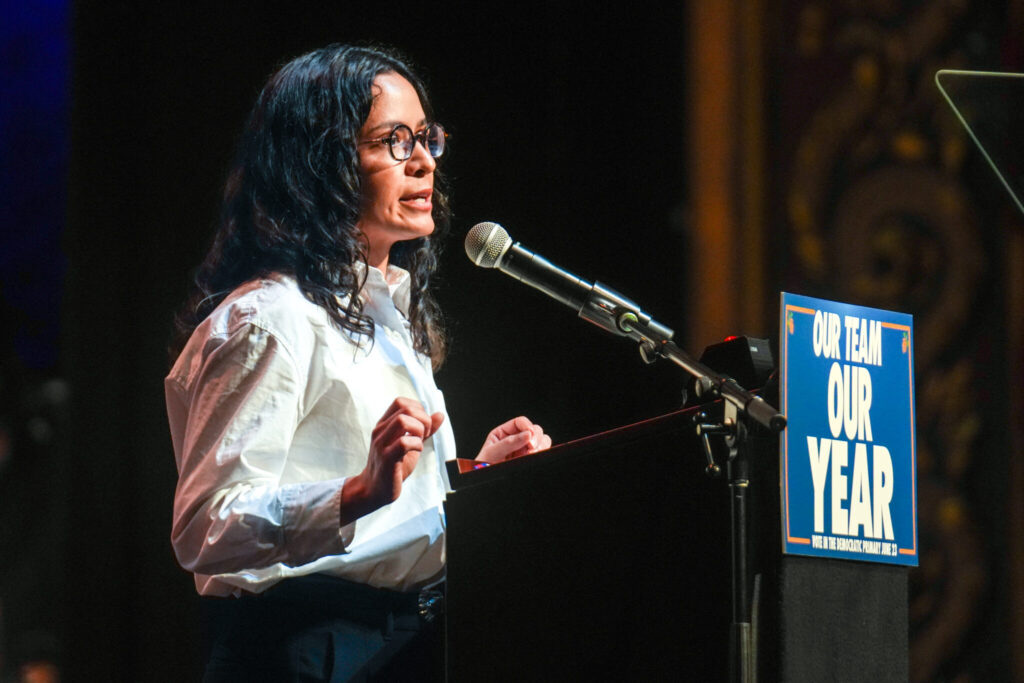
Avila Chevalier entered the race as a political outsider but successfully energized progressive voters by advocating for economic reforms, immigration changes, and a stronger stance on Palestinian rights.
Her victory was particularly notable because she defeated one of the Democratic Party’s more established figures despite facing criticism from party insiders and outside groups.
Lander, a longtime progressive leader in New York politics, positioned himself to Goldman’s left on several issues, including immigration policy and the war in Gaza.
The campaign became one of the clearest examples of ideological divisions within the Democratic Party, particularly regarding U.S. policy toward Israel.
A third Mamdani-backed candidate, Assembly Member Claire Valdez, secured victory in the race to replace retiring Representative Nydia Velazquez.
Valdez defeated Brooklyn Borough President Antonio Reynoso, despite Reynoso receiving support from Velazquez and other establishment Democrats.
Mamdani Frames Victories as a Political Turning Point
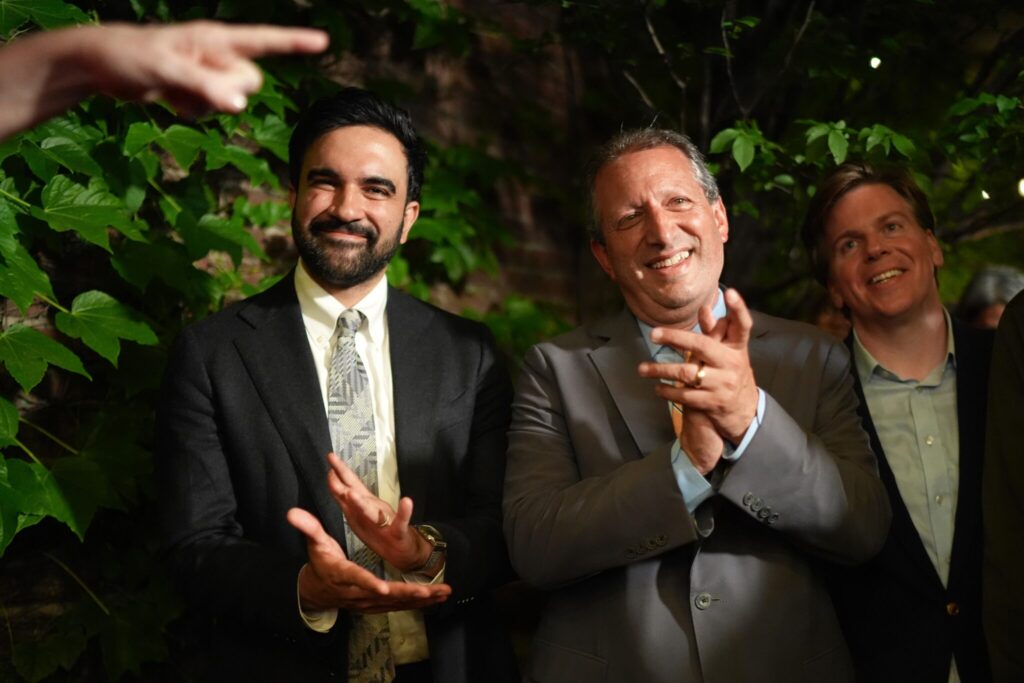
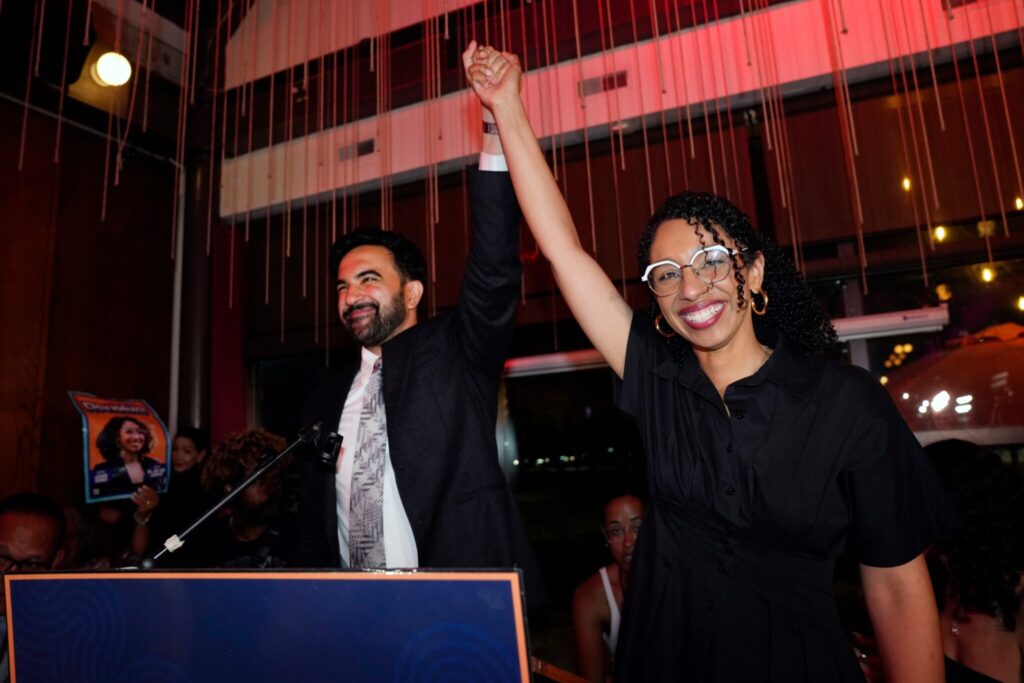
Throughout election night, Mamdani traveled between victory celebrations across New York City, presenting the results as evidence that voters are embracing a new political vision.
Supporters at campaign events celebrated the wins enthusiastically, chanting slogans associated with progressive political organizations and democratic socialist movements.
Addressing supporters, Mamdani described the victories as proof that a different political path is possible.
According to the mayor, the wins reflected growing voter frustration with traditional political structures and demonstrated support for candidates focused on affordability, housing costs, economic inequality and foreign policy reform.
The victories also reinforced Mamdani’s growing national profile as Democrats continue debating how to respond to President Donald Trump’s administration and prepare for future elections.
Democratic Leadership Faces New Questions
The results created challenges for Democratic leaders who had supported several of the defeated candidates.
House Democratic Leader Hakeem Jeffries openly backed candidates opposing Mamdani’s slate but saw those efforts largely rejected by voters.
While Jeffries attempted to minimize the broader significance of the results, the losses raised fresh questions about the influence of traditional Democratic leadership in heavily progressive districts.
Political strategists note that New York’s Democratic electorate has become increasingly receptive to candidates advocating major structural reforms, particularly younger voters and those frustrated by economic pressures.
The election results suggest that progressive messaging centered on affordability, housing costs, healthcare access and wealth inequality continues to resonate with many Democratic primary voters.
At the same time, some party leaders worry that candidates embracing more left-leaning positions could face challenges appealing to moderate voters in competitive districts nationwide.
Israel and Gaza Continue to Shape Democratic Politics
One of the most prominent issues throughout several races was the conflict in Gaza and broader U.S. policy toward Israel.
The issue played a particularly important role in the races involving Avila Chevalier and Lander.
Avila Chevalier’s supporters argued that Democratic candidates should take stronger positions regarding Palestinian rights and humanitarian concerns.
Similarly, Lander sharply criticized existing Democratic approaches to the conflict and called for significant changes in U.S. policy.
These positions helped energize progressive activists and younger voters who increasingly view the issue as central to Democratic politics.
The election outcomes suggest that debates surrounding Israel and Gaza remain highly influential within many Democratic primary electorates, particularly in urban districts.
Republican Contest Produces Trump-Aligned Winner
While Democrats focused on internal ideological battles, Republicans also held an important primary in northern New York.
Businessman Anthony Constantino secured the Republican nomination for the soon-to-be-vacant congressional seat currently held by Representative Elise Stefanik.
Constantino, known for his strong support of President Trump, defeated state Assembly Member Robert Smullen despite criticism from some local Republican officials.
His campaign emphasized loyalty to Trump and conservative priorities, including immigration enforcement and economic growth.
The victory ensures that the district’s general election campaign will feature another candidate closely aligned with the former president’s political movement.
What the Results Mean Going Forward
The New York primary results are likely to reverberate well beyond the state’s borders.
For progressives, the victories provide evidence that voters remain receptive to candidates advocating ambitious policy reforms and challenging Democratic establishment figures.
For party leaders, however, the outcomes raise questions about balancing progressive energy with broader electoral considerations ahead of national elections.
The results also strengthen Mamdani’s standing as a major force in Democratic politics.
Having already become one of the nation’s most recognizable progressive elected officials, he now has a growing network of allies poised to join Congress.
Whether this movement expands nationally remains uncertain, but Tuesday’s results demonstrated that Mamdani’s influence is no longer limited to city politics.
Instead, it is increasingly shaping debates about the future identity, priorities and direction of the Democratic Party itself.






You must Register or Login to post a comment.