

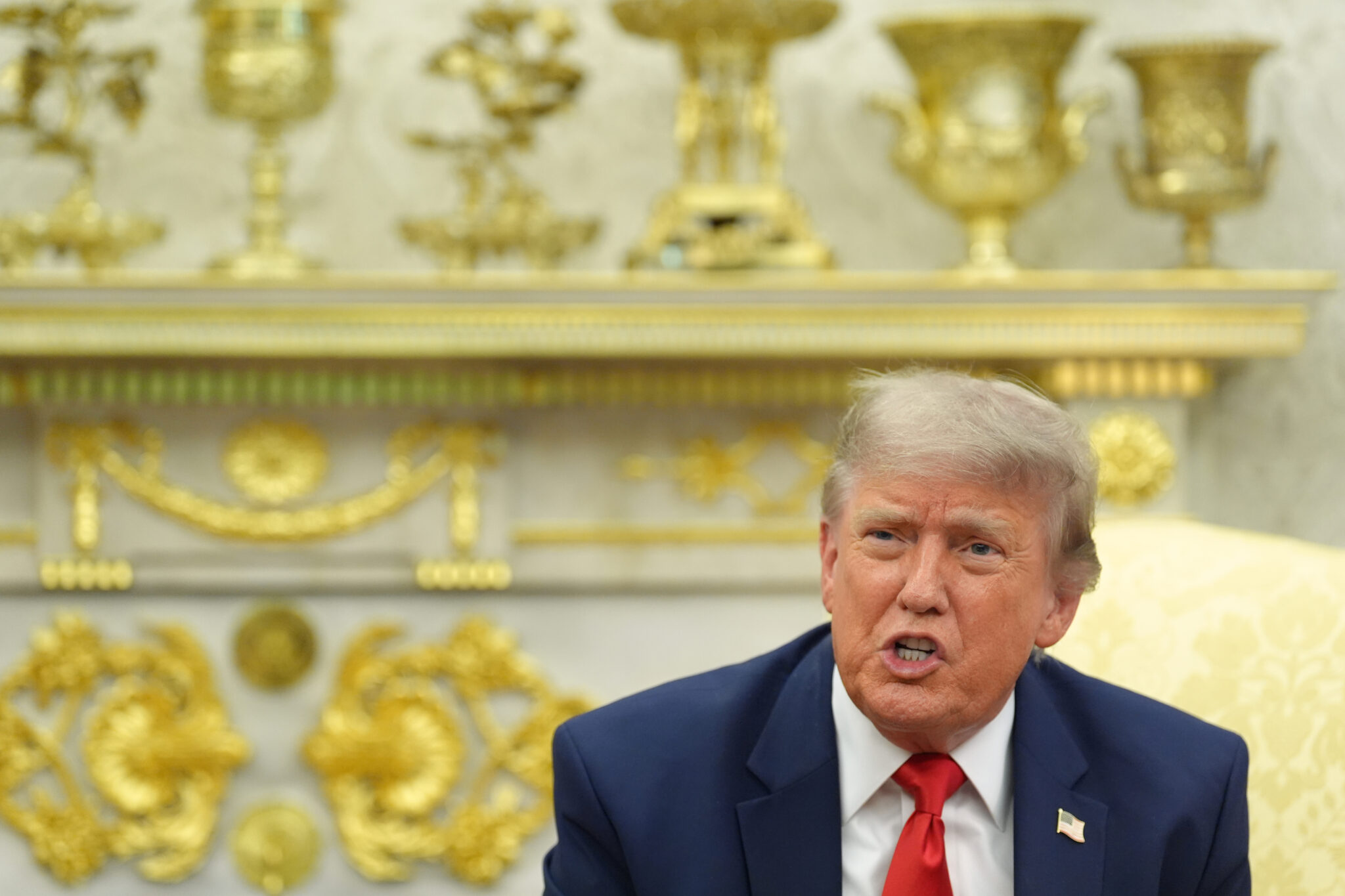
White House Seeks $87.6 Billion for Iran War, Farmers and Ebola Response/ Newslooks/ WASHINGTON/ J. Mansour/ Morning Edition/ The Trump administration is asking Congress to approve an $87.6 billion emergency spending package led by funding for the Iran war. The request also includes aid for U.S. farmers, Ebola response efforts in Central Africa and infrastructure projects. The proposal faces uncertainty as lawmakers from both parties question additional spending tied to the Iran conflict.
White House $87.6 Billion Funding Request Quick Looks
- White House requested $87.6 billion in supplemental funding.
- About $67 billion would replenish Pentagon resources after the Iran war.
- Package includes $11.1 billion for American farmers.
- Another $1.4 billion targets Ebola response in Central Africa.
- Proposal sets aside $500 million for Washington, D.C., restoration projects.
- Administration seeks $1 billion for modernizing New York City’s Penn Station.
- Lawmakers from both parties remain skeptical about additional Iran war funding.
- Congress has yet to receive full briefings on the administration’s Iran strategy.
Deep Look
White House Requests $87.6 Billion Supplemental Spending Package
The Trump administration has formally asked Congress to approve an $87.6 billion emergency spending package, with the overwhelming majority of the funding intended to replenish military resources following the U.S.-led war against Iran.
The request, submitted Wednesday by the Office of Management and Budget (OMB), arrives as lawmakers from both parties continue raising concerns about the administration’s handling of the conflict and debate whether additional military funding should be approved.
The supplemental request also includes billions for American farmers, Ebola response efforts in Central Africa and several domestic infrastructure initiatives.
“I urge the Congress to take action on these important and urgent requests as soon as possible,” OMB Director Russ Vought wrote in a letter to House Speaker Mike Johnson.
Pentagon Funding Dominates Request
The largest portion of the proposal—approximately $67 billion—is dedicated to reimbursing the Defense Department for expenses related to Operation Epic Fury, the U.S.-led military campaign against Iran.
According to the administration, the funding would include:
- $21 billion for weapons and munitions.
- $17.3 billion for operational expenses.
- $12.1 billion for classified defense programs.
- Additional funding for fuel, drone production and cybersecurity.
The supplemental package accompanies the administration’s broader proposal to increase annual defense spending to roughly $1.5 trillion, representing a significant increase over previous budgets.
Political Resistance Emerges
The request faces an uncertain future on Capitol Hill.
Many lawmakers have complained that Congress has yet to receive a comprehensive briefing on the administration’s military objectives in Iran, despite the conflict lasting nearly four months.
Senate Democratic Leader Chuck Schumer sharply criticized the proposal.
“President Trump is asking taxpayers to clean up his messes, to the tune of $87.6 billion.”
“After dragging America into a reckless war, he now wants Congress to hand him tens of billions more to paper over the damage — while families are still paying higher prices.”
Sen. Patty Murray, the top Democrat on the Senate Appropriations Committee, questioned whether much of the request extends beyond actual war-related expenses.
She said the administration was seeking funding not only for “the president’s disastrous war, but an attempt to secure tens of billions of additional dollars for unrelated Pentagon priorities.”
Murray added that she would carefully review funding needed for servicemembers but cautioned:
“I will not rubberstamp tens of billions more for this disastrous war of choice.”
White House Includes Funding Beyond Defense
Beyond military spending, the administration included several proposals likely designed to attract bipartisan interest.
Among the largest domestic provisions:
- $11.1 billion for U.S. agriculture.
- $10 billion for row and specialty crop farmers.
- $1.1 billion specifically for Florida agricultural producers affected by winter storms.
- $500 million for restoration and construction projects in and around Washington, D.C.
- $1 billion to support the final design and construction of a modernized Penn Station in New York City.
The administration also included several policy initiatives tied to the spending request.
These include proposed revisions to federal hemp regulations, expanded year-round renewable fuel sales and lifting certain restrictions on federal investment support involving Venezuela.
Ebola Response Included
The supplemental package also addresses international public health concerns.
The administration is requesting:
- $550 million to prevent and detect Ebola in the Democratic Republic of Congo.
- $800 million in humanitarian assistance for the affected region.
The outbreak has reportedly claimed more than 250 lives.
Republicans Voice Support
Despite Democratic opposition, senior House Republicans expressed support for the request.
House Appropriations Committee Chairman Tom Cole and Defense Subcommittee Chairman Ken Calvert issued a joint statement backing the proposal.
“President Trump’s request reflects the reality that our defense strength must be maintained, not merely demonstrated.”
Congressional Path Remains Uncertain
The funding request arrives amid heightened political tensions over the administration’s Iran policy.
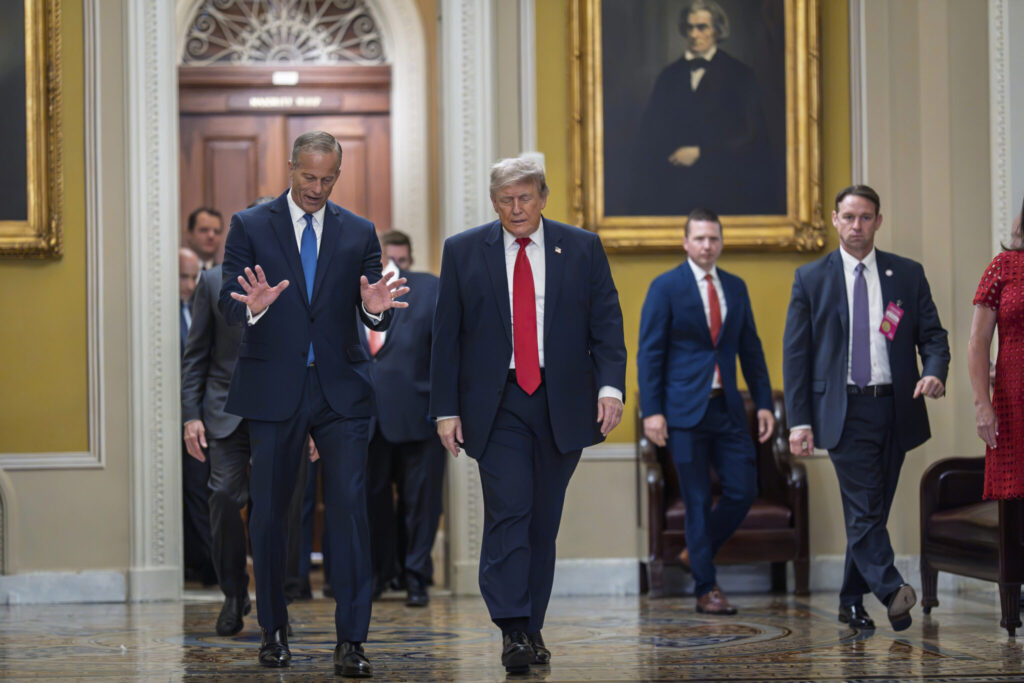
Just hours before the proposal reached Congress, Trump confronted Republican senators during a closed-door Capitol meeting over their support for a war powers resolution seeking to limit future military action against Iran.
With lawmakers divided over both the conflict and the administration’s broader defense strategy, it remains unclear whether Congress will approve all—or any—of the supplemental funding request before lawmakers return from recess.




You must Register or Login to post a comment.