

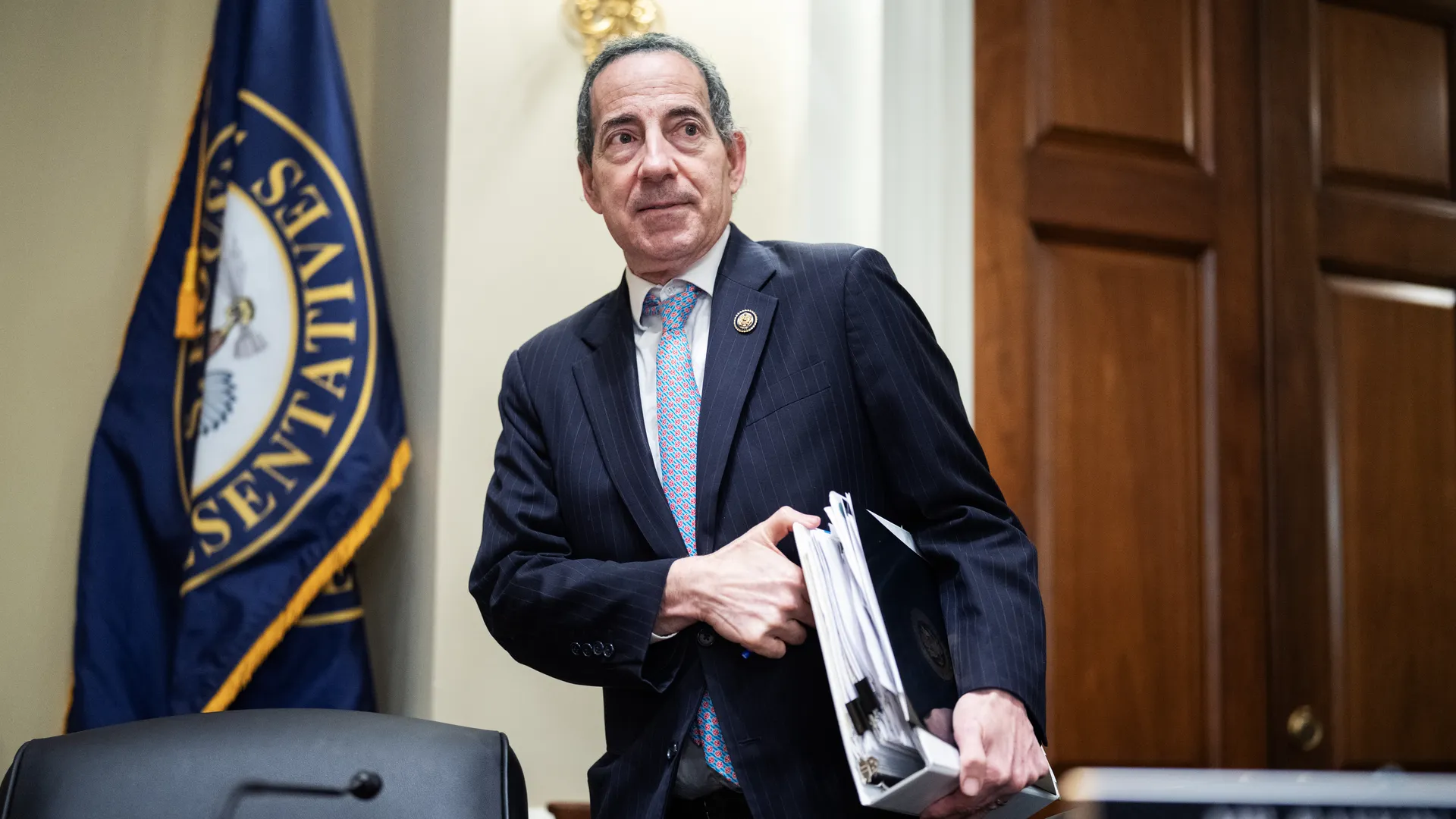
Democrats Push to Bypass Mike Johnson, Outlaw Trump’s Anti-Weaponization Fund/ Newslooks/ WASHINGTON/ J. Mansour/ Morning Edition/ House Democrats are using a discharge petition to force a vote blocking the Trump administration’s controversial Anti-Weaponization Fund. Rep. Jamie Raskin’s legislation would prohibit future taxpayer-funded settlements tied to the fund and void related legal immunity provisions. The effort tests whether enough Republicans will break with GOP leadership and support bringing the bill to the House floor.
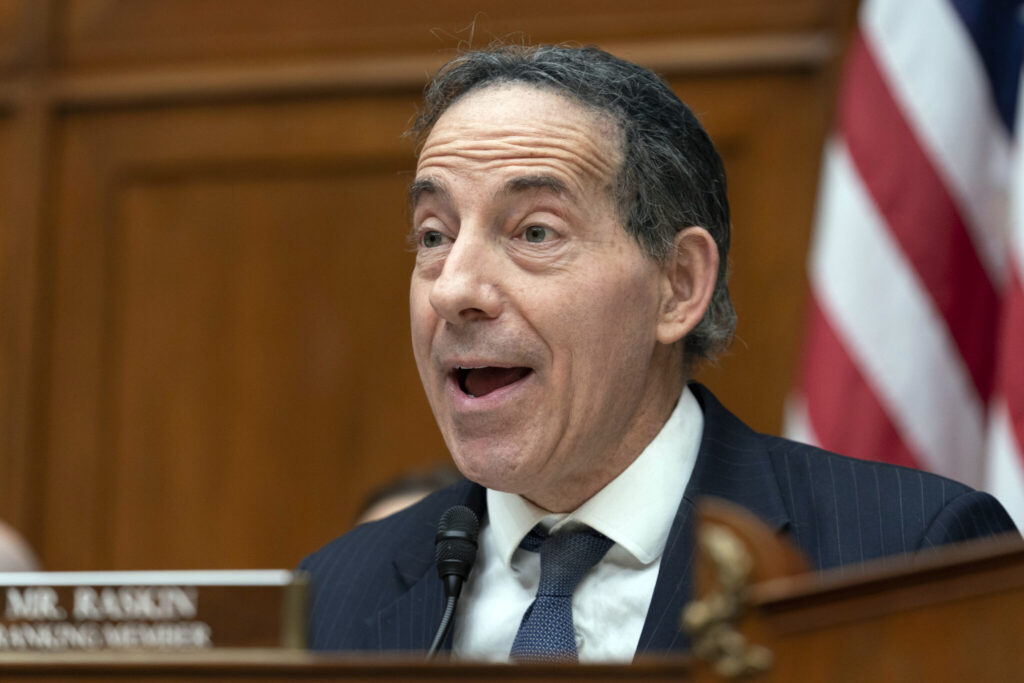
Trump Anti-Weaponization Fund Quick Looks
- Rep. Jamie Raskin launched a discharge petition.
- Petition seeks to bypass Speaker Mike Johnson.
- Bill would permanently block the Anti-Weaponization Fund.
- Legislation also bars Judgment Fund payouts tied to the settlement.
- Proposal would void reported legal immunity provisions.
- Justice Department previously announced it was abandoning the fund.
- Democrats say only legislation can permanently stop future attempts.
- Republicans have criticized the fund but face political pressure over supporting the petition.
Deep Look
House Democrats Launch Effort to Block Trump Anti-Weaponization Fund
House Democrats are moving to force a vote on legislation that would permanently prohibit the Trump administration’s controversial Anti-Weaponization Fund, using one of Congress’ most powerful procedural tools to bypass House leadership.
Rep. Jamie Raskin, the ranking Democrat on the House Judiciary Committee, announced Thursday that he is filing a discharge petition on his legislation known as the NO CARTE BLANCHE Act.
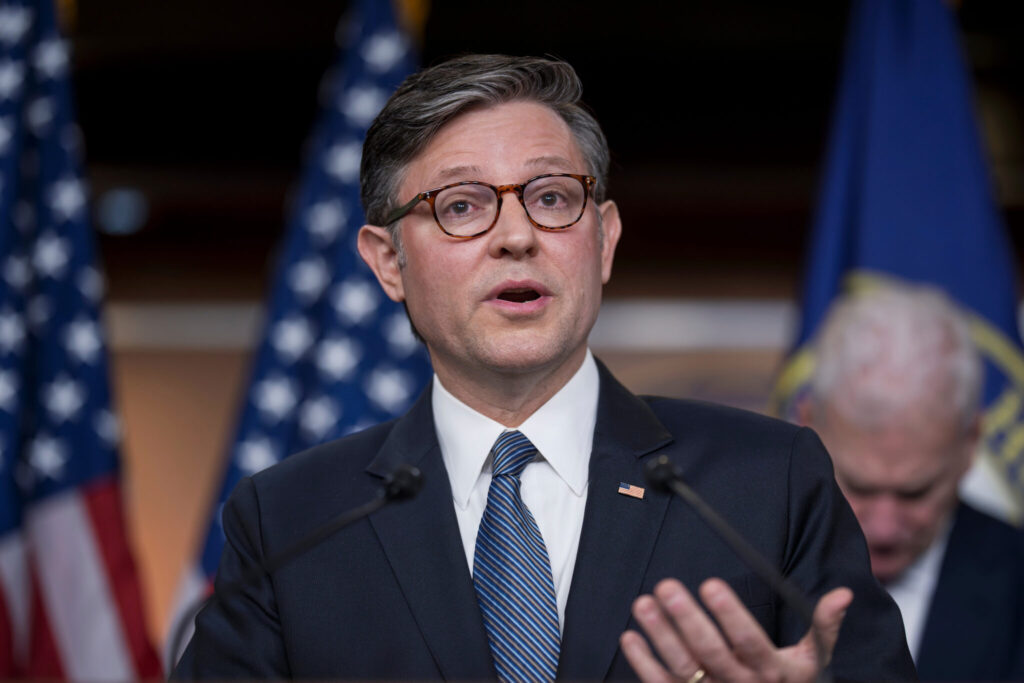
If the petition secures 218 signatures, House Speaker Mike Johnson would be required to bring the bill to the House floor for a vote, regardless of Republican leadership’s wishes.
The move comes despite the Justice Department announcing earlier this month that it had abandoned the nearly $1.8 billion fund following bipartisan criticism. Democrats argue that without legislation, there is no guarantee the proposal cannot be revived.
Bill Would Permanently Ban Future Payments
The NO CARTE BLANCHE Act would prohibit the use of taxpayer money to compensate individuals covered under President Donald Trump’s settlement with the Internal Revenue Service.
It would also prevent payments from the federal Judgment Fund connected to the settlement and block what Democrats describe as an unprecedented legal immunity arrangement reportedly negotiated by acting Attorney General Todd Blanche for Trump, members of his family and affiliated businesses.
According to Raskin, legislation is necessary because the Justice Department has not formally committed in writing that the fund has been permanently abandoned.
“Although Todd Blanche initially said the $1.8 billion slush fund would not move forward, his own Justice Department emphatically refuses to commit that promise to writing.”
He added:
“The NO CARTE BLANCHE Act blocks this and any future taxpayer-funded slush fund, voids this unprecedented attempt to grant immunity, and permanently blocks any future abuse of the Judgment Fund.”
Raskin also urged lawmakers from both parties to support the petition.
“I am filing a discharge petition to put this legislation on the floor, and I urge all my colleagues opposed to this radical assault on the rule of law to join me in signing it.”
Discharge Petition Tests Republican Support
The effort places political pressure on Republicans who previously criticized the Anti-Weaponization Fund.
While several GOP lawmakers publicly questioned the proposal when it was first announced, signing a discharge petition against legislation opposed by House leadership and President Trump presents a much greater political challenge.
Discharge petitions require support from a majority of the House, meaning Democrats would need several Republican members to join them.
The tactic has become increasingly effective during this Congress because of Republicans’ narrow House majority. Eight discharge petitions have already reached the required 218 signatures this session, making the procedure far more viable than in previous years.
Earlier Senate Effort Fell Short
The House proposal follows an earlier Senate attempt to block the fund that narrowly failed.
Senate Democrats previously sought to prohibit implementation of the Anti-Weaponization Fund, but the measure fell short in a 50-49 vote and did not advance.
Should the House discharge petition succeed, the legislation would still face significant hurdles in the Senate, where most legislation requires 60 votes to overcome a filibuster.
Fund Drew Bipartisan Criticism
The Anti-Weaponization Fund originated from a settlement involving President Trump’s lawsuit against the federal government over the disclosure of his tax returns.
Administration officials said the fund was intended to compensate individuals who had been victims of politically motivated legal actions.
Critics, however, argued it could become a taxpayer-funded mechanism benefiting Trump allies while also granting sweeping legal protections connected to the settlement.
Those concerns generated opposition from lawmakers in both political parties and drew scrutiny from members of the federal judiciary.
House Faces Broader Legislative Gridlock
The discharge petition arrives as House Republicans struggle to move legislation amid broader disagreements over President Trump’s legislative priorities.
Speaker Mike Johnson is attempting to keep the House agenda moving while conservatives continue demanding Senate action on the SAVE America Act before allowing additional legislation to advance.
That standoff has delayed several major bills and raised the possibility of an extended congressional recess if Republican leaders cannot resolve the impasse.
Democrats hope the Anti-Weaponization Fund legislation will capitalize on bipartisan unease surrounding the proposal while forcing Republicans to publicly declare whether they support permanently blocking the fund.





You must Register or Login to post a comment.