

Iran Launches Drone Attack on Bahrain as Ship Comes Under Fire After U.S. Airstrikes/ Newslooks/ WASHINGTON/ J. Mansour/ Morning Edition/ Iran launched drones toward Bahrain and a commercial ship was attacked in the Strait of Hormuz following U.S. airstrikes on Iranian military targets. The incidents have intensified concerns that the fragile ceasefire and ongoing negotiations between Washington and Tehran could collapse.
Iran-Bahrain Conflict Quick Looks
- Iran launched drones targeting Bahrain following U.S. airstrikes.
- A commercial tanker was attacked in the Strait of Hormuz.
- Bahrain condemned the drone assault as a threat to regional security.
- The U.S. recently struck Iranian missile, drone and radar sites.
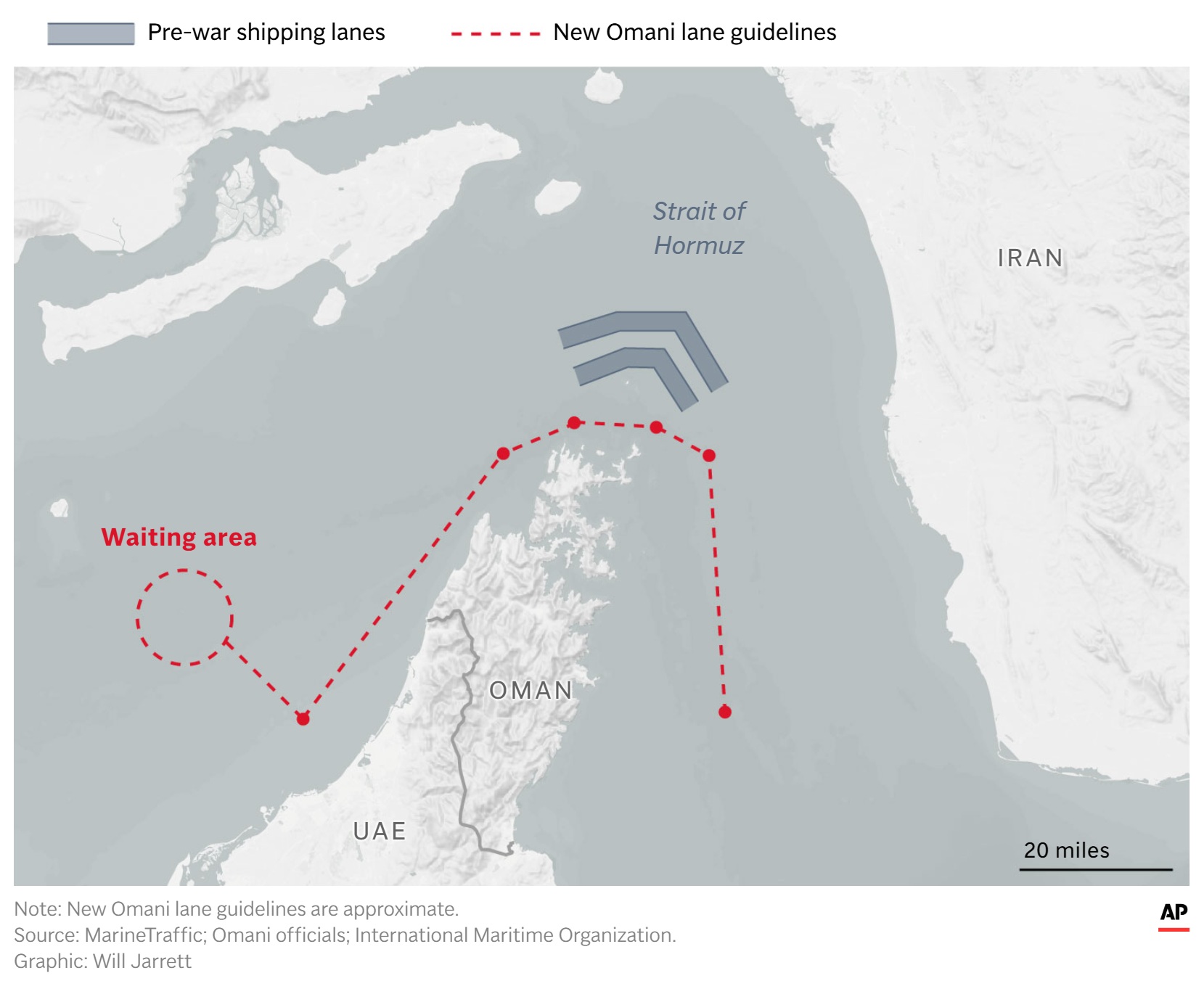
- Maritime authorities expanded a protected shipping corridor near Oman.
- Iran continues insisting vessels follow routes it authorizes.
- The attacks raise fresh concerns over the future of U.S.-Iran peace talks.
Deep Look
Iran Retaliates Following U.S. Military Action
Regional tensions escalated sharply Saturday after Iran launched a drone attack targeting Bahrain while a commercial vessel was separately struck in the Strait of Hormuz, incidents widely viewed as retaliation for overnight U.S. airstrikes on Iranian military facilities.
The attacks represent the latest challenge to a fragile interim agreement reached between Washington and Tehran aimed at ending months of conflict and restoring safe navigation through one of the world’s most strategically important waterways.
The U.S. military had launched its strikes after blaming Iran for a drone attack Thursday on a cargo vessel attempting to leave the Strait of Hormuz.
Bahrain Condemns Drone Assault
Bahrain’s Foreign Ministry confirmed that multiple Iranian drones targeted the Gulf kingdom, describing the assault as “a flagrant threat to the security of citizens and residents.”
The kingdom hosts the headquarters of the U.S. Navy’s Fifth Fleet and has been among the region’s strongest critics of Tehran.
The attack also came shortly after Bahrain hosted U.S. Secretary of State Marco Rubio and foreign ministers from the Gulf Cooperation Council, who jointly called for uninterrupted shipping through the Strait of Hormuz and condemned attacks threatening maritime security.
Iran’s paramilitary Revolutionary Guard acknowledged launching strikes against what it described as “the U.S. terrorist army in the region,” though it did not specify which locations were targeted.
U.S. Warns Violence Will Be Answered
The U.S. Central Command confirmed that American forces carried out overnight strikes against Iranian missile launch sites, drone facilities and coastal radar installations.
Vice President JD Vance, who has been leading negotiations with Iran over a broader peace agreement, issued a warning following the latest escalation.
“Pick up the phone” if there are disagreements about the ceasefire agreement, Vance said.
“But violence will be met with violence,” he added.
Despite the renewed fighting, U.S. and Iranian negotiators remain engaged in talks covering shipping security in the Strait of Hormuz and the future of Iran’s highly enriched uranium stockpile under a 60-day negotiating framework.
Commercial Ship Attacked in Strait of Hormuz
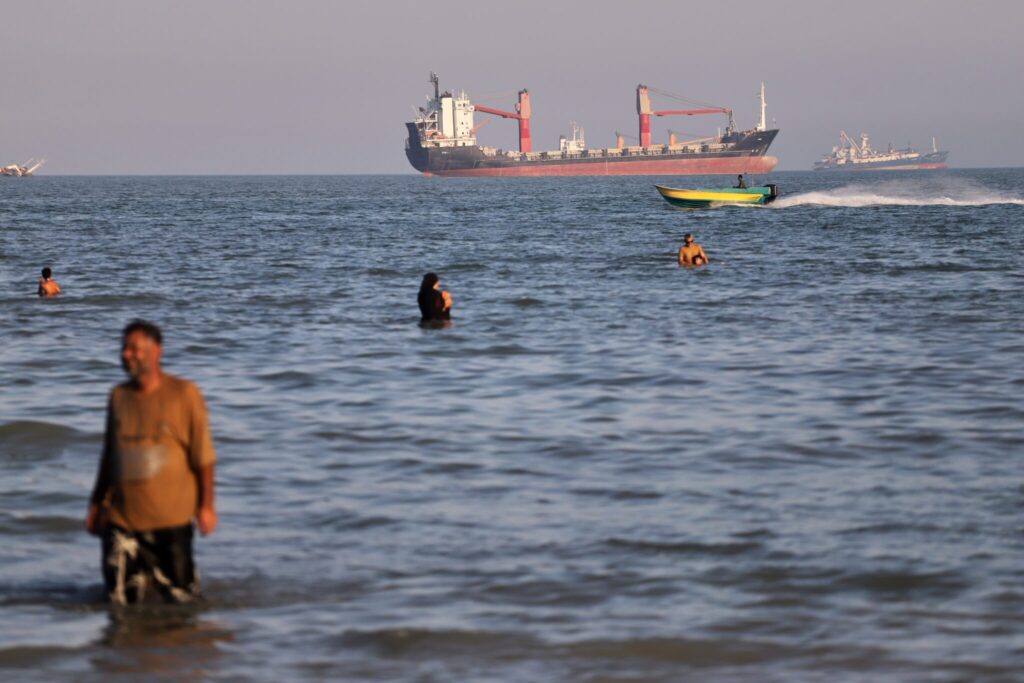
Separately, Britain’s United Kingdom Maritime Trade Operations reported that a tanker was struck while transiting the Strait of Hormuz.
Officials said the crew remained safe and no pollution or environmental damage was reported.
Although no group immediately claimed responsibility, suspicion quickly focused on Iran following its recent threats against vessels using internationally backed shipping corridors.
The latest attack came as maritime authorities announced plans to expand a protected shipping lane along Oman’s coastline, allowing both inbound and outbound commercial traffic.
The new route is intended to help move hundreds of vessels that have remained trapped inside the Persian Gulf since the conflict intensified.
Shipping Corridor Becomes New Flashpoint
Iran has repeatedly objected to alternative shipping routes that bypass its directives, insisting vessels must follow channels authorized by Tehran.
Iranian officials have also warned they intend to begin charging transit fees for ships using the Strait of Hormuz.
Ebrahim Azizi, chairman of Iran’s parliamentary national security commission, reiterated Tehran’s position Friday, writing:
“the Strait of Hormuz is governed by Iran, so: Respect the rules.”
The United States, Oman and Gulf Arab nations reject that claim, maintaining the waterway is an international maritime passage protected under international law.
Maritime Security Concerns Continue
Following Saturday’s incidents, the Joint Maritime Information Center, overseen by the U.S. Navy, expanded its recommended shipping corridor while warning that threats throughout the region remain high.
The organization cautioned commercial vessels that the danger level is “substantial.”
It also warned:
“Mariners are advised of the existence of mines and should expect a naval presence as clearance operations continue.”
The advisory underscores continuing concerns that shipping through the Strait of Hormuz remains vulnerable despite ongoing efforts to restore commercial traffic.
Peace Talks Face New Test
The latest military exchanges highlight the fragile nature of negotiations between Washington and Tehran.
While both governments continue discussions aimed at securing a permanent agreement, repeated attacks on shipping and military retaliation threaten to derail diplomatic progress.
With Bahrain now directly targeted and commercial shipping again under attack, regional governments are watching closely to see whether the latest escalation develops into a broader confrontation across the Gulf.






You must Register or Login to post a comment.