

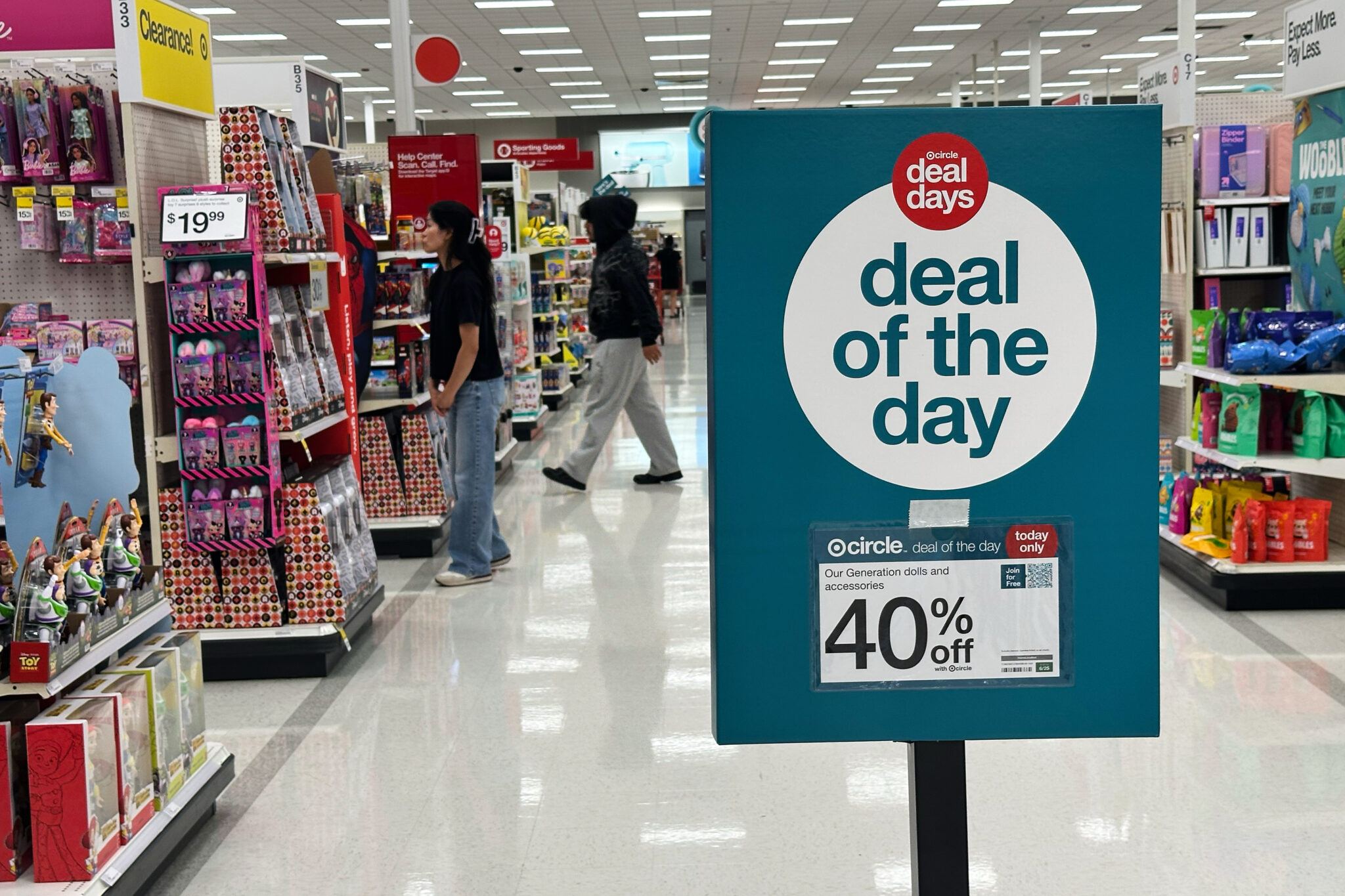
June Retail Sales Gain 0.2% Despite Gas Station Drop/ Newslooks/ WASHINGTON/ J. Mansour/ Morning Edition/ U.S. retail sales increased just 0.2% in June, but spending outside gasoline stations showed stronger momentum. Consumers continued buying vehicles, shopping online and spending around summer promotions and the World Cup. The report suggests households remain resilient while becoming more selective amid inflation, economic uncertainty and changing fuel costs.
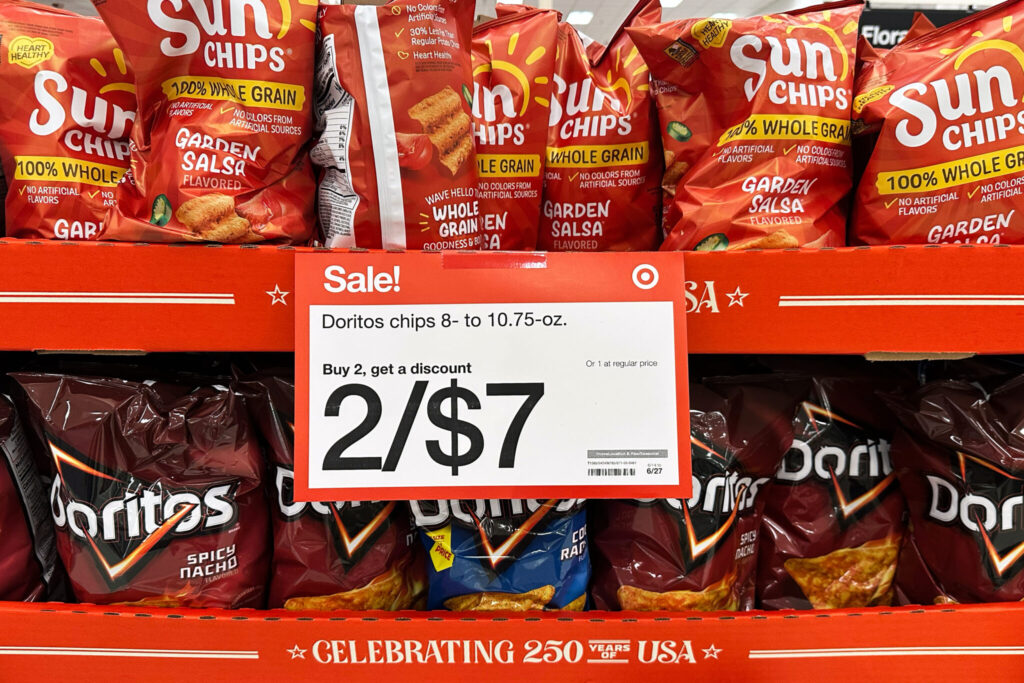
US Retail Sales Quick Looks
- U.S. retail sales rose 0.2% in June.
- May’s gain was revised to 1%.
- Sales excluding gas stations climbed 0.7%.
- Gas station revenue dropped 5.3% as fuel prices fell.
- Motor vehicle and parts sales increased 1.9%.
- Online retail sales rose 1.9%.
- Amazon Prime Day helped lift digital spending.
- World Cup demand supported sporting goods sales.
- The retail control group increased 0.5%.
- Restaurant spending rose only 0.1%.
- Consumers remained selective about clothing and large purchases.
- Lower gasoline prices gave households more spending flexibility.
- Inflation slowed more than expected in June.
- Retailers will provide additional consumer insights through upcoming earnings.
US Retail Sales Rise Slightly as Consumers Stay Resilient
June Spending Slows After Strong May Gain
U.S. retail sales posted a modest increase in June as lower gasoline prices reduced revenue at service stations, masking stronger consumer spending across several other major categories.
The Commerce Department reported Thursday that retail sales rose 0.2% during the month.
That followed a revised 1% increase in May, when generous tax benefits and spring purchasing helped lift household spending.
The headline figure suggested a sharp slowdown, but the details showed that American consumers continued spending despite persistent worries about the economy.
When gasoline station sales were excluded, retail purchases increased a more substantial 0.7%.
The contrast highlights how falling fuel prices can lower the overall retail sales figure even while consumers purchase more goods elsewhere.
Falling Gas Prices Pull Down Headline Sales
Gas station sales plunged 5.3% in June.
The decline largely reflected lower prices rather than a dramatic drop in the amount of gasoline consumers purchased.
Retail sales figures are not adjusted for inflation, meaning falling prices can make total spending appear weaker even if households are buying similar quantities.
AAA reported that the national average gasoline price stood at $3.94 per gallon Thursday, down from $4.04 a month earlier.
Lower prices reduced the amount households spent at the pump and weakened overall retail sales.
At the same time, cheaper fuel provided consumers with some financial relief and left more money available for other purchases.
“Falling fuel prices weighed on headline sales data, but a smaller bill at the pump was a source of relief for consumers and provided at least a little more cushion in household spending budgets,” Jim Baird, chief investment officer with Plante Moran Financial Advisors, wrote in a report published Thursday.
Auto Sales Help Support Consumer Spending
Motor vehicle and parts dealers were among the strongest-performing retail categories.
Sales increased 1.9% as manufacturers offered aggressive discounts and financing incentives to encourage purchases.
The gain suggests consumers remain willing to make significant purchases when prices and financing terms appear favorable.
Automakers have increasingly relied on rebates and promotional offers to attract buyers facing elevated borrowing costs.
The strong performance of vehicle sales helped offset declines in fuel spending and several discretionary retail categories.
Consumers Become More Selective
While overall spending remained positive, shoppers appeared cautious about where they used their money.
Clothing and accessories stores reported small sales declines.
Miscellaneous retailers also experienced modest weakness.
Spending on large household purchases was mixed.
Furniture and home furnishings sales were unchanged, while electronics and appliance retailers recorded a small increase.
The results suggest households continue prioritizing essential purchases, discounts and high-value opportunities while pulling back on less necessary items.
Baird said the report indicates consumers are “perhaps taking a more discerning approach to where they’re spending and how they’re prioritizing their choices.”
Online Shopping Receives Prime Day Boost
Online retailers recorded a 1.9% increase in June.
Amazon’s Prime Day promotion, held from June 23 through June 26, likely contributed to the gain.
Summer sales events have become increasingly important for retailers seeking to attract cost-conscious shoppers before the traditional back-to-school season.
Consumers have shown a willingness to spend when promotions offer meaningful savings, even as they reduce purchases at regular prices.
The June increase also reflects the continuing shift toward digital shopping platforms, where customers can compare prices and search for discounts more easily.
World Cup Spending Lifts Sporting Goods
Sporting goods, hobby, musical instrument and book retailers reported a 1.3% increase.
Spending related to the World Cup tournament likely helped boost demand for sports merchandise, equipment, clothing and entertainment products.
Major international sporting events often generate additional retail activity through jersey sales, team merchandise, viewing parties and recreational participation.
The increase provided another bright spot in an otherwise mixed monthly report.
Core Retail Measure Shows Solid Growth
The Commerce Department’s closely watched retail control group increased 0.5%.
That category excludes food services, automobiles, building materials and gasoline stations.
Its stronger performance suggests household consumption continued supporting economic growth even as the headline retail figure remained subdued.
Restaurant sales, the report’s only service-related category, rose just 0.1%.
The weak increase may indicate consumers are limiting dining expenses while continuing to spend on selected goods.
Inflation Offers Consumers Some Relief
The retail sales report followed government data showing that inflation cooled significantly in June.
Consumer prices declined 0.4% from May, the largest monthly decrease in four years.
Prices had risen 0.5% during the previous month.
Annual inflation slowed to 3.5%, down from 4.2% in May and below many economists’ forecasts.
Falling prices for gasoline, clothing and used vehicles contributed to the improvement.
Underlying inflation pressures also weakened more than expected.
The moderation gave consumers some breathing room following years of elevated food, housing and transportation costs.
Iran Conflict Could Reverse Fuel Price Progress
Economists cautioned that lower gasoline prices may not last.
The war involving Iran has already pushed up some travel and transportation costs, including airfares.
The United States renewed attacks on Iran, while President Donald Trump announced a new blockade involving the Strait of Hormuz.
The waterway is a critical global energy route, carrying roughly one-fifth of the world’s oil supply.
A prolonged disruption could drive crude oil and gasoline prices higher.
Such an increase could reverse some of the consumer relief recorded in June and place renewed pressure on inflation.
Higher fuel prices would also reduce the amount households have available for discretionary spending.
Consumer Confidence Improves but Remains Weak
A recent Conference Board report showed that Americans’ attitudes toward the economy improved slightly as gasoline prices declined.
However, consumer confidence remained low by historical standards.
Households continue facing uncertainty involving inflation, interest rates, employment conditions and geopolitical conflict.
Many consumers say they feel financially stable but have become more deliberate about everyday spending.
Shoppers Cut Back on Nonessential Purchases
Sara Williamson, a 27-year-old software support engineer in Raleigh, North Carolina, said she has become more conscious of her spending over the past year.
Although she feels secure in her job, rising food and gasoline expenses have caused her to reduce unnecessary purchases.
“I shop less overall as a hobby,” she said.
Williamson said she now avoids more expensive prepared produce, including pre-cut cantaloupe, choosing whole fruit instead.
She has also become more cautious about purchasing clothing for herself.
Her experience reflects a broader pattern in which consumers remain active but increasingly search for savings and avoid purchases they consider optional.
Value-Priced Products Find Strong Demand
Retail businesses offering low-cost essentials may be better positioned in the current environment.
Brian Reynolds, founder and chief executive of Just For Teens, said his company’s inexpensive skincare products appeal to families seeking affordable options.
The brand sells items including $5 pimple patches and is expanding rapidly through Dollar General stores.
By October, the products are expected to be available in 10,000 locations, up from approximately 4,000 late last year.
Reynolds said sales have been steady and could accelerate during the back-to-school shopping season.
“There’s a lot of space for products that are everyday essentials that are value-priced,” he said.
Major Retail Earnings Will Offer More Clues
Investors and economists will receive a clearer picture of consumer behavior when major retailers announce quarterly results next month.
Walmart, Target and Macy’s are among the companies scheduled to report second-quarter earnings.
Their results could reveal which income groups are spending, which categories are under pressure and how shoppers are responding to discounts.
Retail executives are also expected to discuss the effects of inflation, fuel prices, tariffs and back-to-school demand.
Consumers Remain Resilient but Cautious
The June retail sales report shows that American consumers have not stopped spending.
Instead, they are adapting.
Lower gas prices reduced the headline number but provided households with additional financial flexibility.
Consumers continued buying vehicles, shopping online and responding to promotional events.
At the same time, weaker clothing sales, flat furniture spending and subdued restaurant growth demonstrate a more cautious approach.
The overall picture is one of resilience mixed with selectivity as households navigate economic uncertainty, changing prices and renewed geopolitical risks.






You must Register or Login to post a comment.