

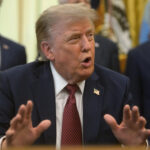
Trump Warns Iran Time Is Running Out for Hormuz Deal Before Military Action/ Newslooks/ WASHINGTON/ J. Mansour/ President Donald Trump warned that Iran has “not much time” to reach an agreement over the Strait of Hormuz before he orders “strong military action.” US attacks remained paused for a third consecutive night, while oil prices declined on expectations that diplomacy could prevent another escalation. Israeli Prime Minister Benjamin Netanyahu headed to Washington as drone attacks, military exercises and the Iran-Ukraine dispute sustained regional tensions.
Quick Look
- Trump warned that Iran has “not much time” to reach an agreement.
- He said the alternative could be “strong military action.”
- The United States paused strikes for three consecutive nights.
- Iran says it continues to control and restrict traffic through the Strait of Hormuz.
- Fox reported that Iran turned back five vessels.
- WTI crude fell to approximately $83 per barrel.
- Netanyahu departed for Washington for talks with Trump.
- Trump rejected Netanyahu’s opposition to a possible F-35 sale to Turkey.
- Saudi Arabia intercepted drones it said were launched from Iraq.
- Iraq pledged not to allow its territory to be used for regional attacks.
- Zelenskyy accused Iran of already participating in Russia’s war against Ukraine.
Deep Look
Trump Gives Iran New Hormuz Warning
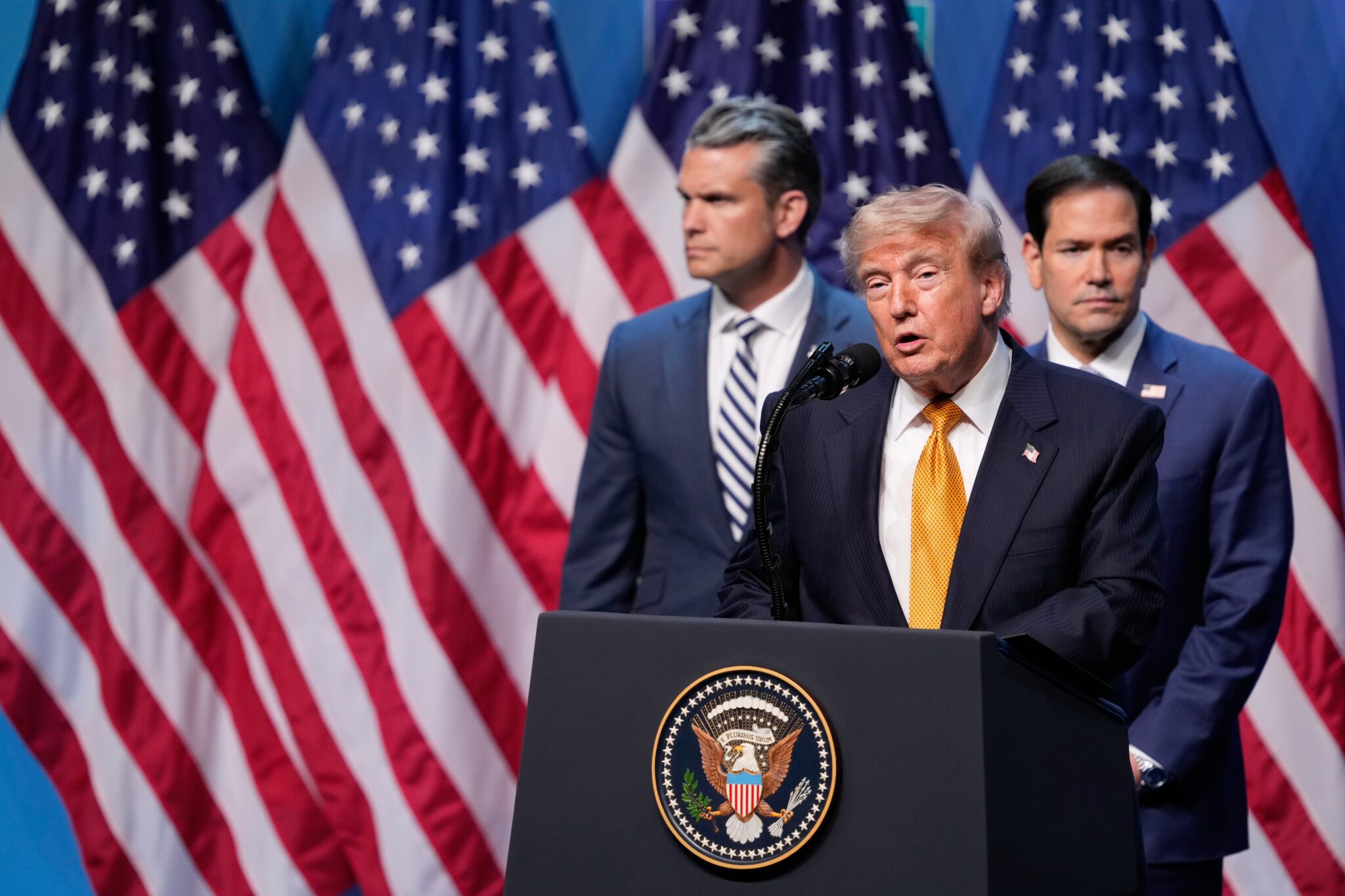
President Donald Trump warned Iran that it has “not much time” to reach an agreement over the Strait of Hormuz before the United States potentially resumes or expands military operations.
Trump said he could authorize “strong military action” if diplomatic discussions fail.
The warning followed three consecutive nights without reported American strikes against Iran, interrupting nearly two weeks of daily attacks.
The pause has created space for mediation but does not represent a formal ceasefire. US forces remain positioned to resume operations if Trump gives the order.
Iran Maintains Restrictions in Hormuz
Iran says it continues to control the Strait of Hormuz and has rejected US conditions for restoring normal commercial passage.
According to the Fox News live report, Iranian forces turned back five ships after a sixth vessel experienced what was described as an “accident.”
Traffic through the waterway remained limited.
The Strait of Hormuz is one of the world’s most important energy corridors, carrying a significant share of internationally traded oil and gas during normal conditions.
Disruptions have increased shipping costs, raised fuel prices and contributed to broader inflation concerns.
Oil Prices Fall on Diplomatic Hopes
Oil prices declined Monday as markets responded to the pause in attacks and the possibility of renewed diplomacy.
West Texas Intermediate crude traded near $83 per barrel.
Oil had risen sharply during the escalation as traders considered the risk that the conflict could further restrict exports from the Persian Gulf.
The decline suggested that markets saw a reduced immediate risk of major attacks, although prices could reverse quickly if fighting resumes.
Netanyahu Travels to Washington
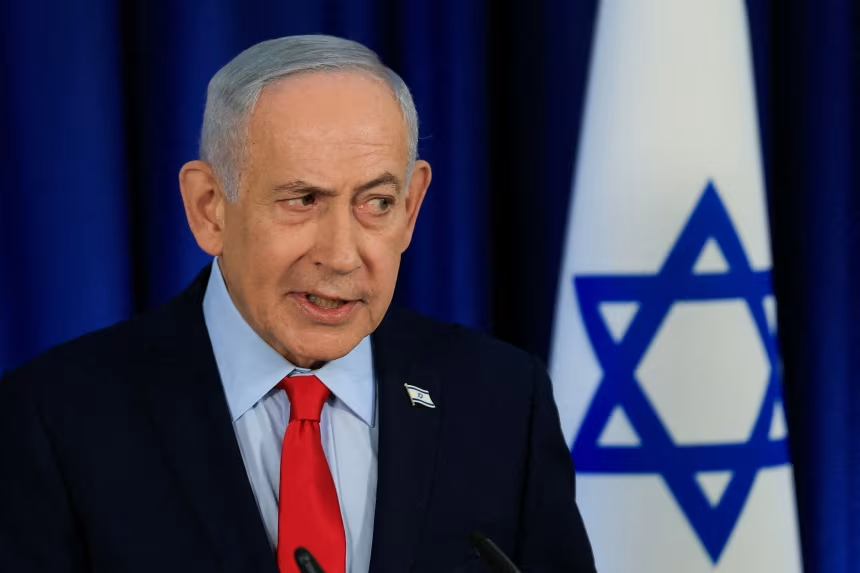
Israeli Prime Minister Benjamin Netanyahu departed for Washington for talks with Trump.
Israel is reportedly advocating a tougher approach toward Tehran as Trump decides whether to restart major American strikes.
The meeting is expected to address Iran, military coordination and wider regional security issues.
Trump praised Netanyahu’s wartime leadership but also demonstrated that the two leaders do not agree on every strategic question.
Trump Rejects Netanyahu’s Position on Turkey
Trump dismissed Netanyahu’s opposition to a possible sale of F-35 fighter jets to Turkey.
“Tell them, look, Turkey has been a great ally for me,” Trump told reporters aboard Air Force One while traveling to Michigan.
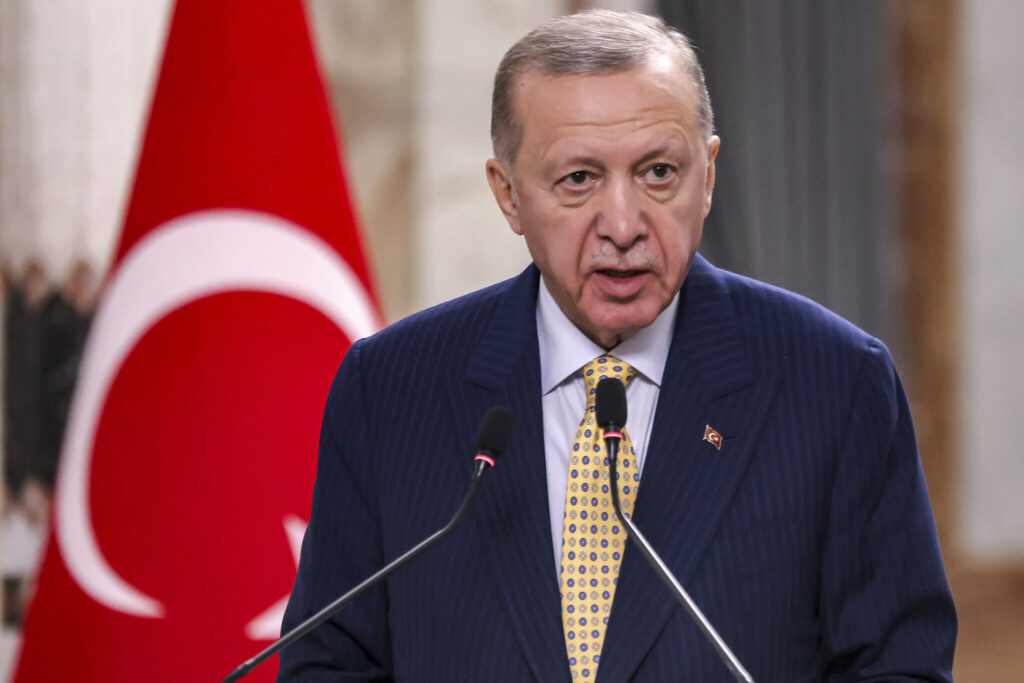
“You know, I think he’s — he’s done a very good job, did a good job with Syria. He’s a friend of mine,” Trump said, apparently referring to Turkish President Recep Tayyip Erdogan.
“And nobody tells me what we should be selling. And now Turkey has been a tremendous ally for me.”
Netanyahu has argued that providing F-35 aircraft or fighter-engine technology to Ankara could alter the regional military balance and undermine Israel’s qualitative advantage.
F-35 Sale Would Face Obstacles
Turkey was removed from the F-35 program after purchasing Russia’s S-400 air-defense system.
Trump nevertheless said during a July 7 meeting with Erdogan that Washington would “certainly consider” allowing a sale.
Any agreement would face existing legal restrictions and likely opposition in Congress.
Trump acknowledged the hostility between Turkey and Israel while praising Ankara’s military capabilities.
“Turkey is not a big fan of Israel. You know that, right?” Trump said. “Turkey has been great. Very powerful country, by the way. Tremendous military, very big military, very powerful military, has a lot of great equipment.”
Despite rejecting Netanyahu’s position, Trump added: “But Bibi has been great. He was a wartime prime minister. We did very well together.”
Trump claimed Iran is now “8% of what they were four months ago.” He did not explain the calculation behind that assertion.
Saudi Arabia Intercepts Drones
Saudi Arabia said its air defenses intercepted drones launched from Iraq by Iran-backed armed groups.
The Saudi Defense Ministry said the drones were targeting oil installations in the kingdom’s Eastern Province and Riyadh.
No casualties or significant damage were reported in the supplied material.
Pakistan condemned the attacks as “provocative” and warned that they posed “a grave threat to peace and stability across the entire region.”
Islamabad also expressed “strong and unwavering support” for Saudi sovereignty, territorial integrity, peace and prosperity.
Iraq Rejects Use of Its Territory for Attacks
Iraq said it would not permit armed groups to use its territory for attacks on neighboring states.
The Iraqi prime minister’s media office said Baghdad was committed to preventing groups from threatening regional security, according to Reuters.
The pledge followed Saudi claims that the intercepted drones originated inside Iraq.
Responsibility for individual attacks can be difficult to establish, and the supplied report did not identify a specific armed faction.
Bahrain Announces Gulf Military Exercise
Bahrain said it would conduct a joint military exercise with forces from other Gulf Cooperation Council countries from Tuesday through Thursday.
The drills, named “Bahrain Shield,” are intended to “improve combat performance levels” and strengthen “the cooperation framework and joint military coordination to face various challenges,” according to the Bahrain Defense Force statement cited by Iran International.
The GCC consists of Bahrain, Kuwait, Oman, Qatar, Saudi Arabia and the United Arab Emirates.
Bahrain did not specify which member states would participate.
Ukraine-Iran Tensions Escalate
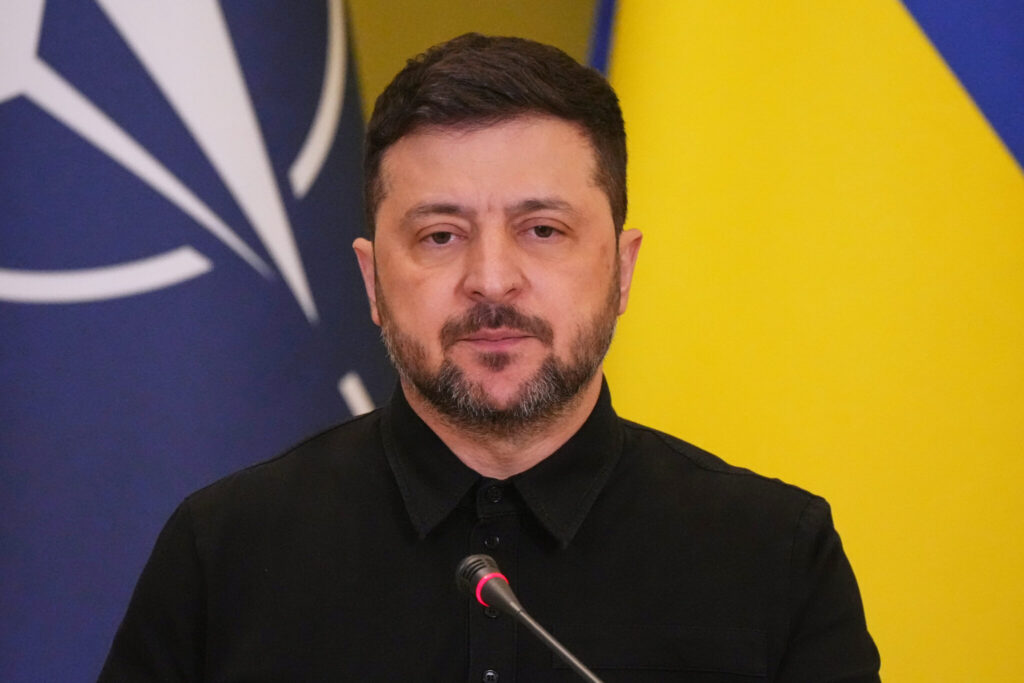
Ukrainian President Volodymyr Zelenskyy accused Iran of already participating in Russia’s war against Ukraine by supplying Moscow with drones, technology and production licenses.
“Iran, from the first year of the war, gave a new base, new technology to Russia,” Zelenskyy told Sky News.
“It was Shahed drones. They gave thousands of these drones in the first year of the war. Then they gave licenses.”
Zelenskyy argued that those transfers amounted to Iranian attacks on Ukraine.
“What did they do? Did they attack us? I think yes. So they already did it. The war was already underway. Effectively, they are attacking you,” he said.
Zelenskyy Warns Against Another Front
Although he criticized Tehran, Zelenskyy said Ukraine should avoid opening another theater in the conflict.
“We have to be cautious. We have to do everything not to open a new front in any way, but we have to be honest,” he said.
“Iranians and North Koreans already attacked us,” Zelenskyy added.
He said Ukraine must prepare for the possibility of expanded Iranian support for Russia.
“Yes, I hope that they will not increase these attacks, but we have to be ready for everything,” he said.
“We can’t trust these people because, at the very, very beginning, without any messages or any kind of escalation from our side, Iranians gave weapons, North Koreans gave weapons — drones, missiles and artillery rounds.”
Caspian Sea Strike Draws Iranian Warning
Zelenskyy previously said Ukrainian forces struck vessels in the Caspian Sea on July 25 that Kyiv alleged were transporting Iranian military supplies to Russia.
Iran said an explosion aboard one vessel killed a sailor and wounded another.
Iranian Foreign Minister Abbas Araghchi warned that the incident “cannot go unanswered.”
The competing claims about the vessels’ cargo and the circumstances of the attack were not independently verified in the supplied report.
The incident adds another potential flashpoint as Washington attempts to avoid renewed fighting with Tehran.
Diplomacy Continues Under Military Pressure
Trump’s warning leaves Iran facing a limited period to reach an arrangement acceptable to Washington over navigation through the Strait of Hormuz.
The three-night pause has reduced immediate military pressure and helped lower oil prices, but armed-group activity elsewhere continues to threaten regional stability.
Netanyahu’s Washington visit, Gulf military preparations and Iran’s disputes with Saudi Arabia and Ukraine could all influence whether negotiations progress—or the United States returns to major strikes.





You must Register or Login to post a comment.