

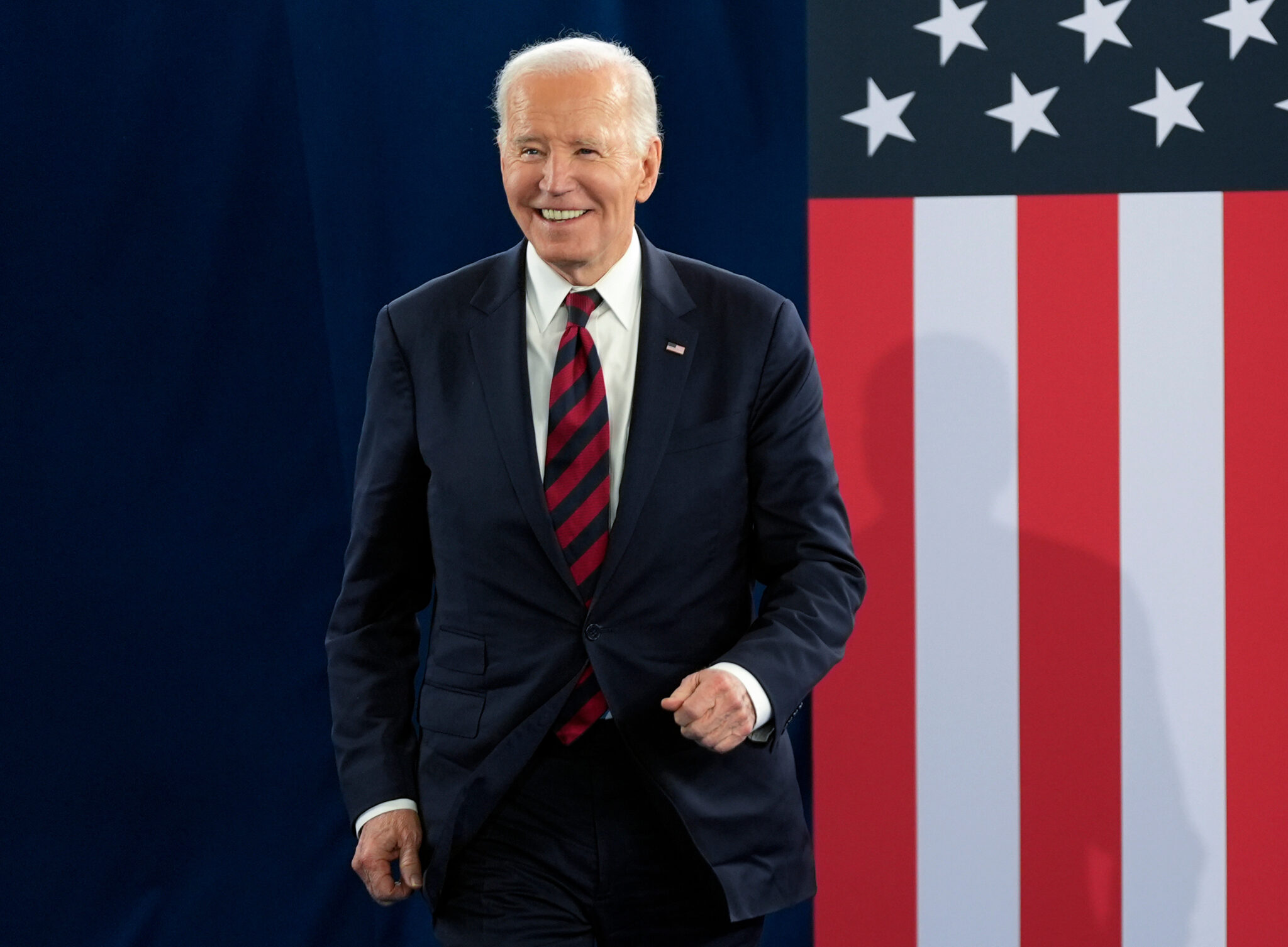
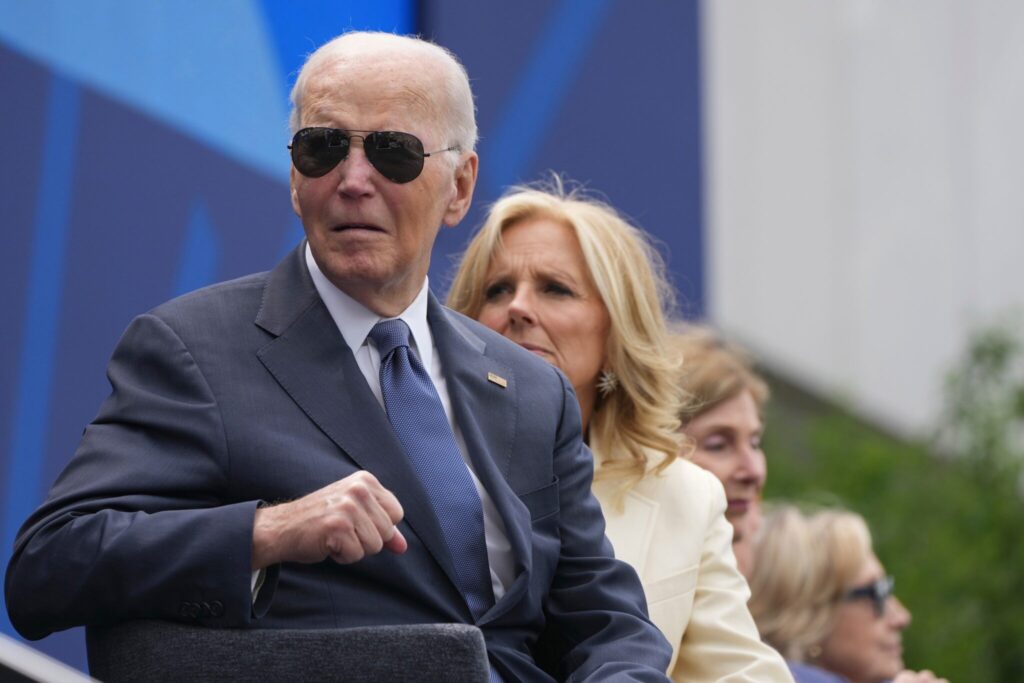
Biden Ghostwriter Tapes Appear to Include Discussion of Classified Information/ Newslooks/ WASHINGTON/ J. Mansour/ Newly released recordings appear to show former President Joe Biden discussing sensitive information with his memoir ghostwriter before the 2020 election. The heavily redacted material includes Biden saying he had found classified documents and occasions when he could not recall certain dates or details. Biden’s representative condemned the release as political retribution, while the conservative group that obtained the recordings said they belong to the public.
Quick Look
- The release includes approximately three hours of audio.
- It also contains 117 pages of heavily redacted transcripts.
- The interviews were conducted by ghostwriter Mark Lewis Zwonitzer.
- Some conversations occurred while Biden was vice president; others followed his departure from office.
- The sensitive information itself remains redacted.
- Special Counsel Robert Hur declined to charge Biden in 2024.
- Biden maintained that he did not intentionally mishandle classified material.
- A conservative Heritage Foundation affiliate sued for access to the tapes.
- A federal appeals panel found a “substantial” public interest in disclosure.
- Biden abandoned his legal challenge after losing a divided appellate ruling.
Full Rewritten Story
Biden memoir interviews released after legal battle
Newly disclosed recordings of Joe Biden’s interviews with a memoir ghostwriter appear to capture the former president discussing sensitive government information and acknowledging that he possessed classified material after leaving the vice presidency.
The Oversight Project, a conservative organization affiliated with the Heritage Foundation, released approximately three hours of audio and 117 transcript pages following a prolonged legal dispute.
Large portions of both the recordings and transcripts are redacted, including the potentially classified information discussed during the conversations.
Biden had attempted to prevent the Justice Department from making the interviews public, arguing that his conversations with writer Mark Lewis Zwonitzer were private.
Biden discusses sensitive foreign policy matters
The interviews began in 2016, near the end of Biden’s second term as vice president under President Barack Obama.
During an October 2016 conversation, Biden spoke to Zwonitzer about sensitive foreign policy matters handled by the Obama administration.
“They didn’t even know I had this,” Biden said.
The released material does not include the potentially classified substance of that discussion because it has been removed from both the audio and written transcript.
In another interview conducted in 2017, after Biden had left the White House, he appeared to acknowledge possessing classified documents from his vice presidency.
“I just found all the classified stuff downstairs,” Biden said. “I wrote the President a handwritten 40-page memorandum arguing against deploying additional troops to Iraq — I mean, to Afghanistan on the grounds that it wouldn’t matter, that the day we left would be like the day before we arrived.”
The release does not independently establish the classification status of every item Biden referenced or demonstrate that he knowingly disclosed classified information to the writer.
Special counsel declined to charge Biden
The Oversight Project first sued to obtain the recordings after Special Counsel Robert Hur completed an investigation into Biden’s handling of classified material.
Hur announced in 2024 that he would not pursue criminal charges against Biden.
Biden cooperated with the inquiry and told Hur that he had not intentionally mishandled classified documents. The recordings became part of the special counsel’s evidence during that investigation.
That description became a major political controversy as voters and political leaders debated Biden’s age and ability to continue serving as president.
Biden was 74 when the interviews with Zwonitzer began. He was 81 and campaigning for reelection when Hur issued his report in early 2024.
Biden later ended his bid for another term following a halting debate performance against Republican Donald Trump.
Recordings present a mixed picture of Biden’s memory
The released interviews contain several moments in which Biden could not remember specific dates or other details connected to subjects he was discussing.
The tapes also document occasions when he recalled extensive details about government meetings and conversations, including information referenced in notes that he shared with Zwonitzer.
The recordings therefore contain evidence that Biden struggled with some recollections while demonstrating command of other events.
The Oversight Project maintains that the material validates previous concerns about Biden’s cognitive condition.
“The tapes have always belonged to the American People, the Oversight Project just delivered them to their rightful owner,” Jeff Clark, the group’s vice president of litigation, said in a statement. “The knowledge of his deterioration was well-established.”
The Oversight Project is associated with a conservative policy organization and had sought the material after Hur declined to prosecute Biden.
Biden representative calls release political retribution
A representative for Biden criticized the disclosure, arguing that the interviews involved deeply personal conversations conducted for a book.
The discussions included Biden speaking about his late son, Beau Biden, whose death in 2015 became a central subject in the former president’s memoir.
“President Biden’s conversations for a book a decade ago that discussed his late son are private, and were provided to the Department of Justice on the express condition they stay that way,” spokesperson TJ Ducklo said. “Reversing course and making them public is just the latest example of this Administration weaponizing the DOJ for political retribution.”
The dispute places competing privacy and transparency arguments at the center of the case.
Biden’s position was that the conversations were private interviews with a writer. Those seeking their release argued that public interest outweighed that privacy claim because the tapes became evidence in an investigation involving classified information and a sitting president.
Appeals court finds substantial public interest
Biden initially filed a lawsuit seeking to block the Justice Department from disclosing the recordings and related transcripts.
A divided three-judge panel of the U.S. Court of Appeals for the District of Columbia Circuit rejected his request in a 2-1 ruling.
The panel concluded that there was a “substantial” public interest in releasing the material.
Following that defeat, Biden withdrew his lawsuit. He could have requested a rehearing before the full appeals court or petitioned the Supreme Court to review the case but did not pursue either option.
The release renews public scrutiny of Biden’s handling of classified material, his memory during the interview sessions and the Justice Department’s decision not to charge him.
Hur’s conclusion remains unchanged: Biden was not criminally charged following the classified-documents investigation.





You must Register or Login to post a comment.