

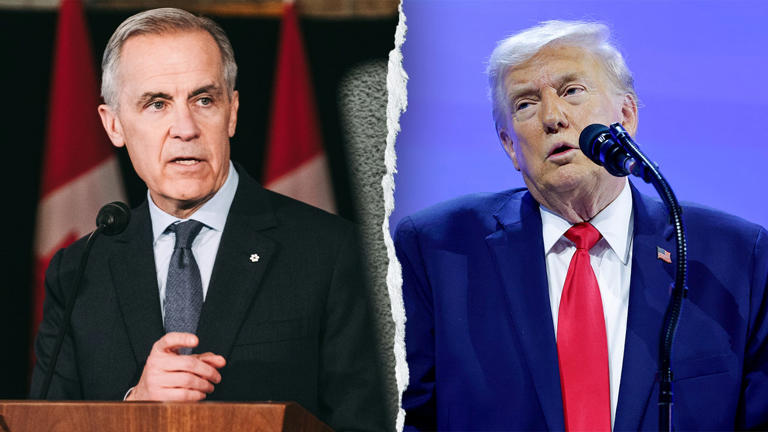
Canadian Travel Pullback Costs U.S. Tourism Industry $2.3 Billion/ Newslooks/ WASHINGTON/ J. Mansour/ Canadian travel to the United States fell 25% in 2025, according to a new Statistics Canada report. Canadians spent C$3.3 billion less on U.S. trips as political and trade tensions encouraged travelers to choose domestic and overseas destinations. Preliminary 2026 figures suggest automobile travel is beginning to recover, although air travel continues to lag.
Quick Look
- Canadian travel to the United States declined 25% in 2025.
- Canadians took 7.1 million fewer U.S. trips.
- Their U.S. travel spending fell by C$3.3 billion, or approximately US$2.3 billion.
- Spending declined from C$22.1 billion in 2024 to C$18.8 billion in 2025.
- Canadians made 5 million more domestic trips.
- Overseas trips increased by 1.3 million.
- Overseas leisure spending rose C$3.6 billion to C$22.8 billion.
- Return trips from the United States declined for 11 consecutive months.
- Automobile travel showed signs of improvement from April through June 2026.
- Canadian air travel to the United States remains weak.
Full Rewritten Story
Canadian travel to U.S. drops sharply
Canadian travel to the United States declined by 25% in 2025, costing the American tourism industry billions of dollars as travelers increasingly chose destinations inside Canada or overseas.
A new Canadian government report found that the pullback persisted into early 2026, although recent data indicate the decline may be starting to moderate.
The reduction followed rising political and economic tensions between the neighboring countries, including U.S. tariffs, trade disputes and President Donald Trump’s repeated comments about making Canada America’s “51st state.”
“Following the change in the U.S. administration in early 2025 and the implementation of America First policies, Canadian travel sentiment shifted abruptly,” the report said.
The findings offer one of the clearest assessments to date of how strained U.S.-Canadian relations have affected travel behavior and American tourism revenue.
Longest sustained decline outside the pandemic
Canada has traditionally supplied more international visitors to the United States than any other country, making the drop especially consequential for American hotels, restaurants, airlines, retailers and tourism destinations.
Statistics Canada reported that the number of Canadians returning from trips to the United States declined on a year-over-year basis for 11 consecutive months in 2025.
That represented the longest sustained decrease outside the COVID-19 pandemic since digital records began in 1972.
The downturn affected destinations throughout the United States but was particularly significant for border states and regions that depend heavily on Canadian visitors traveling by automobile.
U.S. destinations lose billions in Canadian spending
That was down from C$22.1 billion during 2024, representing a decline of C$3.3 billion, or approximately US$2.3 billion.
Reduced leisure travel accounted for most of the lost spending.
The financial impact extends beyond traditional vacation destinations. Canadian visitors also contribute to retail activity, entertainment, dining and local transportation in communities across the United States.
The White House did not immediately respond to a request for comment about the report.
Canadians redirect vacations instead of staying home
The figures indicate that Canadians did not simply abandon travel. Instead, many redirected their spending toward domestic destinations or countries outside the United States.
Canadians made 7.1 million fewer trips to the United States during 2025. That decline was largely offset by 5 million additional trips within Canada and 1.3 million more trips overseas.
The change suggests that travel demand remained strong even as the United States became a less attractive destination for many Canadian consumers.
Spending on overseas leisure travel increased by C$3.6 billion, reaching C$22.8 billion. Those expenses represented slightly less than half of all Canadian spending on international trips during the year.
The shift delivered additional tourism revenue to destinations outside North America while supporting Canada’s domestic travel sector.
Political and trade tensions affect travel decisions
The report connected the abrupt change in travel sentiment to the political transition in Washington and the Trump administration’s America First policies.
Trade disputes and new tariffs contributed to deteriorating relations between the two longtime allies. Trump’s rhetoric about Canada potentially becoming the 51st U.S. state also generated widespread anger among Canadians.
Those developments helped produce calls for Canadians to support domestic businesses, purchase Canadian products and reconsider travel to the United States.
The resulting pullback demonstrates how political tensions can influence individual travel decisions and produce measurable economic effects across borders.
Early 2026 figures suggest decline may be easing
Statistics Canada data covering April through June 2026 indicate that Canadian travel to the United States may be beginning to stabilize after its steep decline in 2025.
The improvement has primarily come from Canadians crossing the border by automobile.
Air travel has not experienced the same recovery and continues to lag, suggesting that Canadians remain reluctant to make longer or more expensive U.S. trips.
Additional data will be needed to determine whether the improvement represents a sustained recovery or a temporary change during the spring and summer travel period.
World Cup visitors could offset part of the loss
Canada represents only one segment of the United States’ large international tourism market.
Future American visitor data will help determine whether travelers from other countries compensated for some of the decline in Canadian arrivals.
The recently held World Cup could provide an important boost by attracting soccer supporters from around the world to U.S. host cities.
However, it remains unclear whether international World Cup tourism and arrivals from other markets generated enough spending to offset the billions lost because of the Canadian travel pullback.
The long-term effect will depend partly on the direction of U.S.-Canadian relations and whether Canadian travelers regain confidence in visiting the United States.






You must Register or Login to post a comment.