Trump’s Trip to China A Bit Chillier Than His 1st-Term Visit Due to Iran War/ Newslooks/ WASHINGTON/ J. Mansour/ Morning Edition/ President Donald Trump’s upcoming summit with Chinese President Xi Jinping comes amid rising tensions tied to the Iran war and ongoing trade disputes. While both leaders are expected to showcase diplomatic pageantry, analysts believe the relationship is far more strained than during Trump’s first China visit in 2017. Trade negotiations, Taiwan, tariffs, and China’s ties to Iran are expected to dominate the high-profile meetings in Beijing.
Trump China Summit Quick Looks
- Trump arrives in Beijing this week for talks with Xi Jinping
- Iran conflict is increasing pressure on US-China relations
- China’s economic ties to Iran remain a key issue
- Trump and Xi are expected to discuss trade and security
- The White House hopes to extend a trade truce with Beijing
- Analysts expect less diplomatic warmth than Trump’s 2017 visit
- Taiwan tensions continue hovering over US-China negotiations
- Multiple Trump-Xi meetings could take place later this year
Deep Look
Iran Conflict Adds New Strain to Trump-Xi Summit
President Donald Trump’s latest trip to China is expected to be filled with ceremonial grandeur, but growing geopolitical tensions surrounding Iran and trade disputes could make the atmosphere significantly more complicated than during his first-term visit to Beijing.
Trump is scheduled to meet Chinese President Xi Jinping this week as both countries navigate increasingly sensitive disagreements involving tariffs, Taiwan, semiconductor competition, and Middle East stability.
The ongoing Iran conflict has emerged as one of the most delicate issues ahead of the summit because of China’s deep economic relationship with Tehran and its dependence on Iranian oil imports.
Although Trump has publicly expressed optimism about his relationship with Xi, analysts say the political environment surrounding this visit is far more tense than it was nearly a decade ago.
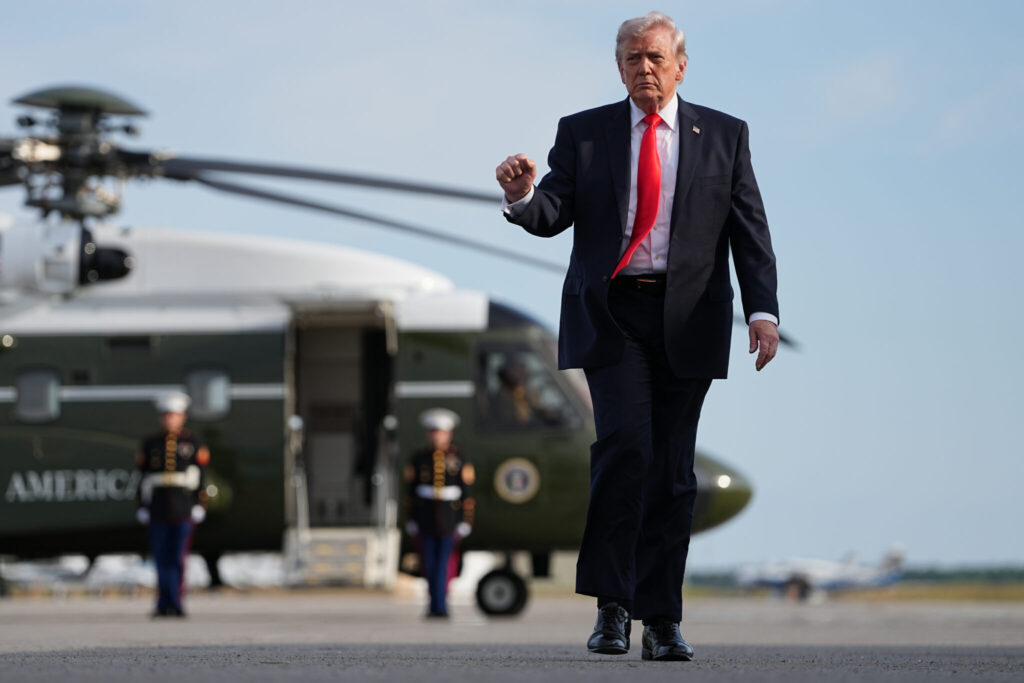
Long before boarding Air Force One, Trump predicted on social media that Xi would “give me a big, fat hug when I get there.”
Still, foreign policy experts caution that the diplomatic warmth may be more restrained this time around.
Beijing Plans Formal Welcome for Trump
Trump will arrive in Beijing on Wednesday evening before beginning a packed diplomatic schedule with Xi.
According to the White House, the visit will include a formal welcome ceremony, one-on-one meetings, a tour of Beijing’s historic Temple of Heaven, a state banquet, and additional working sessions focused on economic cooperation.
White House spokesperson Anna Kelly said both leaders are expected to discuss forming a new Board of Trade aimed at improving communication on economic issues between the two countries.
Key industries expected to dominate discussions include energy, agriculture, aerospace, and manufacturing.
China’s Foreign Ministry also struck a carefully measured tone ahead of the visit.
Foreign Ministry spokesperson Guo Jiakun said Beijing is prepared to work with the United States “based on equality and mutual respect” to stabilize relations and expand cooperation during an increasingly volatile global climate.
Despite the formal diplomatic language, experts say expectations for major breakthroughs remain relatively low.
Relationship Is More Complicated Than in 2017
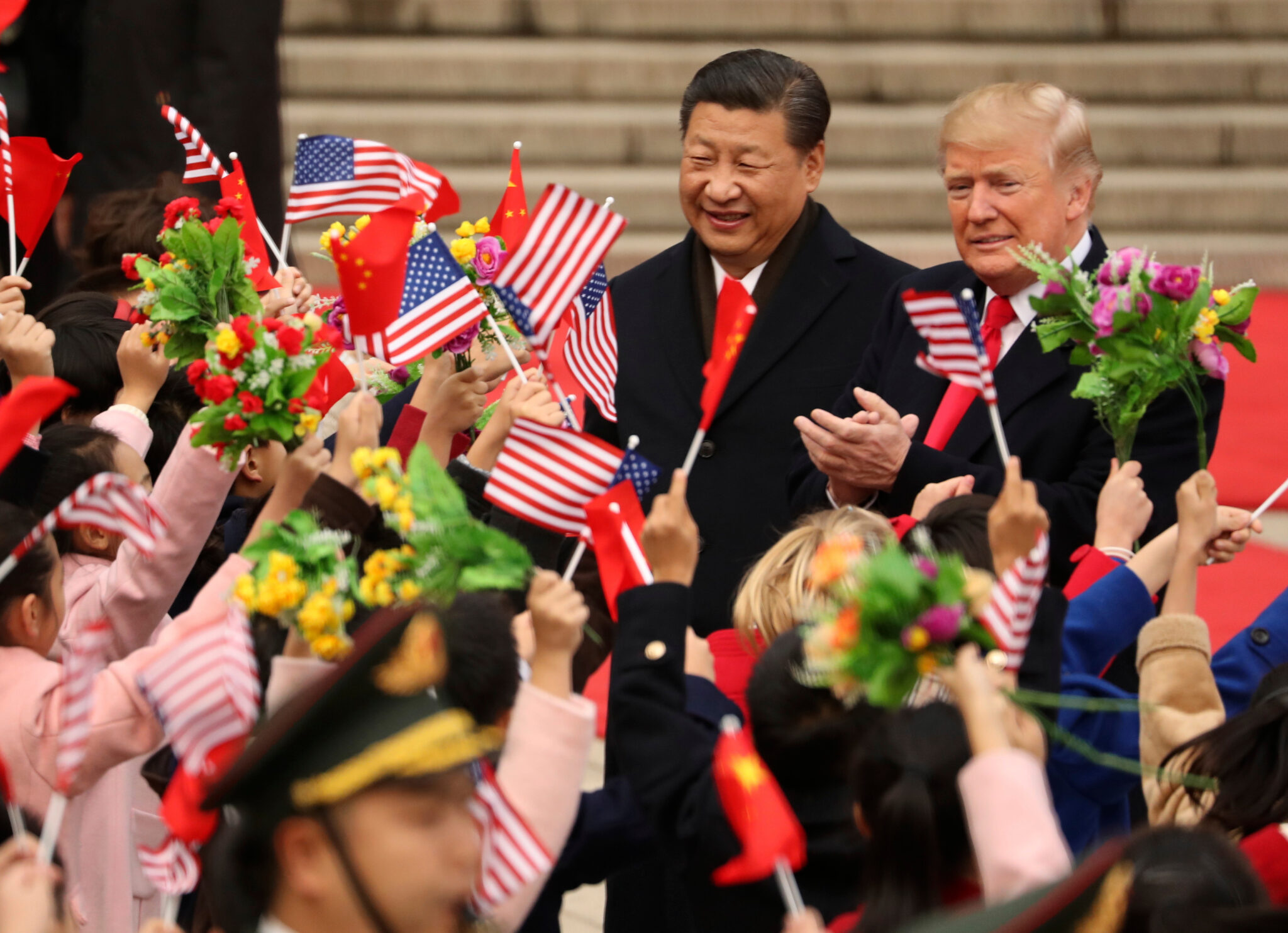
Trump’s first visit to China in 2017 featured extraordinary displays of hospitality from Beijing.
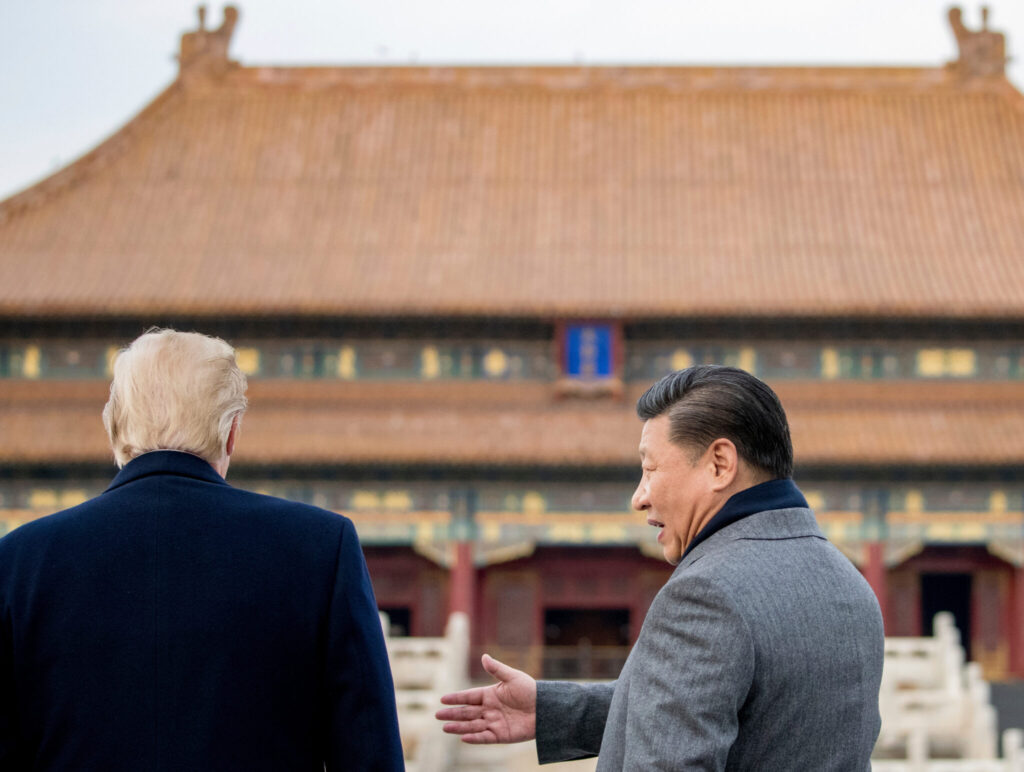
Xi personally hosted Trump inside the Forbidden City, military bands performed during ceremonies, and Chinese officials rolled out an unusually elaborate diplomatic welcome often described as a “state visit-plus.”
Trump and former first lady Melania Trump even received rare access to areas traditionally reserved for Chinese emperors.
This time, analysts believe China will still emphasize symbolism and pageantry but with a more strategic objective.
“The Chinese delegation will likely do its utmost to ensure that Trump leaves Beijing believing that he has just concluded the most extraordinary state visit of his two presidencies,” said Ali Wyne of the Crisis Group.
However, experts say Xi now better understands Trump’s negotiating style and sees the United States as a more direct strategic competitor than during Trump’s first administration.
“Even before this whole conflagration with Iran, they weren’t going to go state visit-plus like last time, just because things are tense,” said Jonathan Czin, a former National Security Council official.
Iran War Complicates Diplomacy
The Iran conflict is expected to loom heavily over the summit discussions.
Trump recently attempted to pressure China into helping reopen the Strait of Hormuz after Iranian disruptions affected global trade and energy markets.
Although Beijing did not directly intervene militarily, China reportedly used its economic influence as Iran’s largest oil customer to encourage Tehran to support a fragile ceasefire.
The White House now hopes China may use its leverage with Iran to help preserve regional stability.
At the same time, China’s close ties with Tehran remain a point of concern for Washington.
Analysts say the Iran war has complicated already strained U.S.-China relations because Beijing’s economic interests could conflict with broader American security goals in the Middle East.
China also faces economic risks if regional instability continues disrupting energy markets and slowing global growth.
Trade Issues Remain a Major Obstacle
Trade tensions continue to shape the broader relationship between Washington and Beijing.
During Trump’s first presidency, both countries engaged in a prolonged tariff war that disrupted global supply chains and triggered retaliatory trade restrictions.
Trump announced hundreds of billions of dollars in trade agreements during earlier negotiations with China, though many of the promised deals ultimately failed to materialize.
More recently, Trump’s renewed tariff threats led China to reduce purchases of American soybeans and limit exports of rare earth minerals crucial for U.S. manufacturing and technology industries.
Relations improved somewhat after both sides agreed to a trade truce last fall that eased tariff pressures.
White House officials say recent discussions have focused on extending that agreement.
“President Trump cares about results, not symbols,” Kelly said. “But even still, the president has a great relationship with President Xi, and the upcoming summit in Beijing will be both symbolically and substantively significant.”
Taiwan and Security Concerns Still Hover
Beyond trade and Iran, Taiwan remains another highly sensitive issue between the two powers.
Trump’s administration has approved billions of dollhttps://newsroom.ap.org/home/search?query=china%20trump&mediaType=textars in arms sales to Taiwan while simultaneously criticizing Taipei over semiconductor manufacturing and defense spending.
China continues pressuring Washington to reduce support for the self-governing island, which Beijing claims as part of its territory.
At the same time, Trump’s transactional diplomatic style continues creating uncertainty about how future agreements may evolve.
More Trump-Xi Meetings Could Follow
This week’s summit may only be the beginning of an unusually active year of diplomacy between Trump and Xi.
The two leaders could potentially meet four times within eight months.
Future meetings may include Xi visiting the White House, Trump attending the Asia-Pacific Economic Cooperation summit in Shenzhen, and Xi potentially participating in the G20 summit hosted at Trump’s Florida resort in Doral.
Still, analysts note that both leaders approach diplomacy very differently.
Trump often emphasizes personal relationships and public displays of chemistry, while Xi tends to favor tightly controlled political messaging and carefully structured negotiations.
Even so, experts believe both leaders see strategic value in maintaining direct communication during a period of growing geopolitical instability.