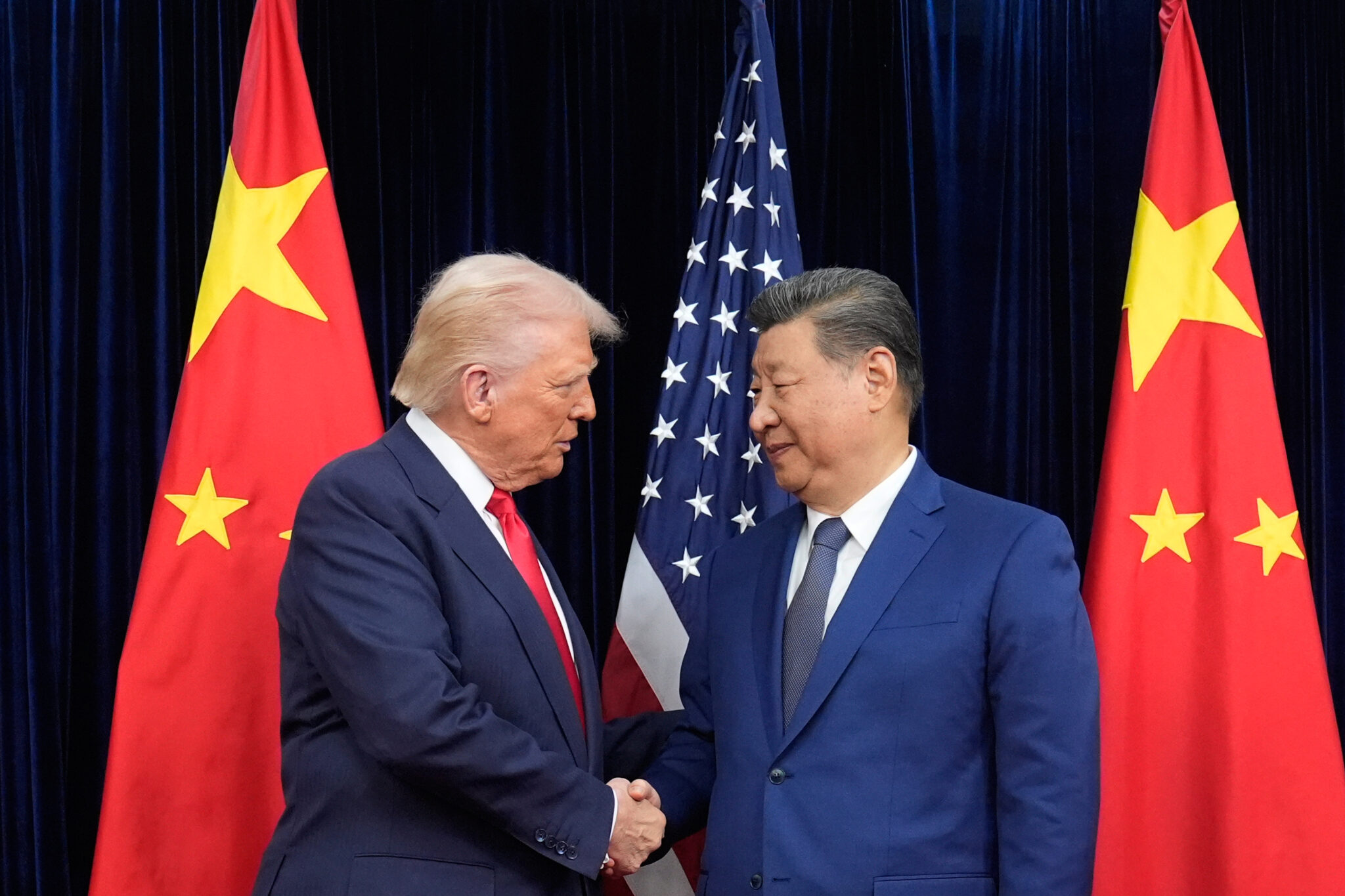
Trump-Xi Summit Will Raise New Taiwan Security Concerns/ Newslooks/ WASHINGTON/ J. Mansour/ Morning Edition/ President Donald Trump’s upcoming summit with Chinese President Xi Jinping is intensifying concerns over America’s support for Taiwan. Analysts fear Beijing could pressure Trump to weaken U.S.-Taiwan ties during negotiations. The high-stakes meeting comes amid rising tensions over defense spending, semiconductor competition, and military security in the Indo-Pacific region.
Trump Xi Taiwan Summit Quick Looks
- Trump and Xi are expected to discuss Taiwan during upcoming talks
- Beijing wants the U.S. to soften support for Taiwan
- Trump approved major arms sales to Taiwan but delayed deliveries
- Marco Rubio said U.S. policy toward Taiwan remains unchanged
- Taiwan recently approved $25 billion in defense purchases
- China continues to view Taiwan as a breakaway province
- Analysts worry Trump’s transactional style could affect negotiations
- Taiwan’s semiconductor industry remains strategically vital to the U.S.
Deep Look
Taiwan Emerges as Key Issue Ahead of Trump-Xi Summit
Taiwan has become one of the most sensitive geopolitical flashpoints ahead of this week’s summit between President Donald Trump and Chinese President Xi Jinping.
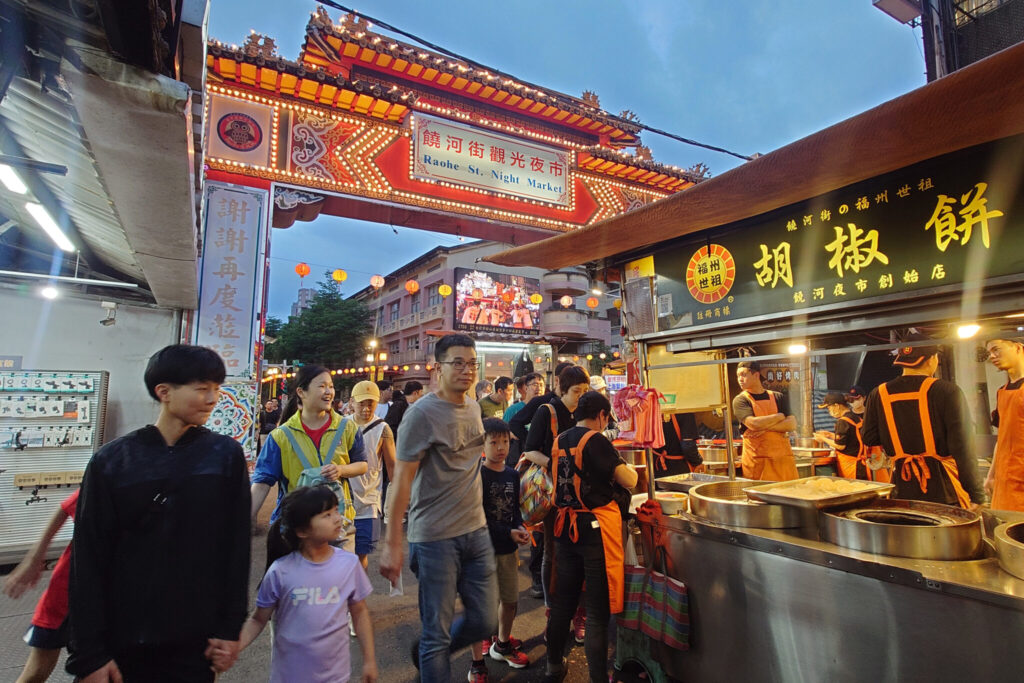
As Trump prepares for talks with Xi during his second term in office, growing uncertainty surrounds how firmly the United States will continue supporting Taiwan — the self-governing island democracy that China claims as its own territory.
Trump’s recent rhetoric and policy moves have fueled speculation in Washington, Beijing, and Taipei that the U.S. president could be open to adjusting America’s longstanding approach toward Taiwan as part of broader negotiations with China.
The summit comes at a particularly tense moment in U.S.-China relations, with disputes involving trade, military security, semiconductors, tariffs, and regional influence all shaping the discussions.
Trump Sends Mixed Signals on Taiwan
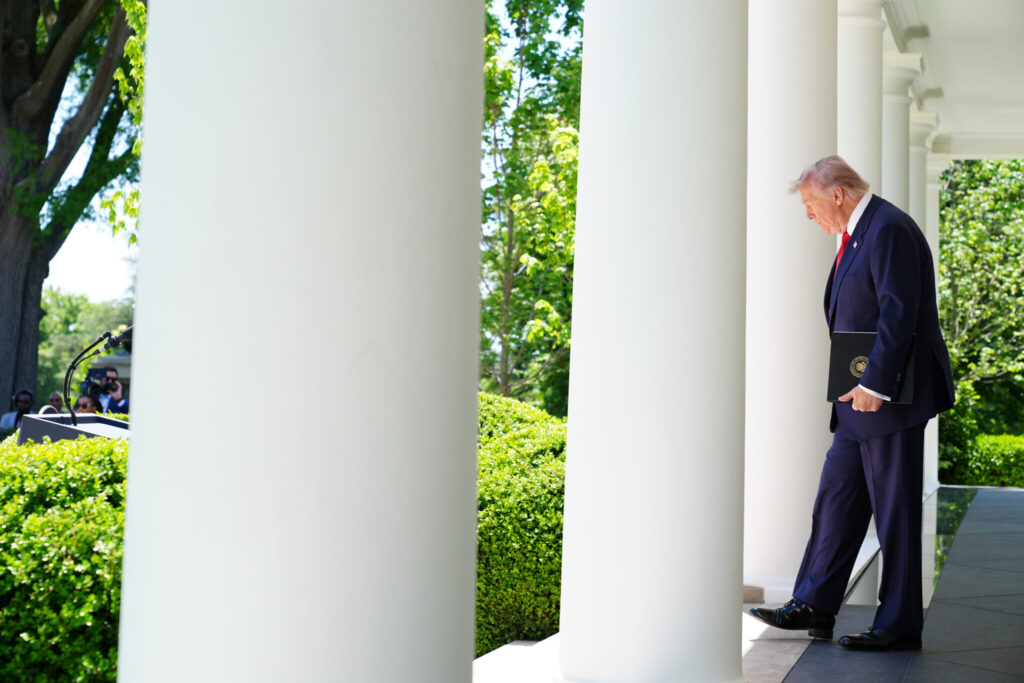
Since returning to the White House, Trump has taken a more unpredictable and transactional tone regarding Taiwan compared with previous administrations.
In December, Trump approved an $11 billion weapons package for Taiwan — the largest arms sale in the island’s history — but the administration has not yet completed delivery of the military equipment.
Trump also publicly acknowledged discussing the arms package with Xi, raising concerns among Taiwan supporters that Beijing could pressure Washington to scale back future defense commitments.
At the same time, Trump has repeatedly criticized Taiwan over the semiconductor industry, claiming the island “stole” America’s chip business while demanding Taiwan contribute more financially for U.S. military protection.
The administration has additionally pushed Taiwan to expand investments in American semiconductor manufacturing and increase purchases of U.S. liquefied natural gas and crude oil.
Analysts say Trump’s public comments have created uncertainty over how far the United States is willing to go in defending Taiwan against Chinese aggression.
Concerns Grow Over Potential Concessions
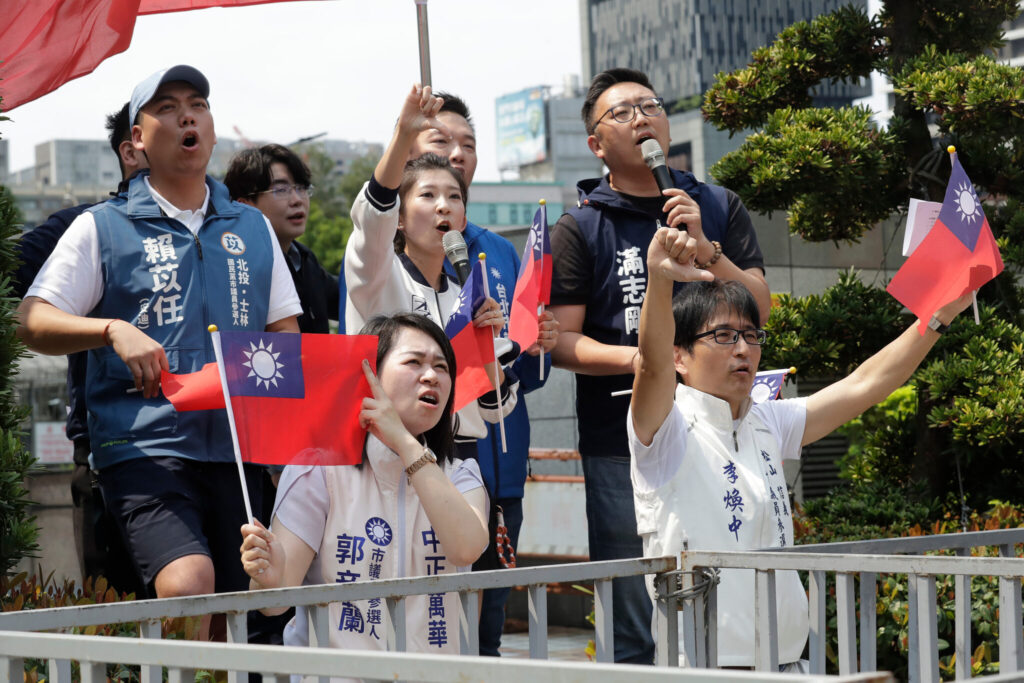
Taiwan advocates worry the island could become a bargaining chip during negotiations between Trump and Xi.
Retired U.S. Navy Rear Adm. Mark Montgomery warned that Trump’s deal-oriented political style creates concern among supporters of strong U.S.-Taiwan relations.
“I do worry that we have a transactional president and a transactional opportunity could arise, and then we would have a challenge,” said Montgomery, now with the Foundation for Defense of Democracies.
Chinese officials have already signaled that Taiwan will be a major topic during the summit.
Chinese Foreign Minister Wang Yi reportedly raised Taiwan during preparatory discussions with Secretary of State Marco Rubio and urged the United States to “make the right choices” regarding Taiwan policy.
Beijing has long viewed Taiwan as a breakaway province that must eventually reunify with mainland China, by force if necessary.
Rubio Reaffirms U.S. Policy
Despite the concerns, Secretary of State Marco Rubio has publicly insisted that official U.S. policy toward Taiwan remains unchanged.
“We don’t want to see any forced or compelled change in the situation,” Rubio told reporters in Rome. He added that such developments “would be destabilizing to the world.”
Rubio acknowledged that Taiwan would likely come up during the Trump-Xi discussions even if it is not formally central to the trip.
White House officials also emphasized that Trump has already approved more military sales to Taiwan during the first year of his second term than President Joe Biden authorized over four years.
In addition to the record-setting arms package, Trump approved another $330 million sale involving military aircraft parts for Taiwan.
The administration has simultaneously pressured Taiwan to significantly increase its own defense spending.
On Friday, Taiwanese lawmakers approved approximately $25 billion in new military purchases after months of political gridlock, though the final figure fell short of the larger proposal initially sought by President Lai Ching-te.
China Could Seek Limits on U.S.-Taiwan Ties
Foreign policy analysts believe Xi may attempt to persuade Trump to loosen informal ties between Washington and Taipei.
Although the United States officially recognizes Beijing under the “One China” policy framework established in 1979, Washington has continued maintaining unofficial relations with Taiwan and supplying the island with defensive weapons.
The U.S. policy has historically relied on “strategic ambiguity,” meaning Washington opposes forced changes to Taiwan’s status without explicitly guaranteeing military intervention.
However, analysts warn Trump’s unconventional diplomatic style could create uncertainty around longstanding policy language.
Patricia Kim of the Brookings Institution said there are concerns Trump could unintentionally blur key diplomatic distinctions during negotiations.
“Even if we don’t see something as dramatic as a formal shift in declaratory policy, this time around, there is always a risk that President Trump may make an off-the-cuff remark given he’s not necessarily somebody who appreciates the nuances of longstanding policy language,” Kim said.
Potential Chinese goals could include reducing U.S. weapons sales, limiting visits by senior American officials to Taiwan, or softening public support for Taipei.
Taiwan’s Semiconductor Industry Remains Critical
One of Taiwan’s strongest strategic advantages remains its dominance in semiconductor manufacturing.
Taiwan produces many of the world’s most advanced computer chips, making the island a critical part of the global technology supply chain and America’s broader economic competition with China.
Experts believe Taiwan’s importance to U.S. technology and economic security may discourage dramatic policy changes.
“Trump at the very least realizes the role that Taiwan plays in the U.S.’s economic growth,” said Lev Nachman, a political science professor at National Taiwan University.
The semiconductor sector is increasingly viewed as one of the key pillars shaping U.S.-China competition in artificial intelligence, defense technology, and advanced manufacturing.
Best-Case Outcome for Taiwan
Analysts say Taiwan’s ideal outcome from the summit would be avoiding major public concessions or inflammatory statements altogether.
Following his previous face-to-face meeting with Xi last October, Trump said Chinese officials understood the consequences of military action against Taiwan.
Still, uncertainty surrounding Trump’s diplomatic style continues to leave officials in Taipei nervous ahead of the high-profile summit.
“I think the best-case scenario Taiwan can hope for is that Taiwan is not talked about publicly or, at the very least, in a minimal way,” Nachman said.
As Washington and Beijing continue competing for influence across the Indo-Pacific region, Taiwan remains one of the most delicate and strategically important issues in global politics.