

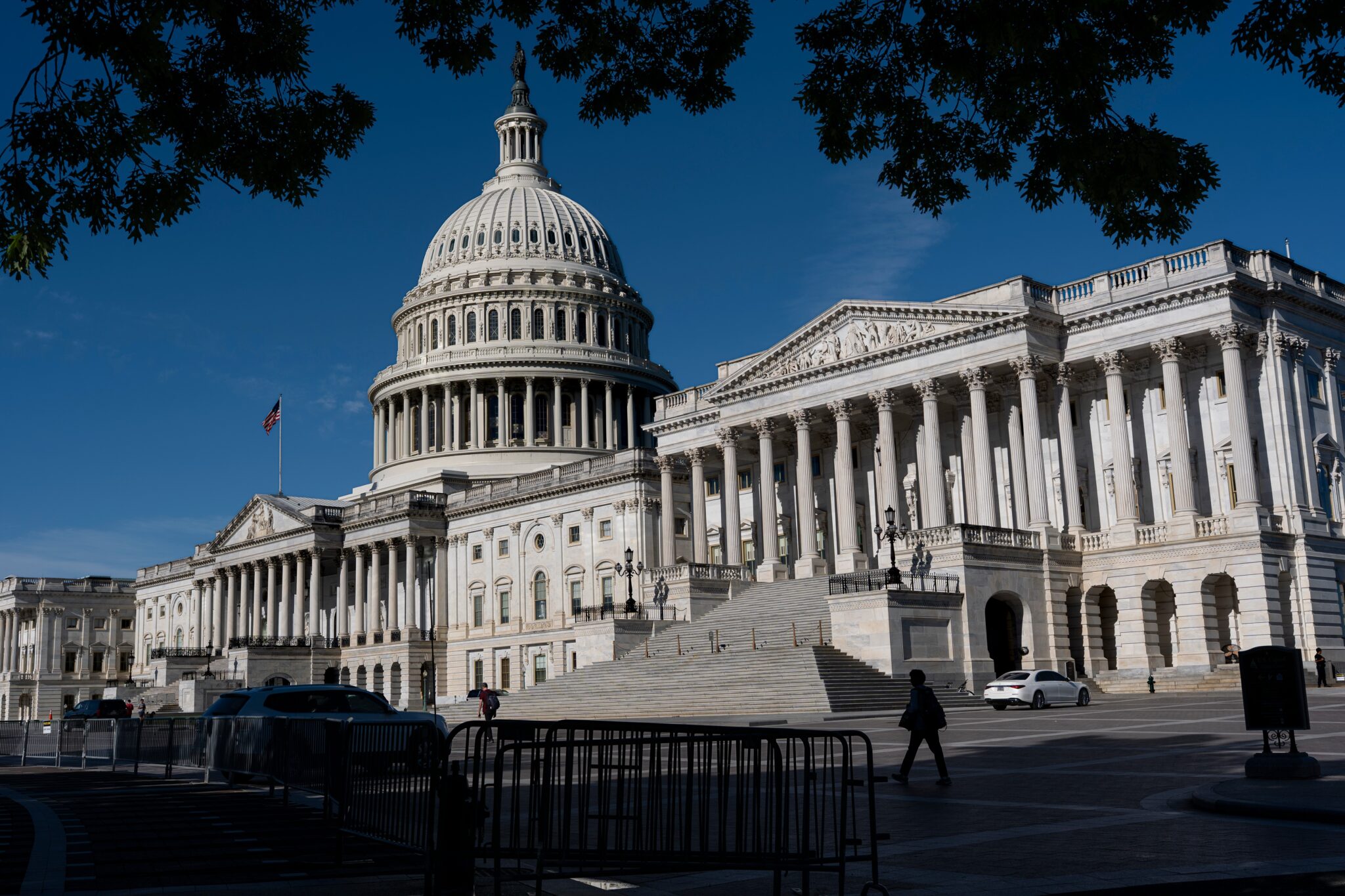
House Passes Bill Making Daylight Saving Time Permanent/ Newslooks/ WASHINGTON/ J. Mansour/ The House approved legislation that would make daylight saving time permanent across most of the United States. Supporters say ending seasonal clock changes would provide more evening daylight and reduce disruption. The bill still needs Senate approval before it can reach President Donald Trump’s desk.
Permanent Daylight Saving Time Quick Looks
- The House passed the daylight saving time bill in a 308-117 vote.
- The legislation would end twice-yearly clock changes.
- Daylight saving time would become permanent in most states.
- States could opt out before the legislation takes effect.
- The Senate must approve the bill before it reaches the president.
- The White House supports the proposed change.
- Supporters say more evening daylight would help families and businesses.
- Critics warn winter mornings would become darker.
- Schoolchildren and commuters could travel before sunrise in some areas.
- An AP-NORC poll found 56% preferred permanent daylight saving time.
- About four in 10 adults preferred permanent standard time.
- Similar legislation previously passed the Senate but stalled in the House.
Deep Look
House Passes Bill to Make Daylight Saving Time Permanent
WASHINGTON — The U.S. House voted Tuesday to make daylight saving time permanent, advancing a long-debated proposal that could end the familiar practice of Americans changing their clocks twice every year.
The House approved the measure in a bipartisan 308-117 vote.
Supporters of the legislation say Americans are ready to stop moving clocks forward in the spring and backward in the fall. They argue that permanent daylight saving time would provide additional evening daylight during the hours when families, consumers and businesses are most active.
The legislation must still clear the Senate before it can be sent to President Donald Trump for his signature.
It remains uncertain whether senators will approve the measure.
The White House, however, announced its support before the House vote and described the proposal as a popular and practical reform.
Presidential advisers would recommend that Trump sign the legislation if it reaches his desk.
Lawmakers Push to “Ditch the Switch”
Rep. Gus Bilirakis of Florida was among the Republican lawmakers strongly supporting the change.
Bilirakis said Americans are ready to “ditch the switch” and eliminate the disruption associated with changing clocks twice a year.
Under the current system, daylight saving time generally runs from spring through fall. During that period, clocks in most of the United States are moved one hour ahead of standard time.
The proposed legislation would effectively keep that schedule in place throughout the year.
Supporters say the seasonal time changes create unnecessary confusion and disrupt daily routines.
They also argue that additional evening sunlight could encourage families to spend more time outside and provide economic benefits for restaurants, retailers, tourism businesses and other industries that rely on evening activity.
Bilirakis pointed to his home state of Florida, where tourism is a major part of the economy.
He argued that predictable daylight hours could benefit employees, businesses and visitors.
For communities with large tourism industries, supporters believe additional evening daylight could encourage people to remain outdoors longer and spend more money at local businesses.
States Could Opt Out of Permanent Daylight Saving Time
The House bill would allow states to opt out of permanent daylight saving time.
State legislatures would need to take action before the federal legislation is enacted.
That provision would give states an opportunity to remain on standard time if lawmakers determine permanent daylight saving time is not appropriate for their residents.
The United States already has some differences in how daylight saving time is observed.
The new legislation could continue allowing regional differences while eliminating seasonal clock changes for most Americans.
The proposal’s central goal is to end the twice-yearly adjustment that has been part of American life for generations.
Critics Warn About Dark Winter Mornings
Opponents of permanent daylight saving time focused much of their criticism on winter mornings.
They warned that keeping clocks permanently one hour ahead of standard time would mean later sunrises during the darkest months of the year.
Rep. Mary Gay Scanlon of Pennsylvania said millions of Americans could wake up in complete darkness during winter.
Children could be waiting for school buses before sunrise, while parents and other commuters could be traveling to work in darkness.
Critics argue those conditions could create safety concerns for pedestrians, drivers and students.
The debate highlights the basic trade-off involved in choosing permanent daylight saving time or permanent standard time.
Permanent daylight saving time provides more evening sunlight but less morning light.
Permanent standard time provides earlier morning sunlight but leads to earlier sunsets.
Some Democrats Question Congress’ Priorities
Not all criticism of the bill focused on the time change itself.
Rep. Jim McGovern of Massachusetts voted in favor of the legislation but questioned whether Congress should be prioritizing daylight saving time while Americans continue to face significant economic pressures.
McGovern pointed to concerns about rent, grocery prices, utility bills and health care costs.
He questioned whether changing the nation’s time policy was the most urgent issue facing lawmakers.
The criticism came as Congress continues debating spending, economic policy and other major legislative priorities.
Still, the House vote showed broad bipartisan support for ending seasonal clock changes.
More than 300 representatives backed the proposal.
Poll Shows Americans Prefer More Evening Daylight
Public opinion appears to favor permanent daylight saving time when Americans are asked to choose between a single year-round system.
A 2025 poll from The Associated Press-NORC Center for Public Affairs Research found that 56% of adults preferred permanent daylight saving time.
That option would provide less morning sunlight but more daylight during the evening.
About four in 10 adults preferred permanent standard time.
Under standard time, Americans would receive more morning daylight but experience earlier evening darkness.
The polling suggests many Americans value having additional sunlight after traditional working and school hours.
Supporters of permanent daylight saving time have frequently cited public frustration with changing clocks as a reason for congressional action.
White House Supports Sunshine Protection Act
The White House backed the legislation ahead of Tuesday’s House vote.
The administration described the Sunshine Protection Act as a common-sense reform with significant public support.
White House officials said presidential advisers would recommend Trump sign the bill if Congress sends it to him.
The administration’s support could give the legislation additional momentum as it moves to the Senate.
However, Senate approval is not guaranteed.
Congress has repeatedly debated changing daylight saving time rules without completing the legislative process.
Congress Has Debated Daylight Saving Time for Decades
Lawmakers have examined the benefits and disadvantages of daylight saving time for decades.
The United States first adopted the practice as a wartime measure in 1942.
Since then, Congress has repeatedly considered questions involving energy use, transportation, public safety, business activity and the health effects of changing clocks.
The Senate approved legislation four years ago that would have made daylight saving time permanent.
That proposal ultimately stalled in the House.
This time, the House has acted first by approving the measure with a substantial bipartisan majority.
The political question now moves to the Senate.
Senate Approval Is the Next Major Test
The House vote represents a major step toward ending seasonal clock changes, but Americans should not stop adjusting their clocks yet.
The Senate must pass the legislation before it can reach Trump’s desk.
If the Senate approves the bill and Trump signs it, permanent daylight saving time could fundamentally change how Americans experience winter mornings and evenings.
Supporters see the legislation as a straightforward way to eliminate an unpopular seasonal ritual while giving Americans more evening daylight.
Opponents argue that the consequences of darker winter mornings deserve greater consideration, particularly for schoolchildren and morning commuters.
After decades of debate, Congress is again confronting a deceptively simple question: Should Americans keep changing their clocks?
The House has now delivered its answer — it wants to ditch the switch.






You must Register or Login to post a comment.