

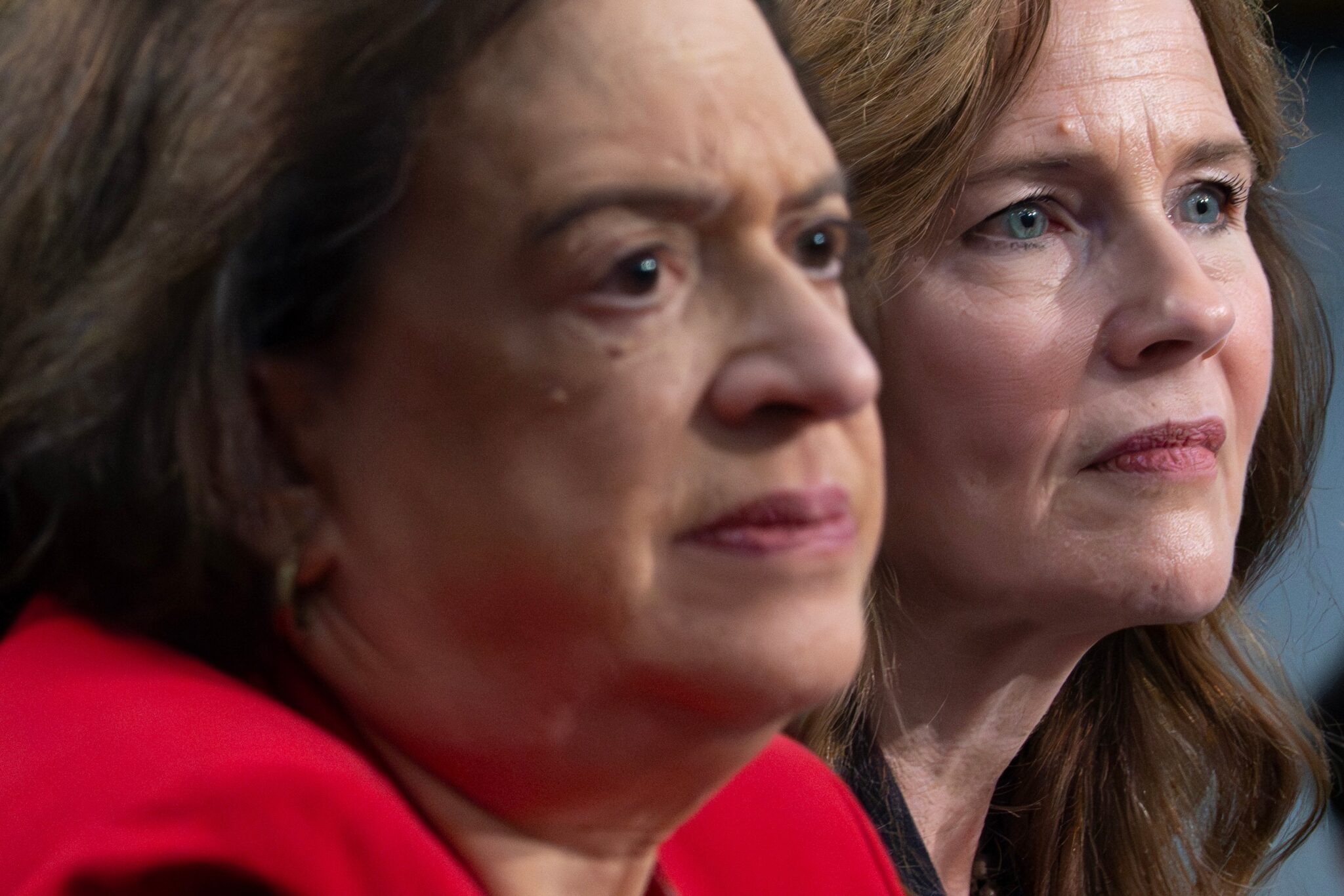
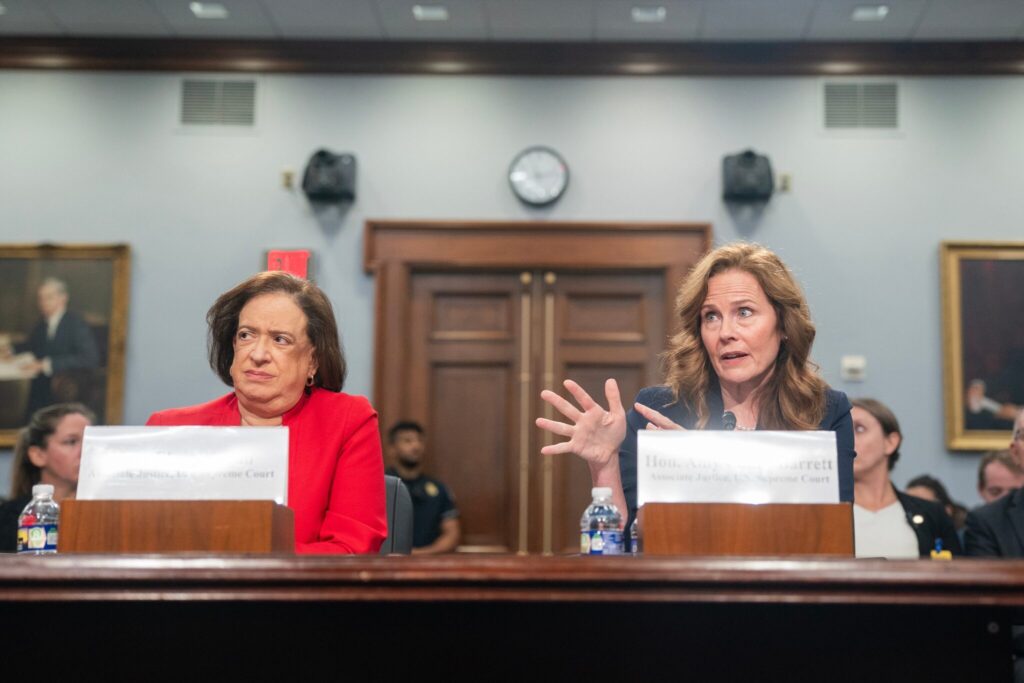
Supreme Court Justices Detail Security Threats Before Congress/ Newslooks/ WASHINGTON/ J. Mansour/ Supreme Court Justices Elena Kagan and Amy Coney Barrett testified before Congress in rare appearances.
The justices described growing security threats while discussing ethics rules and emergency court appeals. The Supreme Court is seeking increased funding to expand personal protection for its nine justices.

Supreme Court Security Threats Quick Looks
- Justices Elena Kagan and Amy Coney Barrett testified before Congress.
- The appearances were the first of their kind since 2019.
- Security threats against judges and Supreme Court justices are increasing.
- Barrett described having to explain a bulletproof vest to her young son.
- The Supreme Court is requesting $228 million for the next fiscal year.
- About $14.6 million in additional operating funds would expand justice protection.
- Each justice could receive six additional security agents.
- The U.S. Marshals Service recorded 564 threats in the last fiscal year.
- Supreme Court threats are expected to rise 38% this year.
- Kagan warned politicians against personally intimidating judges.
- Kagan supports possible enforcement of the Supreme Court ethics code.
- Barrett questioned whether a workable ethics enforcement system is possible.
- Kagan also warned about drawbacks to rising emergency docket appeals.
Deep Look
Supreme Court Justices Detail Security Threats in Rare Congressional Testimony
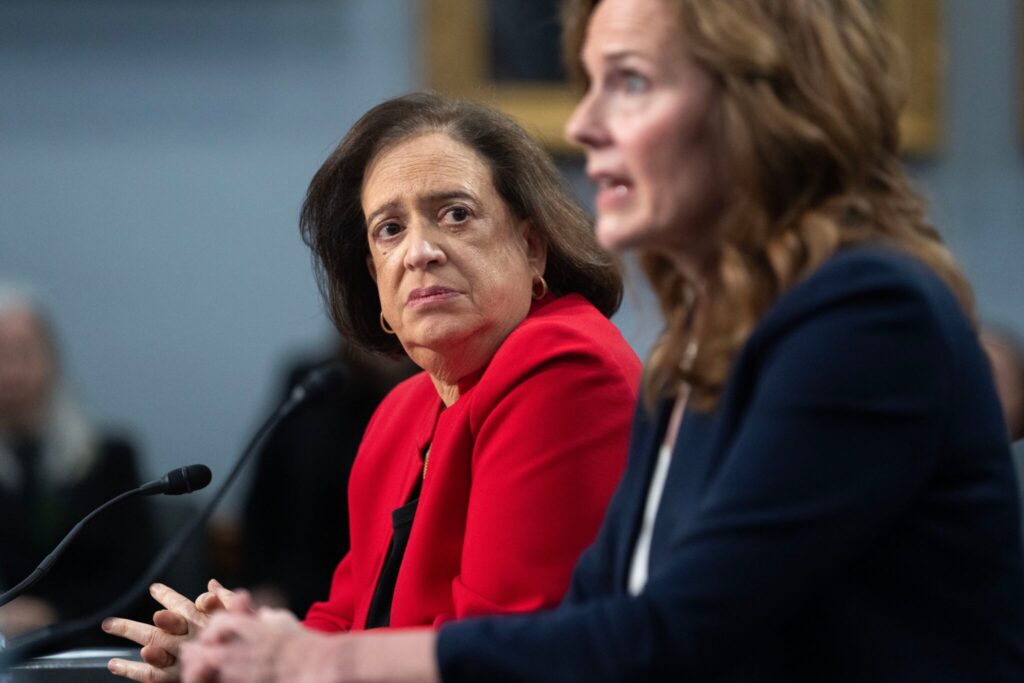
Supreme Court Justices Elena Kagan and Amy Coney Barrett appeared before Congress Tuesday in rare testimony that offered lawmakers a striking look at the growing security risks facing members of the nation’s highest court.
The justices shared personal accounts of threats and intimidation while also answering questions about Supreme Court ethics and the increasing use of emergency appeals.
Their appearances marked the first congressional testimony of its kind involving Supreme Court justices since 2019.
The hearings came only weeks after the conservative-majority court issued several major decisions involving President Donald Trump’s administration.
Among the rulings was a decision that expanded Trump’s authority over federal regulatory agencies. The court also rejected the president’s sweeping tariffs.
Those decisions and other controversial cases have generated intense political criticism of the justices.
Kagan and Barrett told lawmakers that disagreements over court rulings have increasingly been accompanied by personal attacks and security threats.
Barrett Describes Wearing Bulletproof Vest
Barrett offered one of the hearing’s most personal accounts when she described having to take a bulletproof vest home several years ago.
The conservative justice said she struggled to explain the protective equipment to her 12-year-old son.
Barrett said she never expected that serving on the Supreme Court would require her to explain to her children why she might need body armor.
Her family has also experienced other security incidents.
In May, Barrett’s son opened the family’s front door and discovered their street filled with police vehicles.
Authorities had responded to a fake emergency call targeting the justice’s home in what is commonly known as a swatting attack.
Barrett said her security team quickly handled the incident.
Her sister was also targeted by a bomb threat last year in Charleston, South Carolina. Police searched for explosives but did not find a bomb.
The incidents highlight the increasingly personal nature of threats directed at federal judges and their families.
Supreme Court Requests Increased Security Funding
Security was the central focus of the congressional hearings.
The Supreme Court is requesting $228 million for the next fiscal year, representing an increase of roughly 10% compared with the previous year.
About $18 million of the total request would pay for maintaining the Supreme Court building and surrounding grounds.
A significant portion of the proposed operating-budget increase would strengthen personal security for the justices.
Approximately $14.6 million would be dedicated to expanding protective details.
Under the proposal, six additional security agents could be assigned to each justice.
The request comes as threats against judges continue to rise across the United States.
The U.S. Marshals Service reported 564 threats during the most recent government fiscal year.
Those incidents involved federal judges across the country.
The Supreme Court’s nine justices have also been repeatedly targeted by threats, fake emergency calls and other forms of intimidation.
Threats Against Supreme Court Justices Increase
Security concerns surrounding the court intensified dramatically following major political and legal controversies.
In 2022, authorities arrested a man near Justice Brett Kavanaugh’s home.
The arrest came shortly after the leak of a draft Supreme Court opinion that ultimately overturned the Roe v. Wade abortion precedent.
Authorities said the suspect carried weapons and zip ties.
Threats against Supreme Court members have continued to increase since that incident.
Kagan told lawmakers that threats directed at the court are expected to rise 38% this year.
Judges have also faced disturbing intimidation tactics.
Some have been targeted by fake 911 calls designed to trigger armed police responses.
Others have received unwanted pizza deliveries using the name of a judge’s murdered son.
The growing number of incidents has increased pressure on Congress to provide more funding for judicial security.
Kagan Warns Political Leaders About Attacking Judges
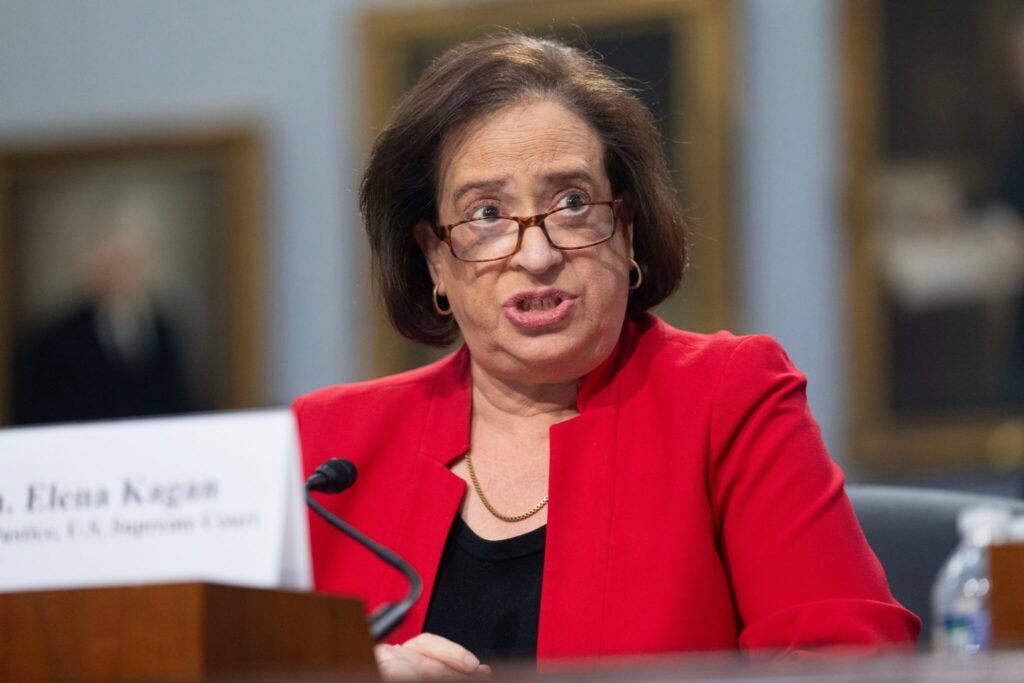
Kagan used her congressional testimony to criticize political rhetoric that personally targets judges.
The liberal-leaning justice said elected officials and other political figures cross an important line when they attempt to intimidate judges over unpopular rulings.
Kagan said criticism of court decisions is part of public debate.
However, she warned that efforts to pressure judges into issuing politically favorable decisions threaten judicial independence.
“When political figures of any stripe are trying to intimidate judges and justices to do things that they like rather than things they don’t, that’s where we really have crossed the line,” Kagan told lawmakers.
Her comments came during a period of intense political debate surrounding the federal judiciary.
President Trump’s administration has repeatedly challenged court decisions blocking portions of its agenda.
Judges and Supreme Court justices have also faced criticism from both conservative and liberal political groups following controversial rulings.
Supreme Court Ethics Code Draws Congressional Questions
Although security dominated the hearings, Democratic lawmakers also questioned Kagan and Barrett about the Supreme Court’s ethics rules.
The court adopted a formal ethics code in 2023.
The move followed intense criticism involving undisclosed travel and gifts received by some justices from wealthy benefactors.
Both Kagan and Barrett said members of the Supreme Court take the ethics code seriously.
However, the two justices expressed different views about whether the rules should include a formal enforcement mechanism.
Kagan said she supports exploring a system that would allow the ethics code to be enforced.
She acknowledged that creating such a structure would be complicated.
The Supreme Court sits at the top of the federal judicial system, raising questions about which institution or judicial body would have authority to investigate or discipline a justice.
Still, Kagan suggested that the judiciary should consider possible enforcement options.
Barrett Questions Ethics Enforcement System
Barrett expressed more skepticism about establishing a formal ethics enforcement mechanism.
She said she remains fully committed to the court’s ethics code and believes her colleagues also take the rules seriously.
However, Barrett questioned whether a workable enforcement system could be created.
The justice pointed to unresolved questions about who would enforce the rules and how complaints against Supreme Court members would be reviewed.
Because no higher court exists above the Supreme Court, traditional judicial disciplinary systems may be difficult to apply.
Barrett said those complexities make her uncertain about whether formal enforcement is possible.
The debate over Supreme Court ethics has remained a major issue in Congress.
Some lawmakers have called for stronger ethics requirements and greater financial disclosure from the justices.
Others argue that congressional oversight of the court could threaten the separation of powers.
Kagan Raises Concerns About Supreme Court Emergency Docket
The emergency docket allows the court to quickly consider urgent appeals in cases still moving through lower courts.
Use of the process has increased sharply during Trump’s second term.
The Trump administration has repeatedly asked the Supreme Court to intervene after lower courts blocked portions of the president’s agenda.
The administration has won several emergency appeals involving federal workforce cuts, restrictions affecting transgender military members and other policies.
Emergency decisions are often issued without the detailed explanations normally included in major Supreme Court opinions.
Although emergency orders are technically temporary, they can have significant real-world consequences while litigation continues.
Kagan acknowledged that the process has disadvantages.
She said justices do not receive the same level of written arguments that accompany normal Supreme Court cases.
The court also typically does not hear the extensive oral arguments used in regular cases.
Kagan said the justices should consider those limitations when deciding how frequently to grant emergency relief.
Rare Testimony Highlights Challenges Facing Supreme Court
The congressional appearances by Kagan and Barrett offered an unusual public view of the challenges facing the Supreme Court.
The justices rarely testify before Congress.
Their testimony highlighted the growing personal risks associated with serving on the nation’s highest court while also exposing continuing disagreements over ethics enforcement and emergency judicial decisions.
Congress must now consider the Supreme Court’s request for increased security funding.
The proposal would significantly expand protection for the nine justices as threats against members of the federal judiciary continue to increase.
At the same time, lawmakers are likely to continue debating whether the Supreme Court’s ethics code requires stronger enforcement.
The rapid growth of emergency appeals could also remain under scrutiny as the Trump administration continues to challenge lower court rulings.
For Kagan and Barrett, however, the security risks facing judges were the clearest concern.
Their testimony showed how political anger surrounding court decisions increasingly extends beyond legal and ideological debate — creating threats that affect justices and their families in their daily live.





You must Register or Login to post a comment.