

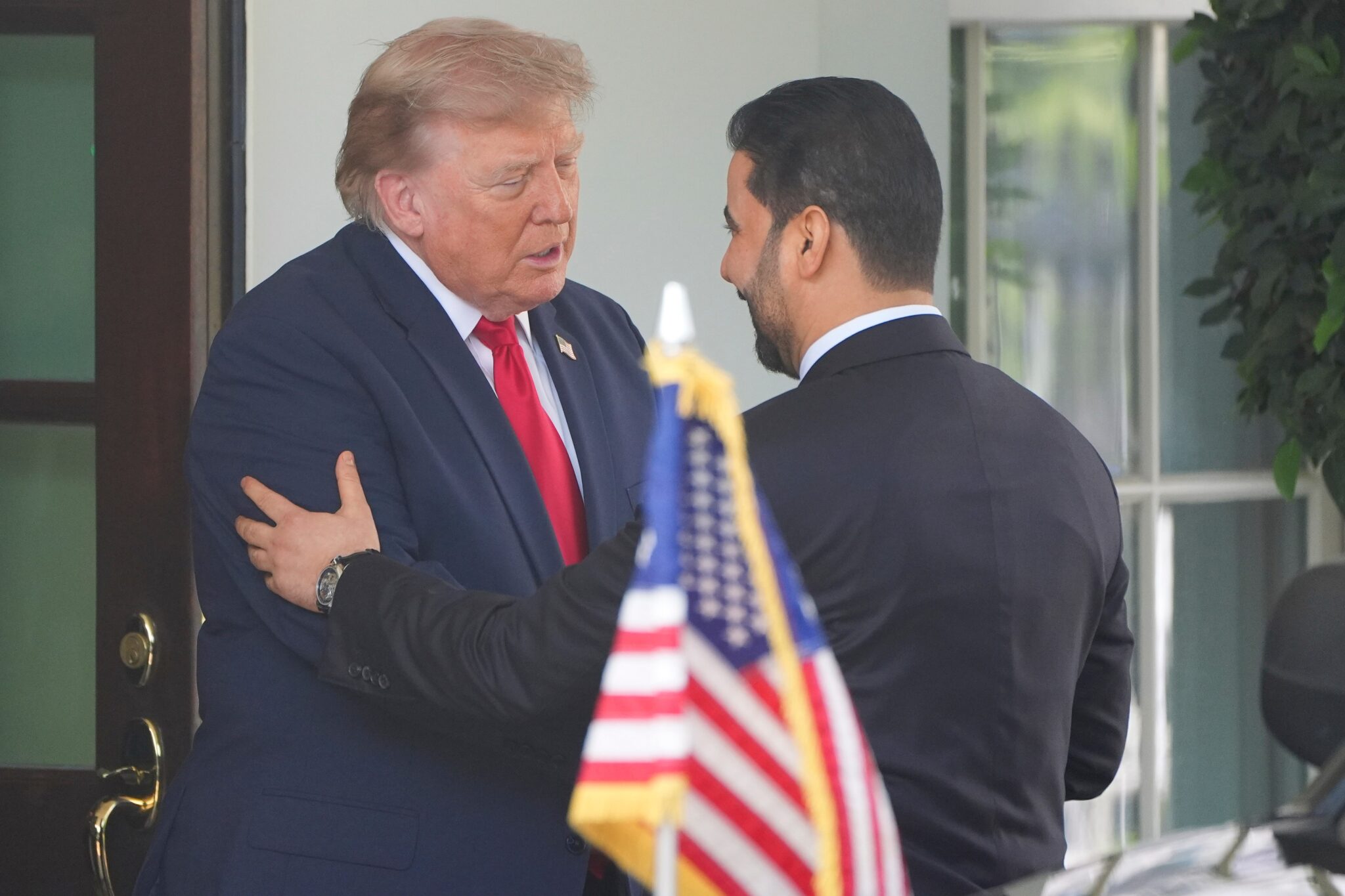
US Reimposes Blockade on Iran After Attacks on Ships in Strait of Hormuz/ Newslooks/ WASHINGTON/ J. Mansour/ The U.S. military restored its blockade of Iranian ports after attacks on commercial ships in the Strait of Hormuz. The escalation threatens an interim ceasefire and raises fears of a return to full-scale war. President Donald Trump dropped plans for a 20% shipping fee while Gulf allies discussed U.S. investments.
US Iran Blockade Quick Looks
- The U.S. military reimposed its blockade of Iranian ports Tuesday.
- Washington cited Iranian attacks on commercial ships in the Strait of Hormuz.
- The blockade was first imposed in April and lifted in June.
- An interim 60-day peace agreement is increasingly at risk.
- Trump abandoned plans to charge ships a 20% transit fee.
- At least 19 U.S. warships are operating in the Arabian Sea.
- U.S. Central Command says hundreds of military aircraft are active across the Middle East.
- U.S. forces carried out new strikes on Iranian military targets.
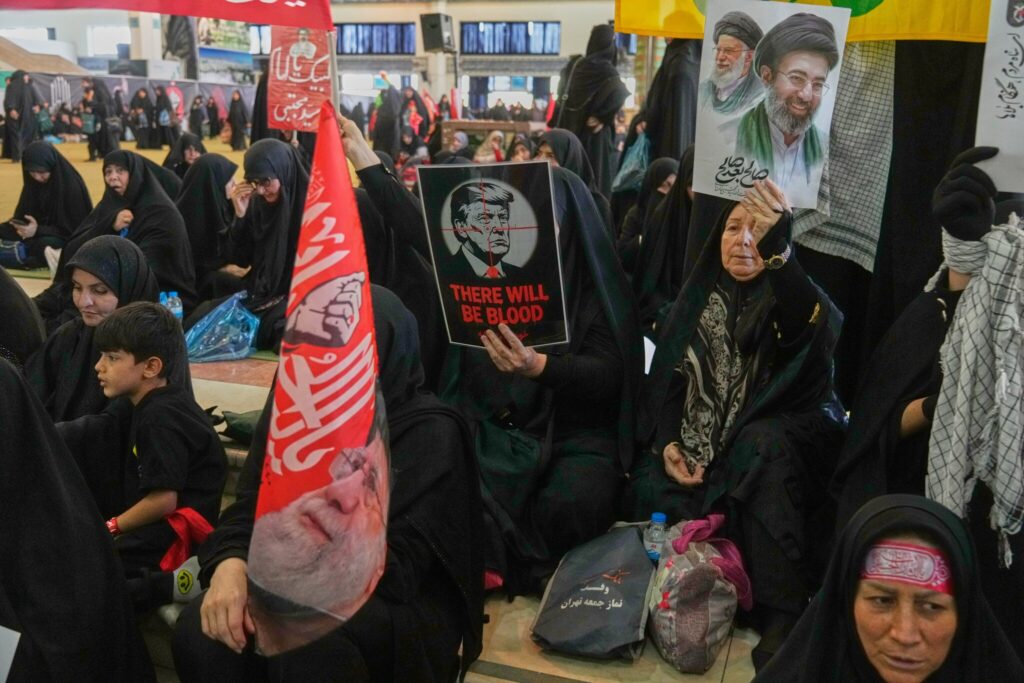
- Iran attacked regional targets and tankers traveling through the strait.
- Two mariners were killed and 14 wounded in tanker attacks.
- Brent crude briefly climbed above $87 a barrel.
- Regional mediators are trying to revive ceasefire negotiations.
Deep Look
US Restores Iran Blockade as Strait of Hormuz Attacks Intensify
The United States military has restored a blockade of Iranian ports following a series of attacks on commercial vessels in the Strait of Hormuz, escalating a confrontation that threatens to destroy an already fragile interim ceasefire.
U.S. military officials said Tuesday that the blockade had been reimposed in response to Iran’s attacks on shipping in one of the world’s most important energy corridors.
The renewed military pressure comes as negotiations between Washington and Tehran have stalled and fears grow that the United States and Iran could return to full-scale war.
The U.S. initially imposed the blockade in mid-April. Washington lifted the restrictions in mid-June, one day after the two sides signed an interim agreement designed to create a pathway toward permanently ending the conflict.
That agreement established a 60-day period for negotiations addressing several major disputes, including Iran’s nuclear program and shipping through the Strait of Hormuz.
Instead of moving toward a final settlement, fighting around the strait has intensified.
Trump Drops Strait of Hormuz Shipping Fee Plan
President Donald Trump announced the return of the blockade Monday and initially proposed charging a 20% fee on ships traveling through the Strait of Hormuz.
The president abandoned that proposal Tuesday, only hours before the blockade was restored.
Trump said Gulf leaders had contacted him and suggested an alternative arrangement involving investment and trade agreements with the United States.
Speaking to reporters in the Oval Office, Trump said “kings and emirs” and other regional leaders offered to invest billions of dollars in the U.S. economy rather than support shipping tolls.
Trump said he preferred the investment arrangement because he does not believe any country should charge ships for passage through the strait.
It remains unclear whether the proposed investments represent new financial commitments or agreements previously announced following Trump’s Middle East trip last year.
The abandoned fee proposal would have represented a significant change in longstanding U.S. policy.
Washington has traditionally argued that the Strait of Hormuz should remain open to international shipping without tolls.
US Military Expands Presence Near Iran
The restored blockade is backed by a significant U.S. military presence in the region.
At least 19 American warships are currently operating in the Arabian Sea.
The force includes two aircraft carriers and an amphibious assault ship carrying more than 1,000 Marines.
U.S. Central Command has also said hundreds of American military aircraft are operating across the Middle East.
The military presence reflects the growing importance of the Strait of Hormuz in the conflict.
Before the war, approximately one-fifth of globally traded crude oil and natural gas moved through the narrow waterway.
Iran effectively disrupted the shipping route after the United States and Israel attacked Iran on Feb. 28.
Iranian attacks and threats against ships sharply reduced traffic through the strait and contributed to rising global prices for oil, fertilizer and other commodities.
US Launches New Strikes on Iranian Targets
U.S. Central Command said American forces carried out another wave of strikes against Iran before restoring the blockade.
The military said the attacks targeted Iranian coastal defense systems, missile and drone sites, and maritime capabilities.
Iran acknowledged the strikes but did not immediately provide casualty or damage assessments.
U.S. military officials said the operations were intended to impose significant costs on Iranian forces and weaken Tehran’s ability to attack civilians and commercial shipping.
Iranian state media reported explosions on Qeshm Island in the Strait of Hormuz.
Additional explosions were reported in Ahvaz and the port city of Bandar Abbas.
Iranian Deputy Foreign Minister Kazem Gharibabadi accused Washington of trying to prevent Tehran from exercising what he described as “effective sovereignty” over the strait.
The United States disputes Iran’s claims of control over the international shipping route.
Iran Retaliates Across Middle East
Iran responded to the latest U.S. strikes with attacks targeting Bahrain, Kuwait and Jordan.
Three tankers that had traveled through the Strait of Hormuz were also attacked.
The International Maritime Organization said two mariners were killed and 14 others wounded aboard the Mombasa and Al Bahiyah.
Both tankers were associated with the United Arab Emirates.
The UAE threatened retaliation following the attacks.
Qatar condemned Iran’s actions and called for diplomacy.
The Qatari government described repeated Iranian attacks against Jordan, Bahrain and Kuwait as violations of national sovereignty and the international rules-based order.
Iranian media later reported additional explosions in Bushehr, Ahvaz and Bandar Abbas.
The incidents raised questions about whether Gulf Arab states could be retaliating against Iran without publicly acknowledging military action.
Strait of Hormuz Becomes Center of US-Iran Conflict
The Strait of Hormuz has emerged as the central strategic battleground in the conflict.
Iran has attacked ships traveling through a route overseen by the U.S. military near Oman and outside Tehran’s direct control.
Those attacks have triggered retaliatory U.S. strikes.
Washington has threatened to reopen the waterway by force if necessary.
Military experts have warned that securing the entire strait could require a much larger naval operation and potentially tens of thousands of American ground troops.
Iran maintains that it has the right to manage shipping traffic through the strait and potentially charge vessels for passage.
The United States rejects that position.
Under the interim agreement, Iran accepted free passage through the strait for 60 days.
The agreement did not clearly establish what rules would apply after that period ended.
Interim US-Iran Peace Deal Nears Collapse
The renewed blockade and exchange of military strikes have placed the interim peace agreement in serious danger.
Negotiators are nearly halfway through the 60-day window established to reach a permanent settlement.
The final agreement was expected to address Iran’s nuclear program, shipping through the Strait of Hormuz and broader regional security issues.
Instead, negotiations have stalled while military confrontations intensify.
Gharibabadi argued that shipping through the strait is not a major American economic concern because the United States is less dependent on the waterway.
Iranian officials have repeatedly accused Washington of using freedom of navigation as a justification for expanding military influence in the region.
U.S. officials maintain that commercial vessels must be allowed to travel safely through the strait.
The growing disagreement has contributed to fears that the interim agreement could collapse entirely.
Oil Prices Rise Amid Hormuz Crisis
The renewed conflict has also increased volatility in global energy markets.
Brent crude oil, the international benchmark, briefly climbed above $87 per barrel Tuesday.
Prices remain below the nearly $120 level reached during the height of the war.
Oil later fell to around $78 following Trump’s announcement that he had abandoned the proposed 20% shipping fee.
The Strait of Hormuz remains critical to international energy markets because of the enormous volume of oil and natural gas traditionally transported through the waterway.
Any prolonged disruption could increase fuel and transportation costs worldwide.
Higher energy prices could also intensify inflation concerns in the United States and other major economies.
Mediators Push to Restore US-Iran Ceasefire
Regional mediators are continuing efforts to bring Washington and Tehran back to negotiations.
Pakistan-led mediation efforts are working to reactivate the ceasefire and prevent a return to full-scale war.
Diplomatic pressure is also focused on Lebanon.
Lebanese and Israeli delegations met Tuesday in Rome and were expected to continue U.S.-mediated negotiations Wednesday.
Hezbollah entered the broader conflict after the United States and Israel launched attacks on Iran in February.
The Iran-backed Lebanese group began attacking Israel, which responded with a ground invasion of Lebanon.
Lebanon and Israel announced a framework agreement last month involving the withdrawal of Israeli forces from southern Lebanon in exchange for Hezbollah’s disarmament.
Implementation of that agreement has stalled.
The latest escalation around the Strait of Hormuz now threatens to complicate those diplomatic efforts further.
With the U.S. blockade restored, Iranian attacks continuing and commercial shipping facing growing dangers, the coming days could determine whether mediators can rescue the interim agreement or the region moves closer to another phase of full-scale war.






You must Register or Login to post a comment.