

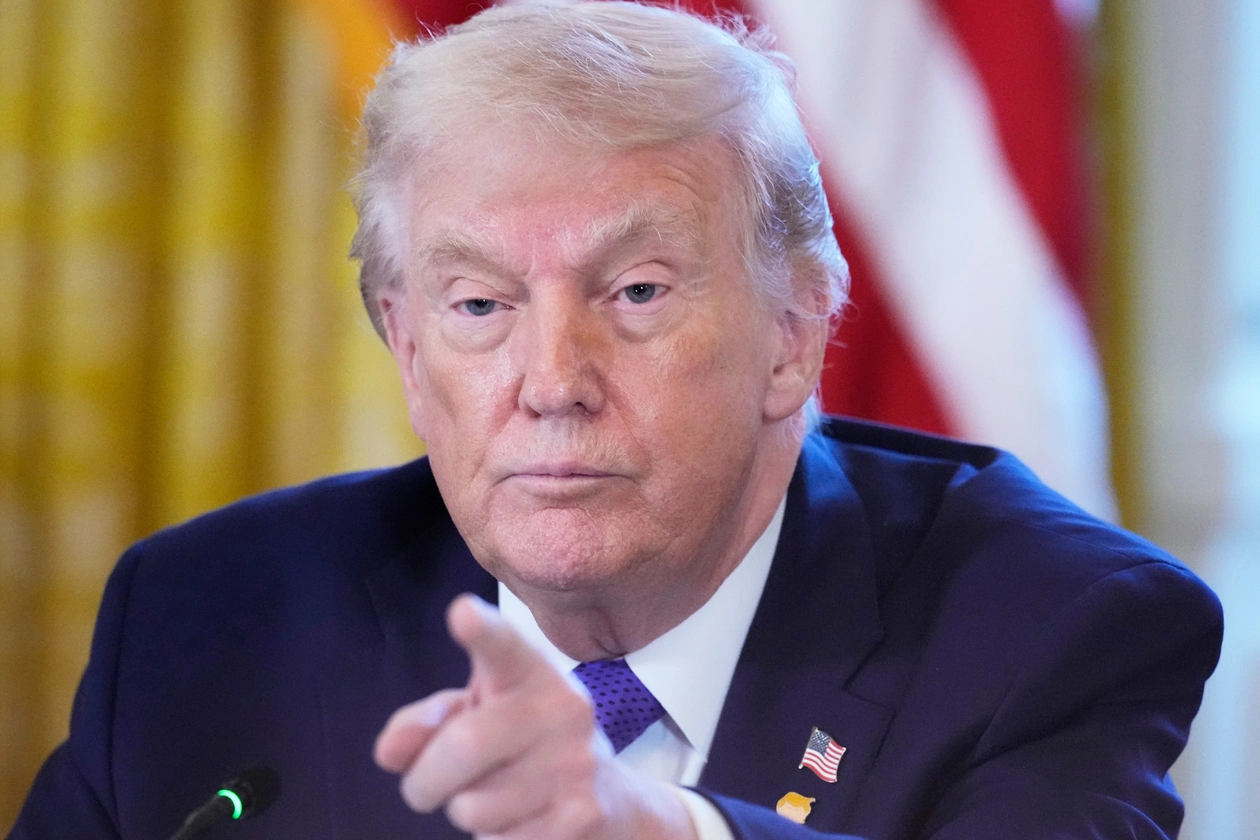
Trump Says Iran Has ‘No Choice’ But to Make a Deal as US Strikes Intensify/ Newslooks/ WASHINGTON/ J. Mansour/ President Donald Trump warned Iran that U.S. military strikes will intensify unless Tehran returns to negotiations. American forces resumed a naval blockade and launched additional attacks targeting Iranian military capabilities. Washington is also escalating financial pressure through sanctions and frozen cryptocurrency assets allegedly linked to Iran.
Trump Iran Strikes Quick Looks
- Trump said Iran has “no choice” but to negotiate with the United States.
- The president said U.S. representatives remain in contact with Iranian officials.
- Trump warned that attacks could intensify significantly next week.
- Iranian power plants and bridges could become targets, Trump said.
- Trump said American strikes will continue until he decides they are sufficient.
- U.S. Central Command launched another round of strikes against Iran.
- The U.S. resumed its naval blockade of Iranian ports and coastal areas.
- More than 20 U.S. Navy warships are operating in the region, according to CENTCOM.
- Hundreds of American military aircraft are also positioned across the Middle East.
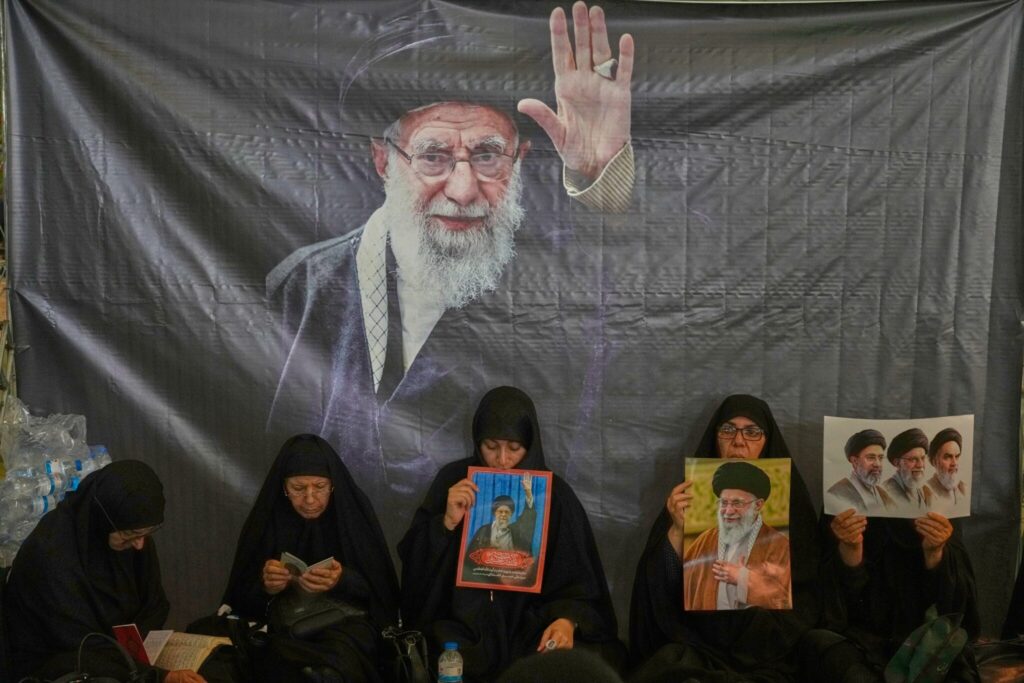
- Iran’s Revolutionary Guard threatened regional oil and gas exports.
- The Treasury Department expanded sanctions targeting an Iranian evasion network.
- More than $130 million in cryptocurrency allegedly linked to Iran was frozen.
- Trump declined to completely rule out a ground campaign.
- The Strait of Hormuz remains central to the escalating conflict.
Deep Look
Trump Threatens Intensified Iran Strikes Unless Tehran Returns to Talks
President Donald Trump sharply increased pressure on Iran Tuesday, warning that American military attacks will become significantly more destructive unless Tehran returns to negotiations with the United States.
Trump said Iran has “no choice” but to reach an agreement as U.S. forces intensify attacks against Iranian military capabilities and resume a naval blockade targeting the country’s ports and coastal areas.
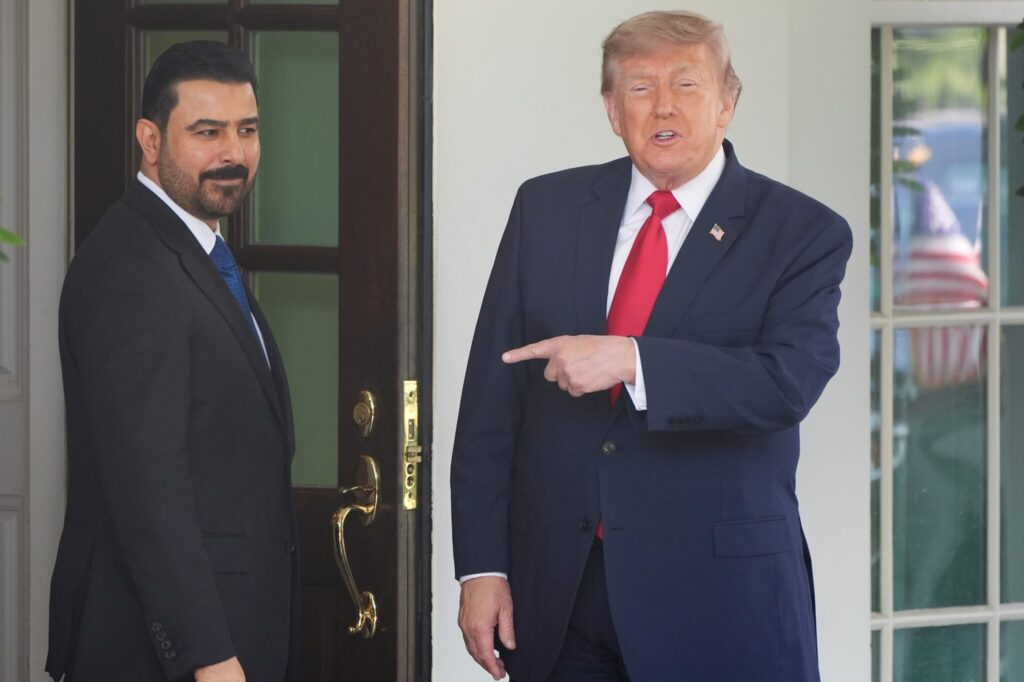
Speaking during an interview with Fox News chief foreign correspondent Trey Yingst, Trump said American representatives had communicated with Iranian officials roughly an hour before the interview.
According to Trump, Tehran wants an agreement but has repeatedly failed to honor previous understandings.
The president said his message to Iranian officials was straightforward: return to negotiations or face continued military destruction.
“You better make a deal,” Trump said.
Trump also issued a stark warning about what could happen if Iran refuses.
The president said Tehran risked having “nothing left” as American military operations continue.
Trump maintained that U.S. forces are attempting to protect civilians during the attacks.
He said American military planners are being “very careful with the civilian population” while continuing to degrade Iran’s military infrastructure.
Trump Warns Iran Strikes Could Intensify Next Week
Trump said the military campaign could escalate dramatically in the coming days.
The president described plans for additional heavy strikes against Iran on successive nights.
He then warned that the next stage of the campaign could involve attacks against major infrastructure.
Trump specifically mentioned Iranian power plants and bridges as potential targets.
According to the president, those attacks could begin next week unless Iranian officials return to negotiations.
“We’re going to knock out all the power plants,” Trump said while describing the potential escalation.
He also threatened attacks against bridges.
The warnings represent some of Trump’s strongest public threats against Iran since the collapse of an interim understanding intended to reduce fighting between Washington and Tehran.
Trump said the American military campaign will continue until he determines that sufficient pressure has been applied.
The strikes, he said, will “continue until I say it’s enough.”
US and Iran Remain in Contact Despite Fighting
Despite Trump’s escalating military threats, communication between the United States and Iran has apparently continued.
The president did not provide extensive details about the communication or identify the officials involved.
However, he said American representatives delivered his demand that Iran return to negotiations.
Asked whether he believed Tehran would agree to a deal, Trump said Iranian leaders should negotiate but acknowledged uncertainty about whether they would.
The continued contact suggests diplomatic channels have not completely disappeared even as military attacks intensify.
The previous memorandum of understanding between Washington and Tehran was intended to provide a path toward ending the conflict.
That agreement has effectively collapsed amid renewed attacks around the Strait of Hormuz.
CENTCOM Launches Additional Iran Strikes
U.S. Central Command announced another round of military strikes against Iran Tuesday.
CENTCOM said American forces began launching additional attacks aimed at degrading Iranian capabilities used to threaten commercial shipping in the Strait of Hormuz.
The military campaign began shortly before the United States resumed its naval blockade against Iranian ports and coastal areas.
CENTCOM said the renewed blockade went into effect Tuesday afternoon.
American military forces have built a substantial presence across the Middle East.
According to CENTCOM, more than 20 U.S. Navy warships are currently operating in the region.
Hundreds of American military aircraft are also positioned across the Middle East.
The military command said U.S. forces remain prepared for additional operations.
The buildup underscores the growing risk of a broader confrontation between Washington and Tehran.
Strait of Hormuz Remains at Center of Conflict
The Strait of Hormuz remains one of the most important strategic issues in the escalating conflict.
The narrow waterway is a critical route for global oil and natural gas shipments.
Disruptions to shipping through the region can quickly affect international energy markets and consumer prices.
Energy Secretary Chris Wright said the American military is playing a central role in maintaining energy flows from the Arabian Gulf.
Wright said the United States must ensure meaningful supplies of oil, natural gas and petroleum products continue leaving the region regardless of developments involving Iran.
He argued that American military operations are helping protect those energy flows.
The energy secretary also said U.S. forces are continuing to degrade Iranian capabilities.
Those efforts, Wright said, should improve the military’s ability to protect regional shipping.
Iran Threatens Regional Oil and Gas Exports
Iran’s Islamic Revolutionary Guard Corps issued its own warning as American strikes continued.
The IRGC reportedly threatened that “not a single drop” of oil or natural gas would leave the region while U.S. military operations continue.
Iranian officials have blamed Washington for delaying the reopening of the Strait of Hormuz.
The Revolutionary Guard also described attacks against facilities in Bahrain and Kuwait as retaliation for American strikes on Iran.
The threats raise additional concerns about energy supplies.
Any sustained disruption to exports from the Arabian Gulf could place upward pressure on global oil and natural gas prices.
The conflict has already increased uncertainty surrounding international shipping routes.
Commercial vessels operating near the Strait of Hormuz face growing security concerns as American and Iranian forces exchange attacks.
Treasury Intensifies Economic Pressure on Iran
The Trump administration is also increasing economic pressure on Tehran.
The U.S. Treasury Department announced new action targeting an alleged Iranian sanctions evasion network connected to Mohammad Hossein Shamkhani.
The Treasury’s Office of Foreign Assets Control said it was intensifying efforts to disrupt shipping and financial networks used to avoid international sanctions.
Treasury Secretary Scott Bessent described the Shamkhani network as one of the Iranian government’s most profitable financial operations.
Bessent said the United States is targeting financial infrastructure that allegedly allows Tehran to fund activities threatening American national security and international shipping.
The administration imposed sanctions on more than 50 targets allegedly connected to the network.
The measures represent another effort to pressure Iran financially while U.S. military operations continue.
US Freezes Cryptocurrency Allegedly Linked to Iran
The Trump administration has also frozen more than $130 million in cryptocurrency allegedly connected to Iran, according to a source familiar with the action.
The Treasury Department sanctioned several digital wallets allegedly linked to Iran’s central bank.
Those sanctions reportedly resulted in the cryptocurrency assets being frozen.
Tether, a digital currency company involved in cryptocurrency transactions worldwide, participated in freezing the assets, according to the source.
The latest action follows an earlier move in April when the administration froze approximately $344 million in cryptocurrency allegedly linked to Iran.
American officials have increasingly focused on cryptocurrency as part of sanctions enforcement.
Governments facing extensive international sanctions have used digital currencies to generate revenue and move money outside traditional financial systems.
Iran, Russia and North Korea have all faced accusations of using cryptocurrency to avoid financial restrictions.
Trump Does Not Completely Rule Out Ground Campaign
Trump also addressed the possibility of ground operations against Iran.
The president said he does not want to deploy American ground forces.
However, he stopped short of completely ruling out a ground campaign.
Trump suggested that other forces could potentially conduct ground operations.
He did not identify specific countries or military partners that might participate.
The comments add another layer of uncertainty to the conflict.
American operations have largely focused on airstrikes, naval power and economic pressure.
A ground campaign would represent a major escalation and could significantly expand the scope of the war.
Trump indicated that such an operation is not his preferred approach.
Still, his refusal to rule it out demonstrates the growing military pressure facing Tehran.
Trump Demands Iran Return to Negotiating Table
The Trump administration is now combining military strikes, a naval blockade and expanded financial sanctions in an effort to force Iran back into negotiations.
Trump’s public message is that Tehran must decide quickly.
The president argues that Iran’s military capabilities have already been severely weakened.
He said repeated American attacks have degraded Iran’s military to a “very low level.”
At the same time, Washington continues communicating with Iranian representatives.
That combination of diplomacy and escalating military pressure has become the central strategy of the administration’s campaign.
The immediate question is whether Iran will return to formal negotiations or continue retaliating against American interests and U.S. allies in the region.
Iranian threats against oil and natural gas exports suggest Tehran remains prepared to use the Strait of Hormuz as strategic leverage.
Washington, meanwhile, has resumed its naval blockade and increased strikes against Iranian military capabilities.
Trump has now warned that the next stage could include attacks against critical Iranian infrastructure.
With American warships and hundreds of military aircraft positioned across the Middle East, the conflict could intensify rapidly.
For now, Trump says the decision rests with Tehran.
His message to Iran remains clear: negotiate with the United States or face an increasingly aggressive American military campaign.




You must Register or Login to post a comment.