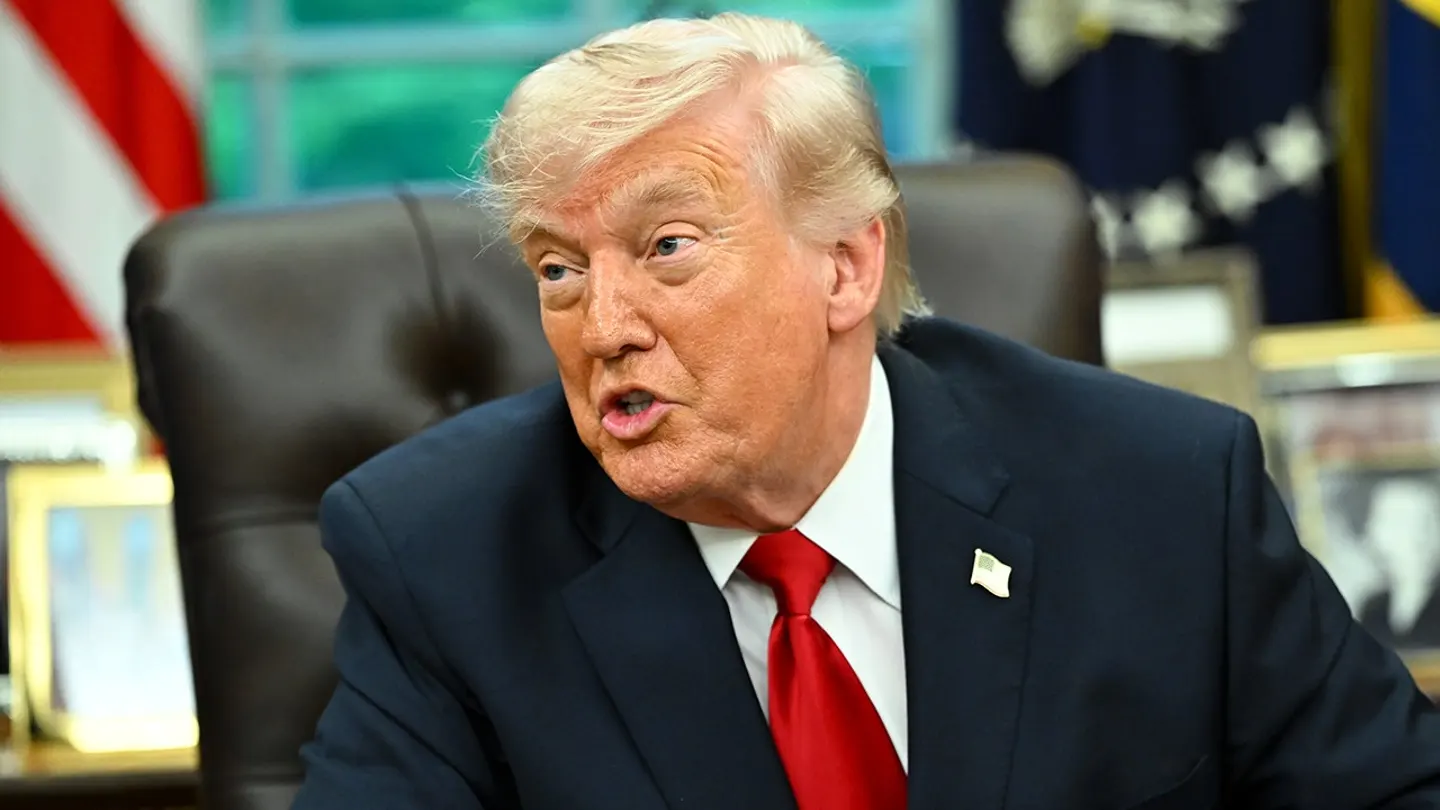
Trump Downplays Latest Sign of Spiking Costs to 4.2%: ‘I Love the Inflation’/ Newslooks/ WASHINGTON/ J. Mansour/ Morning Edition/ President Donald Trump downplayed a new inflation report showing consumer prices rose 4.2% in May, the highest level in three years. The increase was largely driven by higher energy costs tied to the ongoing conflict with Iran and disruptions in global oil markets. Trump insisted inflation would fall sharply once a permanent deal is reached and energy supplies move freely through the Strait of Hormuz.
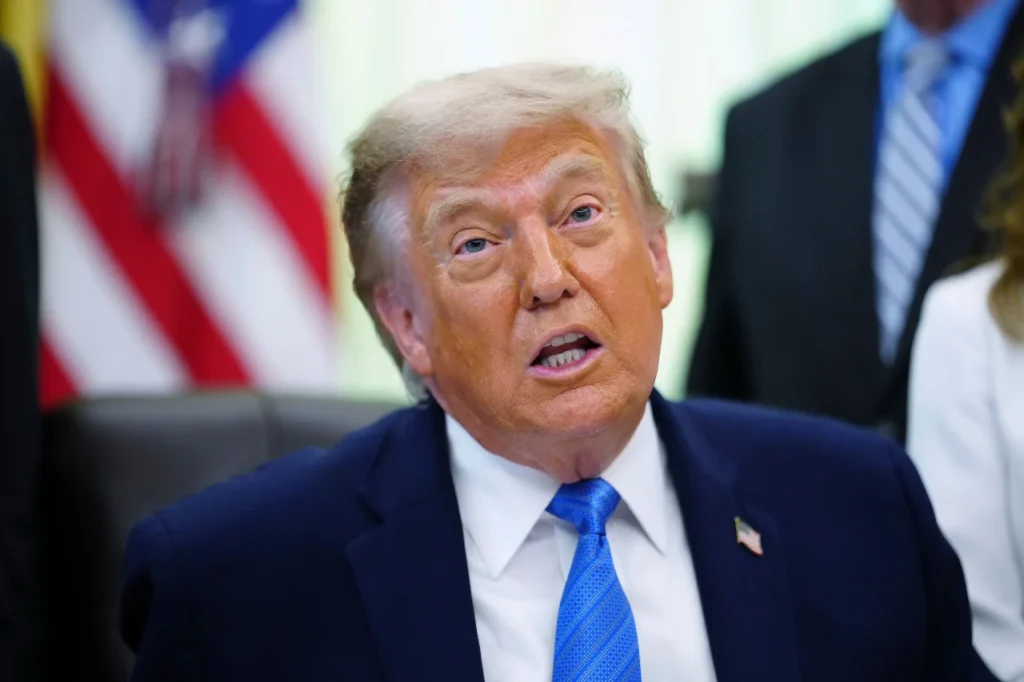
Trump Inflation Comments Quick Looks
- U.S. inflation reached 4.2% in May.
- It marked the highest annual inflation rate in three years.
- Rising energy prices were the main driver.
- Trump dismissed concerns about increasing costs.
- President said, “I love it” when asked about inflation.
- White House argues prices will fall after the war ends.
- Oil market disruptions continue to pressure consumers.
- Inflation remains above the Federal Reserve’s target.
- Economic concerns are becoming a key midterm election issue.
- Trump continues predicting a deal with Iran is close.
Deep Look
Trump Shrugs Off Inflation Surge
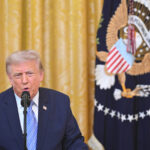
President Donald Trump brushed aside concerns about rising consumer prices Wednesday after new government data showed inflation climbing to its highest level in three years.
The Bureau of Labor Statistics reported that annual inflation reached 4.2% in May, continuing a trend of accelerating price increases that has become a growing concern for consumers, businesses and policymakers.
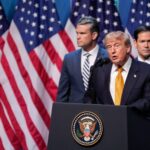
Despite the report, Trump struck an optimistic tone when speaking with reporters.
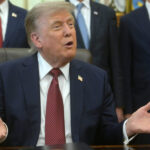
“The numbers were great,” Trump said.
When asked about inflation, the president responded simply:
“I love it.”
The remarks immediately drew attention as Americans continue facing higher prices for gasoline, transportation, utilities and many everyday necessities.
Inflation Reaches Three-Year High
The latest inflation report showed prices rising at a pace not seen since 2023.
The increase was fueled largely by energy costs, which have surged since the United States and Israel expanded military operations against Iran earlier this year.
Economists note that higher oil prices have rippled across the economy, increasing costs for:
Transportation
Fuel expenses have risen for airlines, shipping companies and trucking operations.
Household Energy Bills
Consumers continue paying more for gasoline, electricity and other energy-related expenses.
Food and Consumer Goods
Higher transportation and production costs have increased prices on many everyday products.
The latest data reinforces concerns that inflation remains well above the Federal Reserve’s long-term target of 2%.
Energy Markets Remain Central to Inflation Pressures
A major factor behind the recent inflation increase has been ongoing instability surrounding the Strait of Hormuz.
The strategic waterway handles a significant share of the world’s oil shipments and has faced repeated disruptions since the conflict intensified.
Concerns about supply shortages have pushed oil prices higher and contributed to broader inflation pressures worldwide.
The administration has argued that these price increases are directly tied to geopolitical conditions rather than underlying economic weaknesses.
Trump Predicts Prices Will Fall After War Ends
On Wednesday, he repeated that belief while discussing the latest economic data.
“It’s coming down,” he said of post-war prices. “It’s going to come down like a rock.”
The president has repeatedly argued that restoring normal energy flows through the Strait of Hormuz would dramatically reduce pressure on global oil markets and help bring inflation lower.
Administration officials have similarly maintained that many current price increases are temporary and linked to wartime disruptions.
Critics Question White House Optimism
While the White House remains confident, economists have expressed concern about the persistence of inflationary pressures.
Higher fuel costs often spread throughout the broader economy, affecting everything from food distribution to manufacturing and consumer services.
Many analysts caution that inflation can become more difficult to control if elevated energy costs persist for an extended period.
Some also point out that inflation has now exceeded wage growth in several sectors, putting additional pressure on household budgets.
Consumers across the country continue reporting concerns about affordability, particularly regarding:
Gasoline Prices
Fuel costs remain significantly higher than earlier this year.
Housing Expenses
Many Americans continue struggling with high rents and mortgage costs.
Grocery Bills
Food prices have remained elevated despite some moderation in recent months.
Trump Continues Defending Economic Strategy
The president has consistently rejected suggestions that current economic challenges should alter his approach toward Iran.
Last month, Trump drew criticism when he said he does not consider Americans’ finances “even a little bit” while negotiating with Tehran.
He later defended those remarks and called them a “perfect statement.”
The administration argues that securing long-term strategic objectives and forcing Iran into a comprehensive agreement will ultimately benefit the economy.
Iran Deal Remains Elusive
Even as the president predicts progress, efforts to secure a permanent ceasefire and broader agreement have repeatedly stalled.
Trump has spent months publicly suggesting that Iran is close to accepting a deal.
However, major disagreements remain over:
Nuclear Restrictions
The United States wants Iran to surrender or significantly limit its stockpile of highly enriched uranium.
Sanctions Relief
Iran continues demanding relief from international economic sanctions.
Regional Security Issues
Broader disagreements involving Israel, Hezbollah and military activity across the Middle East remain unresolved.
Those disputes have complicated efforts to finalize an agreement and restore stability to global energy markets.
Inflation Could Become a Political Challenge
The latest inflation figures arrive as both parties prepare for November’s midterm elections.
Economic concerns consistently rank among the top issues for voters, and rising costs could create political challenges for the administration if inflation remains elevated.
Republicans argue that the current price pressures are tied primarily to the war and energy disruptions, while critics contend that consumers are increasingly frustrated by the continued rise in living expenses.
The White House is betting that a successful resolution to the Iran conflict will ease those concerns and provide economic relief before voters head to the polls.
Looking Ahead
For now, inflation remains one of the most closely watched indicators of the health of the U.S. economy.
Trump remains confident that prices will eventually fall once energy markets stabilize and a broader agreement with Iran is reached.
Whether that prediction proves accurate may depend largely on the future of negotiations, developments in the Middle East and the pace at which global oil supplies return to normal levels.
Until then, consumers, businesses and policymakers will continue monitoring inflation trends as economic and geopolitical uncertainties remain closely intertwined.