

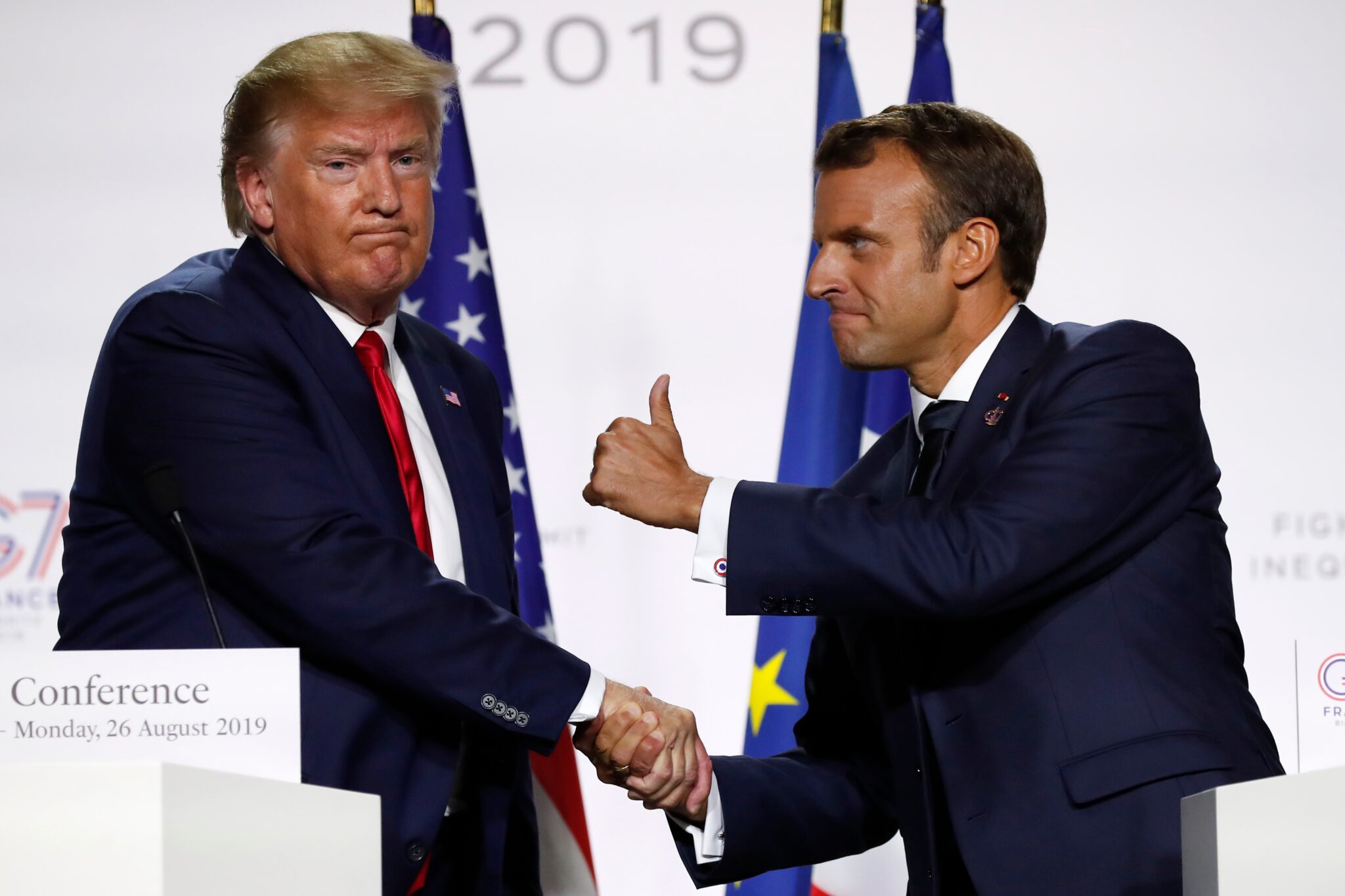
Trump Macron Tensions Set Stage For Next Week’s G7 Summit in France/ Newslooks/ WASHINGTON/ J. Mansour/ Morning Edition/ President Donald Trump and French President Emmanuel Macron are expected to bring years of growing disagreements to next week’s G7 summit in France. The leaders have clashed over tariffs, Ukraine, NATO, and the Iran conflict despite once sharing a close diplomatic relationship. Their interactions at the summit are likely to be closely watched as global leaders tackle major security and economic challenges.
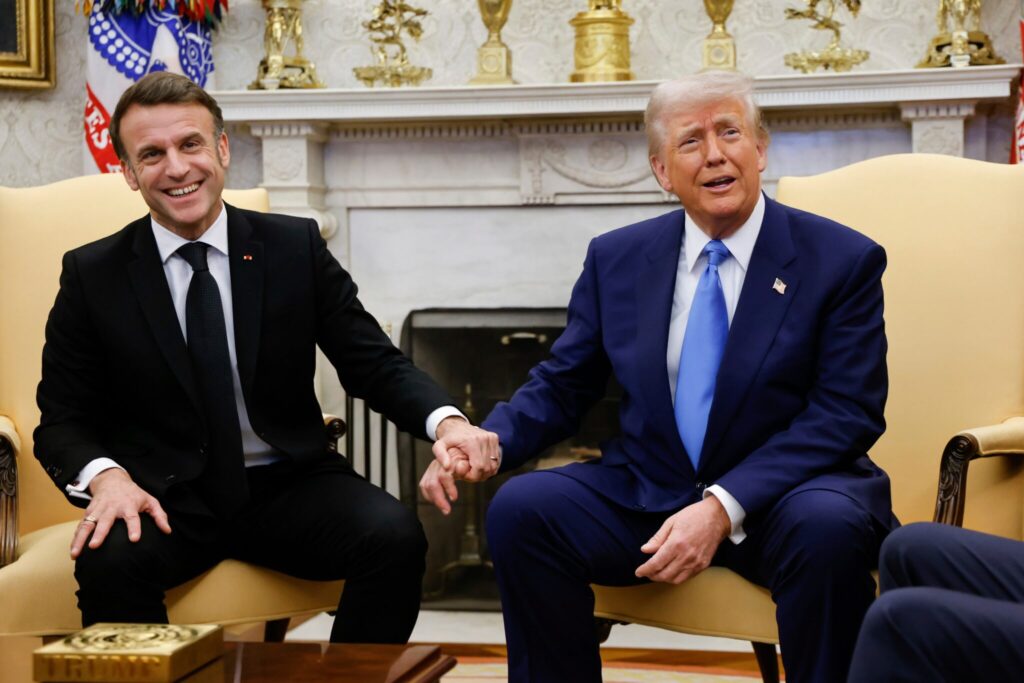
Trump Macron G7 Summit Quick Looks
- The G7 summit will take place in Evian-les-Bains, France.
- Trump and Macron’s relationship dates back to their first meeting in 2017.
- The two leaders initially developed a strong diplomatic friendship.
- Disagreements have intensified during Trump’s second term.
- Key disputes involve tariffs, Ukraine, NATO, and the Iran war.
- Macron has criticized Trump’s shifting foreign policy positions.
- Trump has publicly expressed frustration with European allies over Iran.
- Ukrainian President Volodymyr Zelenskyy is expected to join summit discussions.
- European leaders are preparing for difficult conversations with Trump.
- Macron adjusted the summit schedule to accommodate Trump’s attendance.
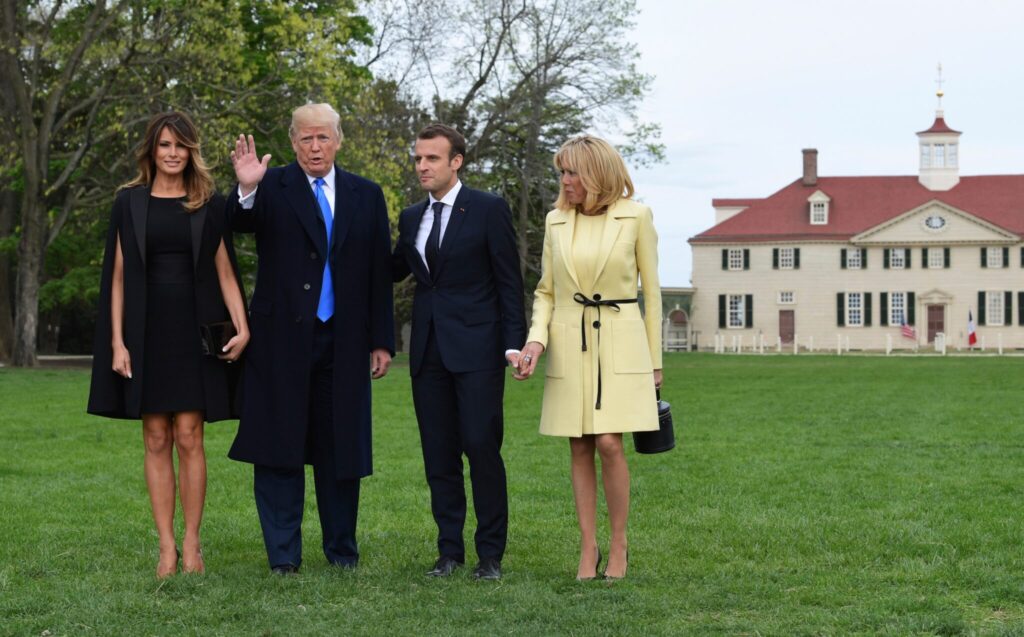
Trump Macron G7 Summit Deep Look
From Diplomatic Friendship to Political Friction
The relationship between President Donald Trump and French President Emmanuel Macron has evolved dramatically since their highly publicized first meeting nearly a decade ago.
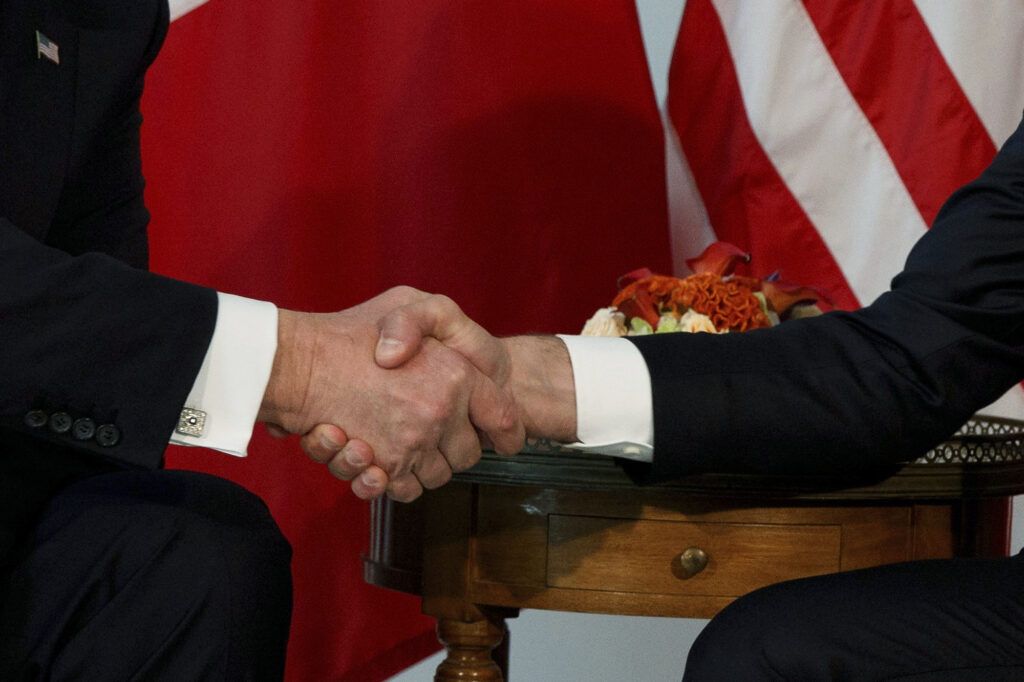
What began with a memorable and unusually long handshake at a NATO summit in Brussels in 2017 soon developed into one of the closest relationships Trump maintained with a major European leader during his first term. Macron appeared uniquely positioned to navigate Trump’s unconventional political style, often engaging him directly while other European leaders struggled to build rapport.
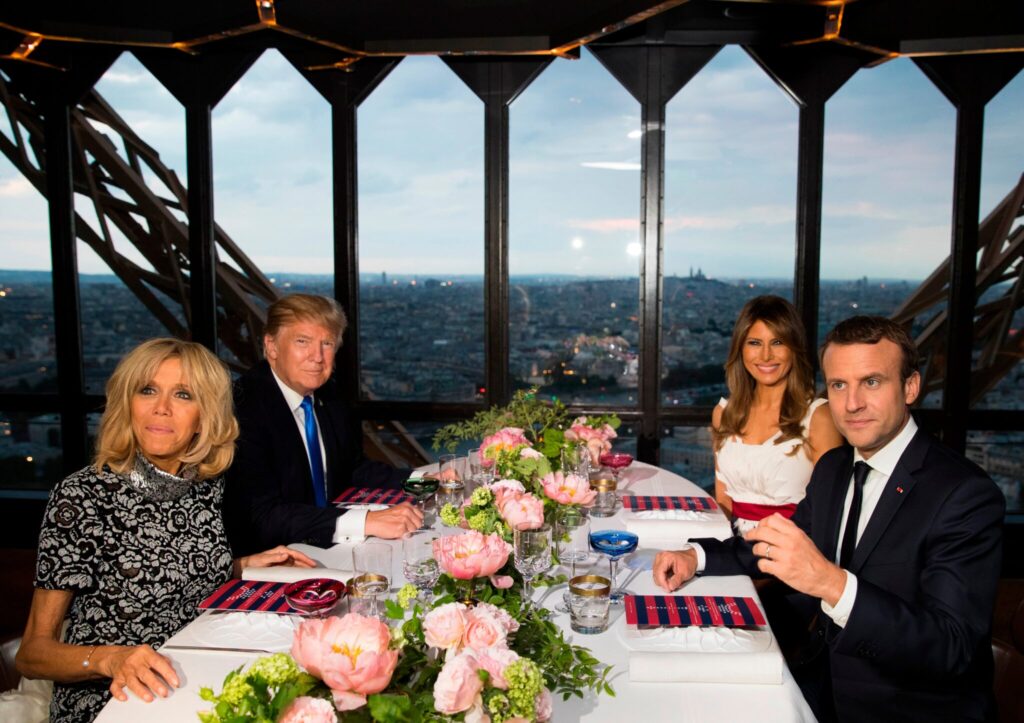
Their diplomatic courtship quickly became a symbol of transatlantic cooperation. Macron welcomed Trump to France’s Bastille Day celebrations in 2017, while Trump later honored the French leader with the first White House state dinner of his administration.
However, the warmth that once defined the relationship has gradually faded, replaced by growing policy disputes and public criticism.
G7 Summit Expected to Spotlight Their Differences
Those tensions are expected to be visible when leaders gather next week for the Group of Seven summit in France. The 52nd G7 Summit will be held from June 15 to 17, 2026.
Trump will join Macron and fellow leaders from Britain, Canada, Germany, Italy, and Japan in Evian-les-Bains for discussions on security, economic stability, energy markets, and global conflicts.
Analysts expect much of the attention to focus on the increasingly strained relationship between Washington and Paris.
Despite political differences, experts note that both leaders remain experienced diplomats capable of maintaining a professional relationship even amid significant disagreements.
Still, ongoing disputes surrounding Iran, Ukraine, trade, and NATO could create uncomfortable moments throughout the summit.
Iran War Creates New Source of Tension
One of the most significant points of friction involves the ongoing conflict with Iran.
Trump joined military operations against Iran earlier this year without broad consultation among European allies. He later expressed frustration when European governments declined requests to provide additional support.
French officials viewed the decision-making process with concern, particularly given Europe’s economic and security interests in the region.
The resulting strain has complicated broader cooperation between Washington and its European partners. Observers say Macron has been particularly frustrated by what many European leaders view as limited consultation on critical security matters.
At the same time, Trump has openly questioned the level of support provided by European allies during the conflict.
Ukraine Remains Another Major Divide
Differences over Ukraine continue to test the relationship.
France has remained one of the strongest advocates for sustained support for Ukraine in its war against Russia. Macron has repeatedly emphasized the importance of maintaining international backing for Kyiv.
The Trump administration, however, has signaled less enthusiasm for long-term involvement, creating concerns among European allies.
Macron’s decision to invite Ukrainian President Volodymyr Zelenskyy to participate in summit discussions underscores how central the issue remains for France and much of Europe.
The contrasting approaches could become a significant topic during meetings among world leaders.
Tariffs and Trade Continue to Cause Friction
Economic policy has become another area of disagreement.
Macron strongly criticized tariffs imposed by Trump on European goods, describing several measures as unjustified and harmful to transatlantic economic relations.
Trade disputes have fueled broader concerns across Europe regarding the future of economic cooperation with the United States.
While both governments continue to engage diplomatically, disagreements over tariffs have added another layer of complexity to an already challenging relationship.
Public Exchanges Reflect Growing Frustration
Recent months have seen increasingly public signs of tension.
Macron has cautioned against what he views as inconsistent messaging from Washington on key international issues. He has stressed the need for stability and predictability among allies during periods of geopolitical uncertainty.
Trump, meanwhile, has frequently referenced Macron during public remarks and campaign appearances, sometimes using humor or criticism when discussing their interactions.
Although both leaders continue to refer to each other as friends, their exchanges increasingly reflect policy disagreements rather than personal closeness.
Summit Will Test Transatlantic Unity
The upcoming G7 gathering will serve as an important test of Western unity during a period of significant global instability.
Leaders are expected to discuss the Iran conflict, energy markets, international security, economic growth, and support for Ukraine.
For Macron, the summit offers an opportunity to strengthen European influence and encourage closer coordination among allies.
For Trump, it provides a platform to advance his America First agenda while defending his administration’s positions on trade, defense, and foreign policy.
Whether the summit produces consensus or highlights growing divisions may depend in part on how successfully Trump and Macron navigate one of the most closely watched relationships in international politics.




You must Register or Login to post a comment.