

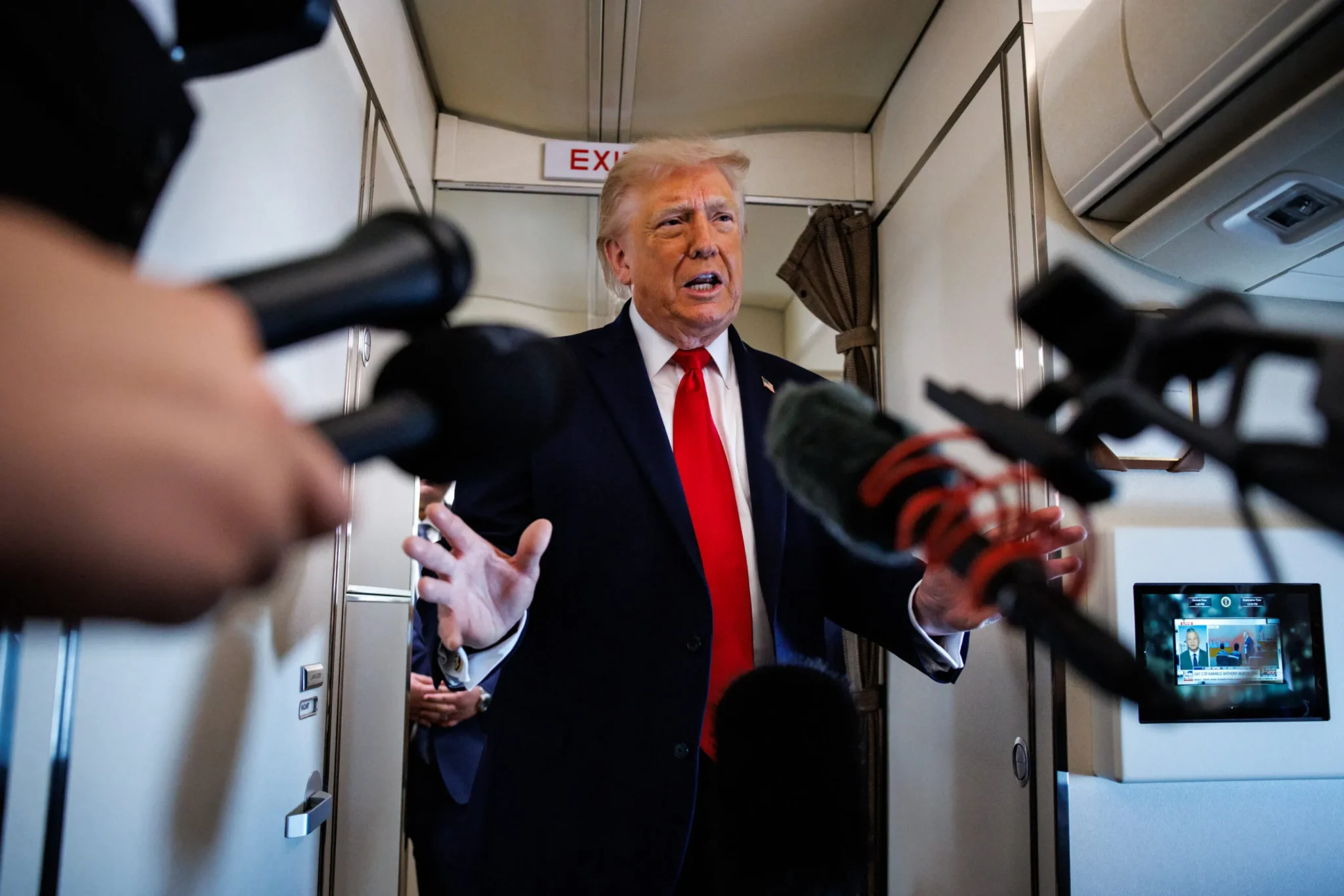
Trump Says Iran War Has Ended, Announces Peace Deal is Imminent/ Newslooks/ WASHINGTON/ J. Mansour/ Morning Edition/ President Donald Trump declared the Iran conflict over and said a peace agreement could be signed within days. Iranian officials disputed that a final deal has been reached, saying negotiations are still under review. The apparent diplomatic breakthrough follows weeks of military escalation, ceasefire violations and renewed peace talks.
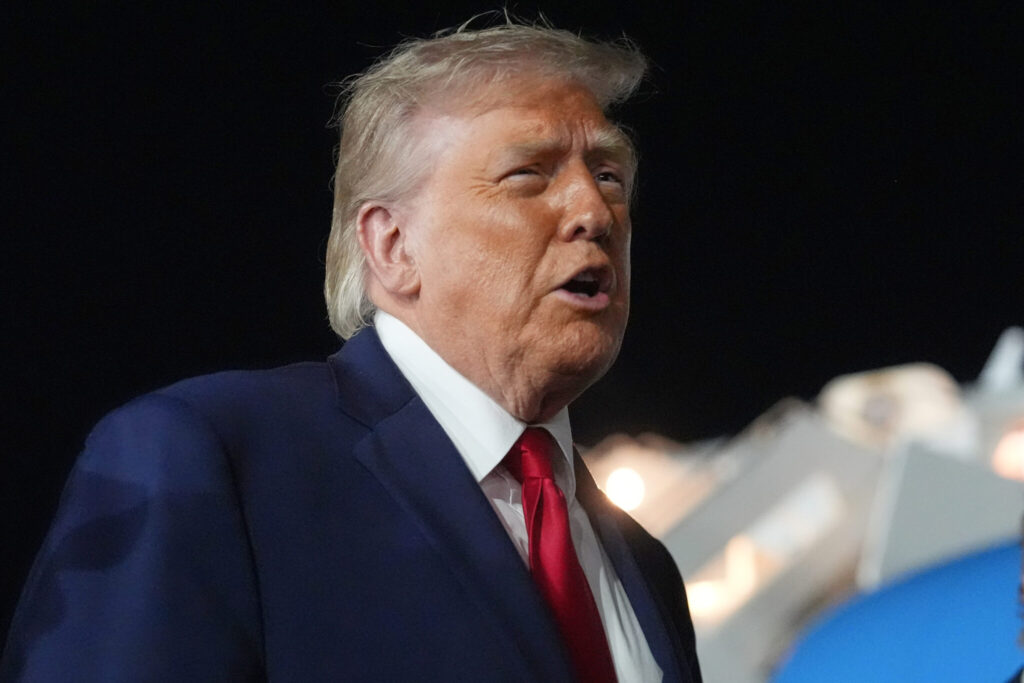
Trump Iran Peace Deal Quick Looks
- Trump says the Iran war has ended.
- White House claims a peace framework is complete.
- A treaty signing could occur in Europe soon.
- Iran says key issues remain unresolved.
- Tehran insists its red lines will not be compromised.
- U.S. recently canceled planned strikes against Iran.
- Strait of Hormuz reopening is central to the agreement.
- G7 leaders are expected to discuss the conflict next week.
Deep Look
Trump Declares End to Iran War as Tehran Signals Talks Are Not Yet Complete
Trump Announces What He Calls a Historic Breakthrough
President Donald Trump declared Thursday that the war between the United States and Iran has effectively come to an end, saying negotiators have reached the framework of a comprehensive peace agreement that could be formally signed within days.
Speaking during a campaign event in Georgia, Trump told supporters that the conflict was over and that diplomacy had succeeded where military pressure alone could not.
“I don’t know if you heard, but we ended the war with Iran today,” Trump said during the televised appearance.
The president later expanded on his comments while speaking with reporters at the White House, describing the negotiations as a major diplomatic achievement and suggesting a final agreement is now within reach.
White House Says Memorandum Forms Basis of Peace Deal
According to Trump, Washington and Tehran have agreed to a strong memorandum of understanding that will serve as the foundation for a permanent settlement.
The administration believes the framework addresses several of the key disputes that fueled months of military confrontation and diplomatic tension.
Trump said the proposed agreement would include the reopening of the Strait of Hormuz, one of the world’s most important shipping lanes for oil and natural gas exports.
The president also stated that Iran had agreed to permanently abandon efforts to acquire nuclear weapons.
“They will not have a nuclear weapon,” Trump said. “They’ve agreed to that.”
Trump added that Iran would neither build nor purchase nuclear weapons under the terms currently being discussed.
Iran Signals Negotiations Are Still Ongoing
Despite the White House’s optimism, Iranian officials presented a more cautious assessment of the negotiations.
Foreign Ministry spokesperson Esmaeil Baghaei said discussions have made significant progress but stressed that a final agreement has not yet been completed.
Speaking to Iranian state television, Baghaei explained that some portions of the proposed deal have been finalized while others remain under review by Iranian leadership.
“We have not reached a final conclusion on this matter,” he said.
The comments highlight the gap between Washington’s public messaging and Tehran’s more measured approach.
Iranian officials continue to emphasize that any agreement must respect what they describe as the country’s national red lines and strategic interests.
Military Leaders Maintain Tough Rhetoric
While diplomats continue negotiations, some Iranian military figures have adopted a more confrontational tone.
Major General Ali Abdollahi criticized Washington’s approach, accusing the United States of discussing diplomacy while simultaneously engaging in military actions against Iran.
His remarks reflect ongoing skepticism among some elements of Iran’s leadership regarding American intentions and the durability of any future agreement.
The contrasting messages coming from Iranian political and military officials underscore the complexity of the negotiations and the challenges still facing both sides.
Recent Escalation Nearly Derailed Diplomacy
The apparent diplomatic progress follows one of the most dangerous periods in the conflict.
Over the past several weeks, both countries exchanged threats and military actions after a fragile ceasefire showed signs of collapse.
Trump repeatedly warned that additional military operations were under consideration and suggested that Iranian energy infrastructure could become a target if negotiations stalled.
The administration had prepared a new round of strikes before Trump unexpectedly announced their cancellation earlier this week.
According to the president, talks had advanced sufficiently to justify suspending those operations and giving diplomacy additional time.
Strait of Hormuz Remains a Key Issue
One of the most important elements of any agreement centers on the Strait of Hormuz.
The narrow waterway serves as a critical route for global energy supplies and became a major flashpoint during the conflict.
Disruptions in shipping traffic contributed to higher energy prices worldwide and increased inflationary pressures in many economies.
Trump indicated that reopening the passage would occur immediately following implementation of the agreement, potentially easing concerns in global energy markets.
Analysts view unrestricted navigation through the strait as one of the most significant economic incentives for reaching a settlement.
International Community Watches Closely
The conflict’s impact extends far beyond Washington and Tehran.
Governments across Europe, the Middle East and Asia have closely monitored developments because of concerns about energy security, regional stability and global economic growth.
The issue is expected to be a major topic during next week’s G7 summit in France, where world leaders will assess the latest developments and discuss the implications of a possible peace agreement.
Trump suggested that a formal signing ceremony could take place in Europe as early as this weekend, though no location has been officially confirmed.
Final Obstacles Remain Before Agreement
While the announcement marks the strongest sign of progress since the conflict began, important questions remain unanswered.
Iran has not yet publicly confirmed all of the provisions outlined by Trump, and negotiators continue to work through unresolved issues.
Diplomatic observers caution that peace agreements often face challenges during their final stages, particularly when military confrontations and political pressures remain fresh.
For now, both sides appear committed to continuing negotiations, but the ultimate success of the process will depend on whether remaining differences can be resolved.
What Happens Next?
The coming days may determine whether months of conflict finally give way to a lasting settlement.
If negotiators complete the remaining details and secure approval from leadership on both sides, a formal peace agreement could be signed within days.
Such an outcome would represent a major geopolitical development, potentially easing regional tensions, stabilizing energy markets and reducing the risk of further military confrontation.
Until then, Washington’s declaration of victory and Tehran’s caution illustrate that while a deal may be close, the final chapter of the conflict has yet to be written.




You must Register or Login to post a comment.