

Trump Says Pilots Safe After US Helicopter Crashes Near Strait of Hormuz/ Newslooks/ WASHINGTON/ J. Mansour/ Morning Edition/ A U.S. Army Apache helicopter crashed near the Strait of Hormuz during a patrol mission, but both crew members were rescued without injuries. President Donald Trump said a report on the incident would be released soon while also expressing optimism about ongoing negotiations with Iran. The crash comes amid renewed tensions involving Iran, Israel, Hezbollah and ongoing efforts to preserve a fragile regional ceasefire.
Strait of Hormuz Helicopter Crash Quick Looks
- U.S. Apache helicopter crashed off Oman.
- Incident occurred during a patrol mission.
- Two crew members were safely rescued.
- Trump confirmed pilots were uninjured.
- Cause of crash remains under investigation.
- Strait of Hormuz remains a strategic flashpoint.
- Trump predicted a possible Iran deal soon.
- U.S. and Iran remain divided on key issues.
- Pakistan continues mediating negotiations.
- Israel and Hezbollah tensions remain elevated.
- Lebanon army chief visited Pakistan for talks.
- Israel issued new evacuation warnings in Tyre.

Deep Look
U.S. Apache Helicopter Crashes Near Strait of Hormuz
A U.S. Army AH-64 Apache attack helicopter crashed early Tuesday near the Strait of Hormuz, one of the world’s most strategically important waterways, prompting a rescue operation that safely recovered both crew members.
The incident occurred off the coast of Oman while the aircraft was conducting a routine patrol mission in a region that remains at the center of growing geopolitical tensions involving the United States, Iran, Israel and several Gulf nations.
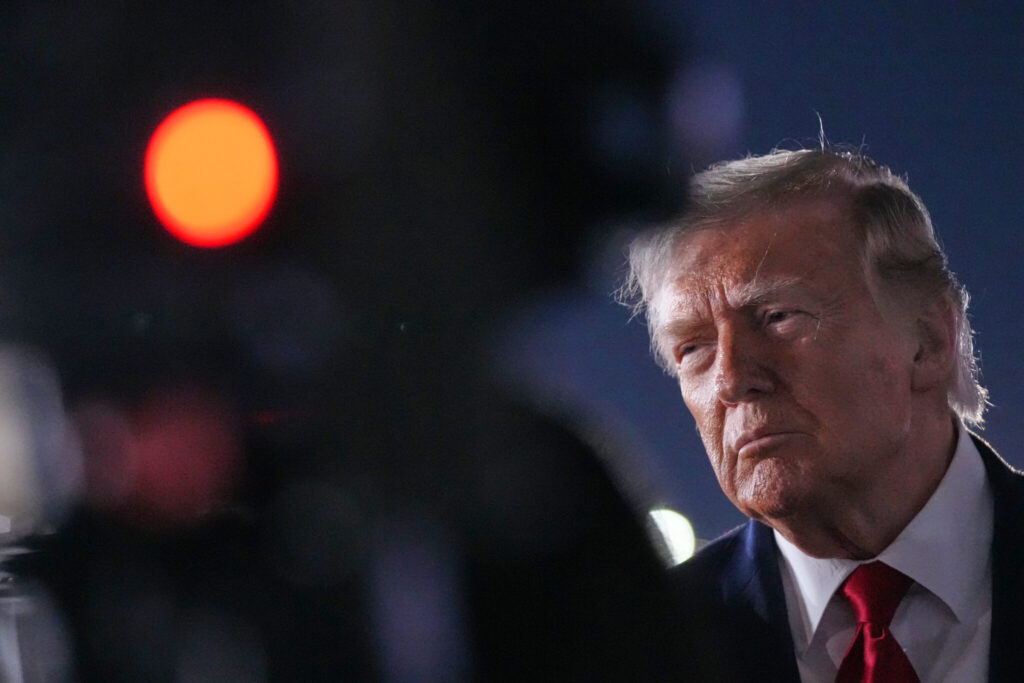
Although the crash raised immediate concerns due to its location, President Donald Trump quickly reassured the public that the pilots were unharmed.
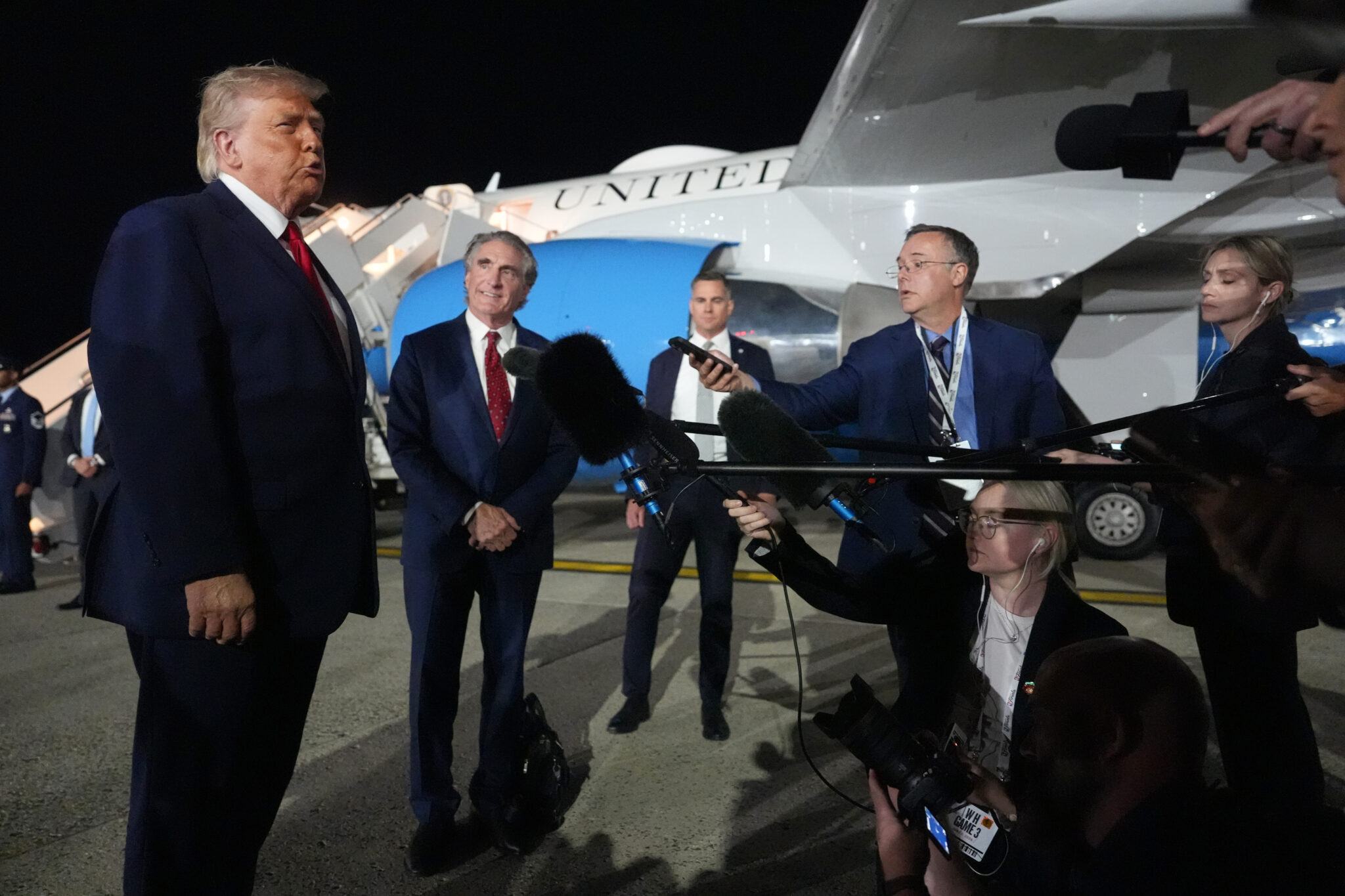
“The pilots are fine,” Trump told reporters after attending Game 3 of the NBA Finals in New York. He added that additional details about the incident would be released in an official report.
Rescue Operation Successfully Recovers Crew
According to U.S. Central Command, the helicopter went down at approximately 3:30 a.m. local time.
Military officials launched a recovery effort shortly after the crash, successfully rescuing the two crew members within about two hours.
Both individuals were reported to be in stable condition and did not suffer serious injuries.
The military has not yet disclosed the exact cause of the accident, and an investigation is expected to determine whether mechanical issues, environmental conditions or other factors contributed to the crash.
Strategic Importance Of The Strait Of Hormuz
The crash occurred near the Strait of Hormuz, a narrow waterway connecting the Persian Gulf with the Gulf of Oman and the Arabian Sea.
The passage remains one of the most critical energy routes in the world because a significant portion of global oil and natural gas shipments travel through the area.
Since the outbreak of conflict involving Iran earlier this year, shipping through the strait has been heavily disrupted, contributing to higher energy prices and increased economic uncertainty worldwide.
The waterway has become a focal point of military activity, with U.S. forces conducting patrols and monitoring maritime traffic to maintain regional stability and protect commercial shipping.
Apache Helicopters Play Key Regional Role
The AH-64 Apache has become an important component of U.S. military operations in the Gulf region.
These attack helicopters have been used for surveillance, force protection and operations aimed at enforcing restrictions on Iranian oil shipments.
Regional partners have also utilized similar aircraft in defensive operations, including intercepting drones and responding to aerial threats.
Because of their versatility and firepower, Apache helicopters remain among the most widely used attack aircraft in modern military operations.
The loss of an aircraft, even without casualties, underscores the operational challenges faced by military personnel working in high-tension environments.
Trump Expresses Confidence About Iran Negotiations
Beyond discussing the helicopter crash, Trump also projected optimism regarding ongoing diplomatic efforts with Iran.
The president suggested that negotiators may be close to reaching a new agreement and indicated that progress could come within days.
According to Trump, the administration is attempting to avoid renewed large-scale military operations while seeking a diplomatic resolution that addresses regional security concerns.
He emphasized that further military action remains an option but argued that diplomacy would be preferable to additional conflict.
Trump stated that large-scale bombing campaigns could inflict severe damage and cause significant casualties while potentially prolonging disruptions in the Strait of Hormuz.
Major Obstacles Continue To Block A Deal
Despite Trump’s optimistic outlook, significant disagreements remain between Washington and Tehran.
Iran’s Nuclear Material
One major issue involves Iran’s stockpile of highly enriched uranium.
The United States has pushed for Iran to relinquish or permanently neutralize those materials, while Iranian officials continue to resist such demands.
Sanctions Relief
Iran is seeking extensive sanctions relief and access to frozen financial assets.
Tehran wants some economic benefits implemented before a final agreement is completed, while Washington has largely rejected those conditions.
Regional Security Concerns
The broader regional conflict continues to complicate negotiations.
Iran remains focused on developments involving Hezbollah in Lebanon and ongoing Israeli military operations in the country.
These issues have become intertwined with larger diplomatic discussions between Tehran and Washington.
Pakistan Remains Central To Mediation Efforts
Pakistan continues to play a leading role in efforts to bridge differences between the United States and Iran.
Senior Pakistani officials have hosted multiple rounds of discussions and remain engaged with military and political leaders throughout the region.
The diplomatic effort reflects growing international concern that renewed fighting could destabilize energy markets and trigger broader regional conflict.
Recent meetings involving Lebanese military leaders and Pakistani officials highlight how negotiations have expanded beyond direct U.S.-Iran discussions.
Israel-Hezbollah Conflict Adds Pressure
While negotiations continue, violence between Israel and Hezbollah remains a major source of instability.
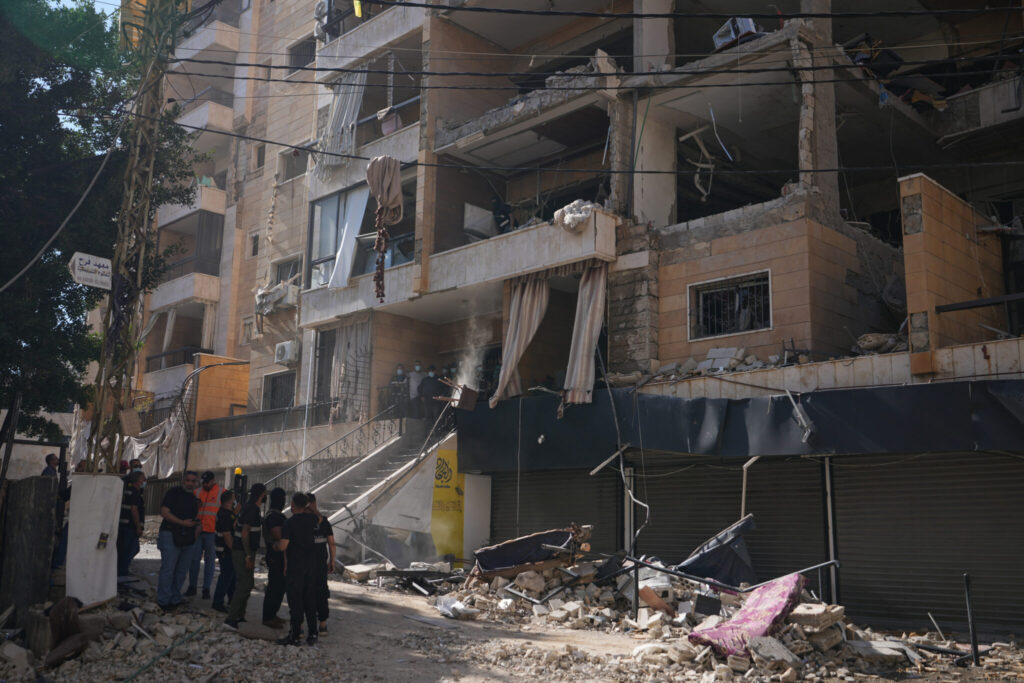
Israeli forces recently expanded military operations in southern Lebanon and issued new evacuation warnings for parts of the coastal city of Tyre.
The warnings included areas that had previously avoided significant military activity during earlier stages of the conflict.
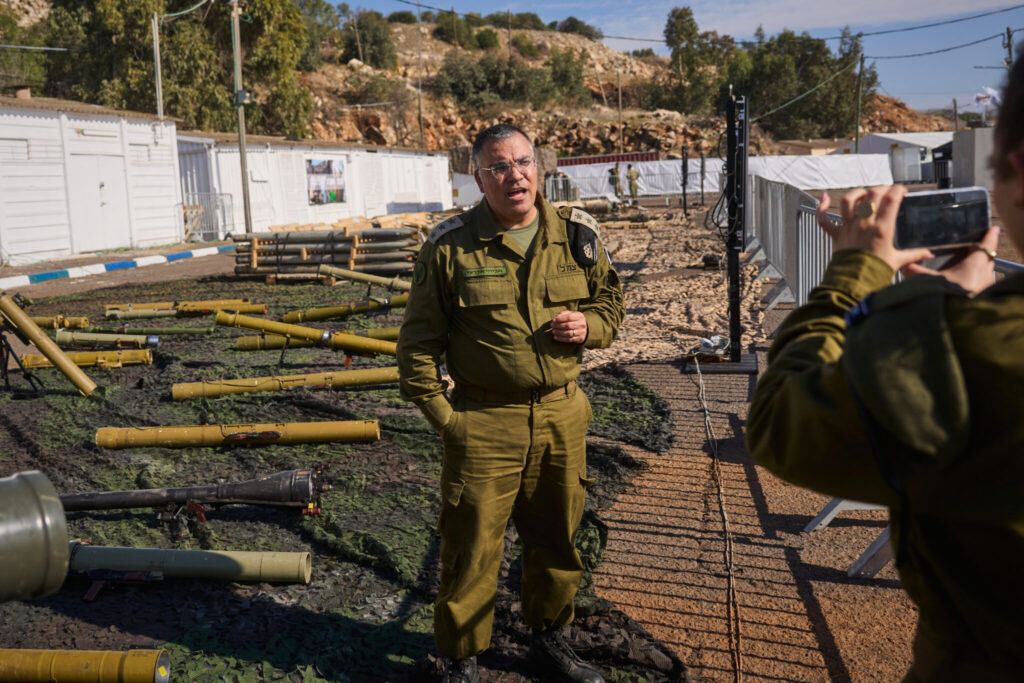
Israeli officials maintain that Hezbollah personnel continue operating in some locations, while Lebanese authorities have attempted to demonstrate government control over affected districts.
These developments have increased fears that fighting in Lebanon could further complicate ceasefire efforts involving Iran.
Regional Tensions Remain High
The helicopter crash occurred at a moment when the Middle East remains highly volatile.
Although the rescue of the crew members prevented a more serious incident, the event highlights the risks associated with military operations in a region experiencing persistent conflict and diplomatic uncertainty.
With negotiations continuing, military activity ongoing and key shipping routes under pressure, international attention remains focused on whether diplomacy can prevent another major escalation.
For now, officials are awaiting the results of the helicopter crash investigation while monitoring efforts to secure a broader agreement that could reduce tensions and restore stability across the region.






You must Register or Login to post a comment.