US Inflation Climbs to 4.2% as Energy Prices Squeeze Households/ Newslooks/ WASHINGTON/ J. Mansour/ Morning Edition/ U.S. inflation accelerated to 4.2% in May, reaching its highest level in three years as elevated gas and energy costs continued to pressure households and businesses. The increase is complicating the Federal Reserve’s interest-rate outlook and creating fresh political challenges for the Trump administration ahead of the midterm elections. While core inflation remains relatively moderate, economists warn that rising service costs and energy-related expenses continue to threaten affordability.

US Inflation Energy Prices Quick Looks
- Inflation rose 4.2% annually in May.
- Consumer prices increased 0.5% from April.
- Inflation has climbed for three consecutive months.
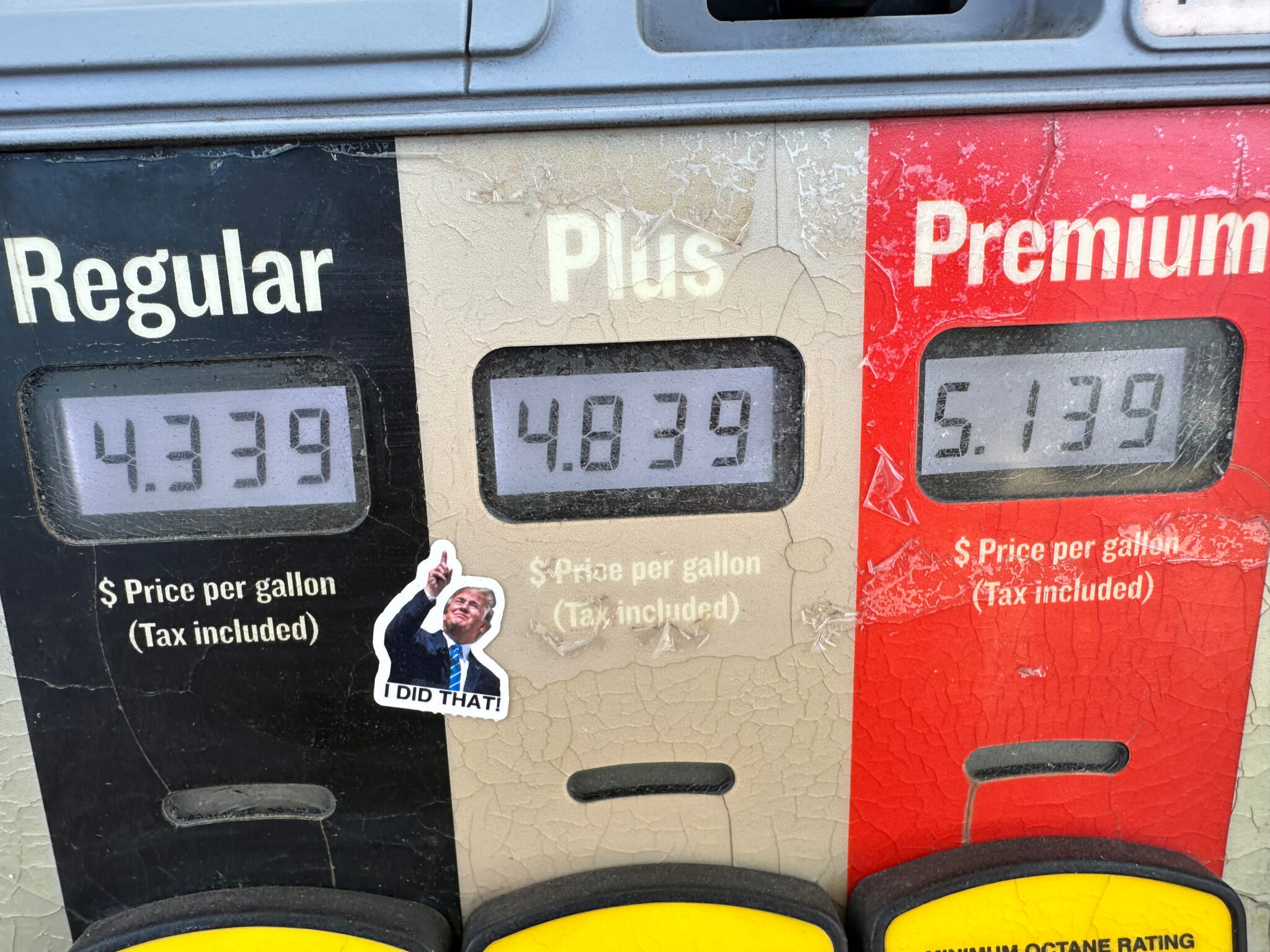
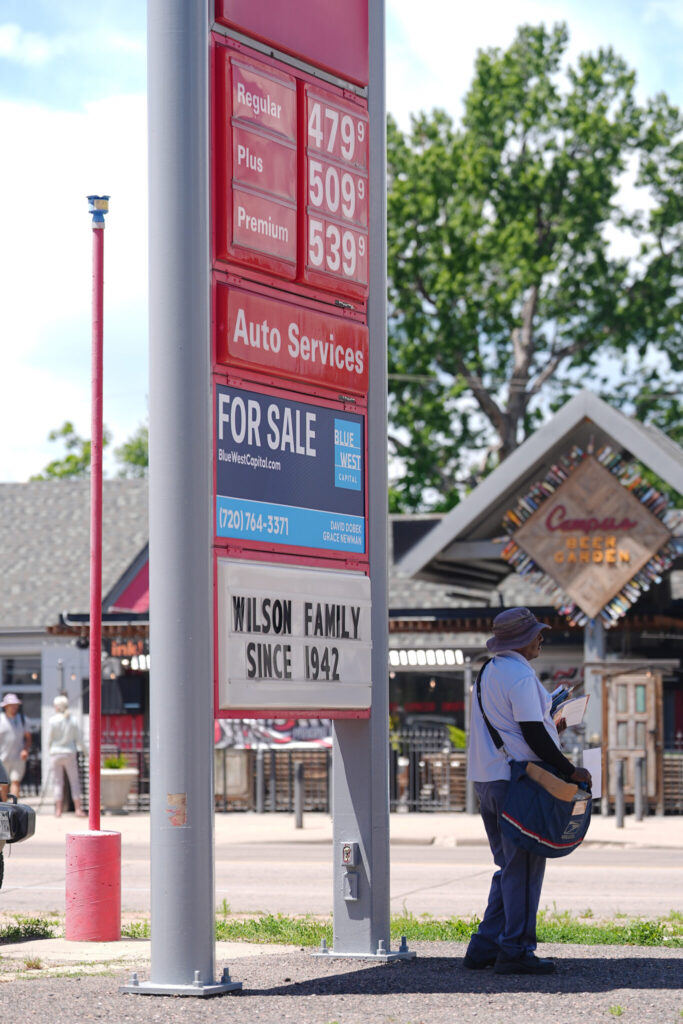
- Gasoline prices remain a major driver of inflation.
- Energy costs are straining household budgets.
- Wage growth has failed to keep pace with inflation.
- Core inflation rose a more modest 2.9%.
- Federal Reserve expected to hold rates steady next week.
- Markets increasingly anticipate possible rate hikes later this year.
- Rising costs continue to impact consumers, businesses and retailers.
Deep Look
Inflation Reaches Three-Year High
Inflation in the United States accelerated sharply in May, reaching its highest level in three years as elevated fuel costs continued to ripple throughout the economy.
According to the Labor Department, consumer prices rose 4.2% compared with a year earlier, up from 3.8% in April. Monthly inflation increased 0.5%, marking the third consecutive month of significant price gains.
The latest data underscores how rising energy costs have become a major obstacle for policymakers trying to restore price stability after years of inflationary pressure.
The increase arrives at a particularly sensitive time, with consumers already facing affordability challenges and the Federal Reserve preparing for its next policy meeting.
Rising Energy Costs Fuel Inflation Pressures
Economists largely attribute the latest inflation surge to elevated oil and gasoline prices.
The ongoing conflict involving Iran and disruptions surrounding the Strait of Hormuz have tightened global energy supplies, pushing fuel costs higher throughout much of the spring.
Gasoline prices climbed from roughly $4.04 per gallon in mid-April to approximately $4.49 per gallon by mid-May, according to federal energy data.
Although prices have eased somewhat in recent weeks, national averages remain above $4 per gallon, continuing to burden households and businesses.
Higher diesel costs have also increased transportation expenses, leading shipping companies to implement fuel surcharges that are gradually feeding into broader consumer prices.
Americans Feel the Impact
The inflation surge is increasingly affecting everyday spending decisions.
For several months, wages have failed to keep pace with overall price growth, reducing purchasing power for many households.
Consumers are dipping into savings to maintain spending habits while others are relying more heavily on credit cards.
Retailers have also reported behavioral changes among customers.
Many consumers are purchasing smaller amounts of fuel during trips to the pump, delaying discretionary purchases and becoming more selective about spending.
The cumulative impact of higher food, transportation, utility and service costs continues to weigh heavily on household finances.
Core Inflation Offers Some Relief
Despite the headline increase, underlying inflation pressures showed some signs of moderation.
Excluding volatile food and energy categories, core inflation rose only 0.2% during May after increasing 0.4% in April.
On an annual basis, core inflation reached 2.9%, only slightly above April’s 2.8% pace.
This suggests that the sharp increase in overall inflation remains heavily concentrated in energy-related categories rather than becoming fully embedded across the economy.
However, economists caution that some service sectors continue to experience persistent price pressures.
Services Continue to Push Prices Higher
While energy grabbed most of the attention, numerous services continued to record notable price increases.
Child care, home health care and dental services remain among the categories seeing sustained inflationary pressure.
“I don’t think we’re anywhere near out of the woods yet,” Omair Sharif, chief economist at Inflation Insights, said. Price increases “were stronger under the hood.”
Some analysts believe labor shortages may be contributing to those increases.
Bill Adams, chief U.S. economist at Fifth Third Commercial Bank, suggested that immigration enforcement measures have reduced labor availability in certain industries, forcing employers to offer higher wages that are ultimately passed on to consumers.
Travel, Utilities and Clothing Become More Expensive
Several major consumer categories recorded notable price increases during May.
Airline fares rose 2.7% in a single month and now stand nearly 27% above year-ago levels as carriers contend with higher jet fuel costs.
Electricity prices increased 0.6% during May and have climbed 5.9% over the past year.
Clothing prices also moved higher, rising 0.3% for the month and 4.8% annually.
Grocery inflation moderated somewhat compared with previous months, increasing just 0.1% in May. Nevertheless, food prices remain significantly higher than before the pandemic and continue to challenge household budgets.
Federal Reserve Faces Difficult Decisions
The latest inflation report places additional pressure on the Federal Reserve and newly appointed Fed Chair Kevin Warsh.
Warsh will oversee his first policy meeting next week as inflation remains well above the central bank’s long-standing 2% target.
Most economists expect policymakers to leave interest rates unchanged for now.
However, expectations have shifted dramatically over recent months.
Earlier this year, markets anticipated multiple rate cuts. Today, many investors believe the next move could instead be a rate increase if inflation remains elevated.
Higher rates would increase borrowing costs for consumers and businesses while potentially slowing economic activity.
Trump Administration Faces Political Challenge
Affordability remains one of the top concerns among American voters.
Although the administration has emphasized economic growth, strong employment figures and energy security, rising prices continue to dominate many households’ financial concerns.
The administration argues that rates do not need to rise further, but it is also avoiding calls for immediate rate cuts as inflation remains elevated.
The issue is likely to remain central to political debates throughout the remainder of the year.
Economic Growth Still Provides Some Encouragement
Despite rising inflation, broader economic indicators remain relatively resilient.
Hiring strengthened during May, unemployment remains low and economic growth has continued.
These factors suggest that the economy retains momentum even as consumers face higher prices.
For Federal Reserve officials, this presents a complicated balancing act.
Strong growth reduces the urgency for stimulus, but persistent inflation increases the need for tighter monetary policy.
The coming months will determine whether easing energy prices can help cool inflation or whether broader price pressures become more entrenched throughout the economy.
What Comes Next
Much of the inflation outlook now depends on energy markets.
However, continued geopolitical instability, elevated service-sector costs and strong consumer demand could keep inflation above the Federal Reserve’s target for longer than policymakers had hoped.
With inflation now above 4%, interest rate expectations shifting and voters increasingly focused on affordability, the next few months may prove critical for both economic policy and the political landscape.