Trump Pushes Federal Gas Tax Suspension Amid Rising Fuel Prices/ Newslooks/ WASHINGTON/ J. Mansour/ Morning Edition/ President Donald Trump says he wants to suspend the federal gasoline tax to ease pressure from soaring fuel prices linked to the Iran war. Congress would need to approve any gas-tax holiday because the president lacks authority to suspend the tax independently. Lawmakers from both parties are weighing the proposal while debating its economic impact and risks to highway funding.
Trump Gas Tax Suspension Quick Looks
- Trump wants to suspend the federal gasoline tax
- Congress must approve any federal gas-tax holiday
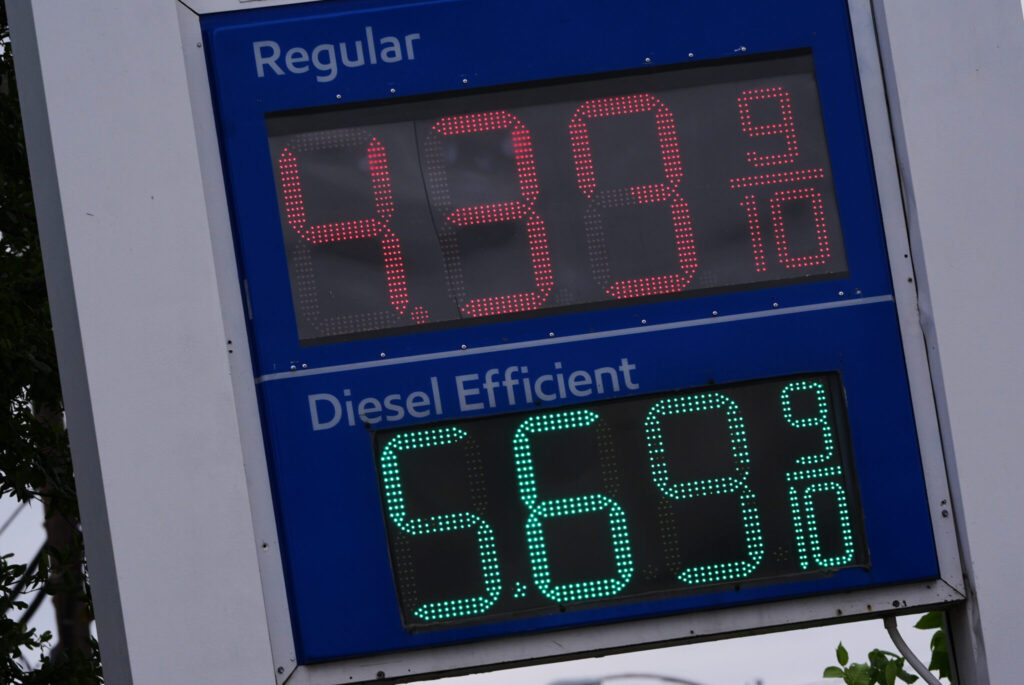
- Average U.S. gas prices reached $4.52 per gallon
- The federal gas tax is 18.4 cents per gallon
- Fuel prices surged amid tensions tied to the Iran war
- Republicans and Democrats introduced competing tax relief bills
- Critics warn a suspension could weaken highway funding
- Some lawmakers argue ending the war would lower prices faster
Deep Look
Trump Pushes Gas Tax Relief Amid Fuel Price Surge
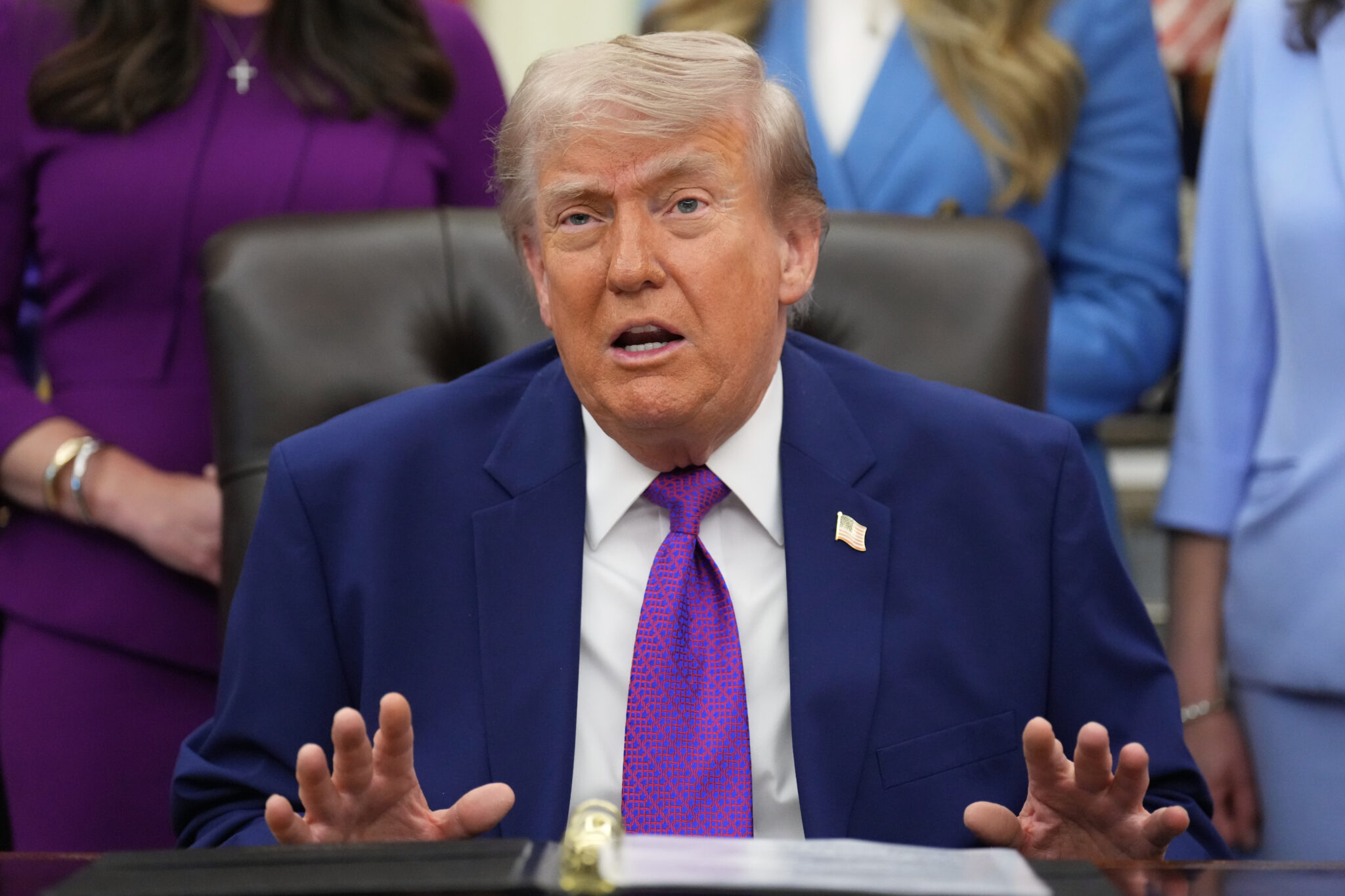
President Donald Trump announced Monday that he wants to suspend the federal gasoline tax as Americans continue facing sharply higher fuel prices connected to the ongoing Iran conflict.
The proposal immediately sparked debate in Washington because the president cannot suspend the federal gas tax on his own. Any temporary pause would require congressional approval.
Trump framed the idea as a way to provide economic relief to families and businesses struggling with rising transportation and energy costs.
Asked at the White House how long the suspension should last, Trump replied: “Until it’s appropriate.”
While acknowledging the federal tax represents only part of the total cost at the pump, Trump argued that every cent matters to consumers.
“It’s still money,” he said.
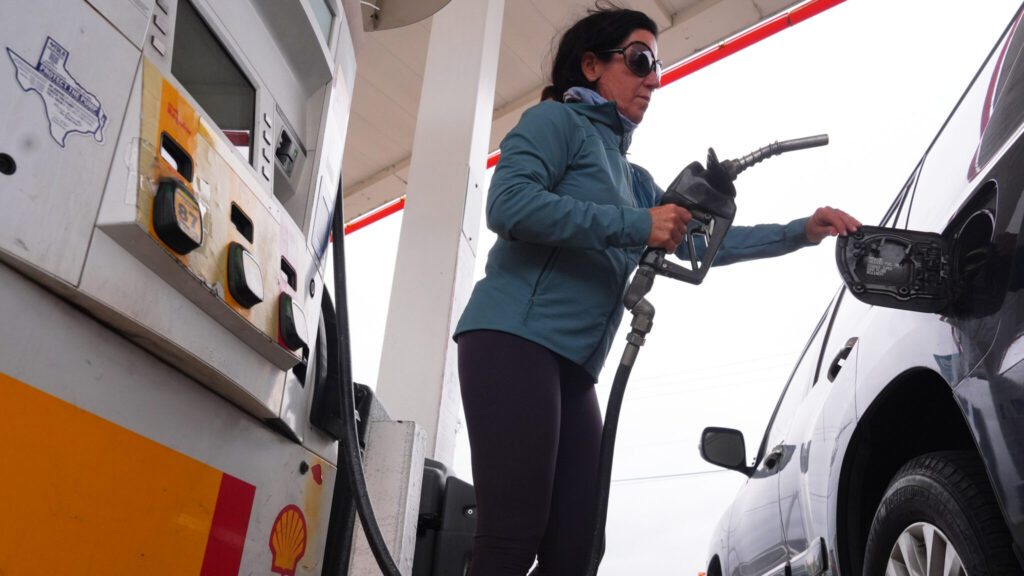
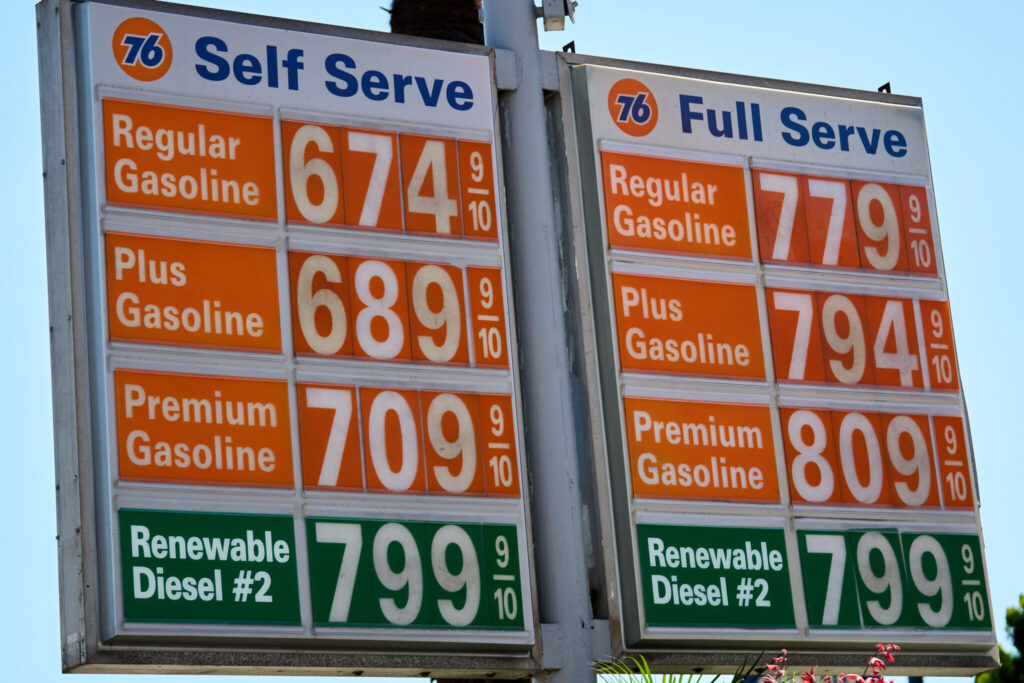
The proposal arrives as average national gasoline prices climbed to $4.52 per gallon, according to AAA — roughly 50% higher than prices before the United States became directly involved in military conflict with Iran.
What the Federal Gas Tax Funds
The current federal gasoline tax stands at 18.4 cents per gallon, while diesel fuel carries a federal tax of 24.4 cents per gallon.
Those taxes are separate from state fuel taxes, which can often be significantly higher depending on the state.
Revenue from the federal gas tax generates more than $23 billion annually and serves as one of the primary funding sources for federal highway construction, road maintenance, and public transportation programs.
Because of that, suspending the tax could create major financial challenges for infrastructure projects nationwide.
Transportation industry groups warned that removing the tax — even temporarily — could weaken long-term investments in roads, bridges, and transit systems unless Congress replaces the lost revenue with other federal funding.
Trump Administration Tries to Control Energy Prices
The White House has already taken several steps aimed at stabilizing fuel markets amid ongoing tensions in the Middle East.
The administration recently released millions of barrels of oil from the Strategic Petroleum Reserve and temporarily eased sanctions affecting certain Russian and Iranian oil shipments already at sea.
At the same time, U.S. officials are negotiating with allied countries to help secure the Strait of Hormuz, a critical shipping route that carries roughly one-fifth of the world’s traded oil supply.
Energy market instability tied to the Iran conflict has remained one of the biggest drivers of rising gasoline prices worldwide.
Trump previously defended higher energy prices as necessary to prevent Iran from developing a nuclear weapon. However, recent comments from administration officials suggest the White House is increasingly concerned about the economic and political impact of fuel costs.
Energy Secretary Chris Wright said Sunday the administration was “open to all ideas,” including a gas-tax holiday.
Congress Reacts to Trump’s Proposal
Lawmakers from both political parties quickly responded to Trump’s remarks, though reactions varied widely.
Republican Sen. Josh Hawley of Missouri announced plans to introduce legislation supporting a federal gas-tax suspension.
Florida Republican Rep. Anna Paulina Luna also pledged to file similar legislation in the House.
Senate Majority Leader John Thune expressed skepticism about suspending the tax but said Republicans would review the proposal carefully.
“You know, I’ve got some colleagues out there who think it’s a good idea. So, we’ll hear them out,” Thune said.
The South Dakota Republican warned that removing the tax could create a major financial gap in the Highway Trust Fund.
“Obviously, any time you suspend the gas tax, that leaves a big hole in the highway trust fund, which also has implications down the road,” he said.
Thune suggested reopening the Strait of Hormuz and stabilizing global oil flows would be a more effective long-term solution than cutting fuel taxes.
Some Republicans Oppose the Plan
Not all Republicans embraced the proposal.
Kentucky Sen. Rand Paul criticized the broader military conflict itself rather than focusing on fuel taxes.
“Instead of suspending the tax, we should suspend the war,” Paul said.
Other Republicans worried rising gas prices could politically damage the GOP ahead of upcoming midterm elections.
Texas Sen. John Cornyn, who faces a competitive runoff race later this month, said he could support a temporary suspension but wanted clarity on how infrastructure projects would continue receiving funding.
“A temporary suspension to get through this sort of bumpy time because of the uncertainty about energy prices, I could live with that,” Cornyn said.
Democrats Offer Competing Relief Plans
Several Democrats have also proposed gas-tax suspension legislation in recent months.
A Senate bill sponsored by Democratic Sens. Richard Blumenthal of Connecticut and Mark Kelly of Arizona would suspend the federal gas tax through Oct. 1.
New Hampshire Democratic Rep. Chris Pappas introduced a similar proposal in the House.
Democrats have largely tied rising fuel prices directly to Trump’s decision to engage militarily with Iran.
“Trump’s war of choice with Iran is driving up gas prices across the country — and Americans shouldn’t have to bear the additional economic burden of Trump’s reckless decision making,” Blumenthal said.
Kelly acknowledged Monday that while he still preferred the Democratic proposal, lawmakers should move quickly on any relief measure.
“People need relief,” he said.
States Already Taking Action
Several states have already suspended or reduced state-level gas taxes in response to surging prices.
Indiana and Georgia recently paused state fuel taxes, while Kentucky and Utah reduced their rates temporarily.
Additional states are reportedly considering similar actions as pressure grows from voters facing higher commuting and transportation costs.
However, infrastructure and transportation organizations warned that gas-tax holidays often fail to deliver the full expected savings to consumers.
The American Road & Transportation Builders Association cited research suggesting many fuel retailers do not fully pass tax savings on to drivers.
Industry analysts also emphasized that gasoline pricing depends on multiple global factors beyond taxes alone, including crude oil prices, refinery capacity, supply chain disruptions, and geopolitical instability.
Political and Economic Debate Expected to Continue
The gas-tax debate is likely to intensify as lawmakers return to Washington and fuel prices remain elevated.
Supporters argue a temporary suspension could offer immediate financial relief for working families struggling with inflation and rising living costs.
Critics counter that the move could worsen the federal deficit while undermining transportation funding at a time when infrastructure systems already require major investment.
With energy prices continuing to fluctuate amid Middle East tensions, Congress now faces mounting pressure to determine whether a federal gas-tax holiday would provide meaningful relief or create new economic problems.