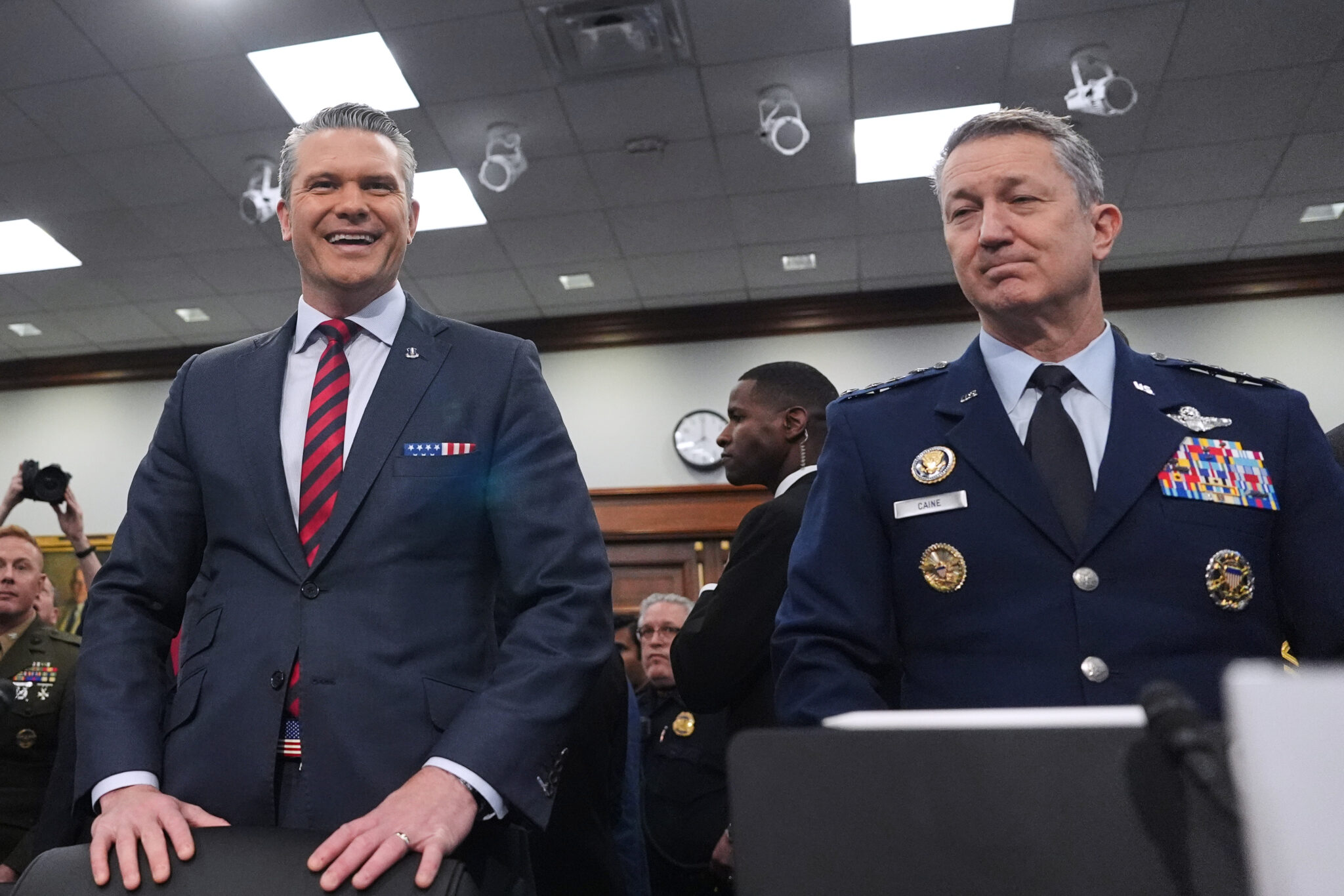
Hegseth Faces Bipartisan Pressure Over Iran War Strategy, Cost/ Newslooks/ WASHINGTON/ J. Mansour/ Morning Edition/ Defense Secretary Pete Hegseth faced renewed questioning in Congress over the Trump administration’s handling of the Iran war. Lawmakers from both parties raised concerns about war costs, weapons stockpiles, and the lack of a clearly defined strategy. The Pentagon also defended a historic $1.5 trillion military budget proposal amid growing political and economic pressure.
Pete Hegseth Iran War Hearing Quick Looks
- Hegseth testified before House and Senate defense subcommittees
- Lawmakers questioned the long-term strategy in Iran
- Pentagon estimates war costs have climbed near $29 billion
- Fuel prices and inflation are increasing political pressure on Republicans
- Some GOP lawmakers want clearer war objectives and congressional oversight
- The Pentagon defended military readiness and weapons inventories
- China remains a major Pentagon concern alongside Iran
- Trump’s proposed $1.5 trillion defense budget drew bipartisan scrutiny
Deep Look
Hegseth Faces Tough Questions on Iran War
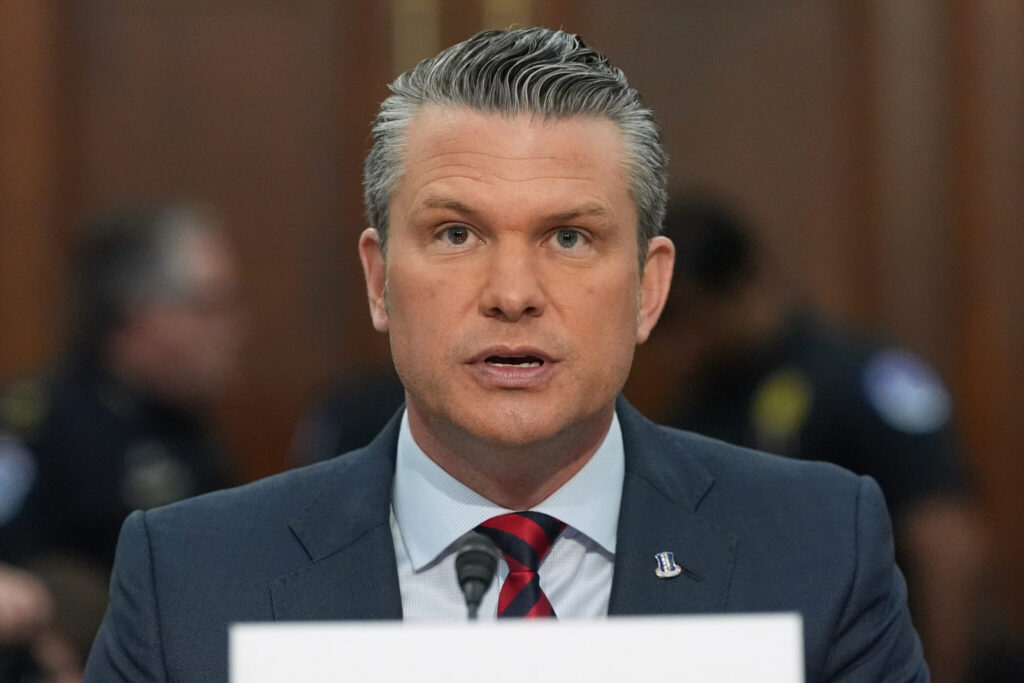
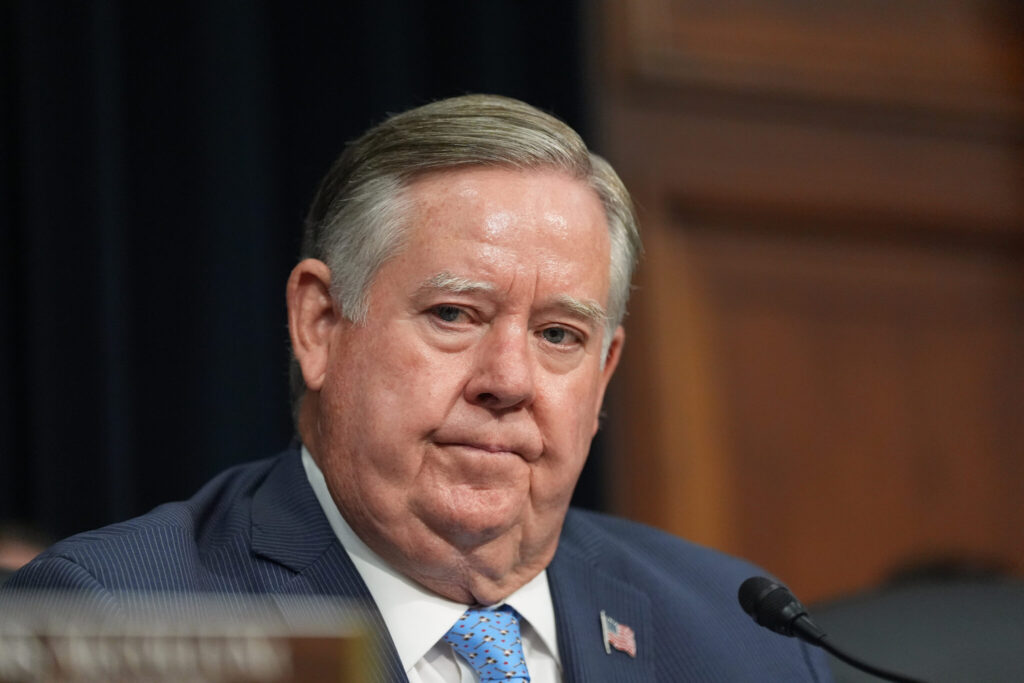
Defense Secretary Pete Hegseth faced intense bipartisan questioning Tuesday as lawmakers demanded more answers about the Trump administration’s strategy, costs, and objectives in the ongoing Iran war.
The hearings before House and Senate appropriations defense panels highlighted growing concern among Republicans and Democrats alike over the length of the conflict, rising economic fallout, and questions surrounding congressional authorization.
The hearings also came as President Donald Trump faces mounting political pressure from surging fuel prices and inflation linked to Iran’s effective closure of the Strait of Hormuz — a crucial global shipping corridor responsible for roughly 20% of the world’s oil trade.
Trump acknowledged Monday that the ceasefire between the United States and Iran is on “massive life support” while criticizing Tehran’s latest nuclear proposal.
“I would call it the weakest right now after reading that piece of garbage they sent us,” Trump said.
Pentagon Defends Historic Military Budget
At the center of Tuesday’s hearings was the Pentagon’s proposed $1.5 trillion defense budget for fiscal year 2027 — a dramatic increase from current military spending levels.
Hegseth described the proposal as both “historic” and necessary given growing threats from Iran, China, Russia, and global instability.
“This is a fiscally responsible budget, and it is a warfighting budget,” Hegseth told lawmakers.
The defense secretary argued that the Trump administration inherited a weakened military industrial base that lacked the production capacity needed for prolonged global conflicts.
“We are rebuilding a military that the American people can be proud of, one that instills nothing less than the unrelenting fear in our adversaries and confidence in our allies,” Hegseth said.
The proposed budget includes expanded investments in drones, warships, missile defense systems, military manufacturing, troop pay increases, and Trump-backed defense initiatives such as the Golden Dome and Golden Fleet.
Lawmakers Question War Strategy and Costs
Despite Hegseth’s defense of the administration’s approach, lawmakers repeatedly pressed him for greater clarity about the war’s long-term strategy and financial burden.
Rosa DeLauro, the top Democrat on the House Appropriations Committee, criticized what she described as inconsistent messaging from the administration.
“The question must be answered at the end of this crisis: What have we accomplished and at what cost?” DeLauro said.
“This administration has not presented Congress with any kind of clear or coherent strategy week to week, day to day, hour to hour,” she added. “The rationale shifts, the objectives change. The end game is ill defined when it is defined at all.”
Republican lawmakers also expressed concern about whether the Pentagon is fully prepared for a prolonged or broader military conflict.
California Republican Rep. Ken Calvert warned that lawmakers still lack sufficient information regarding the military’s readiness and funding needs.
“Questions persist about whether we are building the depth and reliance required for a high end conflict,” Calvert said.
Iran War Costs Climb Toward $29 Billion
Pentagon officials revealed Tuesday that the estimated cost of Operation Epic Fury has now risen to nearly $29 billion.
Jules Hurst, the Pentagon comptroller, testified that updated estimates reflect growing operational expenses along with the repair and replacement of military equipment used during the conflict.
The revised figure marks a sharp increase from the previous $25 billion estimate provided to Congress less than two weeks earlier.
The escalating costs are intensifying debate on Capitol Hill as lawmakers assess the long-term financial consequences of the war.
Some Republicans worry the conflict’s economic fallout could hurt the GOP politically ahead of midterm elections, especially as inflation and fuel prices continue rising nationwide.
Concerns Grow Over Weapons Stockpiles
Lawmakers also questioned whether the Iran war is rapidly depleting U.S. weapons reserves and munitions supplies.
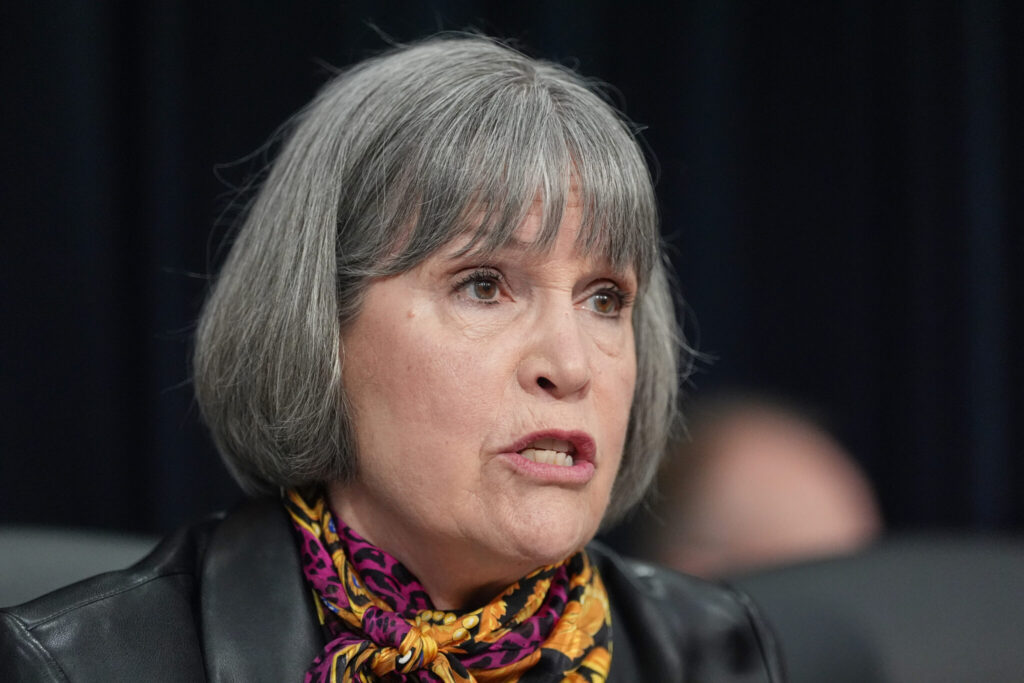
Minnesota Democratic Rep. Betty McCollum criticized the Pentagon for failing to provide Congress with detailed updates regarding ammunition levels.
“We’ve asked several times for a complete update on munitions levels, and it has not been provided,” she said.
Hegseth pushed back strongly against suggestions that U.S. military stockpiles are dangerously low.
“The munitions issue has been foolishly and unhelpfully overstated,” Hegseth said.
“We know exactly what we have. We have plenty of what we need.”
The defense secretary added that the administration has instructed defense contractors to accelerate weapons production.
The debate intensified after Democratic Sen. Mark Kelly recently warned publicly that military supplies had been significantly depleted.
Hegseth later criticized Kelly on social media for discussing what he described as classified Pentagon information.
Ceasefire Remains Fragile
Lawmakers also pressed Hegseth about the administration’s plans if the current ceasefire collapses entirely.
The defense secretary declined to provide operational details but said the Pentagon has contingency plans for escalation, troop withdrawals, or strategic repositioning if needed.
“We have a plan to escalate if necessary. We have a plan to retrograde if necessary. We have a plan to shift assets,” Hegseth said.
Despite continued exchanges of fire in the region, Hegseth insisted the ceasefire technically remains in place.
“Cease fire means the fire is ceasing and we know that has occurred while negotiations occur,” he said.
The U.S. military recently intercepted Iranian attacks targeting Navy ships in the Strait of Hormuz while continuing maritime operations in the region.
China Emerges as Another Central Focus
Alongside Iran, lawmakers repeatedly emphasized concerns about China’s expanding military capabilities.
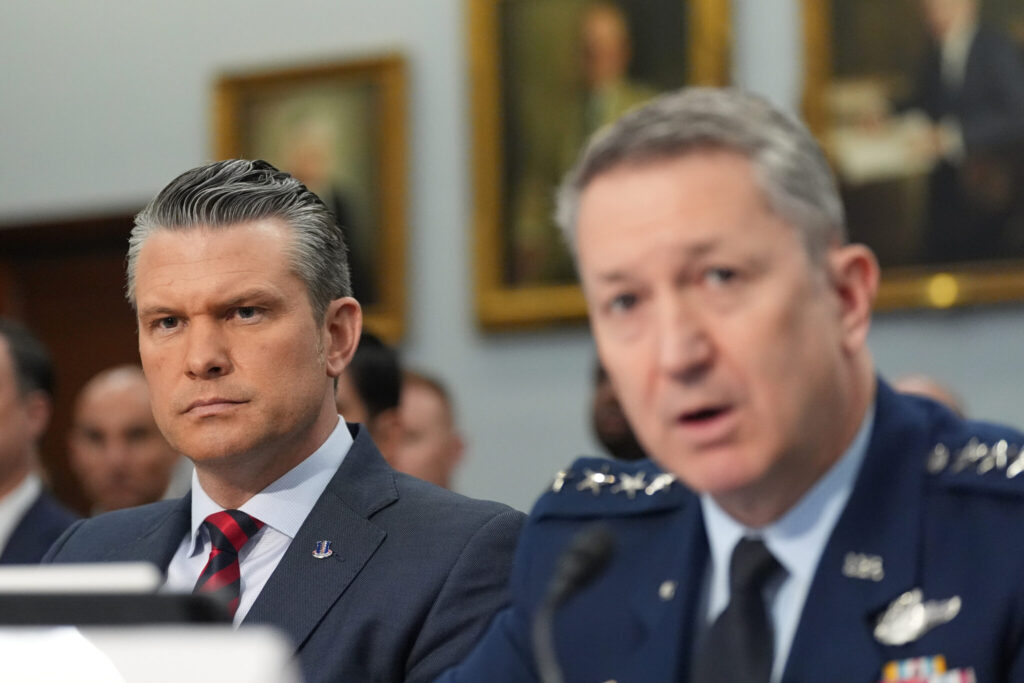
Joint Chiefs Chairman Gen. Dan Caine testified that countering China remains the Pentagon’s “primary focus.”
“We want a range and mix of capabilities that create outsized dilemmas for Xi Jinping and others that are out there, to ensure that we maintain and sustain deterrence,” Caine said.
House Appropriations Committee Chairman Tom Cole also warned that China is modernizing its military “at a pace and scale that is alarming.”
Several lawmakers stressed the importance of strengthening U.S. defense manufacturing and military preparedness as tensions continue growing in both the Middle East and Indo-Pacific regions.
Republicans Divided on Iran Conflict
The hearings highlighted growing divisions within the Republican Party over the Iran war.
Some GOP lawmakers, including Sen. Lindsey Graham and Senate Republican leader Mitch McConnell, continue strongly supporting the administration’s military actions.
Others have become increasingly uneasy about the conflict’s duration and legal authority.
Republican Sen. Susan Collins previously voted alongside Democrats in support of efforts seeking greater congressional oversight and a clearer exit strategy.
Alaska Sen. Lisa Murkowski has also raised concerns about the need for congressional authorization and clearer war objectives.
The debate reflects broader anxiety over the political, military, and economic consequences of a conflict that increasingly appears difficult to resolve quickly.
Economic Pressure Adds Political Risk
The hearings unfolded just hours after new inflation data showed consumer prices rising sharply because of higher energy costs tied to the war.
Gasoline prices climbed 5.4% last month alone, contributing to mounting frustration among American consumers.
Trump has attempted to ease political pressure by proposing a temporary suspension of the federal gas tax and continuing attacks on the Federal Reserve for refusing to aggressively cut interest rates.
Still, the economic impact of the conflict is becoming increasingly difficult for the administration and congressional Republicans to contain.
As Congress debates defense spending, war powers, and economic fallout, the Iran conflict is rapidly becoming one of the defining political and national security challenges of Trump’s second term.