Trump, Xi Wrap Beijing Talks Claiming Progress Stabilizing US-China Ties/ Newslooks/ WASHINGTON/ J. Mansour/ Morning Edition/ President Donald Trump and Chinese leader Xi Jinping wrapped up a major Beijing summit claiming progress in stabilizing US-China relations. The talks covered Taiwan, Iran, trade, energy security and a potential nuclear arms agreement involving the US, China and Russia. Despite warmer public diplomacy and trade optimism, major geopolitical tensions remain unresolved.
Trump Xi Beijing Summit Quick Looks
- Trump and Xi completed three days of talks in Beijing
- Taiwan remained the summit’s biggest flashpoint
- Trump discussed a possible US-China-Russia nuclear pact
- Iran and the Strait of Hormuz dominated energy discussions
- China may consider buying more American oil
- Trump hinted at major trade agreements with Beijing
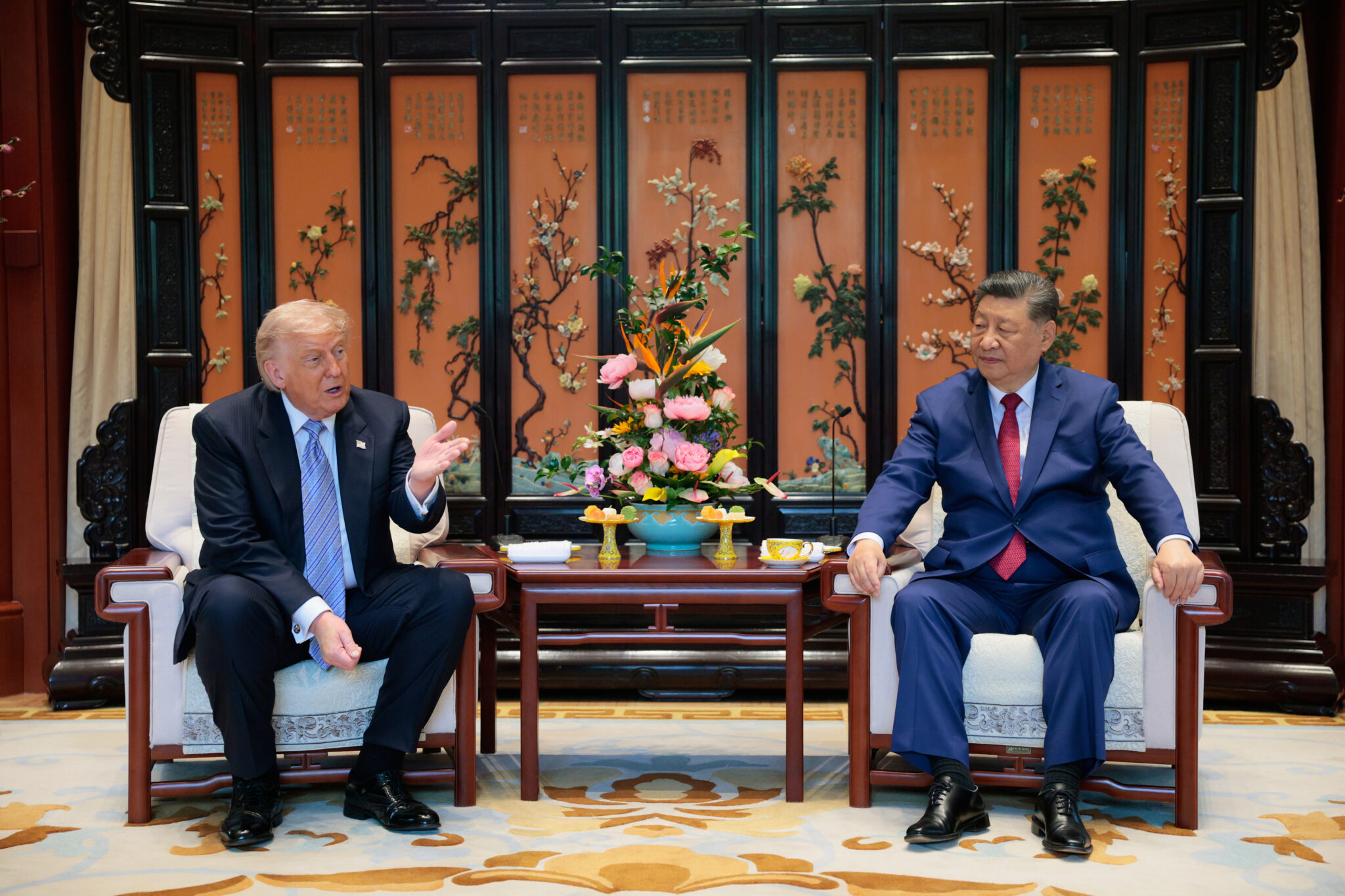
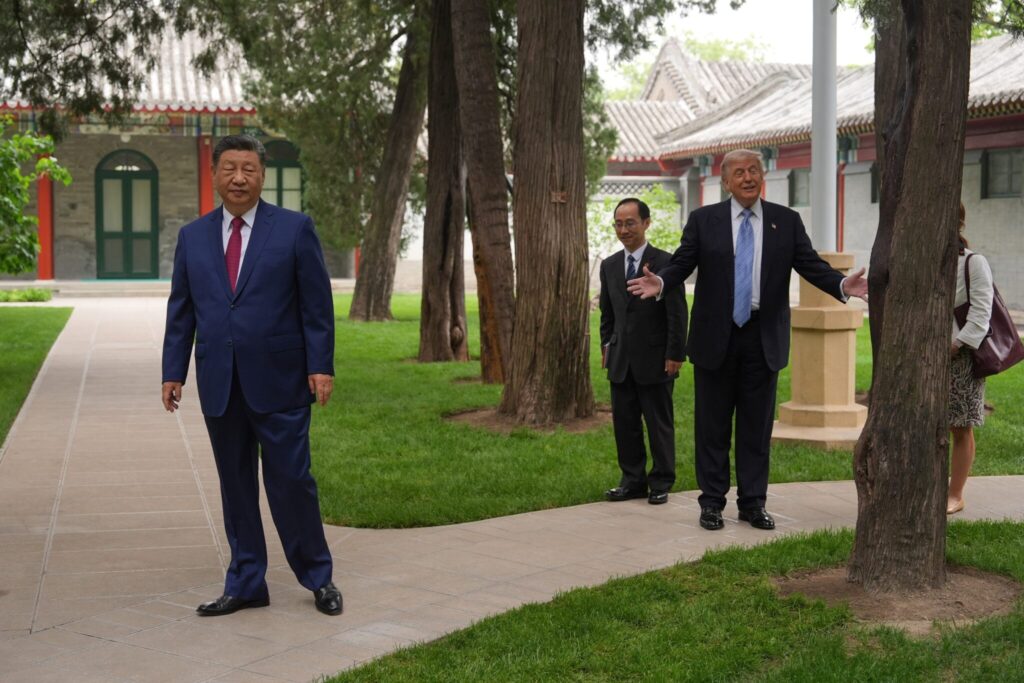
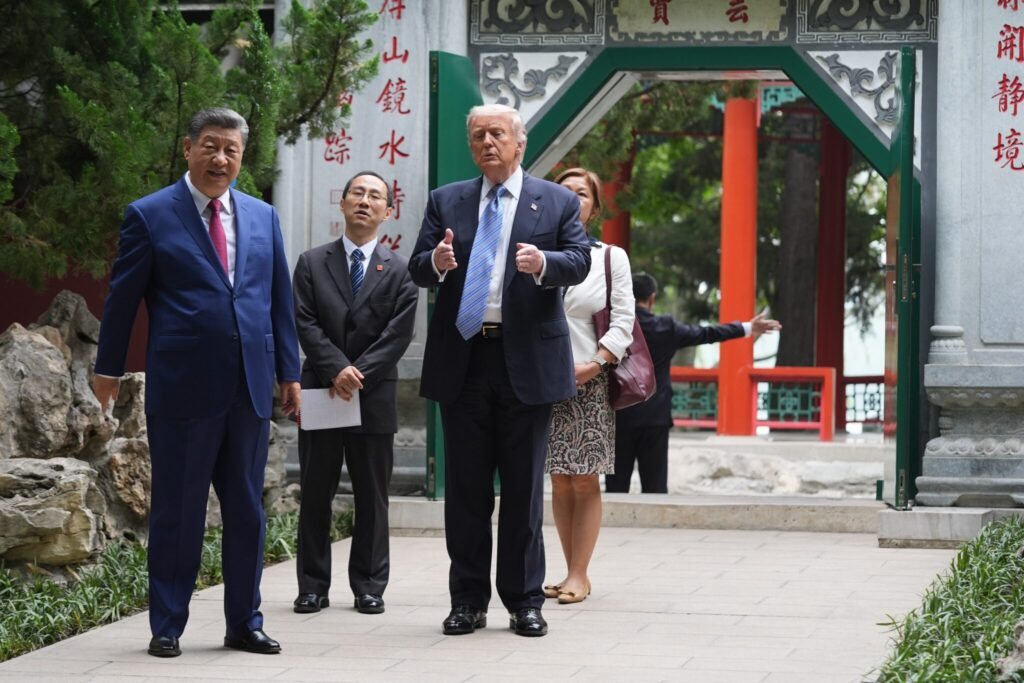
- Xi hosted Trump at the Zhongnanhai leadership compound
- Summit featured extensive diplomatic pageantry and symbolism
Deep Look
Trump and Xi Wrap Up High-Stakes Beijing Summit
President Donald Trump and Chinese President Xi Jinping concluded a closely watched summit in Beijing on Friday after three days of meetings focused on stabilizing relations between the world’s two largest powers.
Both leaders publicly praised the talks and projected optimism about future cooperation, even as major disagreements remain unresolved over Taiwan, Iran, trade policy and military competition.
“It’s been really a great couple of days,” Trump told reporters before departing China.
Xi described the summit as a “milestone” and said the two countries had established “a constructive, strategic, stable relationship.”
Taiwan Emerges as Biggest Flashpoint
Despite the positive tone, Taiwan remained the most sensitive issue throughout the summit.
Chinese officials warned privately that mishandling Taiwan could push the United States and China toward “clashes and even conflicts,” according to the Chinese government’s readout of the discussions.
Trump acknowledged Xi strongly opposed Taiwanese independence.
“I heard him out,” Trump said. “I didn’t make a comment.”
Trump also said he had not yet decided whether to move forward with a major US arms sale to Taiwan that his administration previously authorized.
“I will make a determination,” Trump told reporters aboard Air Force One.
Rubio Says US Taiwan Policy Is “Unchanged”
Secretary of State Marco Rubio attempted to calm concerns following the summit by emphasizing that Washington’s official Taiwan policy remains intact.
“It would be a terrible mistake” for China to attempt taking Taiwan by force, Rubio said during interviews after the summit.
Rubio added that Taiwan remains a recurring issue in US-China diplomacy.
“They always raise it on their side. We always make clear our position, and we move on to the other topics,” Rubio said.
Trump Floats New Nuclear Deal With China and Russia
One of the summit’s most significant developments involved Trump raising the possibility of a new three-way nuclear agreement involving the United States, China and Russia.
Trump said he wants all three countries to agree to limits on nuclear warheads.
“I got a very positive response,” Trump said of Xi’s reaction. “This is the beginning.”
The discussions come after the expiration of the New START treaty earlier this year, ending decades of formal limits on the US and Russian nuclear arsenals.
China currently possesses far fewer nuclear warheads than either the United States or Russia, though the Pentagon estimates Beijing’s arsenal could exceed 1,000 operational warheads by 2030.
Iran War and Energy Security Dominate Talks
The ongoing Iran conflict remained another major focus throughout the summit.
Trump and Xi discussed the global economic consequences of the closure of the Strait of Hormuz, which previously handled roughly 20% of the world’s oil shipments before the war began in late February.
Both leaders agreed the shipping route should reopen.
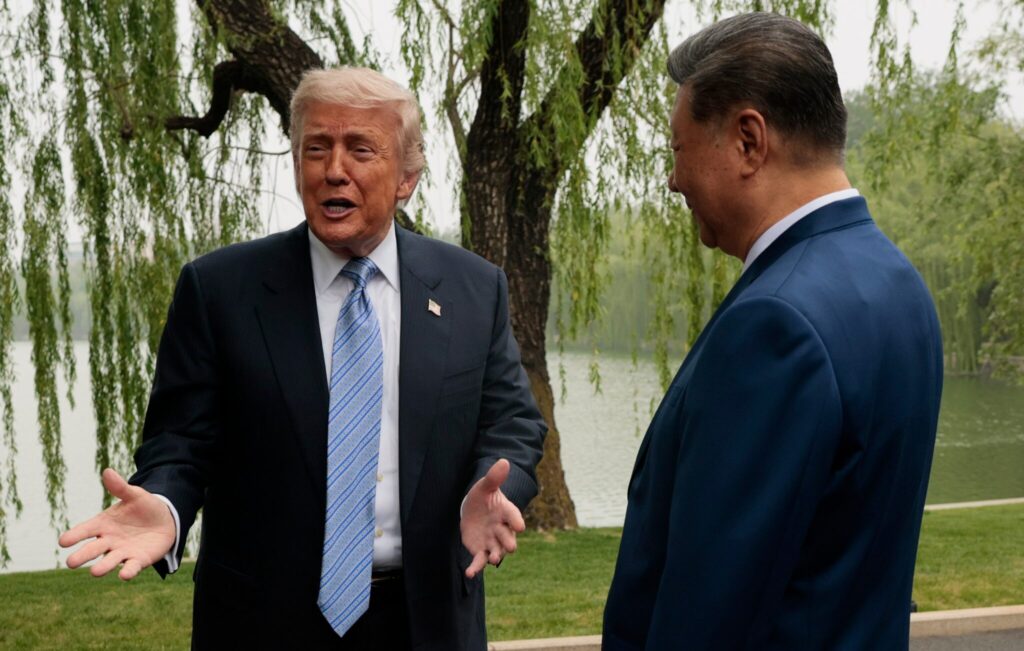
“We feel very similar about how we want it to end,” Trump said while standing beside Xi. “We don’t want them to have a nuclear weapon.”
White House officials also said Xi opposed imposing tolls on vessels crossing the Strait and showed interest in future purchases of American oil to reduce China’s dependence on Gulf energy supplies.
China’s Iran Ties Still Cause Friction
Despite cooperative rhetoric, tensions over Iran remain unresolved.
US officials continue accusing Chinese companies of helping Tehran through oil purchases and satellite support.
The Treasury Department recently targeted Chinese refineries accused of buying Iranian oil despite sanctions.
The Trump administration also continues pressuring Beijing to crack down harder on Chinese precursor chemicals linked to fentanyl trafficking into the United States.
Trade Deals and Boeing Sales Discussed
Trade discussions also played a central role during the summit.
Trump claimed “fantastic trade deals” had been reached, though no formal agreements were announced publicly.
The White House had hoped to secure Chinese commitments involving:
- Soybeans
- Beef purchases
- Energy imports
- Manufacturing agreements
Trump also told Fox News that Xi indicated China may purchase 200 Boeing aircraft from the United States.
Xi Gives Trump Personal Diplomatic Treatment
Xi hosted Trump at Zhongnanhai, the highly secured leadership compound often compared to the White House or Kremlin.
The visit included private tea, lunch meetings and a walk through gardens filled with ancient trees and Chinese roses.
Trump appeared impressed by the setting and praised the roses as the most beautiful he had ever seen.
Xi reportedly promised to send Trump rose seeds.
The personalized hospitality reflected China’s effort to appeal directly to Trump’s appreciation for ceremony and symbolism.
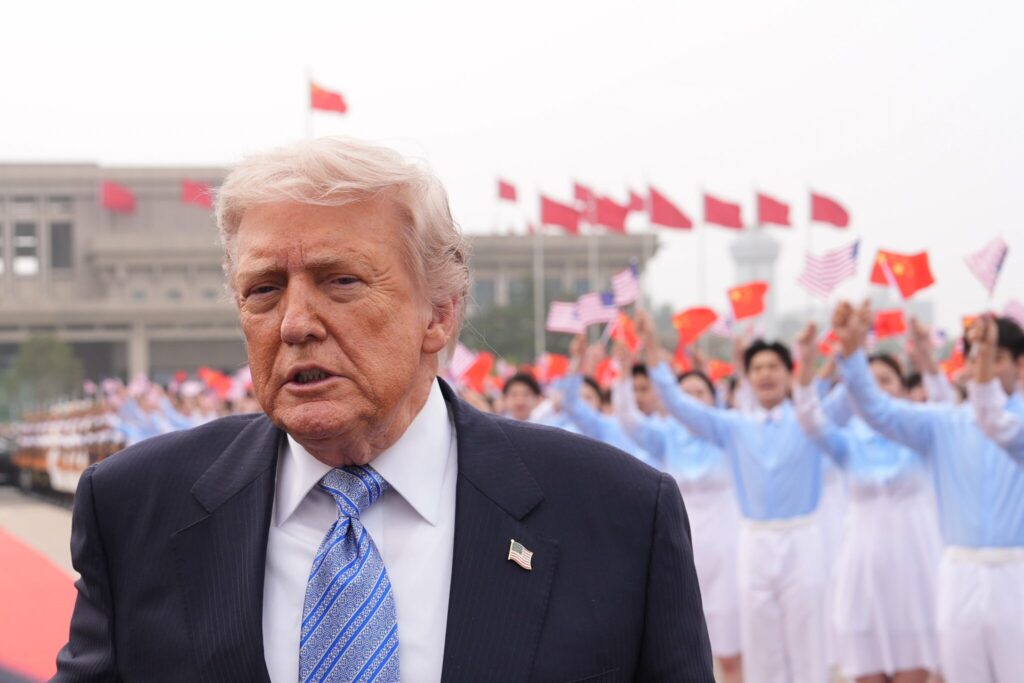
China Ends Visit With Elaborate Farewell
China closed the summit with extensive pageantry and ceremonial displays.
Chinese Foreign Minister Wang Yi personally saw Trump off at the airport while schoolchildren dressed in Air Force One-themed colors waved Chinese and American flags in synchronized fashion.
The summit also included state banquets, military honor guards and carefully choreographed cultural events designed to project warmth and stability in the US-China relationship.
During a private banquet segment, the Chinese military band even played The Village People’s “Y.M.C.A.,” Trump’s signature rally song.
Major Challenges Still Remain
Despite the positive messaging, analysts say the summit did little to fundamentally resolve the deep structural tensions between Washington and Beijing.
- Taiwan
- Trade competition
- Artificial intelligence
- Semiconductor exports
- Military expansion
- Human rights
- Iran sanctions
- Global influence
Still, both governments appeared eager to reduce the risk of direct confrontation while maintaining communication during a period of growing global instability.