Trump Vows to Attack Iran Again Today: They Will ‘Pay the Price’ Until Reaching a ‘Meaningful’ Deal/ Newslooks/ WASHINGTON/ J. Mansour/ Morning Edition/ The United States launched new strikes against Iran as President Donald Trump warned additional attacks are imminent amid stalled negotiations. Iran responded with missile attacks targeting countries hosting U.S. military forces, raising fears of a wider regional conflict. Despite ongoing mediation efforts, both sides remain divided over sanctions, uranium enrichment and broader Middle East security concerns.
Trump Iran Strikes Quick Looks
- U.S. launched fresh airstrikes against Iran.
- Trump vowed additional military action.
- Iran fired missiles toward Bahrain, Kuwait and Jordan.
- Talks continue through regional mediators including Qatar.
- Iran warns it may reconsider negotiations.
- Oil prices remain elevated amid Strait of Hormuz disruptions.
- U.S. military targeted Iranian defense infrastructure.
- Trump says negotiations have been moving too slowly.
- Iran demands sanctions relief and access to frozen assets.
- Regional tensions continue to expand into Lebanon and beyond.

Deep Look
Trump Signals More Military Action Against Iran
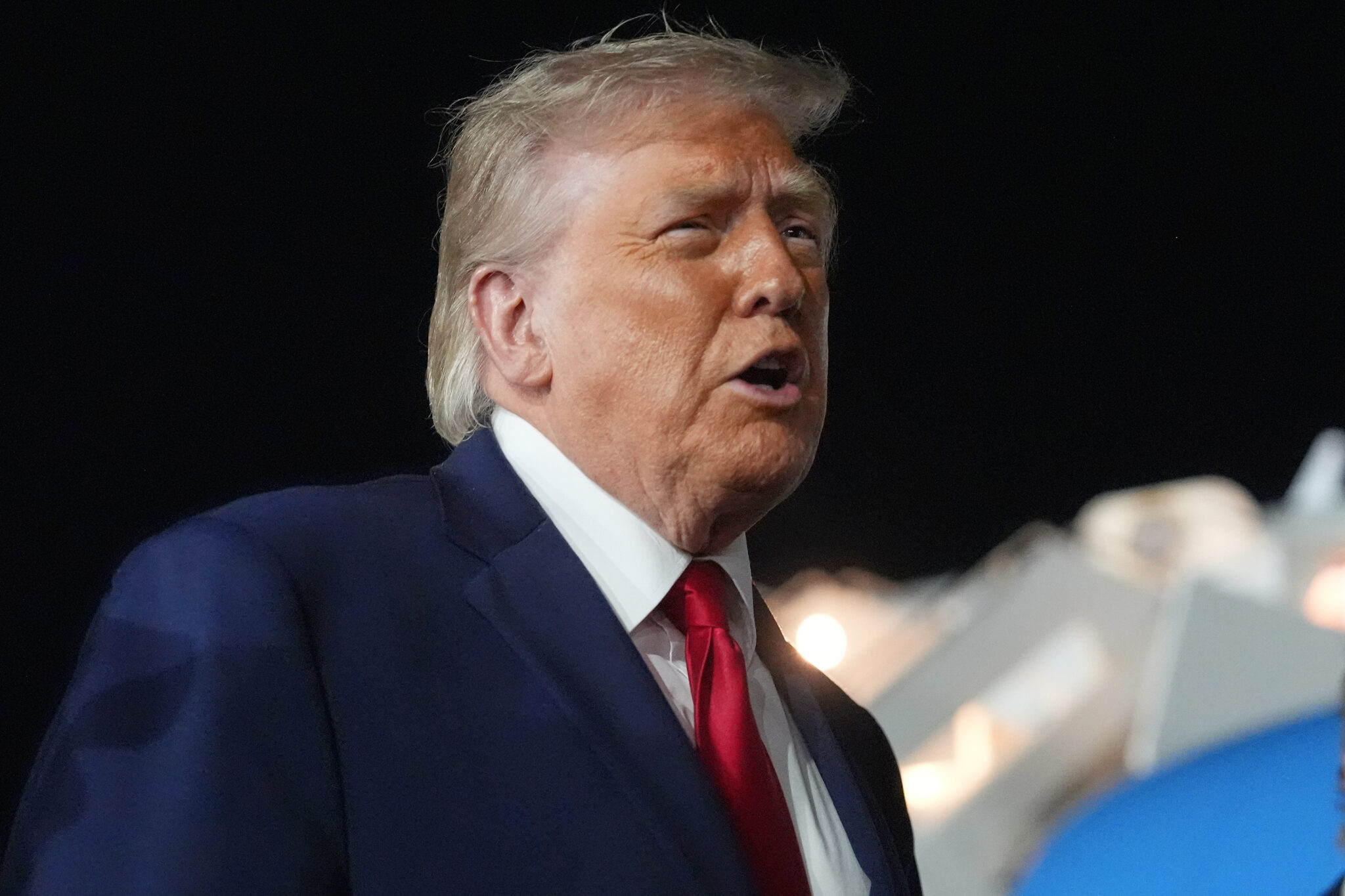
The conflict between the United States and Iran intensified Wednesday as President Donald Trump confirmed that additional American military strikes are planned following fresh attacks earlier in the day.
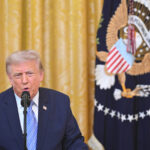
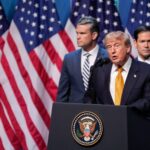
Speaking from the White House, Trump expressed frustration with the pace of negotiations aimed at ending the war and warned Tehran that continued delays would carry consequences.
“We’re going to hit them again hard today,” Trump told reporters.
The comments came after U.S. Central Command announced new military operations targeting Iranian facilities, describing the strikes as part of a broader effort to respond to recent hostilities and maintain pressure on Tehran.
Trump Says Iran Is Delaying a Final Agreement
Throughout the day, Trump repeatedly insisted that a negotiated settlement remains within reach but accused Iran of unnecessarily prolonging discussions.
“All they have to do, is they have to start signing a paper. It’s fully negotiated,” he said.
“We have a fully negotiated — but they’re tapping and tapping, and they say, ‘All right, let’s give them a couple of more days.’ They’re tapping because it’s a meaningful paper.”
Trump has frequently predicted that a final agreement is close, though major disagreements remain unresolved.
Among the most significant sticking points are Iran’s stockpile of enriched uranium, sanctions relief, and demands related to regional security arrangements.
U.S. Launches New Airstrikes Across Iran
The latest round of American attacks focused on military infrastructure inside Iran.
According to U.S. Central Command, fighter aircraft targeted:
Air Defense Systems
Military officials said air defense installations were struck to reduce Iran’s ability to monitor and respond to future operations.
Surveillance Radar Sites
Radar systems used to track aircraft and maritime traffic were among the facilities targeted.
Ground Control Facilities
The military also reported strikes against command-and-control positions linked to Iranian defense operations.
Iranian state media reported that some strikes hit water infrastructure near the Strait of Hormuz, including reservoirs serving communities in southern Iran.
Iran Fires Back at U.S. Allies in the Region
Iran responded by launching attacks toward several countries that host American military personnel.
Officials in:
- Bahrain
- Kuwait
- Jordan
Reported incoming projectiles or aerial threats.
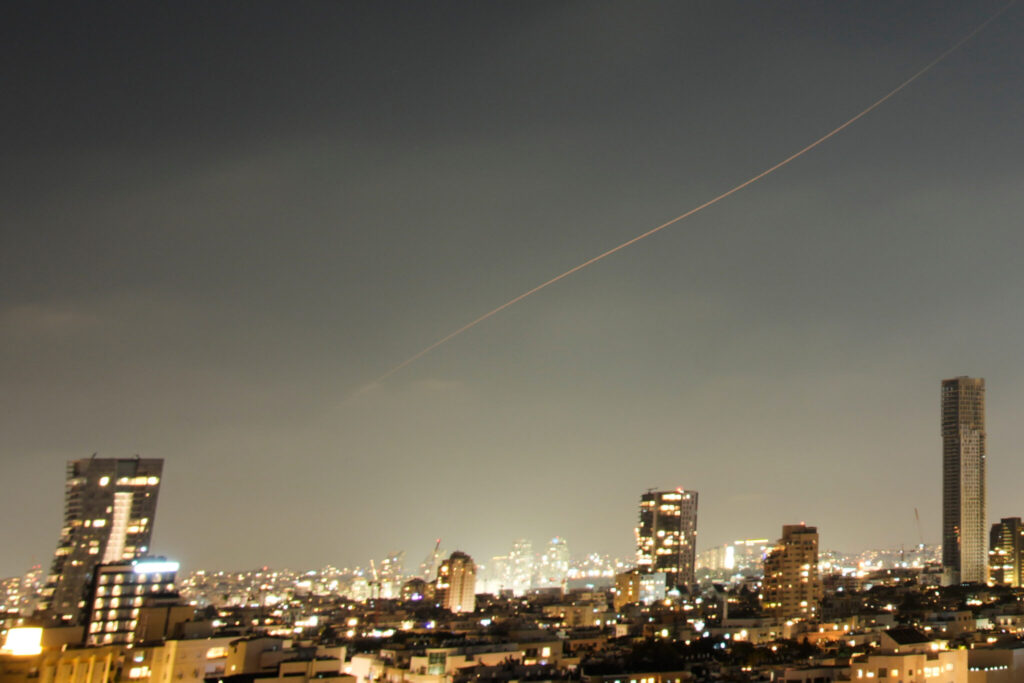
Jordan stated that its air defenses intercepted multiple missiles targeting the Muwaffaq Salti Air Base, a facility that has hosted American fighter aircraft.
Bahrain and Kuwait also acknowledged defensive actions against incoming threats, though details remained limited.
Iran framed the attacks as retaliation for American military operations.
Helicopter Incident Continues to Fuel Escalation
The latest military exchange stems in part from an incident involving a U.S. Army Apache helicopter near the Strait of Hormuz.
American officials say the aircraft was brought down after a collision with an Iranian drone.
The two pilots survived and were later rescued.
Trump referenced the incident repeatedly while defending renewed military action.
“We’re going to be attacking them, attacking them very hard,” Trump said.
“Based on the helicopter, I guess we have the right to do that.”
The exact circumstances surrounding the collision remain under investigation.
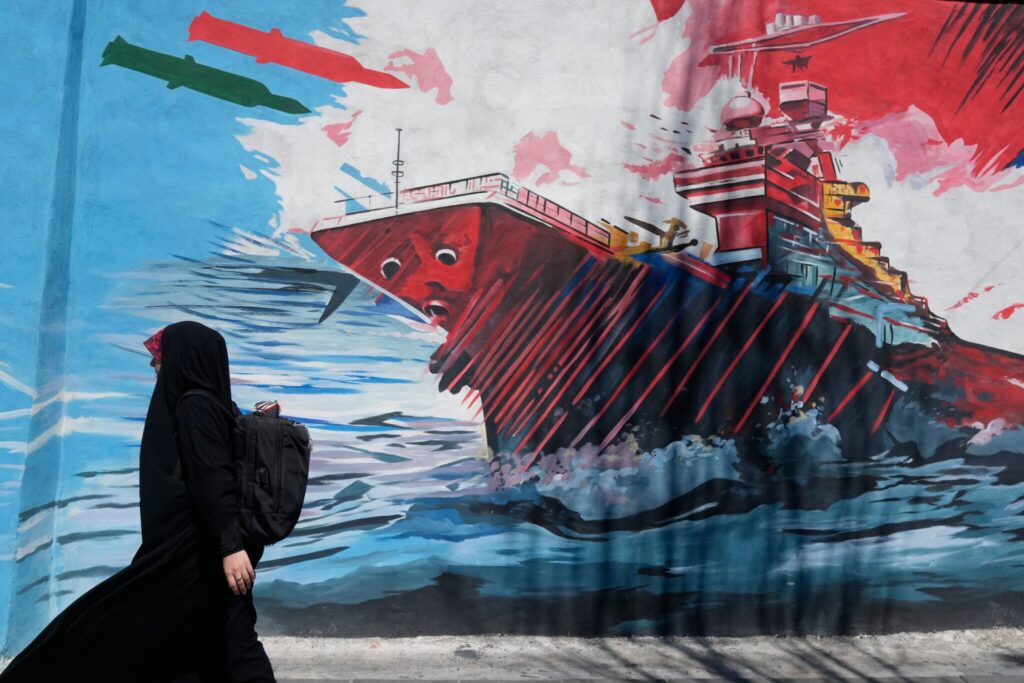
Strait of Hormuz Remains a Strategic Flashpoint
The Strait of Hormuz continues to sit at the center of the conflict.
The narrow waterway is one of the world’s most important energy corridors, historically carrying approximately one-fifth of global oil supplies.
Iran has effectively restricted much of the traffic through the strait during the conflict, contributing to rising energy prices worldwide.
Trump claimed Wednesday that American efforts have quietly moved significant amounts of oil through the region despite Iranian pressure.
“I’m just announcing today for the first time, but we’ve been taking out millions of barrels of oil, millions of barrels. Every night, we’ve been taking out oil, but now I’m gonna tell you because they just figured it out,” Trump said.
“Millions of dollars of barrels have come out, and that’s why it’s at $85-$90 a barrel instead of $250.”
Negotiations Continue Behind the Scenes
Even as military operations intensify, diplomatic efforts have not completely stopped.
A Qatari delegation reportedly arrived in Tehran Wednesday to continue discussions aimed at bridging remaining gaps between Washington and Tehran.
Regional mediators have spent weeks attempting to secure an agreement that would:
Limit Iran’s Nuclear Activities
The U.S. continues demanding restrictions on Iran’s enriched uranium stockpile and nuclear capabilities.
Ease Economic Sanctions
Iran insists sanctions relief must be included before any comprehensive agreement can be finalized.
Reduce Regional Military Tensions
Negotiators are also attempting to address broader security concerns involving Israel, Hezbollah and maritime trade routes.
However, recent military exchanges have made those efforts significantly more difficult.
Iran Questions Future of Negotiations
Following the latest U.S. strikes, Iranian officials signaled that Tehran may reassess its participation in ongoing talks.
Iranian Foreign Minister Abbas Araghchi criticized the American attacks and emphasized Iran’s right to respond.
Iran’s Foreign Ministry also suggested that further military escalation could undermine diplomatic progress.
At the same time, Tehran continues insisting that any lasting agreement must address the broader regional conflict, including fighting involving Hezbollah and Israel.
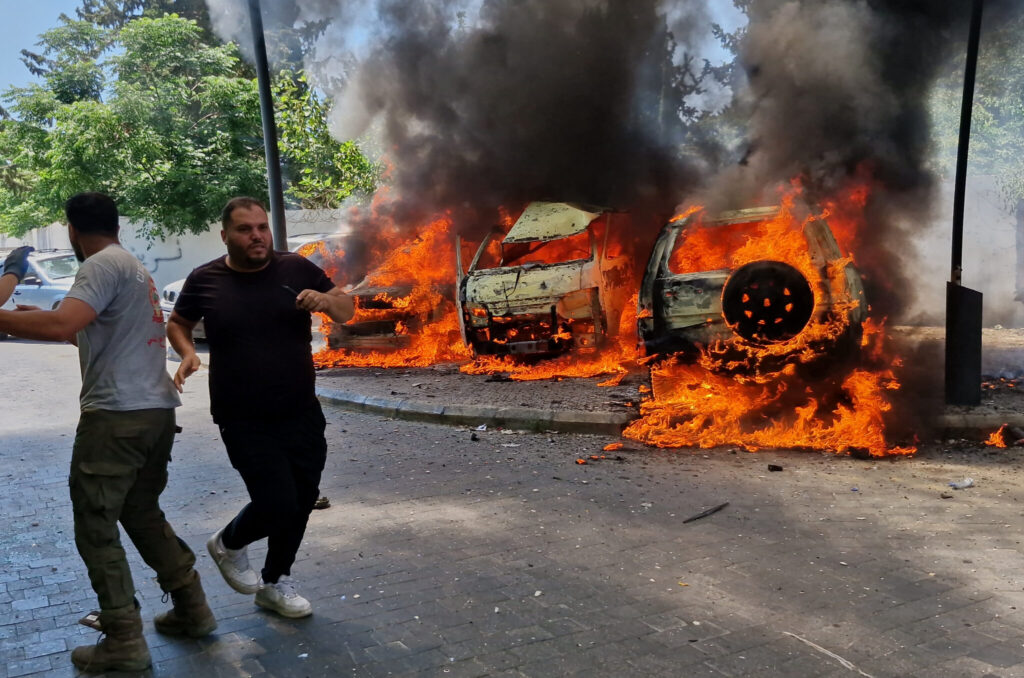
Lebanon Conflict Adds Another Layer of Risk
The Iran-U.S. confrontation continues alongside Israel’s ongoing military campaign against Hezbollah in Lebanon.
Violence intensified again Wednesday as Israeli strikes reportedly killed multiple people near Tyre and Sidon.
Iran has repeatedly linked broader regional stability to developments in Lebanon, making negotiations even more complex.
Israeli Prime Minister Benjamin Netanyahu has continued pursuing military objectives against Hezbollah, complicating diplomatic efforts supported by Washington and regional mediators.
Global Economic Impact Continues to Grow
The war continues to affect global markets.
Energy prices have climbed significantly since fighting began earlier this year.
International crude oil benchmarks traded above $92 per barrel Wednesday, representing a rise of more than 25% since the start of the conflict.
Higher energy costs have contributed to:
- Rising inflation
- Increased transportation expenses
- Higher food prices
- Supply chain disruptions
- Greater uncertainty in financial markets
Economists warn that prolonged instability around the Strait of Hormuz could trigger additional economic shocks worldwide.
Looking Ahead
The conflict now appears to be entering another dangerous phase.
“We want a deal that’s meaningful. We want a deal that works. We don’t want to just have a Barack Hussein Obama deal, a JCPOA, the worst deal.”
At the same time, Iran is signaling that continued American strikes could force it to reconsider negotiations altogether.
With military operations expanding, diplomacy under strain, and regional actors increasingly involved, the coming days may determine whether the conflict moves toward a negotiated settlement or a deeper and more prolonged confrontation.