Trump Says Iran Peace Deal Still Near Despite Vowing ‘US Would Hit Iran Hard Today’/ Newslooks/ WASHINGTON/ J. Mansour/ Morning Edition/ The Trump administration insists a peace agreement with Iran remains within reach despite launching retaliatory strikes after a U.S. military helicopter was downed near the Strait of Hormuz. President Trump told reporters that the U.S. would hit Iran “hard” again on Wednesday, after conducting strikes on Tuesday evening. Trump said Iran had been “playing us for suckers” during negotiations, and the U.S. would be “attacking them very hard.” “We’re going to hit them again hard today, in case you miss it, because you don’t turn on your television set, and we’ll see what happens with the deal,” Trump said. White House officials argue military operations and diplomatic negotiations can continue simultaneously as both sides exchange threats and proposals. The latest developments highlight growing tensions between Washington, Tehran and Israel while global markets remain focused on the fate of the Strait of Hormuz.
Trump Iran Deal Quick Looks
- White House says Iran deal remains close.
- U.S. launched retaliatory strikes after helicopter incident.
- Trump described the military response as proportional.
- Administration separates military action from negotiations.
- Vice President JD Vance says a deal could take weeks or months.
- Iran warns it is prepared for additional conflict.
- Trump continues predicting an agreement is near.
- Strait of Hormuz remains largely closed.
- Global energy markets remain under pressure.
- Israel’s actions in Lebanon continue complicating diplomacy.
Deep Look
White House Insists Iran Agreement Remains Within Reach
Despite a fresh round of military confrontation between Washington and Tehran, President Donald Trump’s administration continues to project confidence that a peace agreement with Iran could be finalized in the near future.
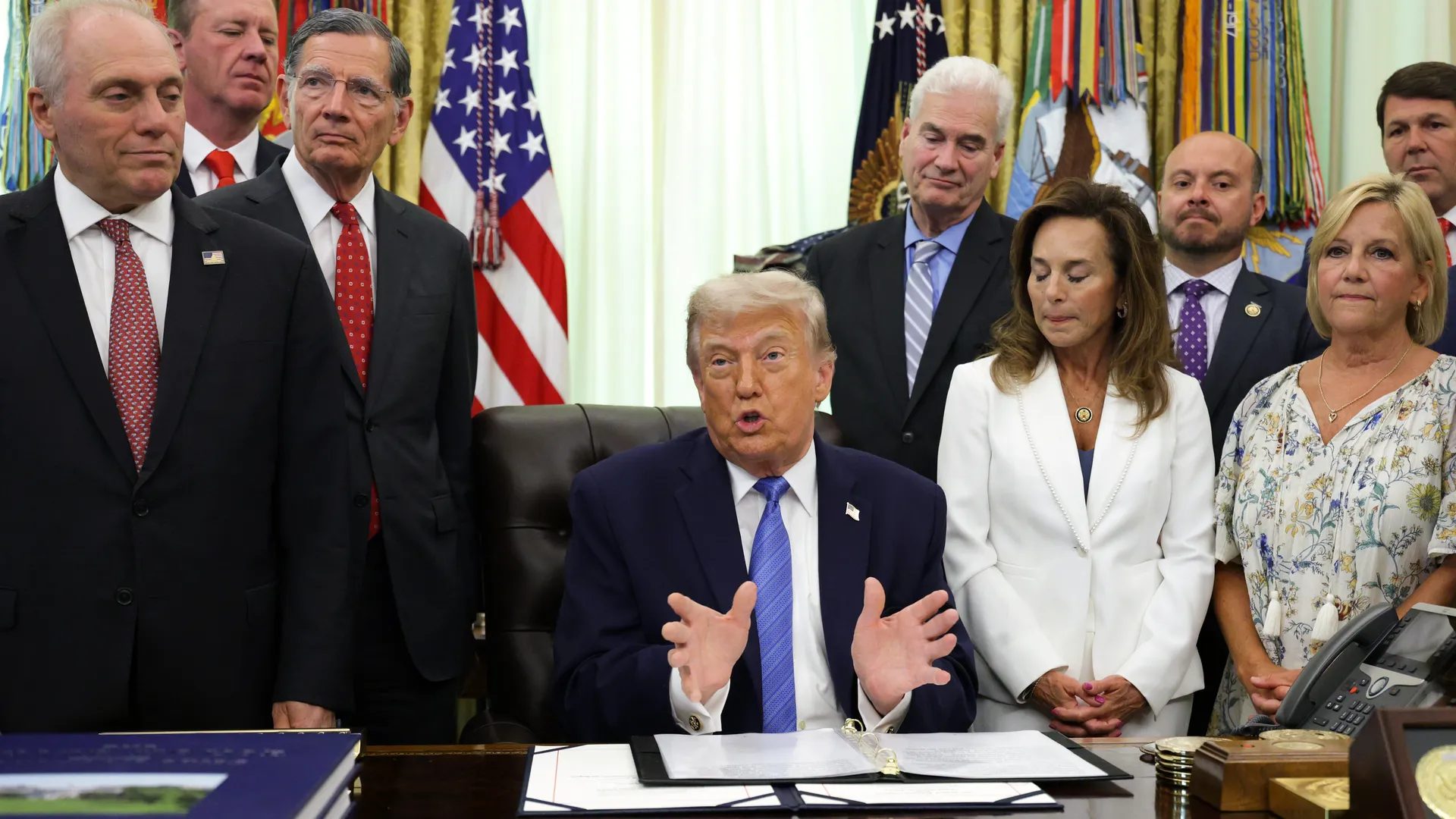
President Trump told reporters that the U.S. would hit Iran “hard” again on Wednesday, after conducting strikes on Tuesday evening.
Trump said Iran had been “playing us for suckers” during negotiations, and the U.S. would be “attacking them very hard.”
“We’re going to hit them again hard today, in case you miss it, because you don’t turn on your television set, and we’ll see what happens with the deal,” Trump said.
Senior White House officials said that recent U.S. retaliatory strikes against Iranian targets have not changed the administration’s assessment that negotiations remain on track.
“Nothing changes where the deal stands right now,” a senior White House official said.
The official added that an agreement with Tehran was “still close,” underscoring the administration’s belief that military actions and diplomatic efforts can continue simultaneously.
The comments came after the United States launched strikes against Iran following the downing of a U.S. military helicopter near the Strait of Hormuz, one of the world’s most strategically important waterways.
Retaliatory Strikes Follow Helicopter Incident
The latest military action was triggered by an Iranian attack that brought down a U.S. helicopter near the Strait of Hormuz over the weekend.
While Trump and U.S. Central Command described the American response as proportional, the strikes marked another dangerous escalation in a conflict that has already disrupted global energy markets and heightened tensions throughout the Middle East.
Unlike previous statements in which Trump threatened devastating consequences for Iran, the administration framed Tuesday’s operation as a limited military response rather than the beginning of a broader campaign.
Officials emphasized that the objective was to respond to the attack while keeping diplomatic channels open.
Trump Continues Predicting Deal Is Near
Even as military operations unfolded, Trump continued expressing optimism that an agreement could soon be reached.
Earlier Tuesday, the president told reporters:
“we are close to a strong and powerful deal”
Trump also suggested that a final agreement could reopen the Strait of Hormuz within days.
The president predicted the waterway could resume normal operations after a deal is signed “in two or three days.”
Such predictions have become a recurring theme of the administration’s messaging. Trump has repeatedly stated over recent months that negotiations were nearing completion, though no final agreement has yet been announced.
JD Vance Offers More Cautious Assessment
Vice President JD Vance appeared somewhat more measured when discussing the status of negotiations.
In a CBS interview published Tuesday, Vance acknowledged progress but indicated that a breakthrough may not be imminent.
According to Vance, the United States remains “very close” to securing an agreement with Iran.
However, he suggested the timeline remains uncertain and could extend significantly longer than the White House’s more optimistic projections.
He noted a deal could emerge “in the next week” or “months from now.”
The differing timelines highlight the uncertainty that still surrounds negotiations despite repeated expressions of confidence from senior administration officials.
Iran Signals Readiness for More Confrontation
Public messaging from Tehran has been considerably more aggressive.
Iranian leaders have continued warning Washington against further military action and have suggested the country is fully prepared for an extended confrontation if necessary.
Iranian Parliament Speaker Mohammad Bagher Ghalibaf delivered one of the strongest messages on Tuesday.
“We prefer the language of diplomacy, but we speak other languages far more fluently. Break your commitments, and we’ll switch to what we speak best,” he wrote on X.
The statement reflects Tehran’s dual-track strategy of continuing diplomatic engagement while maintaining a posture of military readiness.
White House Separates Military Action from Diplomacy
Administration officials insist that recent military operations should not be interpreted as a breakdown in negotiations.
One senior White House official described the situation as involving separate tracks.
“There’s a military bucket and then there’s a negotiation bucket,” the official said.
“A helicopter was downed yesterday. We have to respond in kind, but at the same time there’s still a deal trying to be negotiated. So, two things can happen at the same time.”
The administration believes that responding militarily to attacks on U.S. forces can coexist with ongoing efforts to negotiate a broader settlement.
Questions Emerge About Trump’s Strategy
Not everyone close to the administration is convinced that the current approach is sustainable.
Some White House allies have privately questioned why the president has refrained from broader military operations despite repeated Iranian actions and the continued disruption of global shipping routes.
One individual close to the White House expressed surprise that Trump had not escalated military operations further.
“Honestly, I’ve been surprised by that,” the person said.
“I mean, not oblivion, but to bring them to their knees again. I’m not necessarily sure what the strategy is.”
The source suggested that concerns about military resources or a desire to avoid wider regional instability may be influencing the president’s calculations.
“I worry it has to do with some of our military capabilities and if we were running through a lot of our munitions. Or he just truly doesn’t want to make the situation even more tense,” the person added.
White House Says Military Goals Have Been Achieved
Despite those concerns, senior administration officials argue that the United States has already accomplished its primary military objectives.
According to the White House, the focus has now shifted toward securing a long-term diplomatic settlement.
“The military part” of the operation “is done,” the official said.
The administration now sees the conflict entering a second phase centered on negotiations and political agreements.
Officials maintain that Trump still has all available options should diplomacy fail.
Israel Continues To Complicate Negotiations
The role of Israel remains one of the biggest challenges facing negotiators.
Recent Israeli military actions against Iran and Hezbollah have repeatedly threatened to derail diplomatic efforts.
Trump has reportedly urged Israeli Prime Minister Benjamin Netanyahu to avoid broader military escalations that could undermine negotiations.
The president previously acknowledged calling Netanyahu “crazy” during a dispute over Israeli military actions in Lebanon.
However, White House insiders suggest reports of a serious breakdown between Washington and Jerusalem may be exaggerated.
“The tension with Netanyahu is overblown,” one person close to the administration said.
The source noted that Netanyahu still maintains significant support among senior White House officials.
White House Defends Relationship With Israel
The administration continues emphasizing its support for Israel while attempting to advance negotiations with Iran.
White House spokesperson Olivia Wales stressed that the alliance remains strong.
“President Trump has a strong relationship with Prime Minister Netanyahu, and Israel has always been a great ally to the United States,” Wales said.
“There has been no greater friend to Israel and a fighter for peace than President Trump.”
She also praised cooperation during Operation Epic Fury.
“The Israel Defense Forces were incredible partners throughout Operation Epic Fury, which decimated the Iranian regime’s military capabilities in 38 short days.”
What Happens Next?
The Trump administration remains convinced that diplomacy can still produce a final settlement despite recent military exchanges.
Yet substantial obstacles remain.
Iran continues demanding concessions, the Strait of Hormuz remains disrupted, regional conflicts involving Hezbollah continue, and Israeli military actions risk triggering additional escalation.
For now, the White House insists military operations and diplomacy are moving forward simultaneously.
Whether that strategy produces a lasting agreement—or another round of conflict—may become clear in the coming days.