

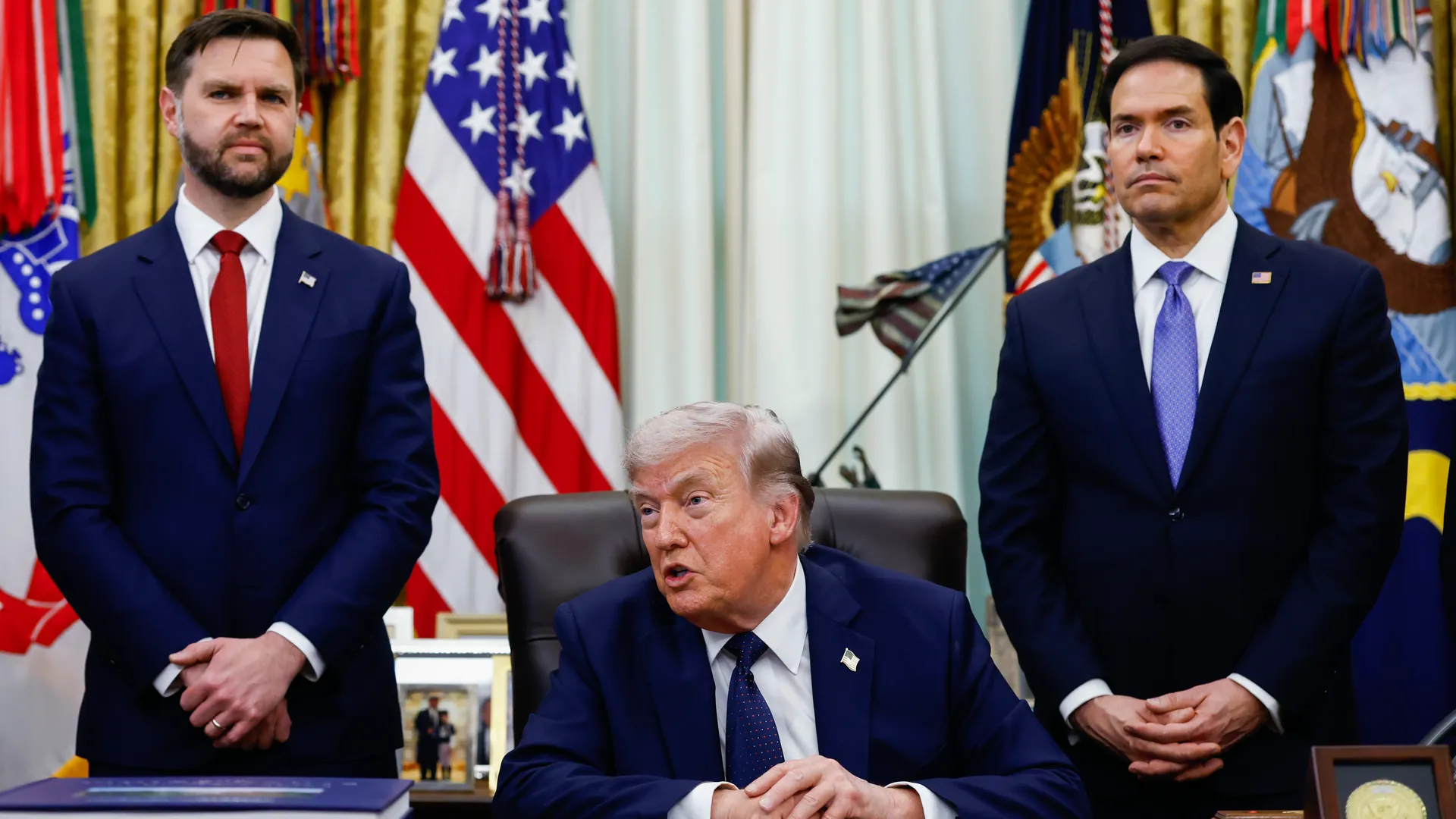
What’s Inside The Iran Peace Deal Trump Says He’s Ready To Sign/ Newslooks/ WASHINGTON/ J. Mansour/ Morning Edition/ President Donald Trump says the U.S. and Iran are close to signing a memorandum of understanding that could extend the ceasefire and reopen the Strait of Hormuz. The proposed framework includes Iranian commitments on its nuclear program, while sanctions relief would be granted gradually based on compliance. Although mediators report progress and a possible signing ceremony is being planned, Iranian officials say final approval has not yet been reached.
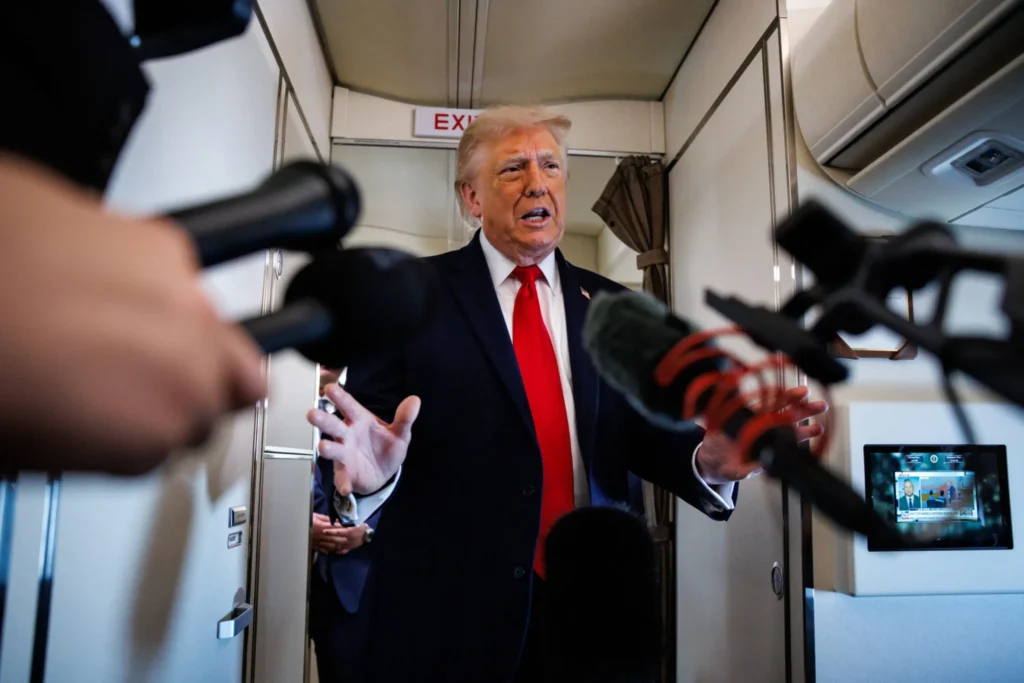
Trump Iran Deal Quick Looks
- President Donald Trump says a U.S.-Iran memorandum of understanding is ready for final approval.
- The agreement would extend the ceasefire for 60 days and reopen the Strait of Hormuz.
- Iran would commit to never obtaining a nuclear weapon under the framework.
- Future negotiations would address Iran’s enriched uranium stockpile and nuclear program.
- Sanctions relief would be tied to Iranian compliance with the agreement.
- Qatar and Pakistan have played central mediation roles in the negotiations.
- A potential signing ceremony could take place in Europe as early as this weekend.
- Iranian officials say some issues remain unresolved and final approval has not yet been granted.
- The deal would reportedly be known as the Islamabad Agreement.
- Trump says the agreement could officially end the conflict and stabilize regional energy markets.
Deep Look
Trump Signals Iran Deal Could Be Signed Soon
President Donald Trump is preparing to sign a memorandum of understanding with Iran that could pave the way for a broader peace agreement and potentially bring an official end to months of conflict.
According to sources familiar with the negotiations, the proposed agreement would immediately reopen the Strait of Hormuz, lift the U.S. blockade on Iranian exports, and establish a framework for future nuclear negotiations.
The memorandum would also extend the current ceasefire for 60 days, including provisions affecting regional conflicts involving Iran-backed groups.
Framework Agreement Nearing Final Approval
A diplomat from one of the countries mediating the negotiations said the text has largely been finalized and is awaiting final approval from leaders on both sides.
“The U.S. and Iran have agreed on the text of a deal,” the diplomat said, while noting that final authorization is still required.
Sources familiar with internal Iranian deliberations indicated that senior officials have approved the proposal, though Supreme Leader Mojtaba Khamenei had not yet formally signed off as of Thursday evening.
President Trump has suggested a signing ceremony could occur as early as this weekend, while Iranian officials continue reviewing the proposal.
A spokesperson for Iran’s foreign ministry said Tehran had “not yet reached a final decision.”
Despite previous negotiations collapsing at the last minute, mediators involved in the current talks remain optimistic that this agreement will hold.
Preparations Underway for Potential Signing Ceremony
Diplomatic and logistical preparations appear to be accelerating.
Sources familiar with the planning said the flights may be connected to possible travel by Vice President JD Vance should a formal signing ceremony take place in Geneva during the coming days.
Qatar Played Key Role in Latest Negotiations
According to diplomats and U.S. officials familiar with the process, the tentative agreement was reached Wednesday night after extensive discussions between Qatari mediator Ali Al-Thawadi and Iranian Foreign Minister Abbas Araghchi.
During the negotiations in Tehran, Al-Thawadi reportedly remained in constant communication with Trump administration representatives.
Sources said the mediator held multiple telephone conversations with Steve Witkoff and Jared Kushner as negotiators worked through the final language of the agreement.
Netanyahu Reportedly Surprised by Announcement
The breakthrough reportedly caught Israeli Prime Minister Benjamin Netanyahu off guard.
According to a U.S. source with direct knowledge of the situation, Netanyahu spent recent days seeking information from contacts close to the Trump administration as negotiations intensified.
Sources indicated that the Israeli government was not fully informed about the status of the final discussions before Trump publicly announced that an agreement had effectively been reached.
Nuclear Commitments Remain Central to Agreement
The proposed memorandum contains several commitments related to Iran’s nuclear program.
Among the most important provisions is Iran’s pledge not to acquire a nuclear weapon and to address international concerns surrounding its stockpile of enriched uranium.
A senior U.S. official said Trump agreed that one possible solution would involve reducing the enrichment level of existing uranium supplies under international supervision.
“A senior U.S. official said Trump agreed that one of the options for resolving the issue could be down-blending Iran’s highly enriched uranium inside the country under the supervision of UN inspectors.”
However, any nuclear-related measures would only be implemented if a second and more comprehensive agreement is successfully negotiated.
The diplomat involved in the discussions expressed confidence in the framework.
“The MOU goes into details on all the nuclear issues” and “satisfies all U.S. requirements.”
Strait of Hormuz Reopening Could Ease Global Pressures
One of the most significant provisions involves the reopening of the Strait of Hormuz.
The memorandum calls for shipping traffic to return immediately without tolls and for maritime commerce to recover to pre-war levels within 30 days.
In exchange, the United States would remove its blockade measures.
American officials previously indicated that reopening the waterway would trigger temporary sanctions waivers allowing Iran to resume oil exports for a limited period.
That arrangement could provide much-needed revenue to Iran while creating incentives for compliance with the broader agreement.
The diplomat emphasized that sanctions relief will depend on implementation.
“There is no set date for sanctions relief and it will be tied to the implementation of the deal.”
Questions Remain About Frozen Iranian Funds
One unresolved issue involves billions of dollars in Iranian assets frozen overseas.
Iran has repeatedly argued that access to some of those funds must be granted immediately after signing an initial agreement.
The United States has generally maintained that any release of assets should occur gradually and be linked to Iranian compliance.
A source outside the administration expressed concern that details regarding frozen funds could potentially be handled through a separate arrangement.
However, a U.S. official recently denied that possibility.
Sources familiar with the negotiations said Washington, Tehran and Doha have discussed a mechanism that would allow Iran access to some frozen assets in Qatar for humanitarian purchases.
Islamabad Agreement Could Mark Historic Turning Point
If signed, the agreement will reportedly be known as the Islamabad Agreement, reflecting the mediation role played jointly by Qatar and Pakistan.
Negotiators continue working on final details while preparing for a possible signing ceremony.
“We are working with the parties to put the final touches on the deal and set a date for the signing ceremony,” the diplomat from one of the mediating countries said.
While important questions remain unanswered, negotiators appear closer than at any point in recent months to achieving a formal diplomatic breakthrough between Washington and Tehran.





You must Register or Login to post a comment.