

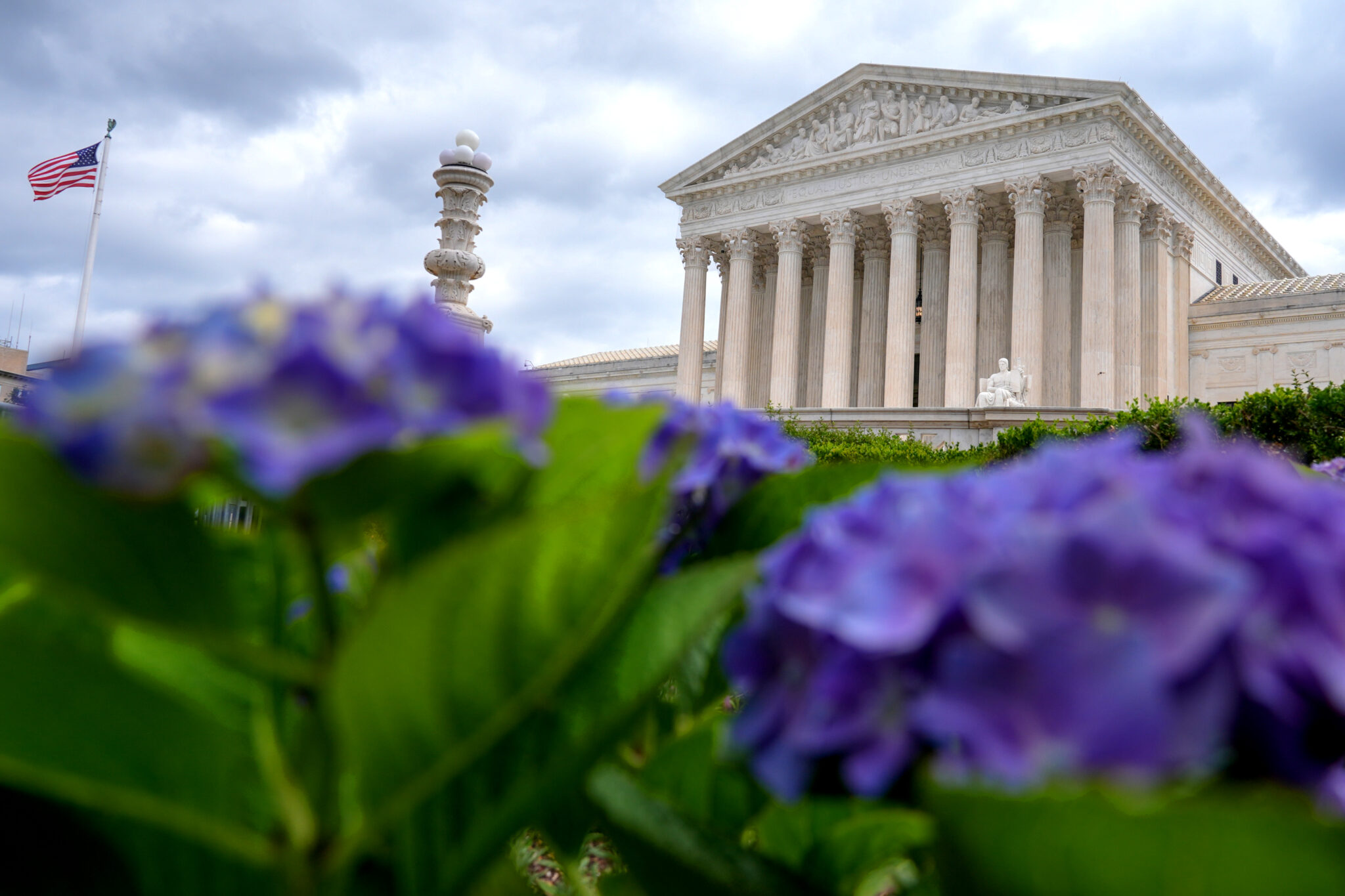
Supreme Court Allows Trump to Revive Border Asylum Restrictions/ Newslooks/ WASHINGTON/ J. Mansour/ Morning Edition/ The Supreme Court ruled that the Trump administration may revive an immigration policy limiting daily asylum processing at the U.S.-Mexico border. The 6-3 decision overturned a lower court ruling that had blocked the practice known as “metering.” The ruling marks another significant legal victory for the administration on immigration policy.

Supreme Court Immigration Ruling Quick Looks
- Supreme Court rules 6-3 in favor of the Trump administration.
- Decision allows possible revival of asylum “metering” policy.
- Policy limits how many migrants may seek asylum each day.
- Lower court ruling blocking the practice is overturned.
- Justice Samuel Alito wrote the majority opinion.
- Justice Sonia Sotomayor delivered a dissent from the bench.
- Policy was first used during the Obama administration.
- Trump expanded the practice during his first term.
- Biden formally rescinded the policy in 2021.
- Immigration cases remain a major focus of the Court’s current term.
Deep Look
Supreme Court Revives Path for Trump Border Policy
The U.S. Supreme Court on Thursday cleared the way for the Trump administration to potentially restore a restrictive immigration policy that limits the number of migrants who may apply for asylum each day at ports of entry along the U.S.-Mexico border.
In a 6-3 ruling, the Court overturned a lower court decision that had blocked the practice commonly known as “metering,” handing the administration another significant legal victory on immigration enforcement.
Although the policy is not currently in effect, the ruling gives federal officials the legal authority to reinstate it if they choose.
What Is the Metering Policy?
The metering policy limits the number of asylum seekers processed each day at official border crossings.
Migrants who arrive after the daily limit is reached are required to wait outside the United States until additional appointments become available.
Federal officials have argued that the policy helps border personnel manage large surges in asylum claims and prevents overwhelming immigration processing facilities.
Immigrant rights organizations, however, contend that the practice stranded thousands of vulnerable migrants in dangerous conditions near the border, where many waited weeks or months for an opportunity to request asylum.
Administration Defends Border Tool
The Trump administration argued that metering has been used under presidents from both political parties and remains an important tool for managing border operations during periods of high migration.
Government attorneys maintained that migrants turned away at ports of entry have not yet legally entered the United States and therefore are not immediately entitled to begin the asylum process.
Federal lawyers also argued that individuals denied entry could simply return when additional processing capacity becomes available, even if waiting periods become lengthy.
Court Sides With Administration
Writing for the Court’s conservative majority, Justice Samuel Alito concluded that migrants waiting outside ports of entry have not yet legally arrived in the United States for purposes of asylum processing.
“A guest does not arrive in a house when he knocks on the front door,” Justice Samuel Alito wrote.
The majority agreed that immigration authorities may regulate access to ports of entry before asylum processing begins.
The ruling reverses a previous federal court decision that found the practice violated immigration law requiring asylum screenings for individuals arriving at U.S. borders.
Sotomayor Issues Sharp Dissent
Justice Sonia Sotomayor strongly disagreed with the majority’s reasoning and delivered her dissent from the bench.
She warned that the decision undermines longstanding protections for people seeking refuge in the United States.
“Regrettably and tragically extinguishes the light of the torch of the Statue of Liberty,” Sotomayor said while criticizing the Court’s ruling.
Following her remarks, Justice Alito took the unusual step of responding from the bench, expressing surprise that the dissent had been read aloud and noting that the policy had previously been employed under two presidential administrations.
“I won’t add anything more to that,” Alito said.
Long History Across Administrations
Metering first appeared during the Obama administration as immigration officials responded to increased arrivals of Haitian migrants at the San Diego-Tijuana crossing.
The practice effectively ended in 2020 when pandemic-era border restrictions replaced many existing asylum procedures.
President Joe Biden formally rescinded the policy after taking office in 2021.
Later that year, a federal judge in California ruled that metering violated asylum protections established under federal immigration law, a decision that remained in place until Thursday’s Supreme Court ruling.
Broader Immigration Battles Continue
The asylum case is one of several major immigration disputes currently before the Supreme Court.
The justices are also weighing challenges involving President Trump’s effort to restrict birthright citizenship and cases concerning temporary legal protections for migrants fleeing conflict and instability abroad.
Immigration remains one of the administration’s central policy priorities, and Thursday’s decision strengthens the federal government’s authority over how asylum claims may be processed at the nation’s borders.
Whether the administration chooses to reinstate the metering policy now that legal barriers have been removed remains to be seen.






You must Register or Login to post a comment.